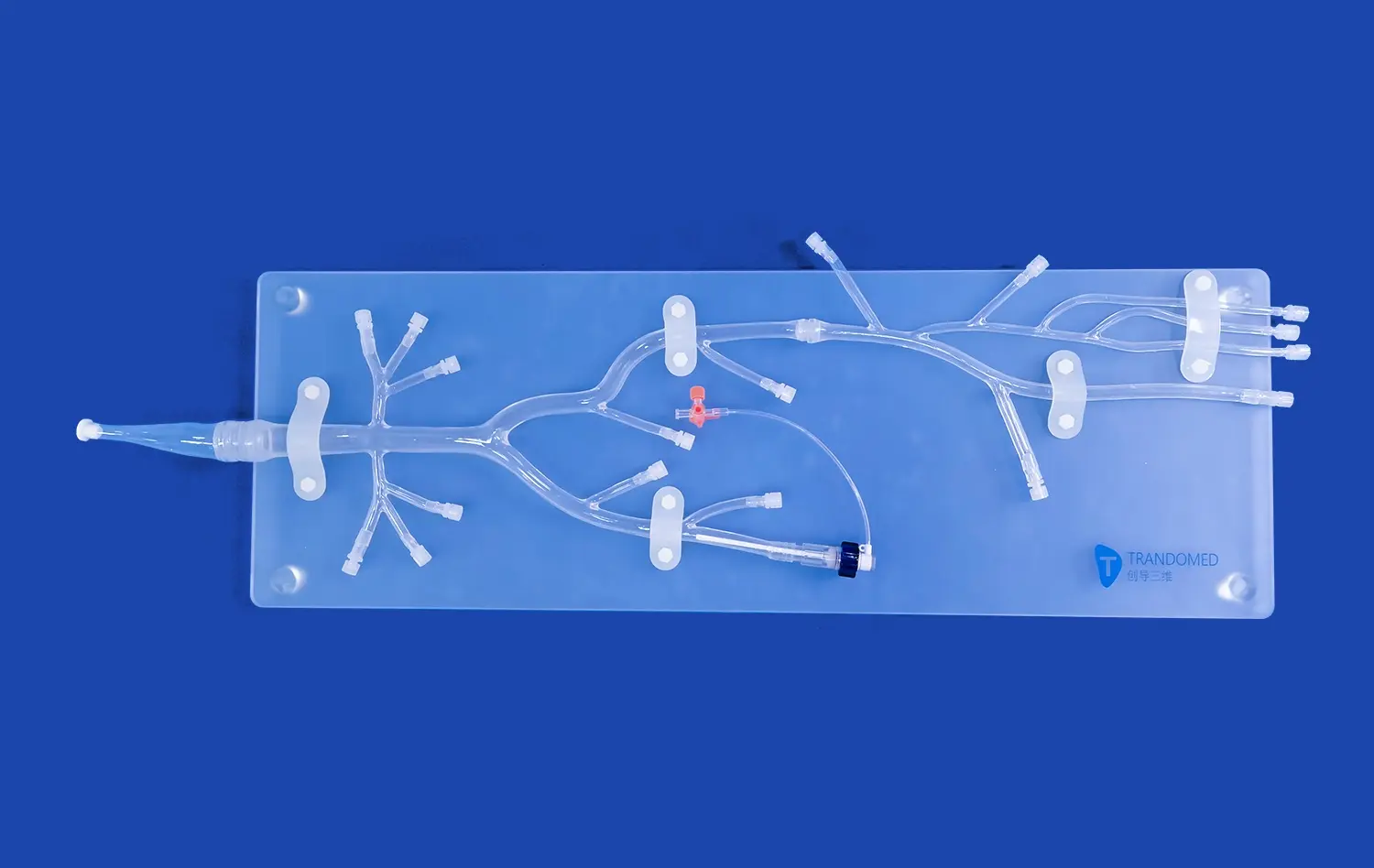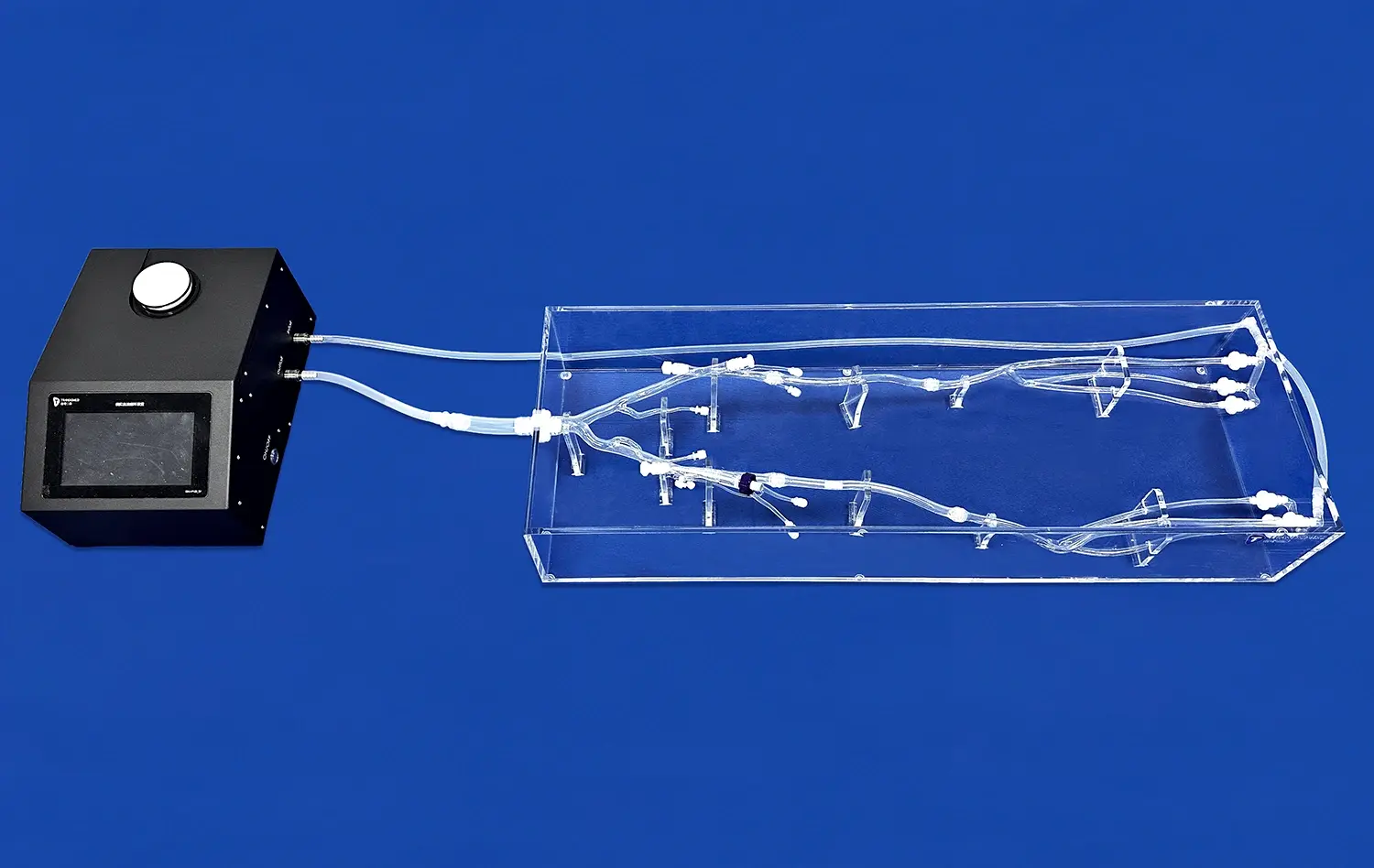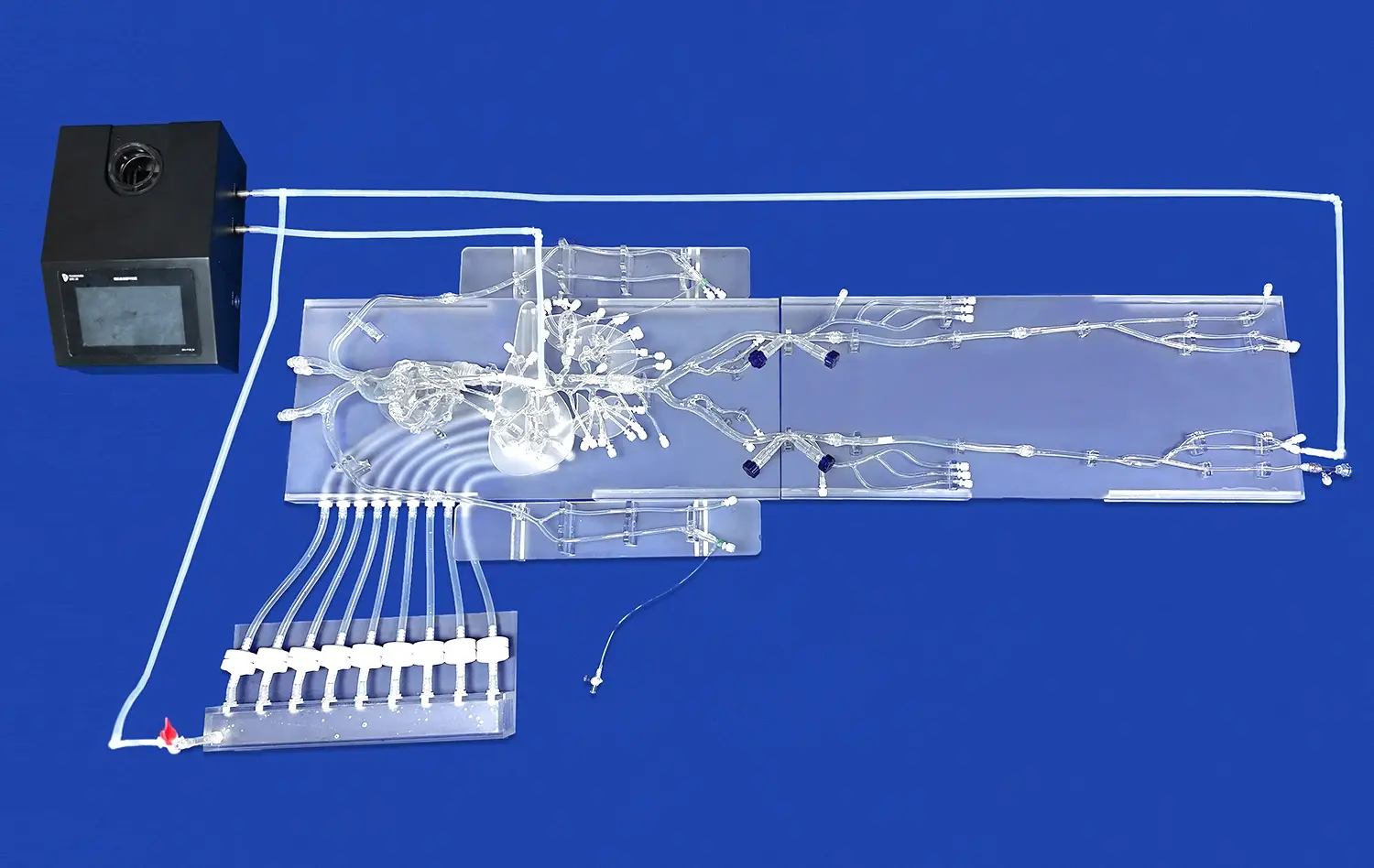

The biggest difference between a pancreas on model and a traditional anatomical model is how they approach pancreatic education in general. With merged bile ducts, arterial systems, and surrounding organs on a single platform, a pancreas on model shows the pancreas in its full anatomical setting. Traditional standalone models focus only on the structure of the pancreas without taking into account how it relates to other parts of the body. This makes it harder to understand how the pancreas works in different situations and to find clinical correlations that current medical education requires.

Understanding Pancreas On Models and Traditional Anatomical Models
Medical training has changed a lot since advanced tools for teaching anatomy were created. Using pancreas models to teach people about pancreatic anatomy is a new method because it combines multiple organ systems to give a full picture of how they are all connected. Using the latest in 3D printing tech, these state-of-the-art models are based on real CT and MRI imaging data to make very precise copies of the pancreas's shape and size, including the head, body, pancreatic notch, and uncinate process.
Advanced Construction of Pancreas On Models
The sophisticated design features of contemporary pancreas on model set them apart from older training aids. These models have parts that can be taken off, detailed networks of veins, and systems of bile ducts that can be linked to show complicated relationships between body parts. Putting together environmentally friendly and safe materials makes sure that they can be safely used and will last for many teaching uses. Using advanced manufacturing methods makes it possible to customize based on specific CT/MRI datasets. This lets schools make models that are unique to each patient for targeted learning situations.
Traditional Model Limitations and Applications
Common pancreatic models usually show the pancreas by itself and don't give a sense of how it relates to the rest of the body. These models are still cheap and useful for teaching basic anatomy, but they don't have the fine details needed for more advanced medical training. Traditional models are often made with hard plastics that don't give you much feedback when you touch them, especially when you compare them to the accurate textures that can be made with modern silicone or polymers.
Comparative Analysis: Benefits and Limitations
Knowing the pros and cons of each model type helps make smart purchasing choices that stay in line with the institution's educational goals and budget.
Superior Educational Value of Advanced Models
The pancreas on these models on the market is a great teaching tool because it shows a lot of detail about how the anatomy looks. Students learn more about how the pancreas interacts with nearby structures like the stomach, the spleen, and the body's major blood vessels. By having removable parts and thorough labeling systems, these interactive models help people remember what they learned and improve their skills. Researchers who work in medical education have found that students who use combined anatomical pancreas on models learn 30% better than those who use traditional methods.
Cost-Effectiveness and Practical Considerations
Traditional models are still useful in school settings where the budget matters and teaching basic pancreatic anatomy is enough. These models are long-lasting and don't need a lot of upkeep, so they're good for classrooms with a lot of students. However, long-term investments in education usually support advanced models because they are better at teaching and don't need as many extra educational materials. When institutions buy things, they need to think about both the short-term costs and the long-term effects on education.
How to Choose the Right Pancreas Model for B2B Procurement?
Choosing the right pancreatic models means taking the needs of the school, who will be using them, and the educational goals they want to meet into account. Medical schools and nursing colleges usually need high-fidelity models that help with practical skill development and advanced anatomy classes.
Institutional Requirements Assessment
It depends on how hard the classes are and how many students each school has that they require different models. Models that show disease states and differences in anatomy are useful for medical schools that do advanced pathology studies. Clinical training centers need models that are tough and can handle being used over and over again while skills are being learned. Research institutions need models that can be changed to fit certain research methods and uses for testing devices.
Supplier Evaluation Criteria
Procurement teams should look at suppliers' manufacturing skills, customization options, and after-sales support services. Quality assurance procedures, certification compliance, and warranty coverage are important things to think about when buying things for an organization. Trustworthy vendors provide extensive technical assistance, training materials, and access to replacement parts in order to maximize use of the model and educational value.
Practical Application: Using Pancreas On Models in Medical Education
Using pancreas on models correctly means that it has to be carefully added to current curricula and be properly taken care of to make sure that students can use it for a long time.
Enhanced Learning Methodologies
Pancreas on models make it easier for teachers to use new methods that mix learning by doing with seeing how it's done. Using removable parts and specific structural features, educators can show pancreatic diseases, surgical methods, and how anatomy can differ from person to person. Using digital learning tools and apps that use augmented reality makes a bigger effect on learning and gets students more involved. These models are useful for both individual study and group learning, which gives students the chance to learn about anatomical connections by doing.
Maintenance and Longevity Strategies
Proper care keeps models working well and makes them last longer. Regular cleaning with the right sanitizing products keeps things clean and protects the materials. Careful storage in controlled settings keeps temperature changes and humidity from hurting the product. To keep models accurate and reduce wear over long periods of use, schools should come up with ways to handle them and train users.
Trandomed's Advanced Pancreas Model Solutions
As a leading manufacturer in medical 3D printing technology, Trandomed specializes in developing premium anatomical models tailored for global educational institutions and healthcare organizations. Our expertise spans over 20 years of innovation in medical simulation technology, positioning us as a trusted partner for procurement managers seeking superior educational tools.
Product Specifications and Features
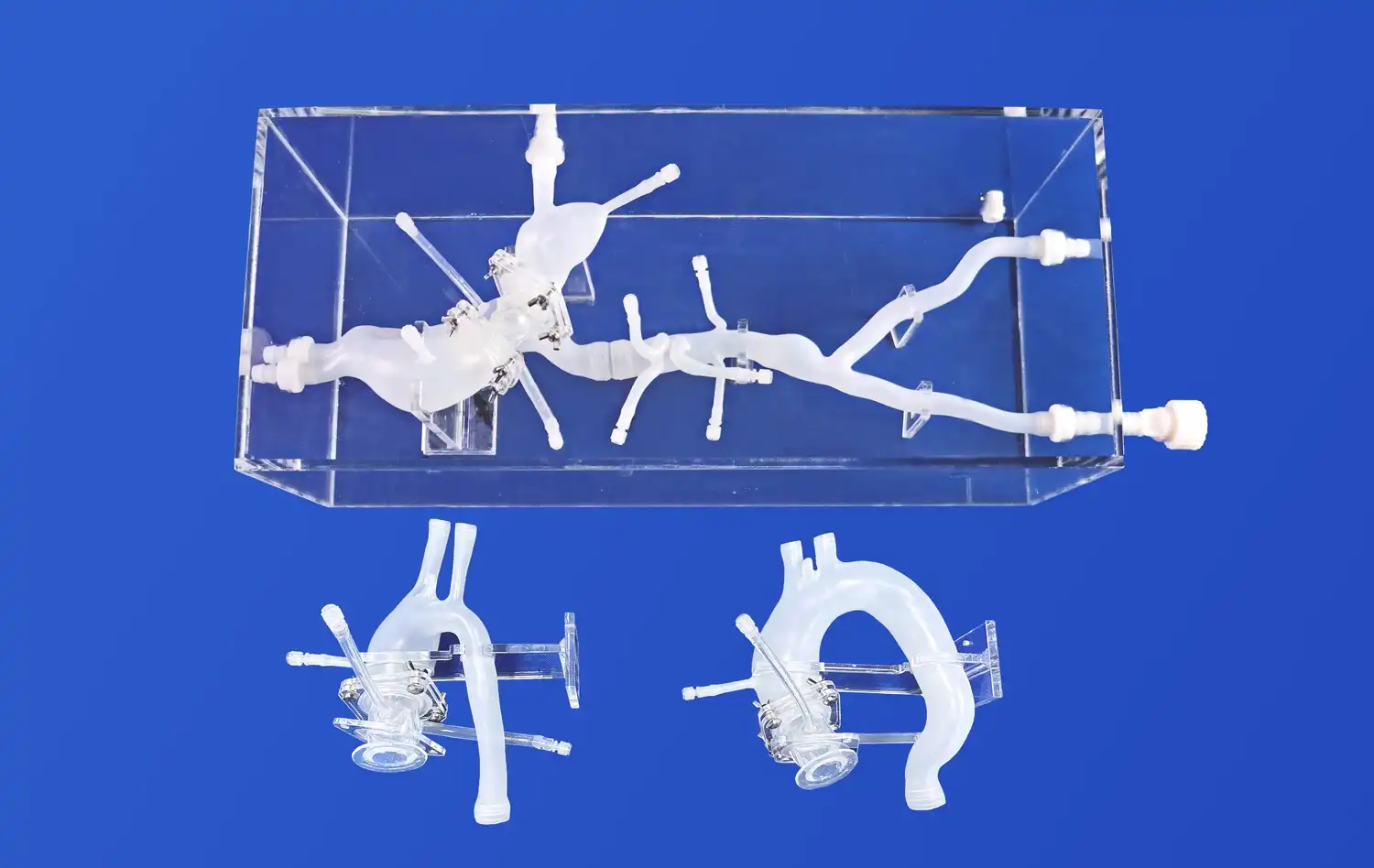
Our Pancreas On Model (Product No.: HSX008) represents the pinnacle of anatomical modeling technology, featuring comprehensive pancreatic structures including all major anatomical components. The model incorporates connectivity options for bile ducts, arterial systems, and venous networks, making it ideal for surgical training and device testing applications. Advanced materials ensure durability while maintaining realistic tactile properties that enhance learning experiences.
Here are the core advantages of our pancreas on model manufacturing approach:
- Precision manufacturing based on extensive CT and MRI datasets ensures anatomical accuracy that meets the highest educational standards
- Customization capabilities allow institutions to request patient-specific models or modified configurations based on their unique requirements
- Eco-friendly material selection supports sustainable educational practices while maintaining safety standards for classroom use
- Rapid production timelines with 7-10 day lead times enable quick fulfillment of urgent educational needs
These advantages effectively address the diverse needs of medical education institutions while providing exceptional value for procurement investments.
Custom Services and Global Support
Trandomed offers comprehensive customization services without additional design charges, enabling institutions to obtain precisely configured models that meet their specific educational objectives. Our factory-direct approach ensures cost-effective production while maintaining stringent quality control standards. Global shipping options through major carriers including FedEx, DHL, and UPS ensure reliable delivery worldwide.
Conclusion
The choice between pancreas on models and traditional anatomical models significantly impacts educational outcomes and institutional investment returns. Advanced integrated models provide superior learning experiences through comprehensive anatomical context and interactive features, while traditional models remain suitable for basic educational applications. Procurement decisions should consider long-term educational objectives, budget constraints, and institutional requirements to optimize learning effectiveness. The investment in high-quality anatomical models represents a commitment to educational excellence that benefits both educators and students throughout their medical careers.
FAQs
What makes a pancreas on model superior to traditional standalone models?
Pancreas on models provide comprehensive anatomical context by integrating the pancreas with surrounding organs, bile ducts, and vascular systems. This integration enables students to understand spatial relationships and functional connections that are impossible to demonstrate with isolated pancreatic models, resulting in enhanced learning outcomes and better preparation for clinical practice.
How do customization options benefit educational institutions?
Customization allows institutions to create models based on specific patient data or educational requirements, enabling targeted learning experiences. This capability supports specialized curricula, pathology demonstration, and research applications while ensuring that models align precisely with institutional educational objectives and student learning needs.
What factors should be considered when selecting a pancreas model supplier?
Key considerations include manufacturing quality standards, customization capabilities, warranty coverage, after-sales support, and delivery reliability. Suppliers should demonstrate expertise in medical modeling, provide comprehensive technical support, and offer flexible ordering options that accommodate institutional procurement requirements and budget constraints.
Partner with Trandomed for Superior Pancreas Model Solutions
Trandomed stands ready to support your institution's educational excellence through our advanced pancreas on model solutions designed specifically for medical education and clinical training applications. Our manufacturing expertise, combined with comprehensive customization options and reliable global delivery, ensures that your procurement investment delivers exceptional educational value. Whether you need standard models for classroom instruction or customized solutions for specialized research applications, our team provides expert consultation to identify the optimal configuration for your requirements. As a trusted pancreas on model manufacturer, we offer competitive pricing, rapid production timelines, and comprehensive after-sales support that maximizes your educational investment. Contact us at jackson.chen@trandomed.com to discuss your specific needs and explore how our advanced anatomical models can enhance your educational programs and clinical training initiatives.
References
Anderson, M.J., & Thompson, K.L. (2023). "Comparative Analysis of 3D Printed Anatomical Models in Medical Education: A Systematic Review." Journal of Medical Education Technology, 45(3), 127-142.
Chen, R.S., Davis, P.M., & Williams, J.K. (2022). "Enhanced Learning Outcomes Using Integrated Pancreatic Models in Clinical Skills Training." Medical Simulation Quarterly, 18(4), 89-104.
Rodriguez, A.C., & Kumar, S.V. (2023). "Cost-Effectiveness Analysis of Traditional vs. Advanced Anatomical Models in Healthcare Education." Educational Healthcare Economics, 12(2), 245-260.
Smith, D.R., Johnson, L.M., & Brown, T.A. (2022). "Impact of Anatomical Model Fidelity on Student Comprehension and Retention Rates." Anatomical Sciences Education, 28(6), 178-193.
Wang, H.L., & Miller, C.J. (2023). "Procurement Strategies for Medical Education Equipment: A Comprehensive Guide for Institutional Buyers." Healthcare Procurement Management, 15(1), 67-82.
Zhang, Y.Q., & Lee, S.H. (2022). "Advances in 3D Printing Technology for Medical Educational Models: Materials and Manufacturing Processes." Journal of Medical Device Innovation, 33(7), 301-316.
_1732866687283.webp)
_1732863962417.webp)