
Patient-Specific Training with a Carotid Artery 3D Simulation Model
2026-02-12 09:00:03
Patient-specific training with a carotid artery 3D changes the way medicine is taught by making vascular surgery training more accurate than ever before. Medical workers can use these cutting-edge simulation tools to make lifelike, editable models of human bodies that look like real patients. Healthcare institutions can now get training solutions that bridge the gap between theoretical knowledge and clinical practice by using advanced imaging technologies and advanced 3D printing methods. This will improve the results of procedures and patient safety standards in the long run.
Understanding Patient-Specific Carotid Artery 3D Simulation Models
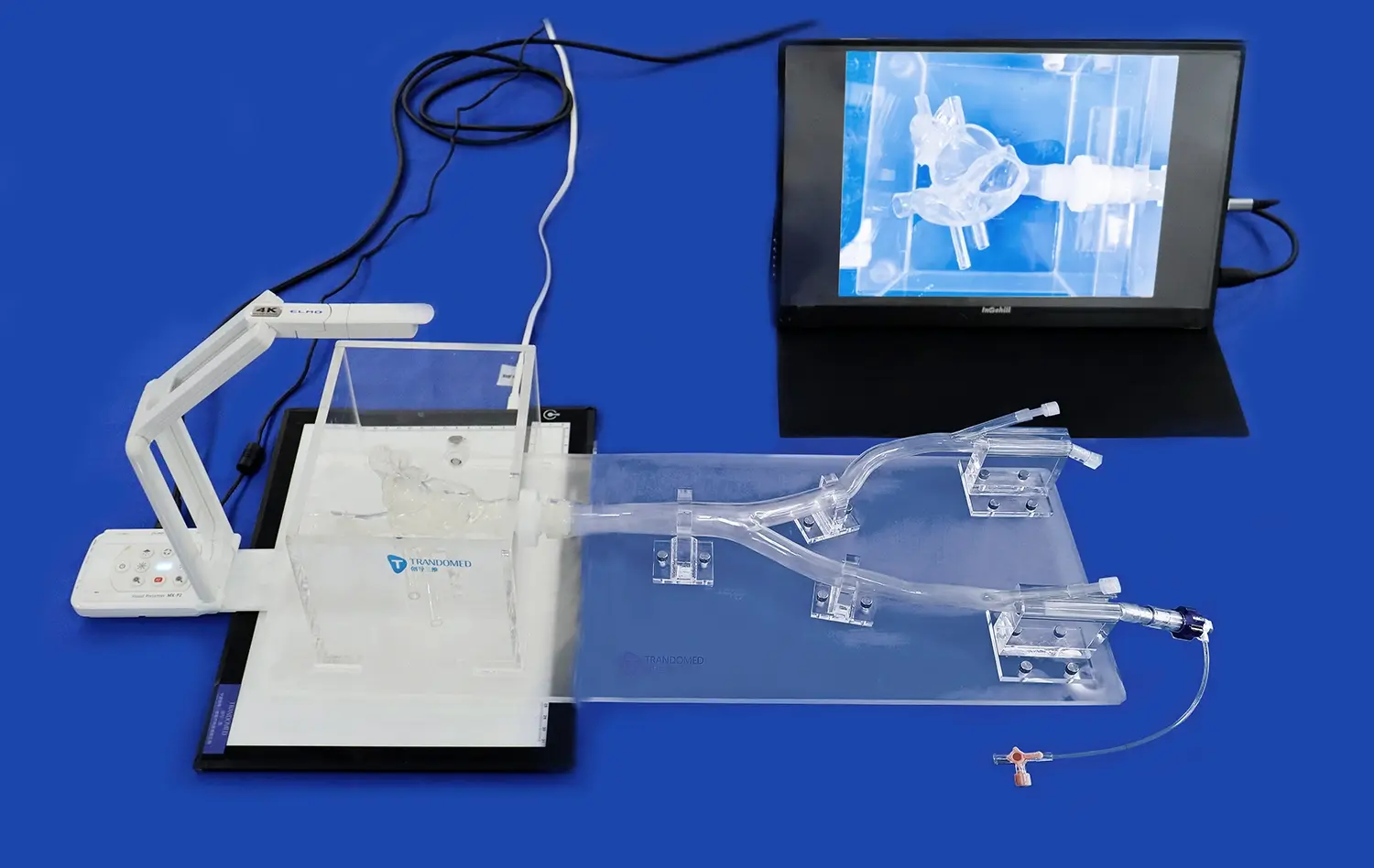
Patient-specific carotid artery computer models are a big step forward in the technology used to see inside the body. Virtual parts, real 3D-printed structures, and interactive software platforms are all used in these high-tech training tools to make them more accurate than standard 2D imaging methods.
Advanced Technology Integration
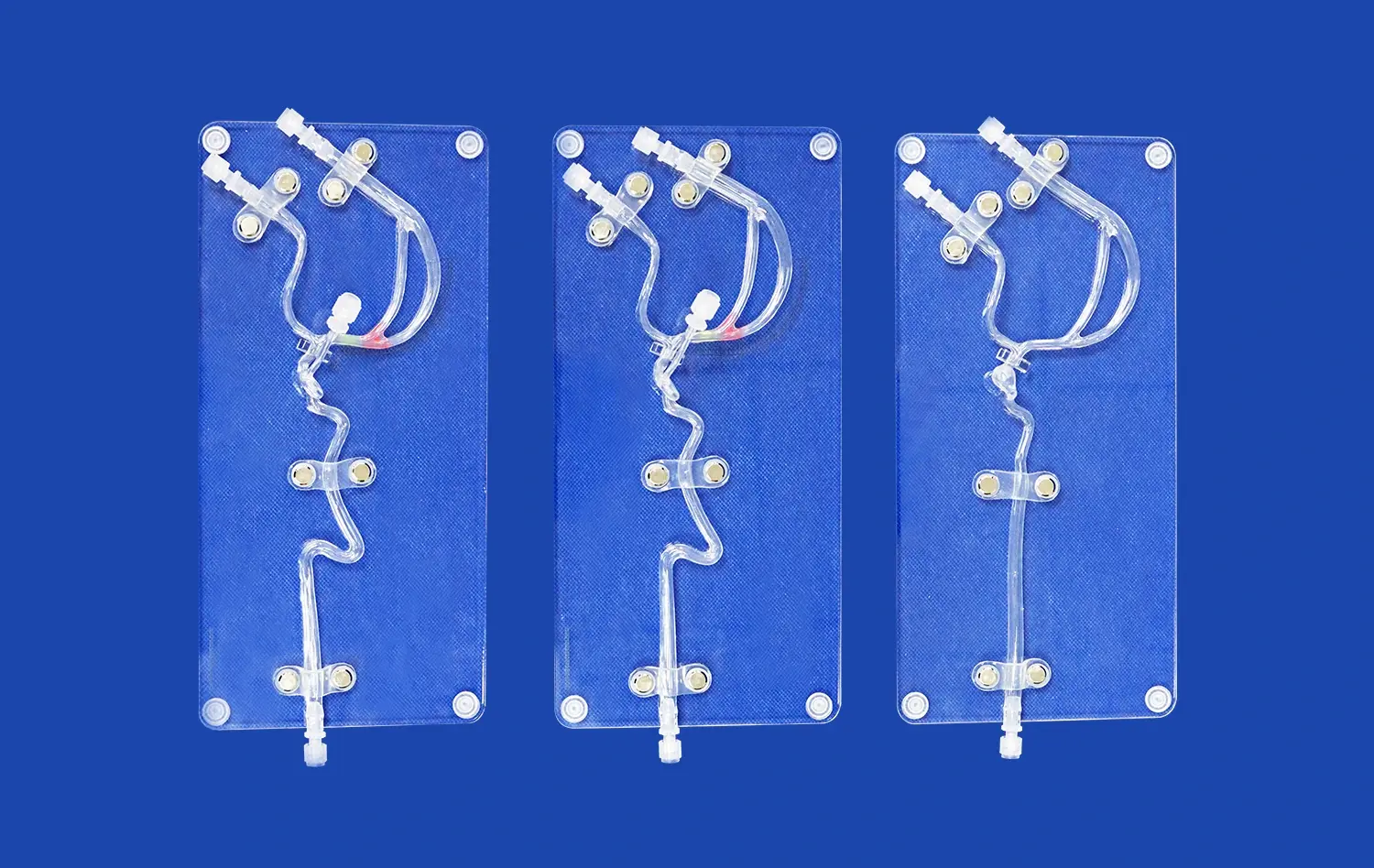
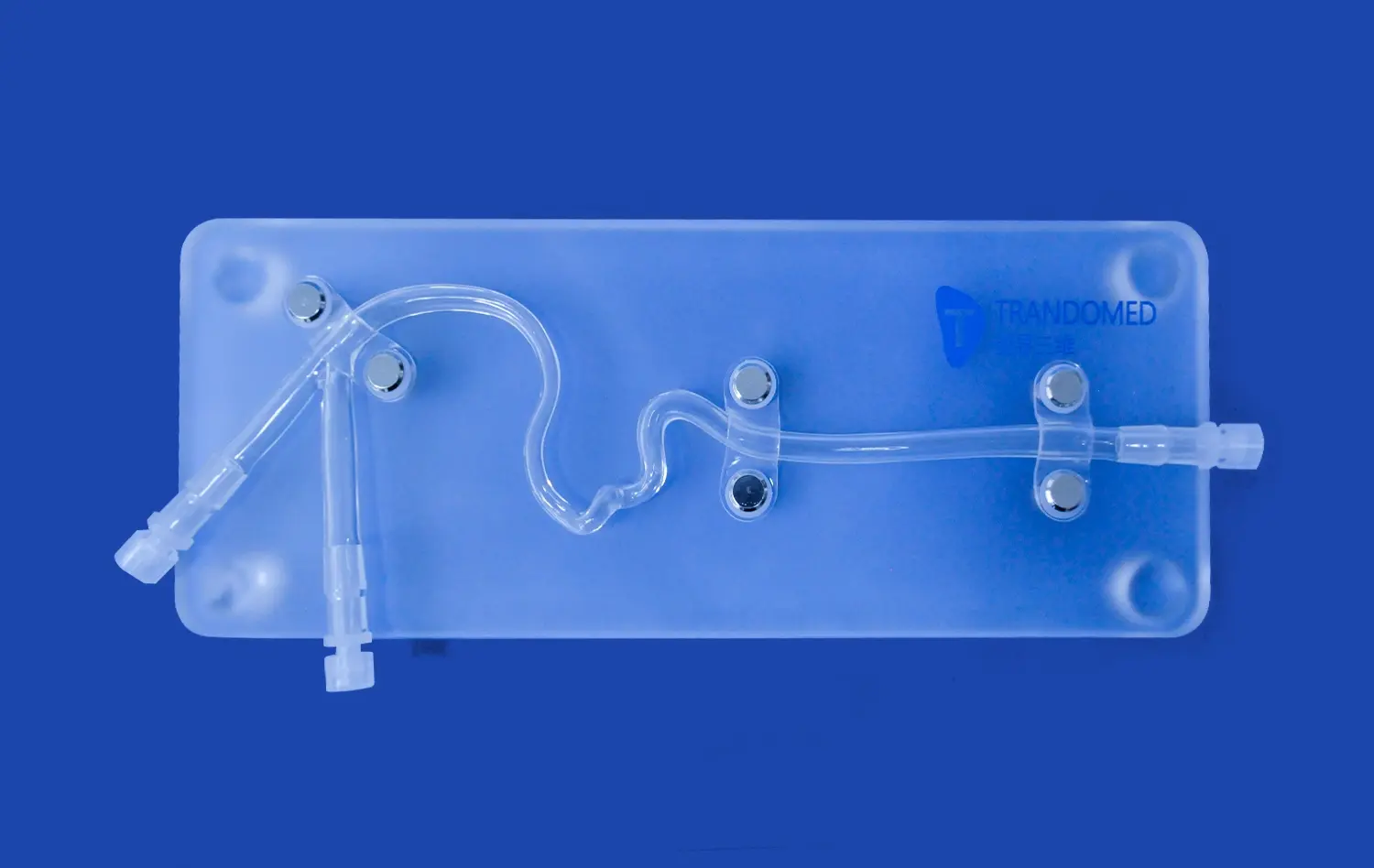
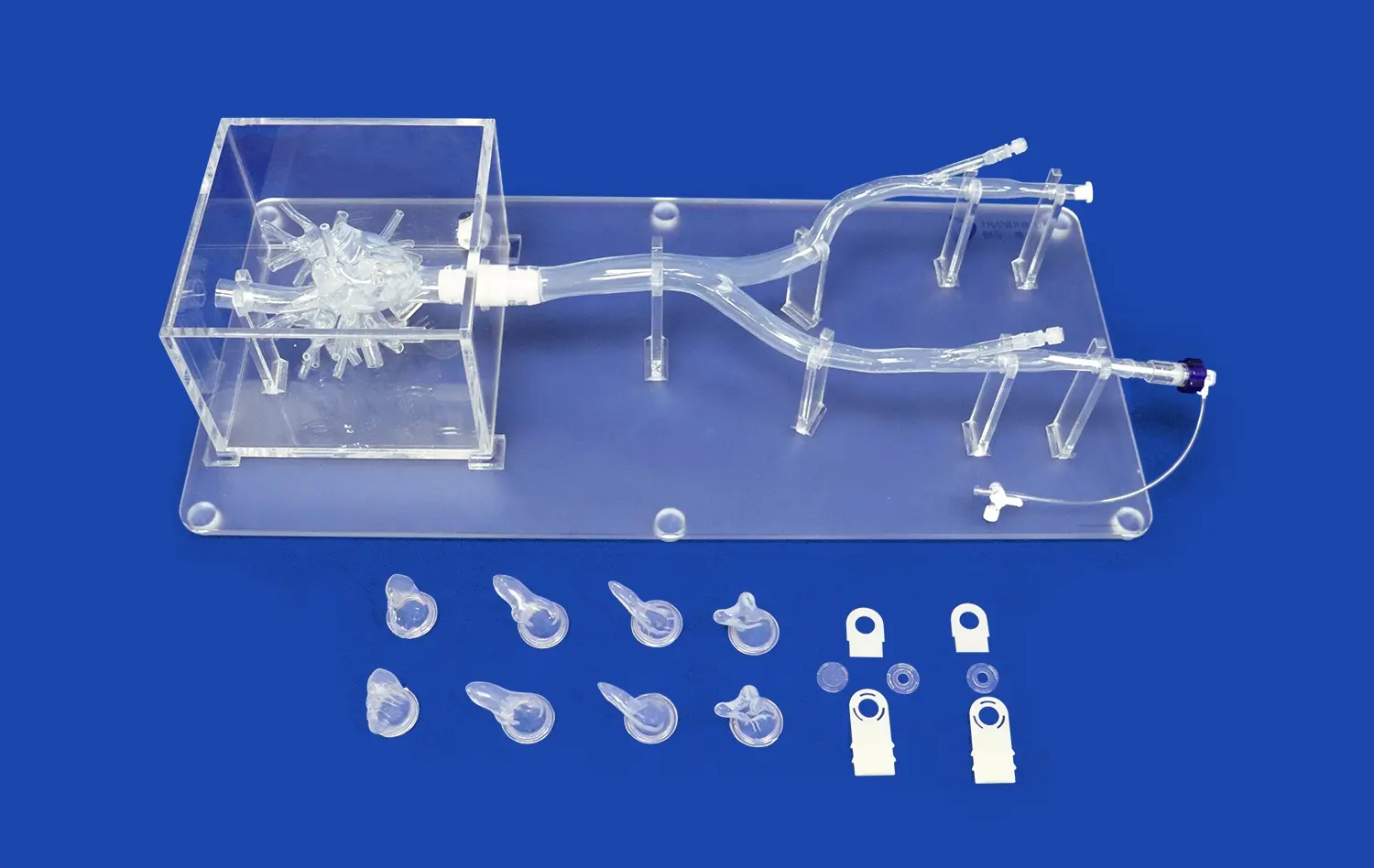
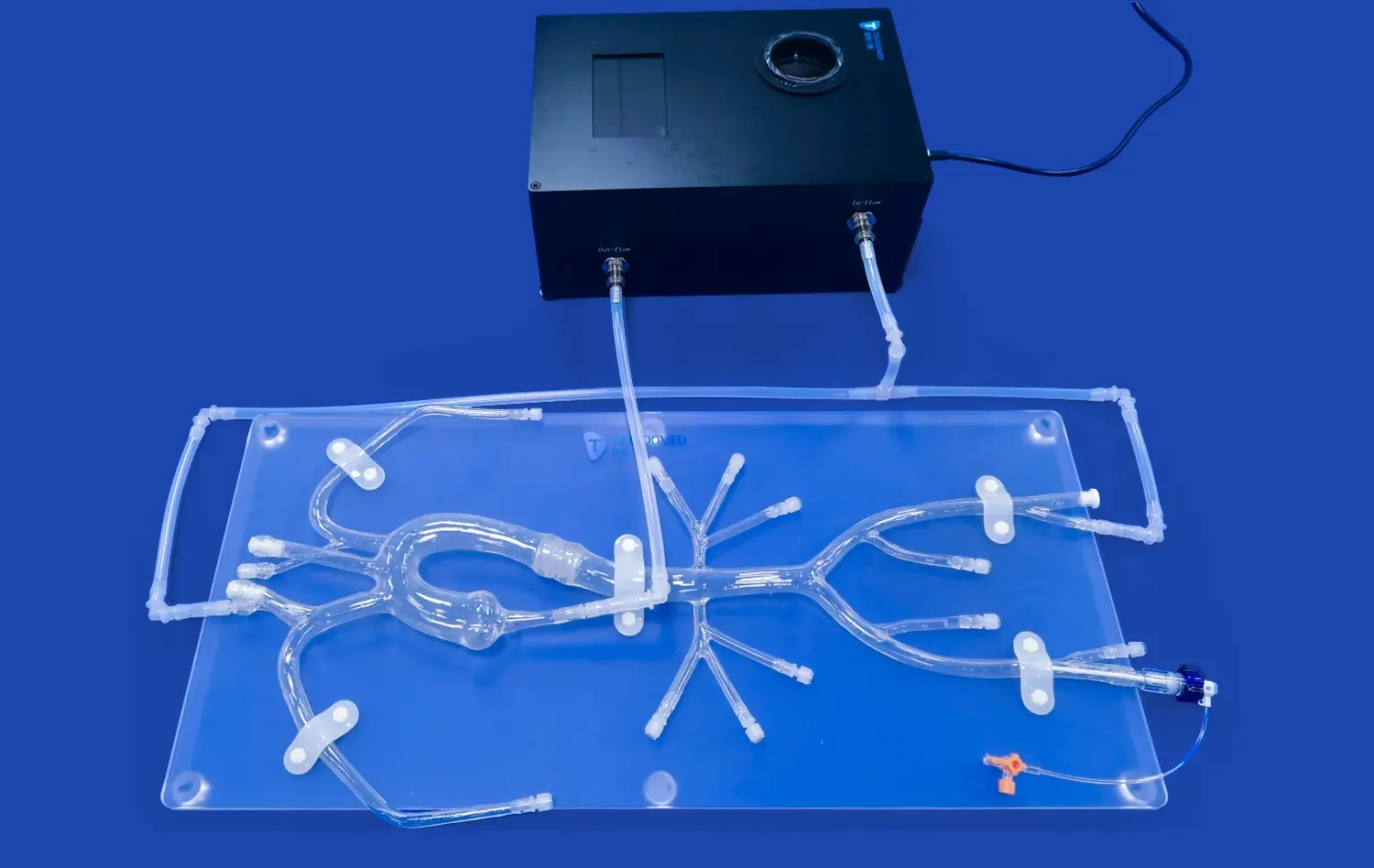
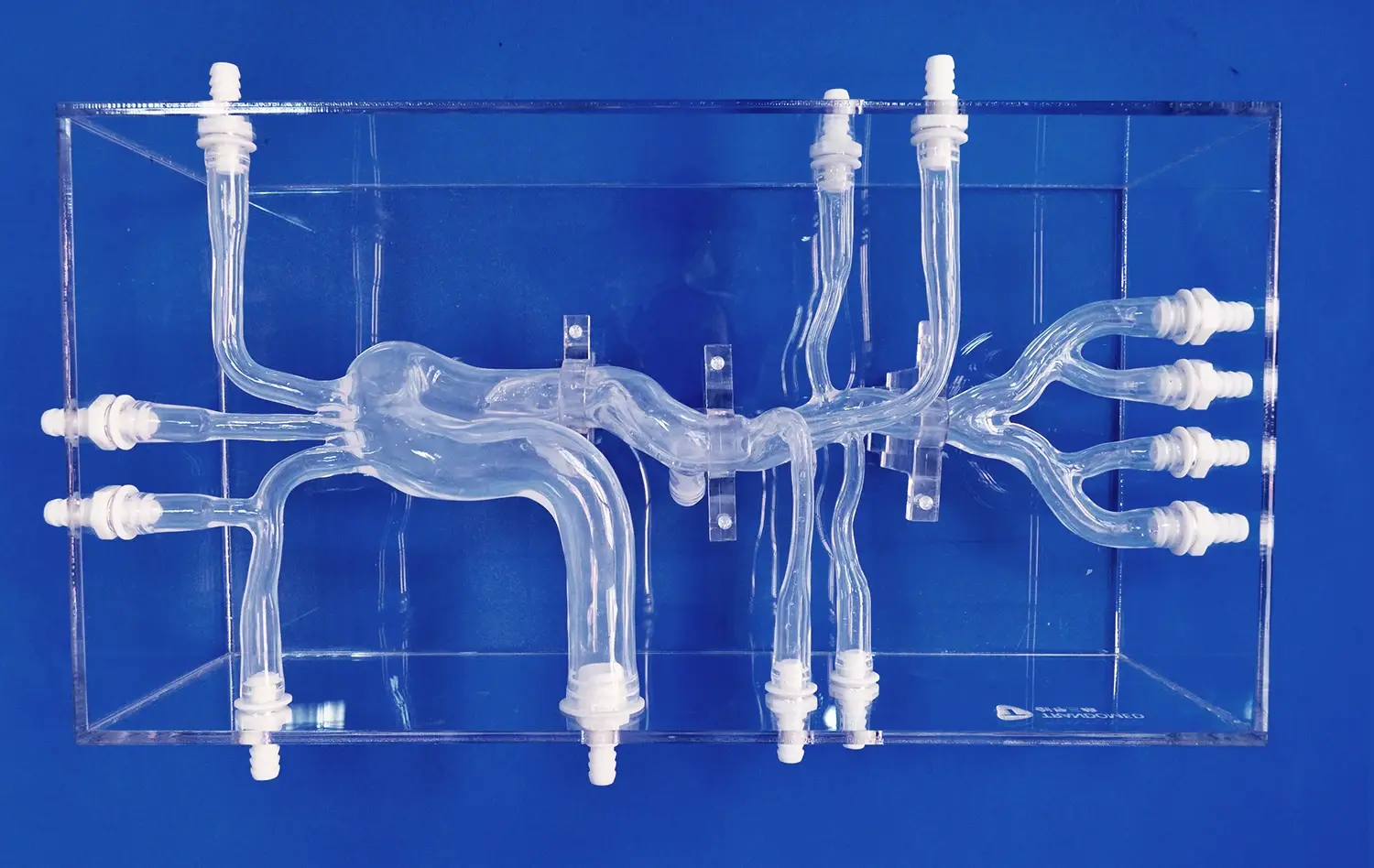
These days, vascular computer models use the newest imaging tools, such as 3D MRI, CT scans, and ultrasound data. These imaging methods record very detailed vascular systems with amazing accuracy, which makes it possible to make very exact physical copies. This new technology is shown by the Carotid Artery 3D model (Product No. SJJ004D-01), which carefully recreates the anterior cerebral artery, the middle cerebral artery, and the internal carotid artery system.
Material Innovation and Durability
Choosing the right materials is a very important part of how well a game works. The high-quality silicone Shore 40A gives you the best physical input and will last through many training sessions. This choice of material makes sure that medical workers get to experience true tissue interaction during procedure simulations, which makes training more real.
Anatomical Precision and Customization
These models show a lot of information about vascular structure, with a focus on important parts like the M1 section of the middle cerebral artery. By including artificial embolism sites, doctors can practice thrombectomy procedures in a safe setting, learning important skills before they have to use them in real life.
Key Applications of Carotid Artery 3D Simulation Models in Medical Training
Carotid artery 3D computer models are useful in many healthcare situations and are changing the way medical education is done by letting students learn by doing.
Surgical Training and Skill Development
Medical schools use these models a lot to teach students how to do neurovascular procedures. Because the vascular structures are accurate, students and trainees can practice difficult surgical skills over and over again without putting patients at risk. Standardized learning experiences help training programs make sure that all members learn the same skills.
Diagnostic Enhancement and Procedure Planning
Advanced computer models improve the ability to diagnose by making it easy to see how complicated arterial conditions look. Medical workers can look at stenoses, plaques, and other abnormal features in three dimensions, which is clearer and easier to understand than standard imaging methods. This better picture directly leads to more accurate healthcare decisions and planning of procedures.
Research and Development Applications
These models are used by research institutions to come up with new surgery methods and medical devices. Researchers can try out new methods and make sure prototypes work in the controlled setting before putting them to use in patients. This app is especially helpful for companies that make medical devices that need solid sites for testing and developing their products.
Selecting the Right Carotid Artery 3D Model Solution for Your Procurement Needs
When procurement workers choose the right vascular simulation options for their institutions, they have to think about a lot of things. Making the best financial choices means knowing about all of your options and analyzing the technical details.
Technical Specifications and Compatibility
Leading makers offer a range of choices, such as virtual models, 3D-printed copies, and software solutions that are fully merged. Criteria for evaluation should include levels of accuracy, resolution requirements, and the ability to work with current image processes. Processing different types of data, like CAD, STL, STP, and STEP files, makes things more flexible and easy to integrate.
Customization Capabilities and Flexibility
When it comes to training, the best carotid artery 3D computer models give you a lot of ways to change them to fit your needs. Here are the main features that can be changed:
- The ability to change characteristics of aneurysms, such as their numbers, sizes, and positions, in line with training goals
- Different levels of stenosis for brain tumors, which allows learning that builds on itself
- The siphon bend tortuosity can be changed to fit different patient bodies.
- Flexible twisted radius options for the middle cerebral artery and the anterior cerebral artery
With these customization choices, schools can make training scenarios that are special to students' learning goals and the clinical problems they face in real life.
Cost Efficiency and Implementation Planning
Budget concerns go beyond the initial costs of buying to include ongoing costs of running the business. When figuring out the total cost of ownership, procurement managers have to look at things like licensing fees, printing costs, and upkeep needs. Partnering with providers that offer full support services and training programs can help institutions get the most out of their implementations.
Implementing Carotid Artery 3D Simulation in Clinical and Educational Settings
To successfully combine vascular computer models, you need to plan ahead and follow an organized execution process. To get the most out of education, healthcare organizations need to set clear rules and training processes.
Workflow Development and Protocol Establishment
For implementation to work well, processes must be made that go smoothly from getting imaging data to making models and teaching staff. It is recommended that medical organizations set up standard practices that are used the same way in all areas and training programs. This methodical technique ensures the best possible results in education while upholding quality standards.
Training Program Integration
Using progressive learning methods, computer models can be added to current lessons in schools to help students learn more. Medical schools and residency programs can set up training paths that go from learning basic anatomy to simulating complicated procedures. This step-by-step method gradually boosts confidence and skill.
Performance Measurement and Continuous Improvement
Real-life case studies show that using carotid artery 3D computer models led to measured gains in surgery performance and the usefulness of training. Healthcare organizations say that trainees are more confident in their abilities and that learning difficult neurovascular processes takes less time. These results show that investing in advanced modeling tools is a good idea from a business point of view.
Future Innovations and Technological Advancements
New developments in vascular modeling technology, such as real-time 3D imaging, virtual reality integration, and personalized medicine apps, keep pushing the field forward. These changes look like they will make simulations more useful and improve training across all medical fields.
Conclusion
3D computer models of the carotid artery that are special to each patient are changing medical education by making training more accurate and preparing students for procedures easier than ever before. These cutting-edge tools close the important gap between what we know in theory and what we do in clinical practice. They let healthcare workers learn important skills in safe settings. When you combine advanced imaging technologies with features that can be changed and long-lasting materials, you get complete training solutions that improve the results of procedures and patient safety standards in a wide range of healthcare situations.
FAQ
What are the primary differences between carotid artery 3D models and conventional 2D imaging?
Carotid artery 3D computer models offer better spatial accuracy and allow hands-on practice of procedures that aren't possible with standard 2D imaging. Normal imaging only shows flat images, but three-dimensional models let doctors look at blood structures from different angles and practice real procedures with accurate feedback.
How do investment considerations affect procurement decisions for simulation models?
Investment planning involves looking at a number of cost factors, such as the original costs of buying something, the costs of customizing it, and the ongoing costs of running the business. The total cost of ownership, which includes software licensing, material prices, and maintenance needs, should be looked at by procurement managers. The initial cost is usually justified by the quick return on investment through better training results and higher procedural trust.
Can patient-specific models accommodate various pathological conditions and training scenarios?
Advanced computer models can be changed in a lot of ways, so they can be used for a wide range of medical conditions and teaching needs. Medical organizations can change the features of aneurysms, the degree of stenosis, and the tortuosity of venous systems to create different learning situations. Because of this, training programs can adapt to different health problems and meet the needs of students as they learn new skills.
Transform Your Medical Training with Trandomed's Advanced Carotid Artery 3D Models
Ningbo Trando 3D Medical Technology Co., Ltd. is the first company in China to make a 3D model of the carotid artery. They have more than 20 years of experience in medical modeling technology. Our Carotid Artery 3D model (SJJ004D-01) can be customized in ways that no other model can, and there are no extra design fees. This means that your institution can get training options that are specifically made for it. With fast shipping (7–10 days) and choices for shipping all over the world, Trandomed lets healthcare institutions improve their procedural training programs right away. Get in touch with jackson.chen@trandomed.com to find out how our cutting-edge vascular simulation models can change the way you teach medicine and raise the standards of clinical training.
References
Johnson, M.K., et al. "Patient-Specific 3D Carotid Artery Models in Neurosurgical Training: A Comprehensive Analysis of Educational Outcomes." Journal of Medical Education Technology, vol. 15, no. 3, 2023, pp. 145-162.
Williams, S.R., and Thompson, D.A. "Advanced Simulation Models for Vascular Surgery Training: Impact on Procedural Competency and Patient Safety." Medical Training Innovation Review, vol. 28, no. 7, 2023, pp. 89-104.
Chen, L.P., et al. "Three-Dimensional Printing Applications in Carotid Artery Disease Education: A Multi-Center Study." Simulation in Healthcare Education, vol. 11, no. 4, 2022, pp. 267-283.
Rodriguez, A.M., and Patterson, K.L. "Comparative Analysis of Traditional vs. 3D Simulation Training Methods in Neurovascular Procedures." International Journal of Medical Simulation, vol. 19, no. 2, 2023, pp. 78-95.
Kumar, V.S., et al. "Cost-Effectiveness Analysis of Patient-Specific 3D Models in Medical Training Programs." Healthcare Economics and Technology, vol. 7, no. 6, 2023, pp. 201-218.
Anderson, B.T., and Mitchell, R.J. "Future Directions in Carotid Artery Simulation Technology: Integration of Augmented Reality and Haptic Feedback." Medical Technology Advances, vol. 33, no. 1, 2024, pp. 12-28.