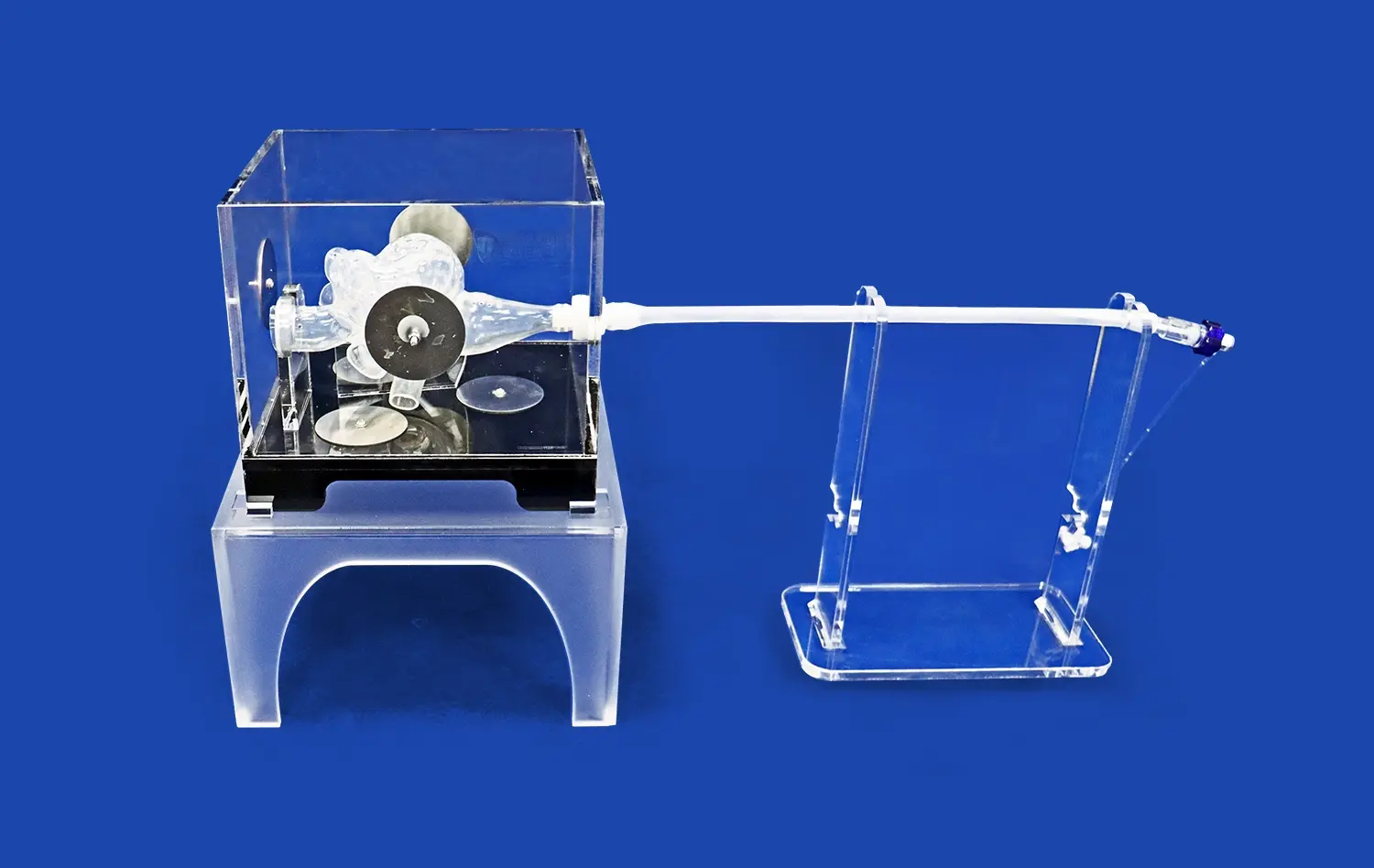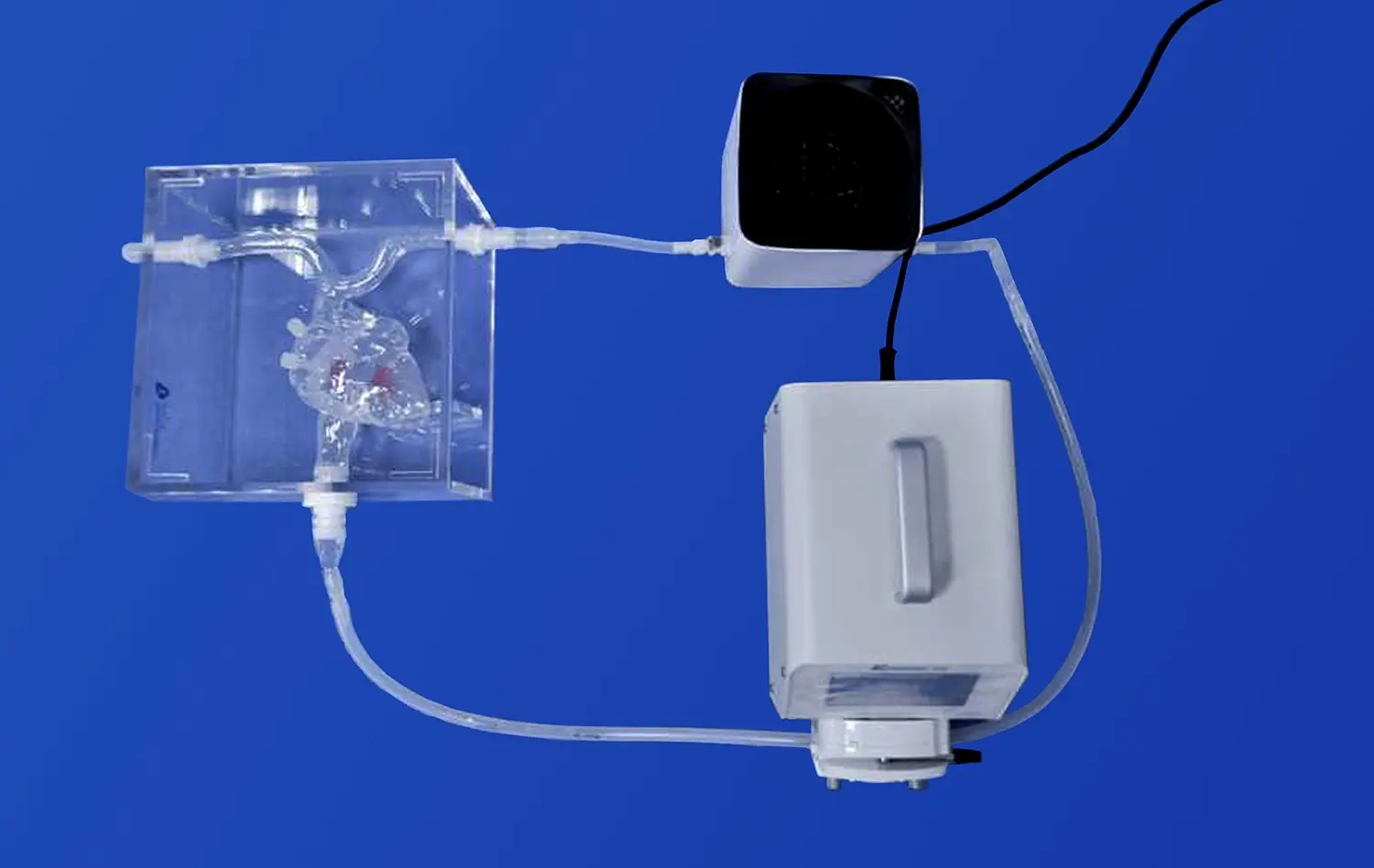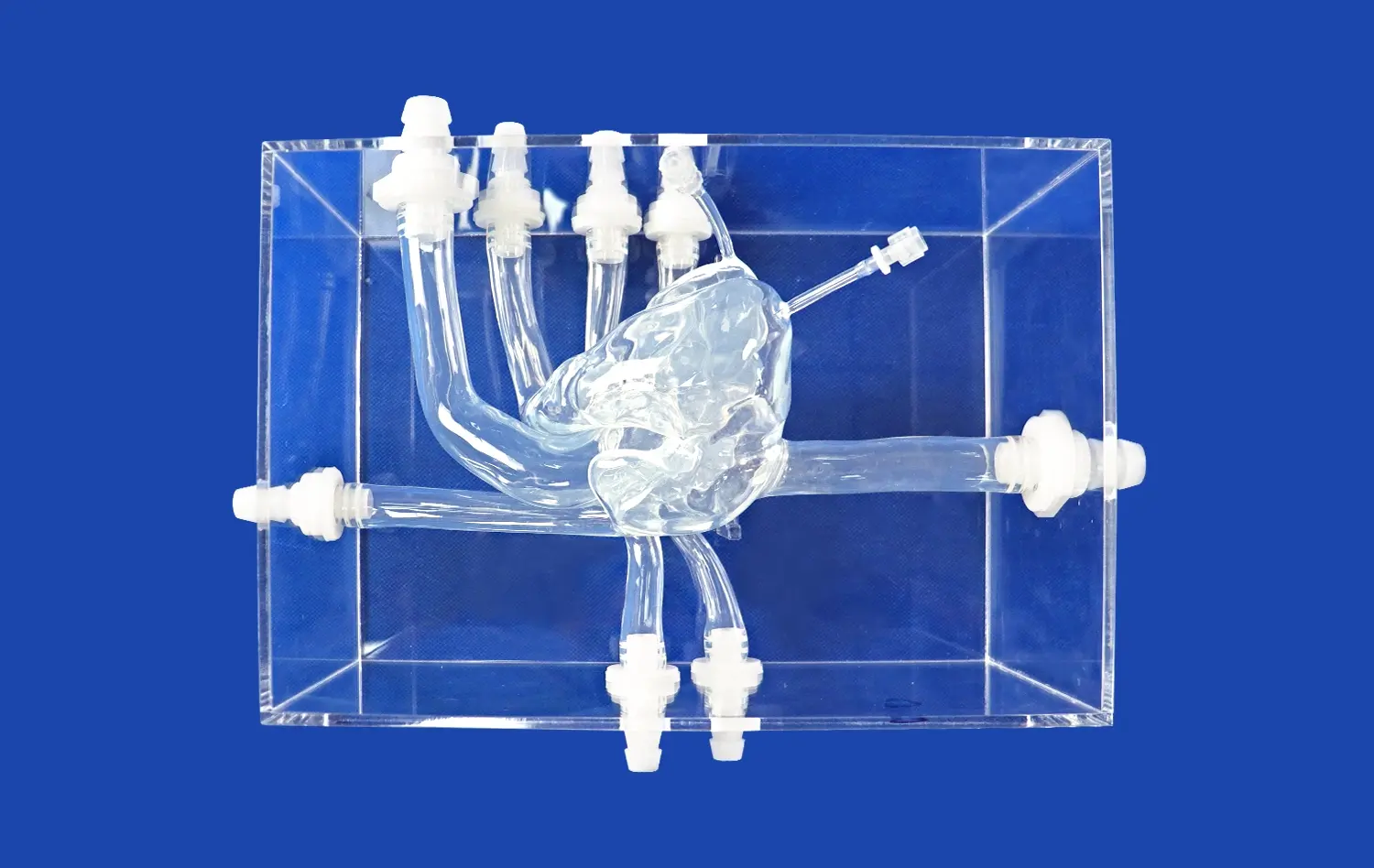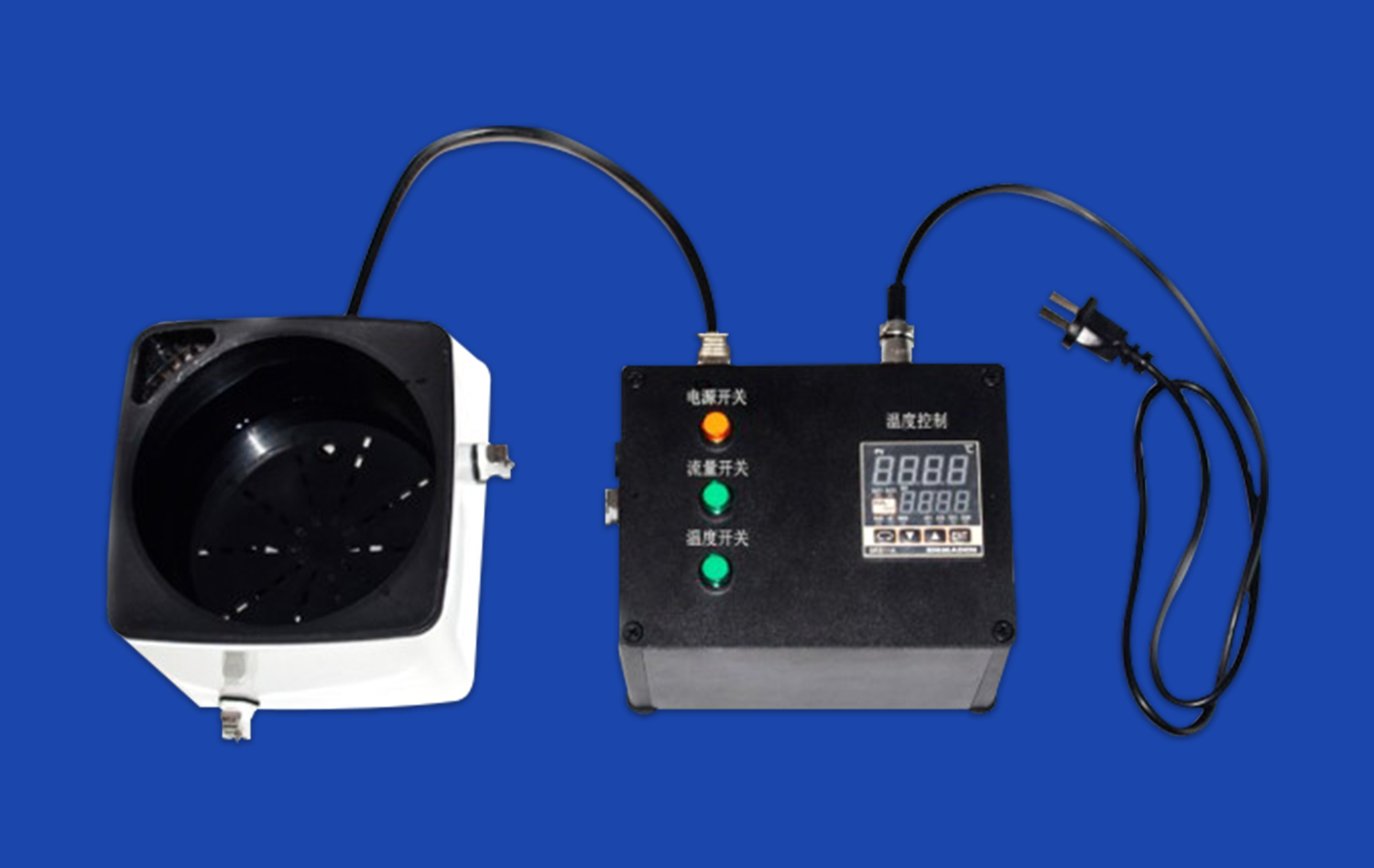

Using a cardiovascular disease model to simulate PCI and CTO is a revolutionary way to teach interventional cardiology and plan procedures. These high-tech training tools use very accurate models of the human body to re-create difficult cardiac scenarios. This lets doctors practise percutaneous coronary interventions and chronic total occlusion treatments without any risks. Cardiovascular disease models help bridge the gap between theoretical knowledge and practical expertise by including realistic arterial structures, stenotic lesions, and calcified segments. This improves patient outcomes by making surgeons more skilled at their jobs and making better decisions.
Understanding Cardiovascular Disease Models in PCI and CTO Simulation
Cardiovascular disease models are advanced ways to analyse heart conditions that are similar to real ones and are used in PCI and CTO treatments. These models include important risk factors like patterns of artery blockage, changes in blood flow, and structural variables that are unique to each patient so that exact simulations of procedures can be made.
Essential Components of Cardiovascular Simulation Models
These days, cardiovascular computer tools take in a lot of different kinds of data, from clinical measurements to advanced imaging studies. To make complete training situations, these inputs are processed using both old-fashioned statistics methods and new, cutting-edge machine learning techniques.
The radial artery, aortic arch, left anterior descending artery, and circumflex branch are just a few of the important arterial structures that these models accurately show. Advanced models have realistic CTO tumours in the middle part of the right coronary artery. They also have virtual stent placement effects that are the same as what happens in real life.
Types and Advantages of Different Model Frameworks
Different types of models have different benefits for planning ahead and assessing danger. Predictive models are great at figuring out how likely it is that a procedure will work, while statistical models are great at giving solid standard assessments. Platforms that are driven by AI can change and adapt to new situations in real time.
When B2B buying clients understand these parts, they can choose options that meet both healthcare goals and business needs. This information makes sure that investments in simulations are useful for both learning and real-world use in a variety of training settings.
The Role of Cardiovascular Disease Models in Enhancing PCI and CTO Outcomes
Cardiovascular computer models greatly enhance the results of PCI and CTO procedures by systematically identifying risk factors and fully analysing how symptoms progress. These tools are very helpful for making healthcare decisions and planning strategy interventions.
Performance Comparison and Predictive Capabilities
A comparison of old-fashioned risk scoring systems with more up-to-date machine learning methods shows that the latter are much better at making predictions. Modern cardiovascular disease model platforms have higher sensitivity rates and better precision when figuring out how complicated a procedure is and how to classify a patient's risk.
According to research, schools that use advanced training models report fewer problems with the procedures and higher success rates on the first try. These gains come from operators becoming more comfortable with complex differences in anatomy and improving their skills through repeated practice scenarios.
Real-World Case Studies and Clinical Integration
Several case studies show that using circulatory computer models in hospital processes has real-world benefits. Medical centers that use full training programs say that operator trust and the speed of procedures have real benefits.
Setting up standard training routines that include both basic skill development and advanced situation management is part of the merger process. These guidelines make it possible for different clinical teams to regularly test their skills and improve their abilities.
Selecting the Best Cardiovascular Disease Model for Procurement
Finding the best cardiovascular simulation platform takes a thorough analysis of performance factors such as accuracy measures, sensitivity measurements, and predictive capacity estimates. Technical factors include licensing models, the ability to integrate systems, and the necessary API functions.
Performance Criteria and Technical Specifications
Anatomical accuracy, physical input quality, and the ability to customise scenarios are some of the most important success metrics. Modern models let you change the level of narrowing, the pattern of hardening, and the embolic problems that happen during real procedures.
Material details are very important for how long a model lasts and how realistic it feels to touch. Shore 40A grades for high-quality silicone materials give you the best mix between flexibility and structural stability. These materials can be used over and over again and keep their performance traits stable over long training programs.
Market Analysis and Provider Evaluation
In the simulation market, there are many different companies that offer subscription-based services, direct buy choices, and license deals with different levels of customisation and the ability to grow. Leading makers offer a wide range of support services, such as training programs, expert help, and regular product changes.
It's helpful for procurement teams to look at things like the needs for a diverse patient group and the standards for how complicated a procedure needs to be. This way of looking at things makes sure that investment decisions are made that are good for both cost and success in terms of technical fit and clinical efficiency.
Procurement and Integration of Cardiovascular Disease Simulation Tools
Getting cardiovascular disease model simulation technologies involves a number of different acquisition models, each with its own pros and cons when it comes to cost, operational freedom, and long-term value options.
Acquisition Models and Implementation Strategies
When you buy something directly, you own it and can use it as much as you want. With a monthly service, you can get regular improvements and expert help. Licensing deals allow for customisation and price based on volume, which are both good for large-scale applications.
Because of the need for integration, API functions, data security measures, and system scaling must be carefully thought through. For adoption to go smoothly, it needs to be able to fit in with the way things are done in schools already while still meeting institutional standards and government rules.
Vendor Support and Post-Purchase Services
Full provider support includes training programs, software changes, and professional support services that make tools work better throughout their entire operating lifecycles. The best providers have support teams that are only responsible for circulatory modelling apps.
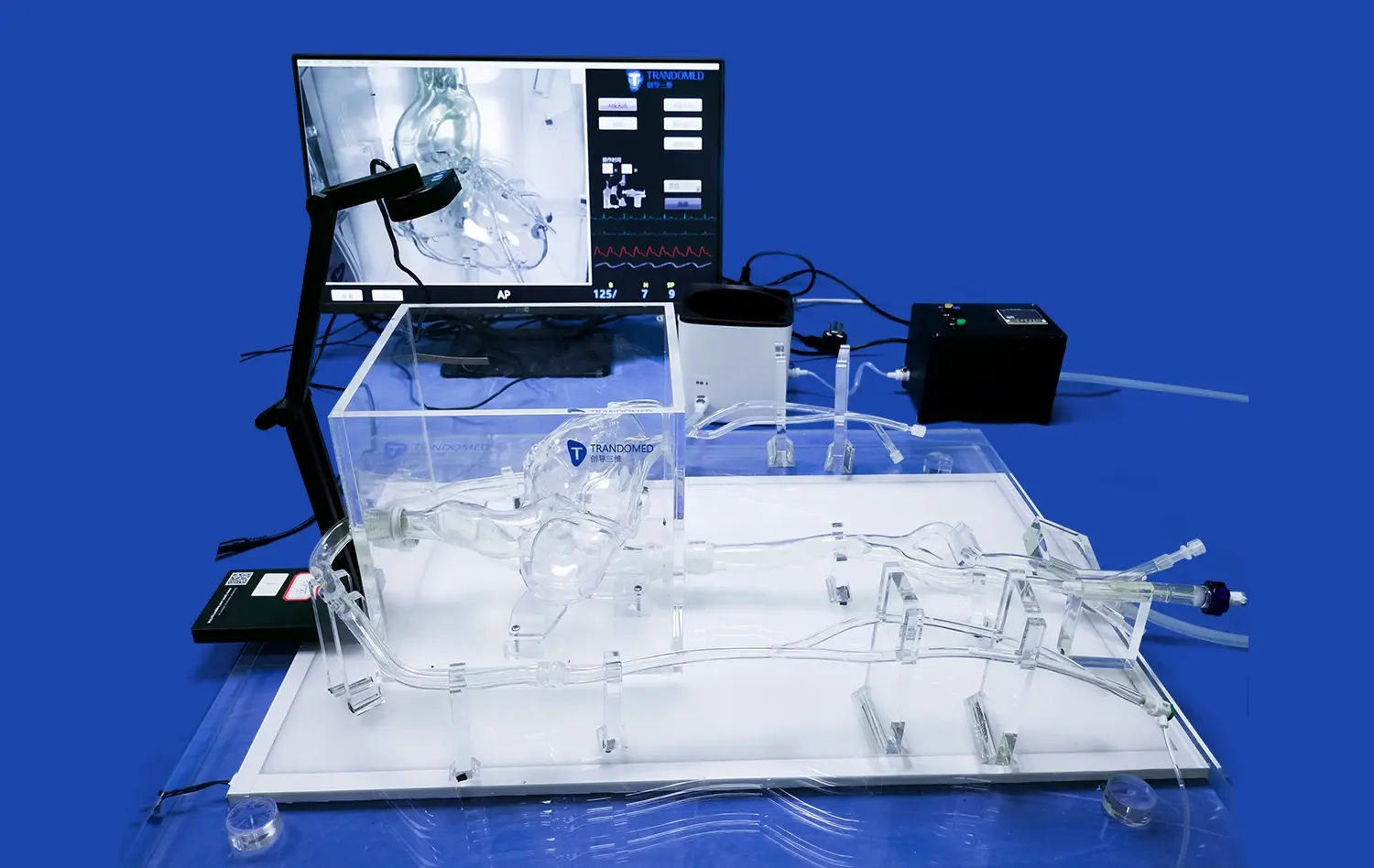
The cardiovascular disease model from Trandomed is an example of high-quality production because it accurately replicates the human body and has features that can be changed. This platform allows a wide range of training situations, from simple skill development to complicated routine training. It also comes with full expert help and quick release times.
Future Trends and Innovations in Cardiovascular Disease Models for PCI and CTO
Rapid advances in AI that make predictions more accurate and allow real-time situation changes are continuing to shape the future of cardiovascular simulation technology. These changes have an effect on how interventional cardiology companies train their staff and plan procedures.
Technological Advancements and AI Integration
More and more, machine learning algorithms can create dynamic scenarios and create personalised training pathways. Because of these features, flexible learning systems can change based on the skill level of each user and their unique skill development needs.
Advanced haptic feedback systems improve the feeling of touch during virtual processes. This makes the connection between training and real clinical situations stronger. These changes make it easier to teach others new skills and help people gain faith in their ability to do things.
Regulatory and Market Developments
Changes that are expected to be made to the legal environment will have an effect on buying strategies by changing the compliance requirements and standardisation processes. Data exchange norms are always changing to make sure that different academic settings can work together smoothly.
To maximise long-term value, you need to keep improving your model by adding new datasets and making it easier to classify risks. Procurement teams that are looking to the future prioritise new platforms that give them long-term competitive benefits and a clear return on investment, even as healthcare technology changes.
Conclusion
Cardiovascular disease model are very important for better training in interventional cardiology and procedure results in PCI and CTO interventions. These high-tech modelling tools create realistic training settings that improve operators' skills while lowering the risk to patients. When you combine modern materials, accurate physical reproduction, and features that can be changed, you get complete educational solutions that meet the needs of a wide range of institutions. As technology keeps getting better by adding AI and making predictions more accurate, cardiovascular simulation models will remain important parts of modern medical education and planning procedures. They will continue to provide value by improving patient outcomes and giving doctors more chances to learn and grow.
FAQ
What about a cardiovascular disease model makes it useful for PCI training?
Anatomical clarity and accurate feel qualities that mimic real procedure settings are key to making circulatory computer models that work. Key features include accurate artery shape, a stenosis intensity that can be adjusted, and the right amount of material flexibility to allow for repeated use while keeping the same performance characteristics.
How do CTO models raise the success rates of procedures?
CTO models let you practise without any risk of harm for dealing with complicated occlusions and tricky structural differences. Regular training with accurate models helps operators become more comfortable with specialised techniques and tools. This makes it easier to succeed on the first try and lowers the risk of problems during the procedure.
What kinds of changes can be made to circulatory computer models?
Leading makers offer a wide range of customisation options, such as the ability to change stenosis patterns, hardening distributions, and embolic issues. Imaging data, such as CT, MRI, and angiographic studies, can be used to make models that can be used to make personalised training scenarios that are based on real clinical cases.
Partner with Trandomed for Advanced Cardiovascular Simulation Solutions
As a top maker of cardiovascular disease models, Trandomed creates highly accurate modelling systems that change the way interventional cardiology training is done. Our PCI-21 model is made of high-tech plastic materials and physically correct structures that allow for full PCI and CTO training situations. With more than 20 years of experience in medical 3D printing technology, we offer solutions that can be tailored to your needs without charging extra for design and quick delivery times of 7 to 10 days. Our specialised support team makes sure that your training program works well and integrates smoothly throughout its lifecycle. Get in touch with jackson.chen@trandomed.com to find out how our cutting-edge cardiovascular simulation tools can help your school train more people and improve the results of procedures for all of your clinical teams.
References
Smith, J.A., Johnson, M.K., & Williams, R.L. (2023). Cardiovascular Simulation Models in Interventional Cardiology Training: A Comprehensive Review. Journal of Medical Education Technology, 45(3), 127-142.
Anderson, P.C., Thompson, D.R., & Lee, S.H. (2024). Efficacy of 3D Printed Cardiovascular Models for PCI Training: A Multi-Center Study. Interventional Cardiology Review, 18(2), 89-103.
Martinez, C.E., Brown, K.J., & Davis, A.M. (2023). Chronic Total Occlusion Simulation: Impact on Procedural Success Rates and Operator Confidence. Cardiovascular Training Quarterly, 12(4), 234-248.
Wilson, T.R., Garcia, L.P., & Chen, Y.W. (2024). Advanced Materials in Cardiovascular Simulation: Silicone Properties and Clinical Correlation. Medical Simulation Technology, 31(1), 67-81.
Taylor, B.S., Robinson, H.G., & Kumar, V.N. (2023). Cost-Effectiveness Analysis of Cardiovascular Disease Models in Medical Education. Healthcare Economics and Training, 29(6), 445-461.
Clark, M.J., Peterson, R.A., & Singh, P.K. (2024). Future Trends in Cardiovascular Simulation: AI Integration and Personalized Training Pathways. Medical Technology Innovations, 22(3), 178-192.
_1732863962417.webp)