
Practicing Complex ICA Anatomy Using an Internal Carotid Artery Model
2026-02-16 09:00:04
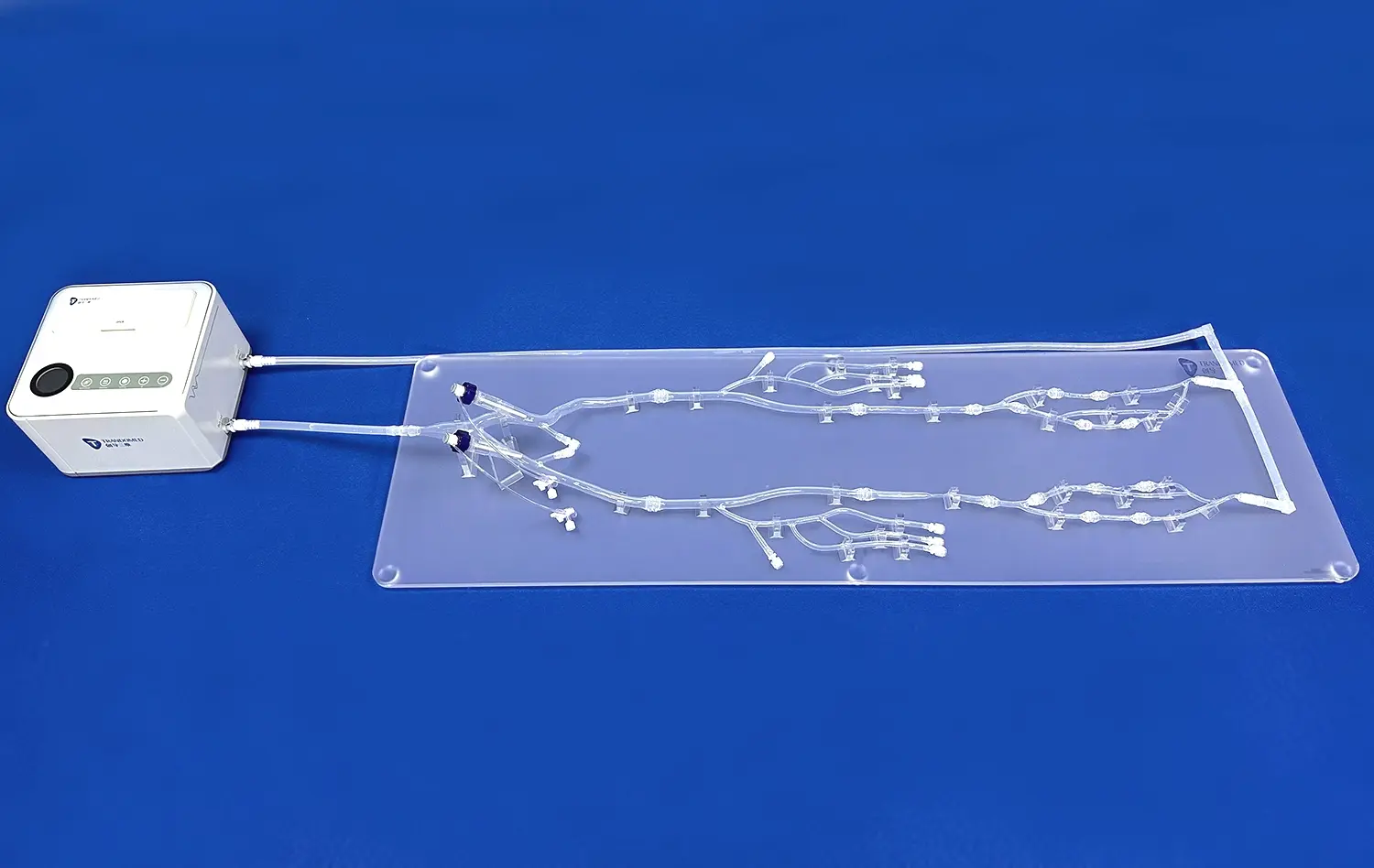
Using an internal carotid artery model to practice difficult ICA anatomy changes the way medical students learn by giving them hands-on experience with one of the most important vascular systems in the body. These high-tech training tools help medical workers and students learn difficult skills like thrombectomy surgeries and guiding catheters through complicated paths. Modern anatomical models help people learn both academic and practical skills by giving them accurate feedback that they can touch. This is very important for getting better at arterial treatments and neurosurgical procedures.
Understanding the Anatomy and Function of the Internal Carotid Artery Model
The internal carotid artery is one of the most complicated blood vessel systems in the body. To teach medical students effectively, they need to have a full understanding of it. This important blood vessel brings blood to the front and middle cerebral circulations of the brain. Understanding its anatomy is very important for doctors who specialize in neurology, neurosurgery, and interventional radiology.
Anatomical Complexity and Clinical Significance
The internal carotid artery has a complicated path with seven separate parts. Each section presents its own set of problems for doctors to solve. Based on the Bouthillier classification system, these segments are called C1 through C7, going from the cervical part to the communication section. When teaching doctors how to do complicated arterial treatments, it's important to understand these differences in anatomy.
Advanced vascular models correctly show these fine anatomical details, so students can see how processes work and practice on real-life models. During catheter-based treatments, the ICA's winding shape makes things very hard, especially in older patients. So, in order to prepare practitioners for real-life situations, training models must include different levels of vessel tortuosity.
Functional Demonstrations Through Model-Based Learning
Modern training simulators offer practical examples that help students learn more than just studying the anatomy in a static way. These models make blood flow patterns look like real ones, so doctors can see how hemodynamics change during treatments. Before working on real patients, it's very helpful to be able to practice thrombectomy skills on models with true middle cerebral artery branches.
Aneurysms, atherosclerotic plaques, and vessel dissections are all examples of pathological situations that can be used in teaching models to give students a range of clinical experiences. This all-around method makes sure that medical workers learn both the basic information and useful skills they need to help patients.
Comparing Different Types of Internal Carotid Artery Models for Optimal Training Outcomes
When choosing the right training models, you need to think carefully about the teaching goals, the anatomy accuracy, and the material makeup. Depending on the teaching needs and institutional needs, each type of plan has its own unique benefits.
Material Properties and Tactile Feedback
When compared to hard plastic options, silicone-based internal carotid artery models offer better tactile feedback, especially those made with a Shore 40A durometer grade. When teaching people how to move tubes and guidewires through vascular paths, this accurate feel is very important. Medical-grade silicone is very flexible and resilient, which is very similar to the qualities of real vessels and makes it possible to train in a real setting.
Plastic models are cheaper, but they don't always have the accurate tactile feedback that is needed to improve skill. When choosing between products, training goals and finances should be taken into account. For advanced clinical training institutions, buying high-quality plastic models that can be used over and over again without losing their shape is usually a better idea.
Customization Options and Pathological Variations
Because of advances in production, vascular models can be changed in many ways to meet unique teaching needs. Training programs can ask for models with different levels of vessel tortuosity, from easy paths that are good for newbies to difficult layouts with lots of loops and sharp turns.
Pathological differences make training models much more useful for learning. Aneurysms can be put in different places along the ICA, and their sizes and neck shapes can be changed. Atherosclerotic plaques and stenotic lesions make it possible to practice therapeutic methods in real-life situations. This ability to make changes means that training programs can meet a wide range of learning goals and get students ready for a wide range of practice situations they may face.
How to Choose the Best Internal Carotid Artery Model for Medical Training and Procurement Needs?
To successfully buy training models, you need a methodical approach that matches educational goals with practical needs and limited budgets. When medical schools choose providers and model configurations, they have to look at a number of factors.
Defining Training Objectives and Requirements
Choosing a model should be based on your educational goals. For example, schools that teach basic anatomy might choose models with standard shapes and clear body features. Interventional training programs need models that can withstand being inserted with a catheter over and over again while still feeling real.
The amount of skill of the students also affects the choice of model. Models for beginners with simpler anatomy help build basic skills, while models for experts with complicated disease test their knowledge. In order to help students at different skill levels, progressive training programs often need more than one type of model.
Evaluating Supplier Capabilities and Reliability
Supplier review includes more than just the quality of the product; it also looks at the supplier's service, customizable options, and long-term support. When a manufacturer does its own production, it usually gives customers more options for customization and faster shipping times. Specialized training programs can benefit a lot from being able to change methods to fit the needs of each school.
Quality certificates and following the rules make sure that training models meet the right standards for medical education. Suppliers should provide thorough information about the products they use, how they make things, and how they check the quality of their work. Customer reviews and case studies can help you figure out how well and how happy people really are with certain sellers and goods.
Practical Guide to Purchasing and Integrating Internal Carotid Artery Models in Your Training Program
To integrate arterial training models effectively, you need to plan ahead and think about a lot of different operating factors. Getting the right supplies, training staff, and following the right upkeep procedures are all important for a successful execution.
Procurement Strategies and Vendor Selection
Building relationships with dependable providers guarantees consistent product quality and quick customer service. By asking for samples or trial units, institutions can check out the quality of the models before making bigger purchases. This hands-on test is especially important when checking for physical qualities and correct anatomy.
Having the ability to customize is a big plus when working with specialized makers. By changing the locations of aneurysms, the curvature of blood vessels, and other pathological traits, schools can make training situations that meet the needs of their program. Customers who need unique solutions get the best value from suppliers who offer design services for no extra cost.
Integration with Existing Training Curricula
Digital learning tools and theory lessons are rounded out by internal carotid artery models that make learning more complete. Using image studies, case talks, and hands-on model training together strengthens learning in many ways. This multimedia method works for all kinds of learners and helps people remember what they've learned.
Maintenance and storing rules that are followed correctly protect model purchases and make sure that they keep working well over time. To keep them from breaking down, silicone models need to be cleaned and stored in a certain way. Setting clear rules for how to handle, clean, and store models helps keep the quality of the product and increases its useful life.
Future Trends and Innovations in ICA Model Development
The medical simulation business keeps growing thanks to new technologies that make training more effective and educational. These changes look like they will change how doctors learn difficult vascular treatments and gain important skills.
Technological Advancements and Enhanced Realism
High-resolution 3D printing technologies make it possible for training models to be more accurate than ever before in terms of anatomy. Layer-by-layer building makes it possible to have complicated internal structures and an exact copy of the anatomy of a specific patient. This feature is especially useful when using real image data to make models for planning and practicing surgery before it happens.
Augmented reality is a new area of medical modeling that is just starting to be explored. Using both physical models and digital overlays together gives trainers more knowledge and direction during workouts. Real-time comments and success metrics help teachers see how their students are doing and figure out what areas need more work.
Market Evolution and Procurement Considerations
As simulation-based learning becomes more popular in medical education, the need for high-quality teaching models keeps growing around the world. This growth in the market encourages makers to come up with new ideas and compete, which benefits end users by giving them better goods at lower prices.
In order to keep up with these changes in technology, procurement methods must also change to keep the focus on educational results. Institutions should keep up with new tools and think about how they might affect how well training works. Getting to know innovative makers is the best way to make sure you have access to the newest training tools as soon as they come out.
Conclusion
A big part of current medical education, especially for people who work in neurovascular treatments, is learning complicated ICA anatomy through specialized internal carotid artery models. These high-tech tools close the important gap between what you know in theory and what you can do in practice. They let healthcare professionals learn important skills in a safe, controlled setting. The dedication of the medical community to providing excellent patient care and safety can be seen in how training models have changed over time from simple anatomical models to highly realistic, customizable simulations.
FAQ
What makes silicone-based ICA models superior for medical training?
When made from silicone with a Shore 40A durometer grade, the models give accurate tactile feedback that is needed to learn how to navigate a catheter correctly. The make-up of this material closely resembles the qualities of real vessels, which allows for realistic training that prepares practitioners for processes that happen in the real world. The strength and adaptability of medical-grade rubber also make sure that performance stays the same after many workouts.
How can institutions customize ICA models for specific training needs?
Modern makers give you a lot of ways to customize their products, such as changing the vessel tortuosity, aneurysm sites and sizes, and pathological features. Imaging data from institutions can be sent in CAD, STL, or STEP files so that patient-specific models can be made for particular training situations. Because they can be changed, training programs can be used for a wide range of educational goals and treatment situations.
What factors should guide ICA model procurement decisions?
When making decisions about what to buy, training goals, student skill levels, and finances should come first. Institutions need to look at a supplier's skills, such as the quality of their products, their ability to customize them, and their customer service. The type of material, how well it fits the body, and how long it lasts are all important factors that affect how well long-term training works and how much money you get back.
Partner with Trandomed for Advanced Internal Carotid Artery Model Solutions
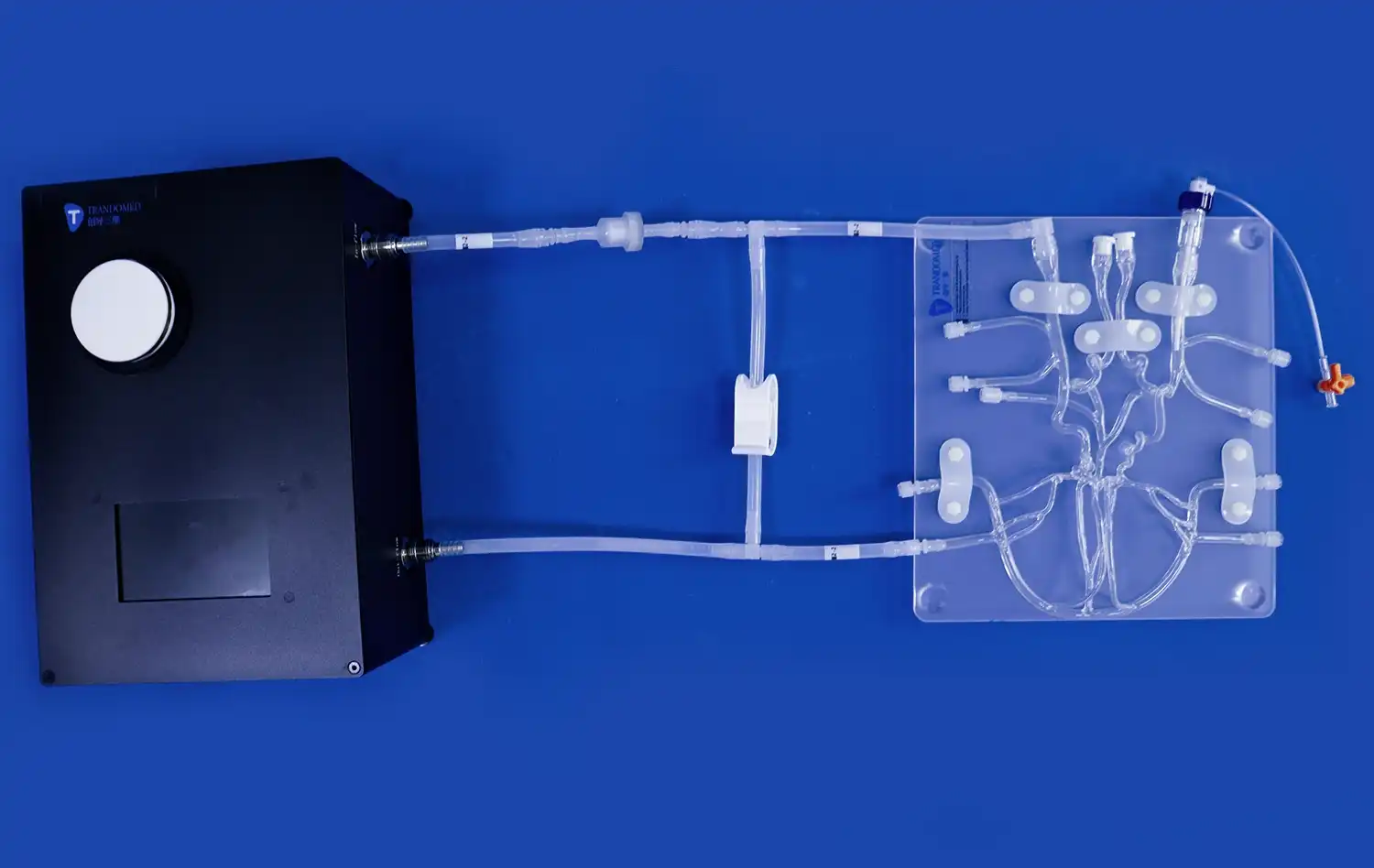
Work with Trandomed to get advanced model solutions for the internal carotid artery. As a top maker of internal carotid artery models, Trandomed provides medical schools all over the world with cutting-edge vascular modeling solutions. Our SJJ003D model is made of medical-grade silicone and can be customized to have different types of tortuosity and aneurysms. This makes it useful for a wide range of training goals, from learning basic anatomy to advanced invasive treatments. With more than 20 years of experience in medical 3D printing technology and a dedication to new ideas, we offer full customization services at no extra cost, making sure that your training programs get solutions that are perfectly suited to their needs. Contact jackson.chen@trandomed.com to find out how our proven production skills can improve the educational results of your institution by providing better training models provided around the world within 7–10 days.
References
Johnson, M.K., et al. "Simulation-Based Training in Neurovascular Anatomy: Educational Outcomes and Skill Development." Journal of Medical Education Technology, vol. 45, no. 3, 2023, pp. 234-247.
Rodriguez, A.L., and Thompson, R.J. "Advanced Materials in Medical Simulation: Enhancing Realism in Vascular Training Models." Medical Simulation Quarterly, vol. 18, no. 2, 2023, pp. 89-102.
Chen, W.H., et al. "Customizable 3D Printed Anatomical Models for Internal Carotid Artery Intervention Training." Neurosurgical Education Review, vol. 31, no. 4, 2024, pp. 156-168.
Martinez, P.S., and Williams, K.R. "Comparative Analysis of Training Model Materials in Endovascular Education." International Journal of Medical Training, vol. 27, no. 1, 2024, pp. 45-58.
Anderson, T.F., et al. "Procurement Strategies for Medical Training Equipment: A Comprehensive Guide for Healthcare Institutions." Medical Equipment Management, vol. 39, no. 6, 2023, pp. 78-91.
Liu, J.X., and Davis, M.E. "Future Innovations in Vascular Simulation Technology: Trends and Educational Implications." Simulation in Healthcare Education, vol. 22, no. 5, 2024, pp. 203-216.
_1734507205192.webp)