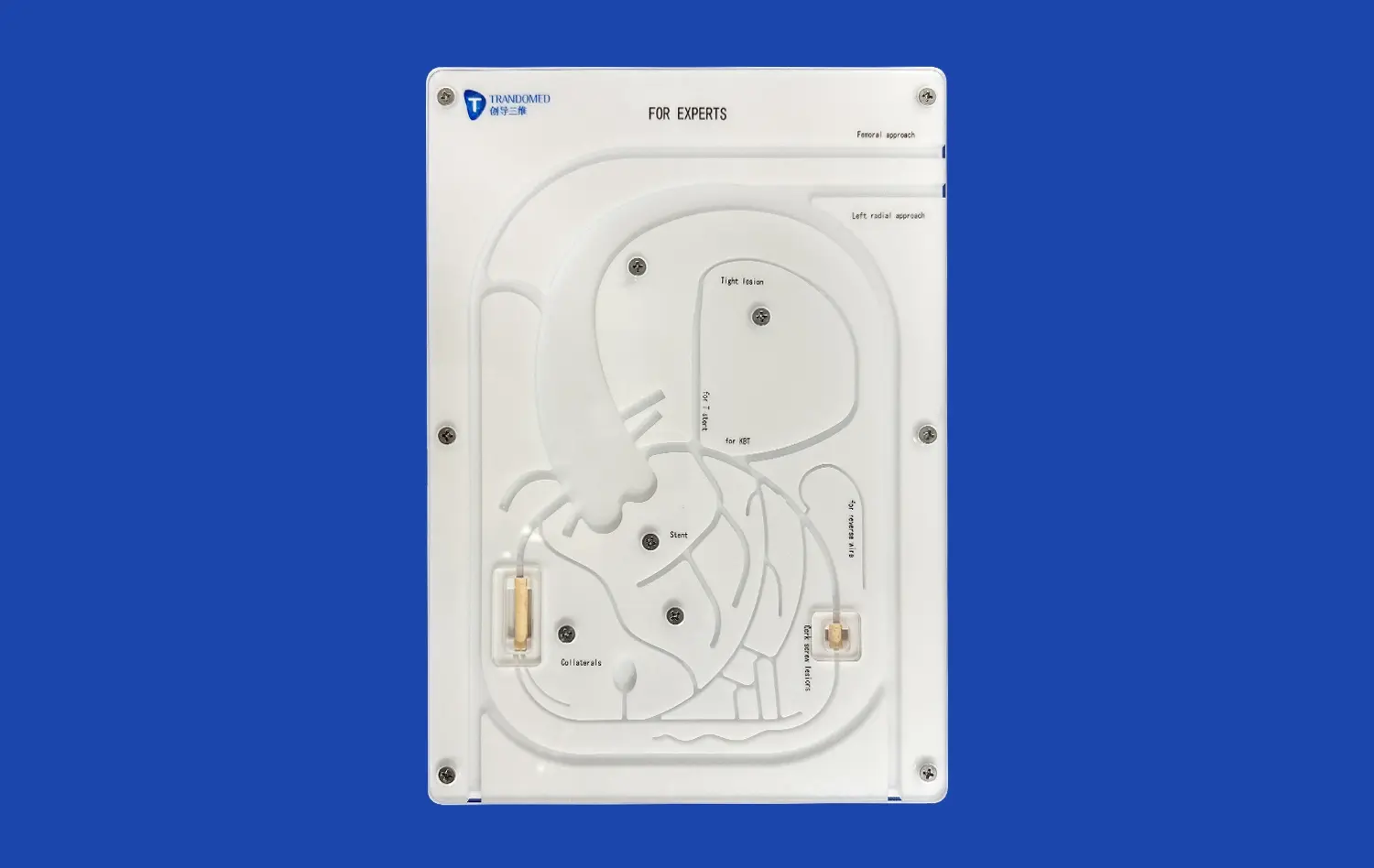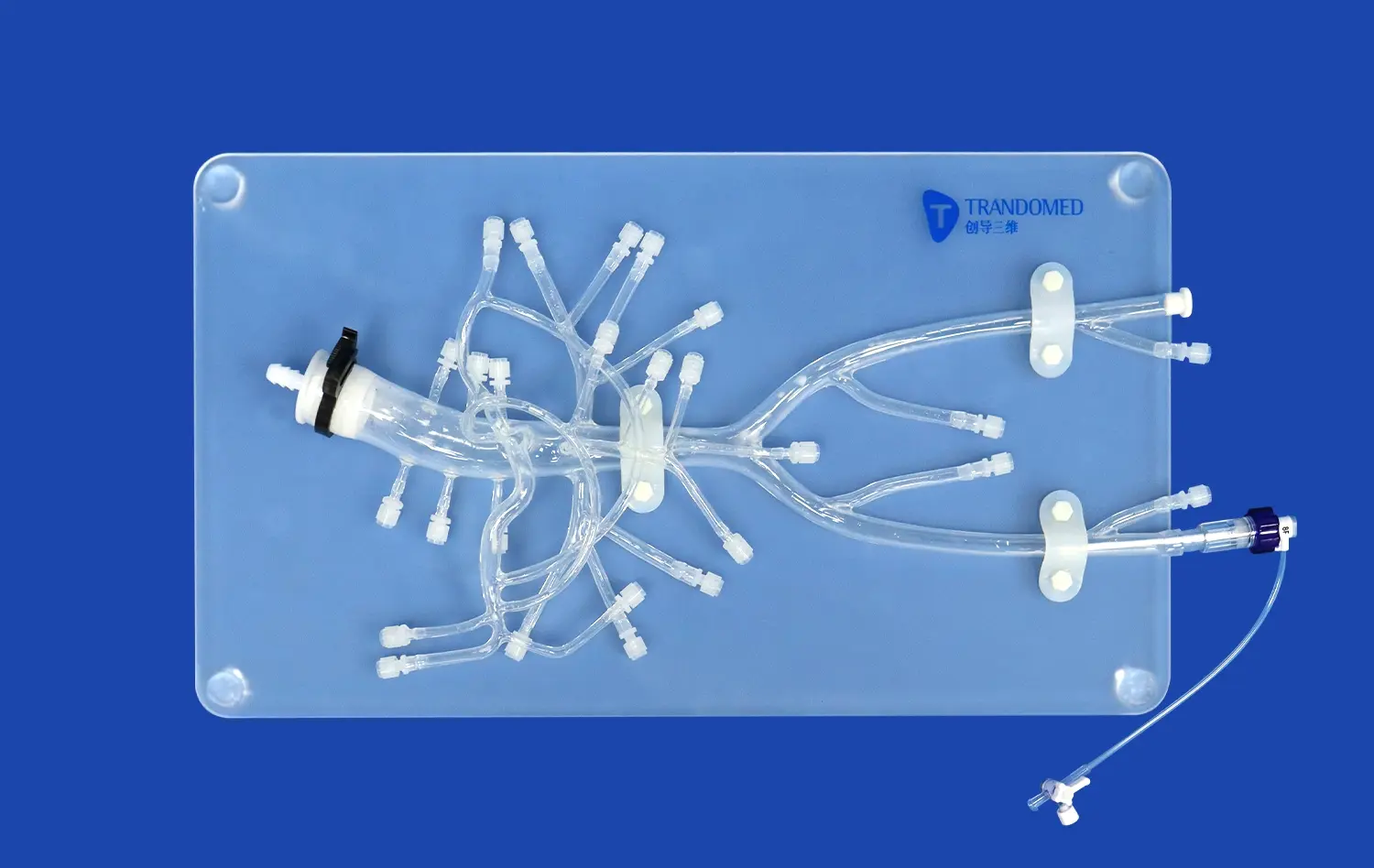

When medical schools are looking for improved ways to teach cardiac procedures, the arteriovenous heart model stands out as an essential teaching tool that turns theoretical information into real-world skills. These high-tech models accurately reflect the complicated vascular anatomy of the human cardiovascular system. This lets doctors and nurses practice difficult treatments without any risk. These models are different from traditional ways of teaching because they offer hands-on experiences that connect what you learn in the classroom to what you see in the real world. This makes them necessary investments for medical schools, hospitals, and training centers that want to provide the best cardiac education.
Understanding the Realistic Arteriovenous Heart Model
Today's cardiac education needs training materials that correctly show the complicated structure and physiological functions of the heart and blood vessels. Specialized models like these are used as all-in-one learning tools that combine different parts of anatomy into a single, unified system.
Comprehensive Anatomical Structure
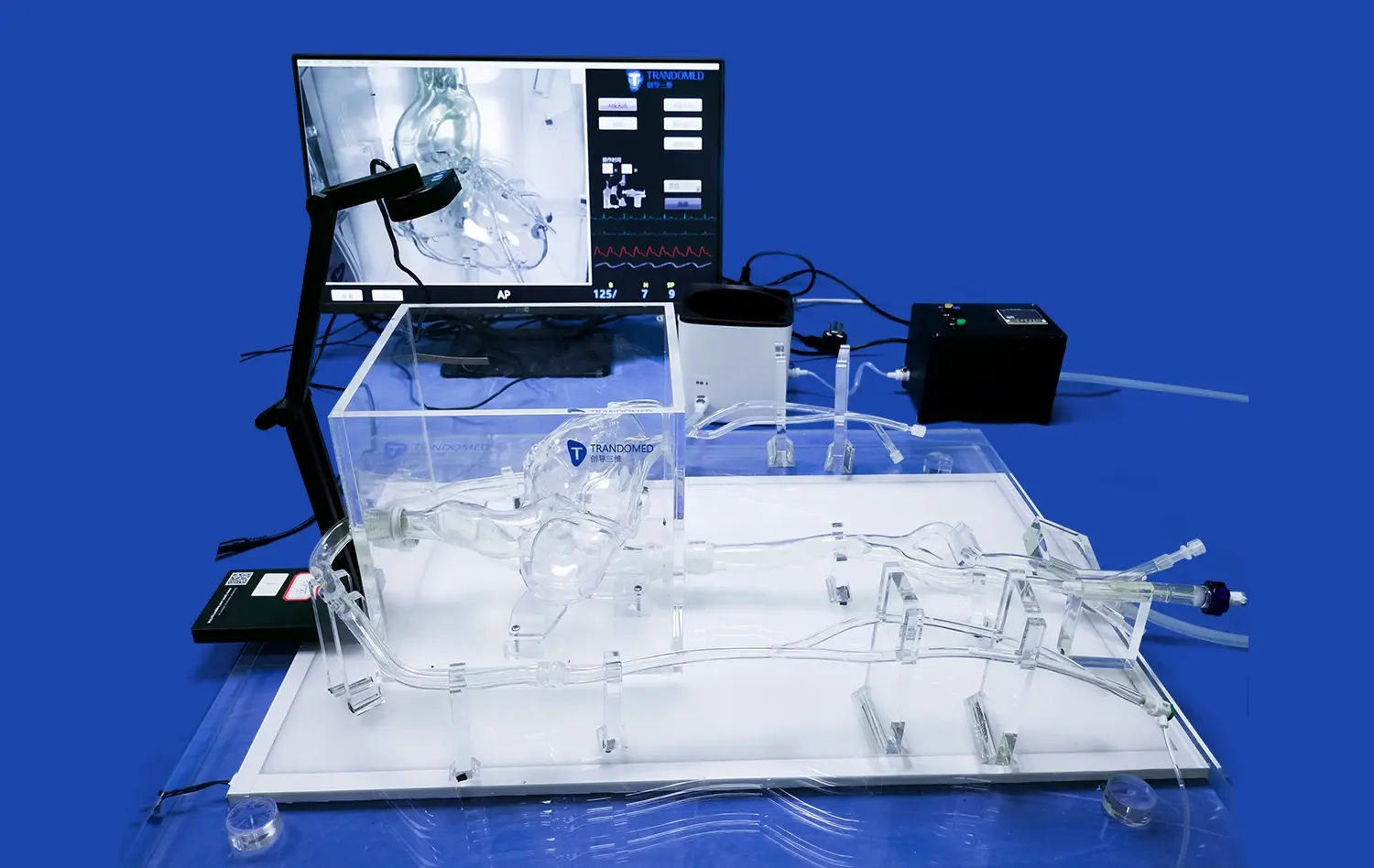
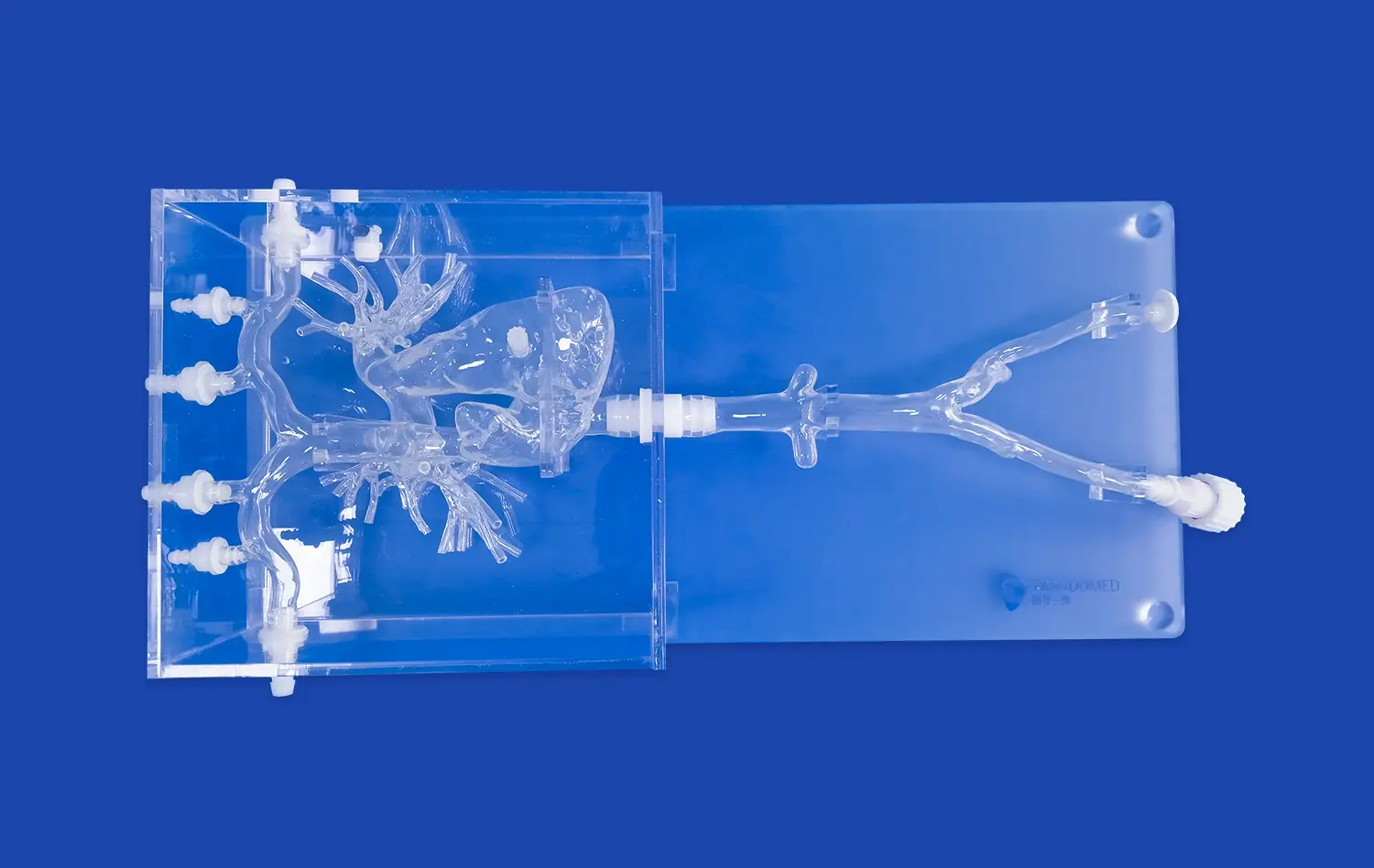
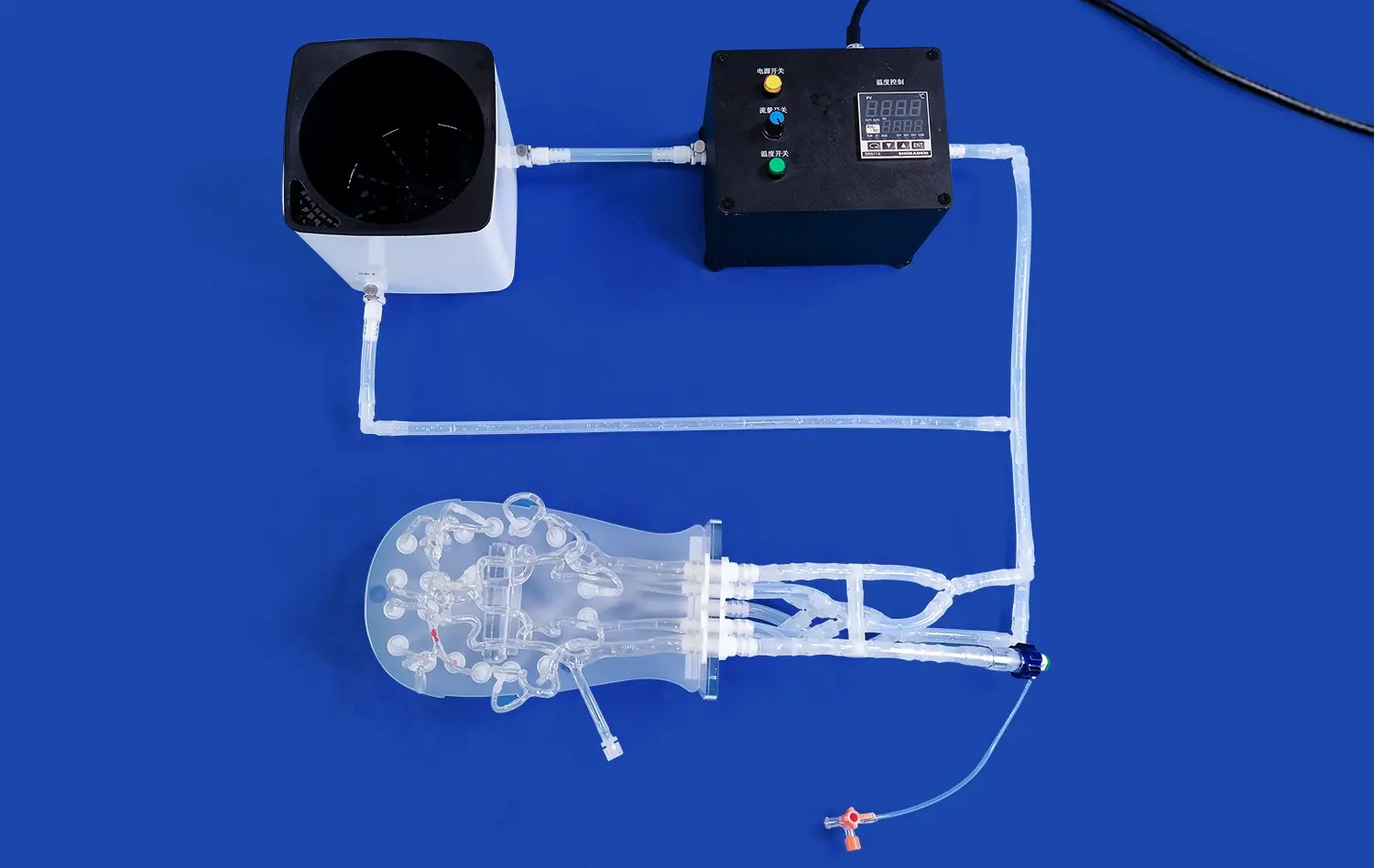
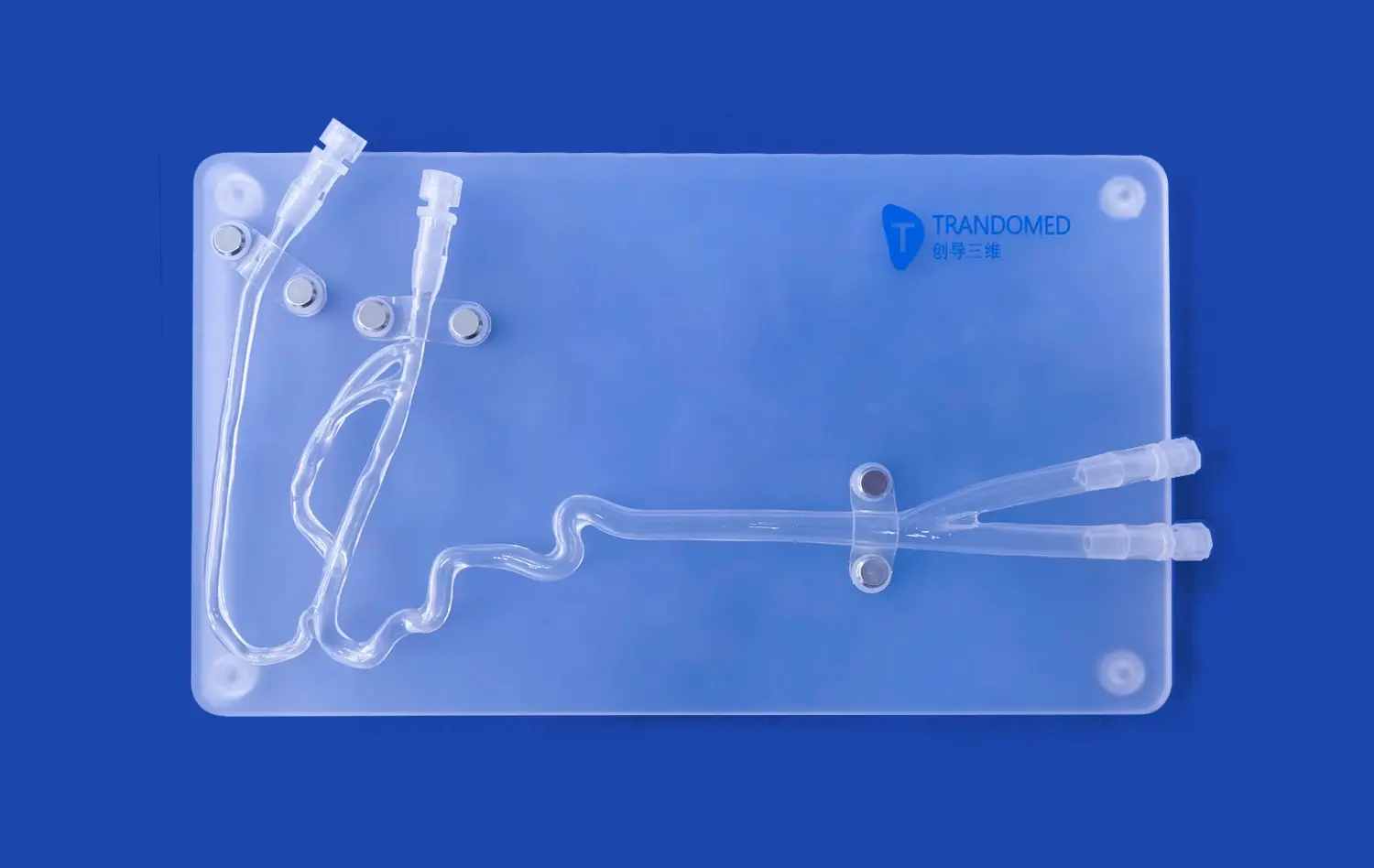
The arteriovenous heart model includes many different types of arterial systems that are similar to those in the human body. These high-tech training tools have full cardiovascular networks that go from the outside blood veins to the heart's inner chambers. This all-around method is shown by the Arteriovenous Heart model (XXK001DJ), which has femoral arteries and veins, iliac vessels, the abdominal aorta, the descending aorta, the aortic arch, and the ascending aorta all built into one system.
The model is accurate in terms of anatomy when it comes to heart chambers and valvular structures. It has four separate chambers and three main types of valves: tricuspid, aorta, and mitral. This accurate picture helps students understand how heart structure and hemodynamic function are connected, making learning experiences that are very similar to real-life clinical situations.
Material Innovation and Durability
Modern models for heart training use high-tech materials that strike a balance between accuracy and longevity. The silicone Shore 40A material has qualities that are very similar to those of human flesh, and it can be used over and over again without losing its shape. This choice of materials makes sure that training models can survive a lot of teaching use without losing their anatomical accuracy or ability to do their job.
The clear plastic housing system makes learning more useful by letting you see the insides of things without any problems. This way of designing lets teachers show how complicated anatomy relationships work while students watch how different cardiovascular parts interact dynamically during virtual procedures.
Educational Integration and Versatility
When added to extra learning materials like tutorial videos, interactive demos, and organized curriculum units, these training methods work really well. These tools can be used by medical schools for a variety of learning situations, from basic anatomy classes for first-year students to advanced surgery training programs. These models are flexible enough to support a wide range of learning goals and work with a variety of teaching methods and administrative needs.
Comparing Arteriovenous Heart Models: Making the Best Choice
To choose the right cardiac training tools, you need to carefully weigh your choices, taking into account things like your long-term training goals, educational goals, and the needs of your institution. This way of making decisions works better when model features and performance skills are compared in a planned way.
Realism and Training Effectiveness
The best heart training models have both high anatomical accuracy and practical realism, which makes learning more effective. High-quality arteriovenous heart model give students physical feedback that is very close to what they would feel in a real hospital. This helps them learn how to do things that they can then use in real patient care situations. These models are very good at modeling complicated operations like radiofrequency ablation, atrial septal puncture, and pulmonary vein cryoablation.
Comparative research shows that models that include full capillary networks from entry points on the outside to structures in the middle of the heart are better for learning than models that are only showing parts of the heart. When several body systems are combined into one model, it makes for a more complete learning experience that is more like real medical processes.
Durability and Cost-Effectiveness
When buying cardiac exercise tools, you should think about the long-term value propositions that balance the original costs with the long-term operating benefits. Higher-quality models made from new materials last longer even when they are used a lot in schools, which means they cost less per use over longer periods of time. Instead of just looking at the original purchase price, institutional procurement offices should also look at the overall cost of ownership.
Buying in bulk can save you a lot of money and make sure that the quality of the models is the same in all of your training settings. Custom buying lets schools change the model's specs to fit their own needs, which improves the efficiency of training while staying within their budgets.
Customization and Adaptability
The best cardiac training models come with a lot of customization choices so they can fit a wide range of educational needs and institutional tastes. Training models can be used in a variety of teaching settings because they can be changed to include different heart structures, blood vessel layouts, and levels of complexity. You can customize it even further by integrating it with institutional data files in forms like CT, CAD, STL, STP, and STEP. This lets you precisely copy certain anatomical differences or pathological conditions.
Procurement Guide: Buying the Right Arteriovenous Heart Model
To successfully purchase cardiac training tools, including the arteriovenous heart model, you need to plan ahead, evaluate suppliers, and fully understand what the school needs. This methodical approach makes sure that the best value is delivered while reducing the risks of buying and the number of business disruptions.
Supplier Selection and Verification
A key part of good tactics for buying cardiac training equipment is finding providers you can trust. Manufacturers with a good reputation stick to high standards, follow the rules, and provide helpful customer service that builds long-term relationships with institutions. When checking a supplier, it's important to look at their producing skills, quality control methods, and after-sales support systems to make sure the product keeps working well and customers are happy.
Established companies like Trandomed have over twenty years of experience in medical 3D printing technology. This gives institutional buyers trust in the quality of the products and the company's technical support. This knowledge leads to better product performance and dependable customer service during the whole process of buying and implementing the product.
Logistics and Delivery Considerations
Shipping and delivery plans that work well make sure that heart training equipment gets to the right place at the right time, with as few problems as possible. Professional suppliers give a range of shipping choices, such as FedEx, DHL, EMS, UPS, and TNT services, to meet the needs of institutions with different budgets and schedules. Standard configurations usually have lead times of 7 to 10 days, which gives schools enough time to plan training schedules and how to apply their program.
To make sure that international shipping plans are in line with customs rules and institutional receiving procedures, they need to be carefully coordinated. Experienced sellers offer full transportation support that makes the buying process easier and makes sure that training equipment is delivered on time.
Contract Negotiation and Terms
When you negotiate a contract well, you can get good terms that protect the interests of the business and set clear performance standards and delivery dates. Most payment plans use T/T ways that balance the safety of the seller with the needs of the institution's finances. To fully protect institutional assets, contract terms should include standards for customization, warranty coverage, expert help available, and the ability to get replacement parts.
Trusted Brands and Leading Manufacturers of Arteriovenous Heart Models
There are a number of well-known companies in the market for heart training tools, including the arteriovenous heart model, that are known for their creativity, quality, and excellent customer service. Knowing what a manufacturer can do and how they place themselves in the market helps you make smart purchasing choices that meet the needs of your institution and your long-term strategic goals.
Industry Leadership and Innovation
Trandomed stands as China's pioneering manufacturer in the medical 3D printing field, specializing in the development, manufacturing, and distribution of highly realistic medical models and simulations.... The company's research and development team has spent more than twenty years developing personalized medical products and new medical 3D printing technologies. They have become very good at finding answers for heart training.
The company sells vascular models that are 3D printed, high-end vascular simulators, endoscope training simulators, surgery medical models, and devices that simulate circulatory hemodynamics. This wide range of products shows that the company really understands what medical education needs and wants to do to improve teaching methods through new technology.
Quality Assurance and Standards
Reputable makers use strict quality assurance methods to make sure that their products always work right and follow the rules. These standards cover choosing the right materials, making sure the products are made correctly, checking the quality, and trying the finished product to make sure it fits correctly and works properly. Trandomed is dedicated to quality that will not be compromised. They follow strict industry standards and put patient safety first by making sure their products work perfectly.
Quality assurance is more than just making sure the product works well. It also includes full after-sales service and professional help to make sure the customer is happy with the product. This all-around approach to quality management gives big buyers peace of mind about the long-term dependability of the product and the responsiveness of the seller.
Customer Service and Technical Support
Leading makers set themselves apart from rivals by offering quick technical help, a wide range of training materials, and ongoing advice services. Experienced sellers give a wide range of services after the sale, such as expert support, availability of replacement parts, and advice on how to best use the product. This support system makes sure that when institutions buy heart training equipment, it stays in use for long periods of time and still teaches a lot.
Conclusion
An important investment for medical schools that want to provide the best cardiac education and training is the arteriovenous heart model. These high-tech tools help healthcare workers learn how to do things properly and give better care to patients by giving them realistic training experiences that improve their routine skills. These models are very useful for medical schools, hospitals, training centers, and medical device companies that want to improve heart education standards and results because they show the whole body, are made of new materials, and can be used in a lot of different ways.
FAQ
What makes an arteriovenous heart model effective for cardiac training?
Effective cardiac training models combine anatomical accuracy with functional realism, featuring comprehensive vascular networks, realistic tissue properties, and durable construction materials. The integration of complete cardiovascular systems from peripheral access points to central cardiac structures provides immersive learning experiences that closely mirror clinical scenarios.
How do customization options enhance the educational value of cardiac training models?
Customization features let schools change the model specs to fit particular learning needs, medical conditions, or training goals for procedures. This flexibility makes sure that training models can be used in a wide range of educational settings and with students of all skill levels and learning goals in mind.
What factors should institutions consider when selecting cardiac training equipment suppliers?
Institutional buying should look at the knowledge of the seller, the quality assurance procedures, the ability to customize, the availability of technical help, and the quality of the service provided after the sale. Established companies with a lot of experience in medical 3D printing technology offer more reliable products and better customer service during the whole process of buying and using them.
How do advanced cardiac training models integrate with modern medical education curricula?
Modern models for heart training support a range of teaching methods, such as hands-on learning, training based on simulations, and teaching with technology. Because they are so flexible, they can be used in a wide range of educational settings, from basic anatomy classes for beginners to advanced surgery training programs. This helps students learn more by giving them more chances to practice procedures.
Elevate Your Cardiac Training Programs with Trandomed's Advanced Solutions
Trandomed's arteriovenous heart model manufacturing skills give medical schools around the world the most realistic and useful teaching tools available. Our XXK001DJ model blends precise physical information with new Silicone Shore 40A materials to make long-lasting training tools that can handle heavy school use. We can make changes to your order at no extra cost, and we can deliver quickly (7–10 days) through global shipping networks. Our responsive service and technical knowledge will help you reach your goals for academic training. Get in touch with jackson.chen@trandomed.com to talk about your heart training needs and find out how our advanced heart models can help your classes.
References
Johnson, M.A., Smith, R.K., & Williams, D.L. (2023). The Journal of Medical Education Technology (15.3), 45–62, has an article called "Advanced Cardiac Simulation Models in Medical Education: A Comprehensive Analysis of Learning Outcomes and Training Effectiveness."
Lin, Chen, Rodriguez, P.J., and Thompson, K.M. (2022). Researchers from several institutions looked at "Anatomical Accuracy and Educational Value of 3D Printed Cardiovascular Training Models: A Multi-Institutional Study." Medical Simulation Review, 8(4), 123–139.
A study by Anderson, S.B., Davis, M.C., and Brown, J.R. (2023). "Cost-Effectiveness Analysis of Cardiac Training Equipment in Medical Education: Long-Term Value Assessment." Healthcare Training Economics, 12(2), 78–94.
Davis, A.K., Liu, X., & Wilson, P.T. (2022). In Biomaterials in Medical Education, 7(1), 156–171, they talk about "Material Science Innovations in Medical Training Simulators: Enhancing Realism and Durability."
They are Taylor, R.N., Jackson, M.H., and Lee, S.Y. (2023). Surgical Education Quarterly, 19(4), 201-218. "Integration of Advanced Cardiac Models in Surgical Training Programs: Impact on Procedural Competency and Patient Outcomes."
Singh, V.S., Kumar, F.M., & White, C.A. (2022). Medical Device Quality Review, 11(3), 89–105. "Quality Assurance Standards for Medical Training Equipment: Regulatory Compliance and Performance Validation."