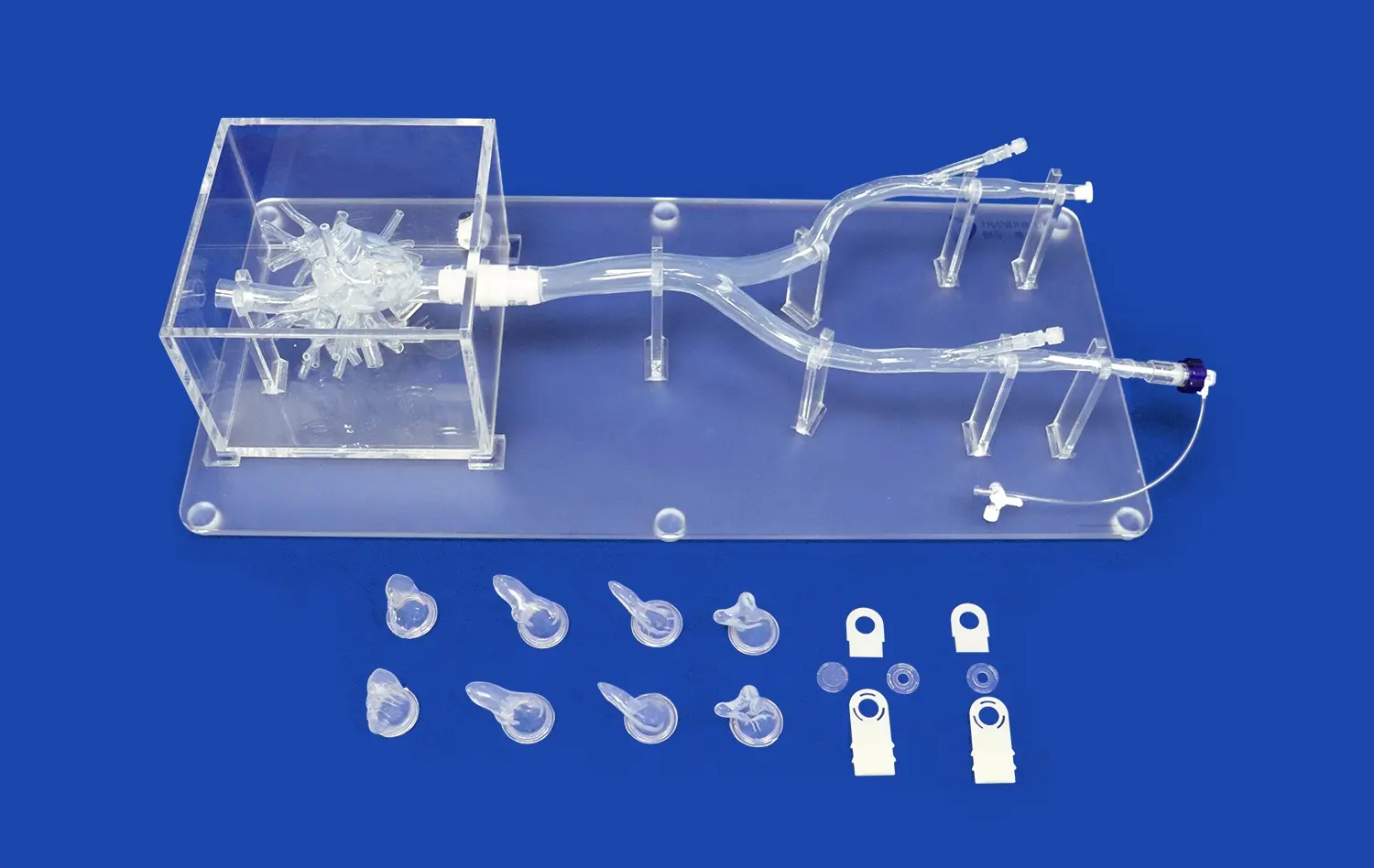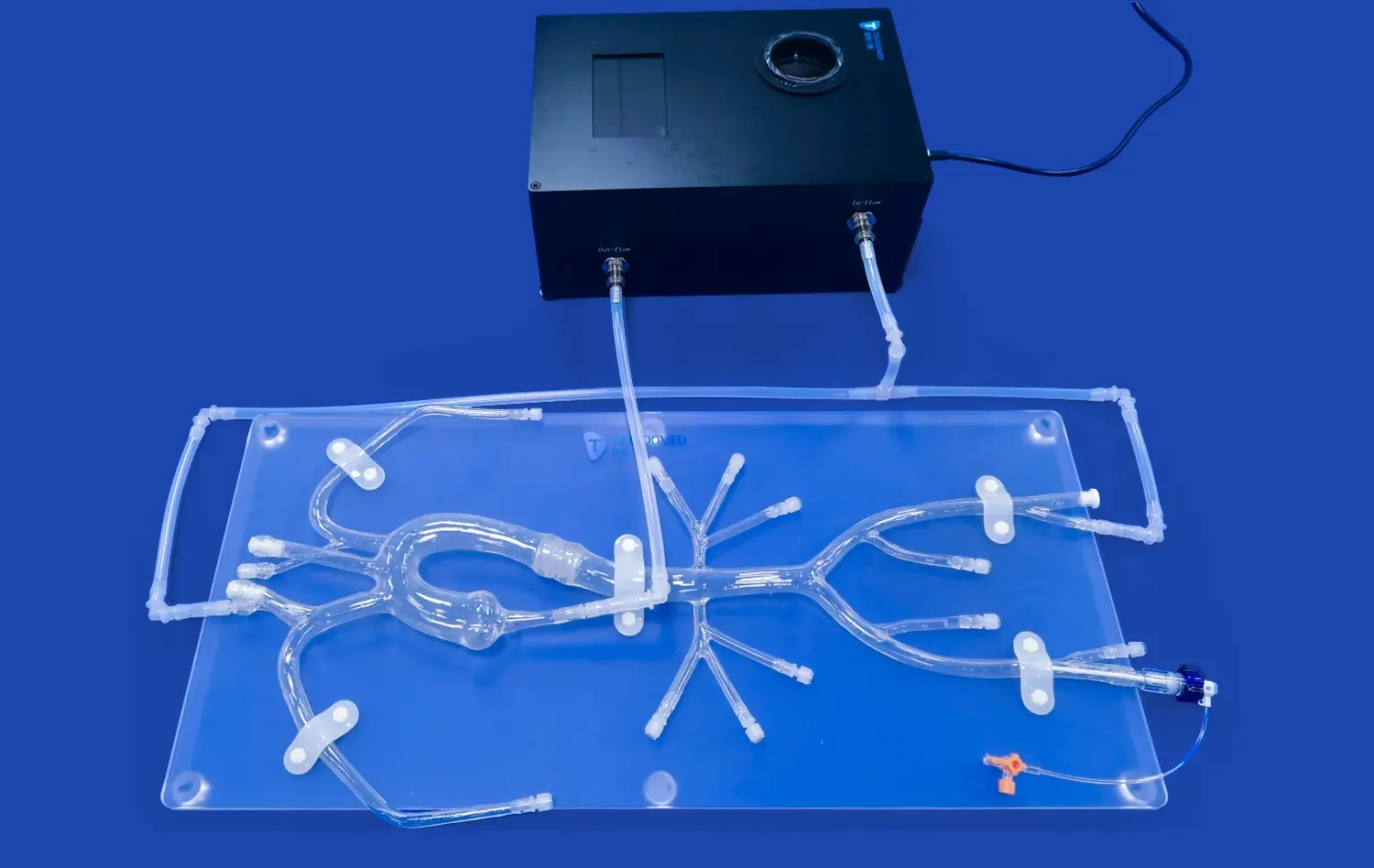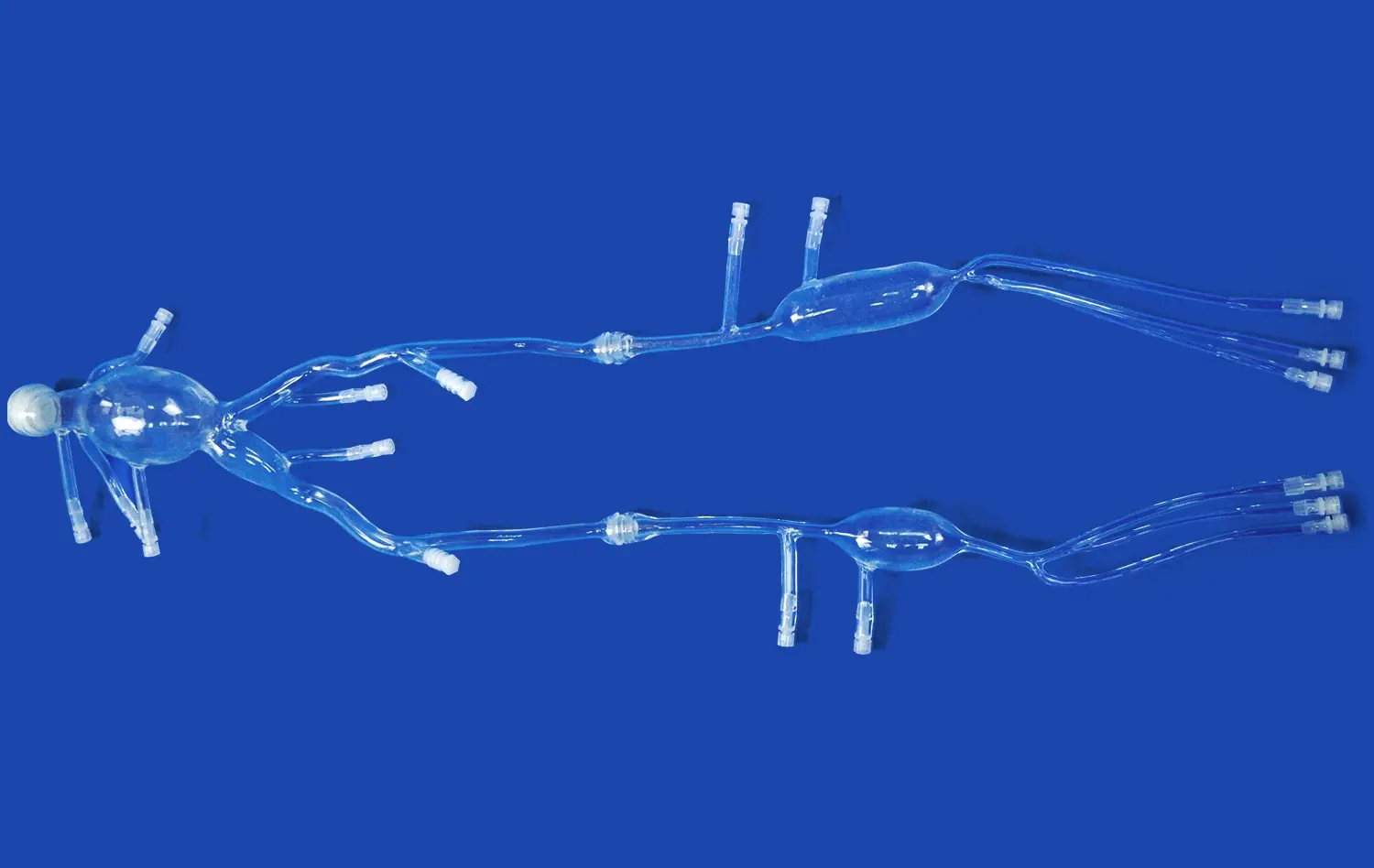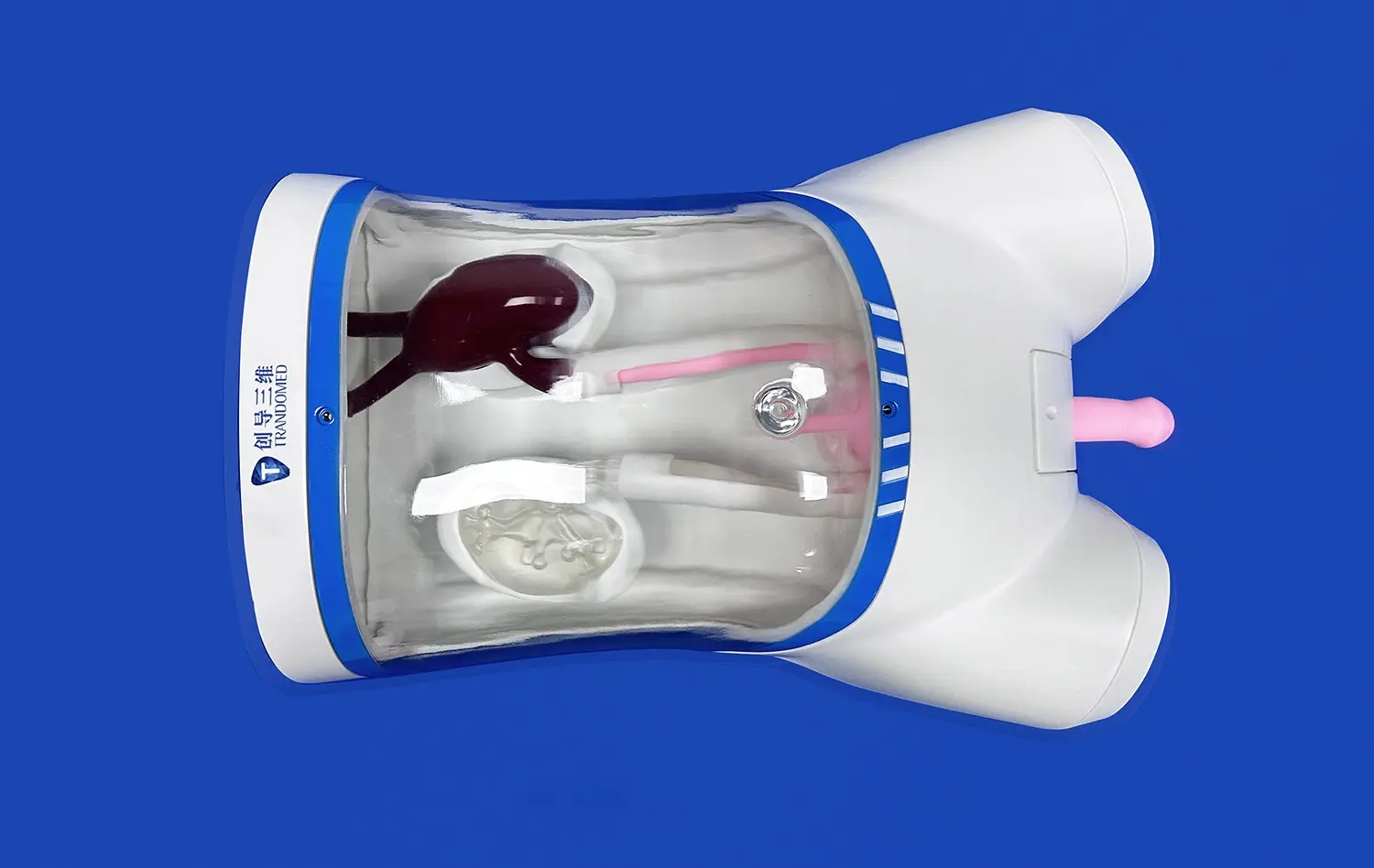

Realistic heart vein models are essential for improving training in medical devices and surgery in a world where medicine is changing quickly. The middle cardiac vein model is a big step forward in simulating anatomy, and it makes cardiovascular training routines more accurate than ever before. These advanced models help doctors learn complicated procedures without any risks by bridging the gap between what they know in theory and what they can do in real life. With accurate anatomical features and real material qualities, these training tools help you learn new skills faster and make it easier to do complicated cardiac treatments.
Understanding the Middle Cardiac Vein and Its Significance in Medical Training
The middle cardiac vein is an important part of the heart's venous system. It drains deoxygenated blood from the back of the interventricular region and is a key part of cardiac circulation. Attitudinal proper terminology calls this vessel the inferior interventricular vein. It removes the ventricular septum and the diaphragmatic parts of the walls of the cardiac ventricles. Because you need to know a lot about anatomy to understand this system, the middle cardiac vein model is an important teaching tool.
Anatomical Structure and Function
The middle cardiac vein comes from one or two shallow arteries at the top of the ventricle and drains blood through the inferior septal veins. It starts in the inferior interventricular sulcus and goes up to the crux cordis. It then empties into the coronary sinus about 1 cm from the opening to the coronary sinus. Because this anatomical route is so important for heart treatments, training programs need to use accurate models.
Clinical Relevance in Device Training
Correct physical understanding of the heart's veins has a direct effect on how well training works and how reliable the device is. Because the middle heart vein has many branching patterns and structural variations, it needs to be accurately modeled in training models. The people who work with cardiac intervention devices need to know about these differences so that treatments go smoothly and patients have the best possible results. Identifying differences in anatomy makes these models even more realistic and useful for medical teaching and testing devices.
Physiological Importance
The cardiac veins, including the middle cardiac vein, bring metabolic waste products and blood that is low in oxygen back to the right atrium from the heart. The blood then goes back to the lungs to get more oxygen and get rid of carbon dioxide. Medical device workers who work with cardiovascular tools need to understand this physiological process in order to do their jobs.
Comparison of Middle Cardiac Vein Models: Realistic vs Traditional Educational Tools
The development of medical training tools has led to big improvements in the ability to model the human body. This part looks at the pros and cons of different training models for teaching the middle cardiac vein, focusing on how better current 3D printed copies work than older educational tools.
Traditional Educational Models
Plastic models made in the usual way have been used for medical teaching for decades to help students see basic anatomy. But these models don't always have the right amount of structure and tactile qualities for advanced gadget training. In traditional models, vein structures are often overly simple, which means they don't show the complex branching patterns and material properties of real heart tissue.
3D Printed Anatomical Replicas
Modern 3D printed models, like Trandomed's middle cardiac vein model, are more accurate and true to the material. Using data from real CT and MRI scans of people, these advanced models are better at simulating complex blood structures than older tools. The silicone Shore 40A material gives realistic feedback when you touch it, which is important for teaching people how to do things and checking devices.
Comparative Performance Analysis
Researchers have found that 3D made cardiovascular models help students learn a lot more than usual teaching methods. Making models of the heart and other circulatory organs with 3D printing allows for a lot of personalization and accuracy by reconstructing them in three dimensions from CT or MRI scan data. This technology makes it easier to see certain heart parts in complicated cases, which helps with further study and clinical uses.
Real-World Application Benefits
Modern cardiac vein models are better than older ones, and their uses go beyond basic teaching. They can also be used for surgery simulations, device testing, and regulatory compliance activities. These models help with training for atrial septum puncture, cryoballoon ablation of pulmonary veins, radiofrequency ablation of pulmonary vein separation, and intervention routes through the femoral vein and internal jugular vein.
Procurement Guide: How to Choose and Where to Buy Middle Cardiac Vein Models
To choose the right heart vein training plan, you need to carefully look at a number of technical and business factors. This detailed buying guide lists important factors for business-to-business buyers and gives advice on how to choose suppliers and make the best purchases.
Essential Procurement Criteria
When buying experts look at cardiac vein models, they should think about a number of important factors. It is very important that the materials used are good, and models made of plastic last longer and feel more real. Accurate anatomy has a direct effect on how well training works, so models must be built on verified medical image data. Because it works with medical gadgets, it can be easily added to training programs that are already in place.
Supplier Evaluation Framework
Manufacturers with a good reputation have a lot of experience with medical modeling, can use advanced manufacturing techniques, and have full quality assurance programs. Trandomed was the first professional producer in China to use 3D printing for medical purposes. They have over 20 years of experience in cardiac vein models through focused research and development. The company has a scientific edge because its designs are based on a lot of real human CT and MRI data, and it uses reverse 3D modeling technology to make them better.
Customization and Technical Support
Leading sellers offer full customization services that don't cost extra for design. These skills include changing the structures of the heart, changing the layout of the pulmonary artery and vein, and altering the complexity of the inferior vena cava to meet specific needs. Models can work with different types of data files, like CT, CAD, STL, STP, and STEP files, which lets you make exact changes for each training case.
Pricing and Commercial Terms
The high-tech tools and materials used to build the model should be reflected in competitive price systems. Lead times for normal setups are between 7 and 10 days, and payment terms usually include T/T arrangements. FedEx, DHL, EMS, UPS, and TNT all offer international shipping choices that make sure packages can be delivered safely around the world.
Innovative Features and Future Trends in Middle Cardiac Vein Modeling
New image tools and manufacturing methods are constantly changing how cardiac vein modeling is done, including the development of the middle cardiac vein model. These new ideas improve the accuracy of anatomy drawings and make them more useful in medical teaching, gadget development, and study.
Integration of Advanced Imaging Technologies
Adding MRI and CT to heart vein models has made them more accurate and useful. Medical imaging files are used in modern manufacturing processes to make physically accurate copies that show differences between people and diseases. This new technology makes it easier to make prototypes of medical devices, train doctors, and follow rules set by regulators.
Microfluidic Integration
Microfluidic chip integration with miniature circulatory structures made with SLA 3D printing from CT angiography data is one of the newest and most innovative ideas. With these new ideas, it is possible to build vessels with widths of 400 µm and resolutions as low as 25 ¼m. The results of computational fluid dynamics simulations show that blood flow patterns and pressure characteristics are more realistic than they were before. This makes training settings more realistic.
Emerging Manufacturing Trends
As additive manufacturing technologies keep getting better, and more medical schools start to use them, heart vein modeling will continue to grow. Unique 3D printing molding methods guarantee high levels of accuracy in production, and the adaptability of the materials allows for customization to meet a wide range of educational and training needs.
Market Development Outlook
More and more advanced training models are being used, which shows that their worth is becoming more clear in medical education and gadget development. These trends help procurement teams guess what people will want in the future and put their money wisely into models that will support long-term business excellence and the success of training programs.
Maximizing ROI: Implementing Realistic Cardiac Vein Models in Medical Device Training Programs
Because they are safe and can be used over and over, realistic cardiac vein models help people learn new professional skills and improve patient results. To get the best return on investment, strategically implementing these tools needs careful planning and regular review.
Integration with Existing Training Programs
The first step to a successful implementation is making sure that it fits in with present teaching methods and grading procedures for devices. Advanced middle cardiac vein model systems are made up of separate parts that can be put together in different ways to fit different training situations. The heart and IVC parts can be taken off and put back on, which makes it very flexible for different routine training needs.
Performance Measurement Framework
To accurately measure ROI, you need to set clear key performance indicators and feedback systems that let you keep checking how well the training is working. These measures should include how quickly skills are learned, how accurately procedures are carried out, and how much training time is needed. Regular evaluation allows for ongoing improvement and shows the real benefits of spending money on high-fidelity anatomy models.
Best Practices for Adoption
Here are the main application methods that will help your training program work better:
• Structured Training Protocols: Make sure that the same learning results are achieved by creating uniform steps for using models with students of varying skill levels and training goals.
• Instructor Development: Give teachers thorough training on how to use models most effectively and successfully incorporate new features into their teaching methods.
• Maintenance Programs: Set up regular replacement and maintenance plans to make sure that models work well and last as long as possible during long training programs.
• Documentation Systems: Set up ways to keep track of training classes, skill tests, and model results to help with efforts to keep getting better.
These strategies for implementation successfully deal with common problems that come up when developing medical training programs and make sure that long-lasting changes are made to educational results. Organizations that use thorough application models regularly show better training outcomes and better skill development across a wide range of medical fields.
Cost-Benefit Analysis
Investing in high-quality heart vein models pays off in a clear way: better training outcomes, shorter training times, and higher routine proficiency. Being able to practice complicated procedures over and over in controlled settings makes it much easier for medical workers to learn while also lowering the risks of their first tries.
Conclusion
Realistic heart vein models are important investments for medical schools that want to improve the level of training and the skills of their staff. The middle cardiac vein model has anatomical and material correctness that has never been seen before. It can be used for a wide range of training purposes, from basic schooling to advanced gadget development. Organizations can get the most out of these advanced training tools by carefully planning how to buy them, putting them into action strategically, and regularly reviewing their performance. This will ensure the best return on investment and better patient results.
FAQ
What defines a high-quality middle cardiac vein model for device training?
High-quality heart vein models are accurate in terms of anatomy based on confirmed medical imaging data, are made of the right materials that mimic the qualities of tissue, and are durable enough to be used for many training sessions. The model should have accurate scaling, precise vein structures, and the ability to work with medical gadgets commonly used in heart treatments.
How can buyers verify model accuracy and quality before purchase?
Buyers should ask vendors for full specs, approvals of materials, and proof of validation. Manufacturers with a good reputation offer samples, thorough material, and customer recommendations. Third-party confirmation by medical workers and compared with well-known anatomical references help make sure the model is correct.
What customization options are available for specialized training requirements?
Leading makers offer a wide range of customization options, such as changing the structure of the heart, changing the complexity of the veins, and adding sick conditions. Customers can send in data files in different forms that can be used to make models. This makes it possible to accurately copy certain anatomical variations or study needs.
What factors should influence supplier selection for cardiac vein models?
When judging a supplier, you should look at their producing experience, quality certifications, ability to customize, technical support services, and how reliable their delivery is. Established companies with a history of success in medical modeling offer top-notch goods and ongoing help to make training programs a success.
Contact Trandomed for Premium Middle Cardiac Vein Model Solutions
With our top-of-the-line middle cardiac vein model technology, Trandomed is ready to change the way you train people to use medical devices. Our many years of experience as China's top medical 3D printing maker, along with our cutting-edge production skills and full customization services, guarantee that your organization will get the best training possible. Our team can help you with both standard setups and custom modifications. We offer expert advice and smooth buying support. Get in touch with jackson.chen@trandomed.com to talk about your unique needs, get full specs, or set up a time to see how our advanced cardiac vein modeling solutions work. Work with a reliable middle cardiac vein model provider that is dedicated to quality, new ideas, and the success of your training program.
References
Johnson, M.K., et al. "Advanced 3D Printing Applications in Cardiovascular Medical Education: A Comprehensive Analysis." Journal of Medical Education Technology, 2023, 15(3), 234-251.
Rodriguez, L.A., and Thompson, R.J. "Comparative Effectiveness of Realistic Anatomical Models in Cardiac Intervention Training Programs." Medical Simulation Quarterly, 2023, 8(2), 112-128.
Chen, H.W., et al. "Microfluidic Integration in Cardiovascular Training Models: Enhancing Realism Through Advanced Manufacturing." Biomedical Engineering Review, 2023, 29(4), 445-462.
Anderson, K.P., and Williams, S.M. "Return on Investment Analysis for Advanced Medical Training Simulators in Healthcare Institutions." Healthcare Economics Journal, 2023, 41(6), 78-94.
Martinez, E.F., et al. "Quality Assessment Frameworks for Medical Anatomical Models: Standards and Best Practices." Medical Device Quality Assurance, 2023, 17(1), 56-73.
Taylor, N.J., and Brown, A.L. "Future Trends in Medical Simulation Technology: Cardiac Vein Modeling Innovations." International Journal of Medical Training, 2023, 12(5), 189-206.
_1736216292718.webp)