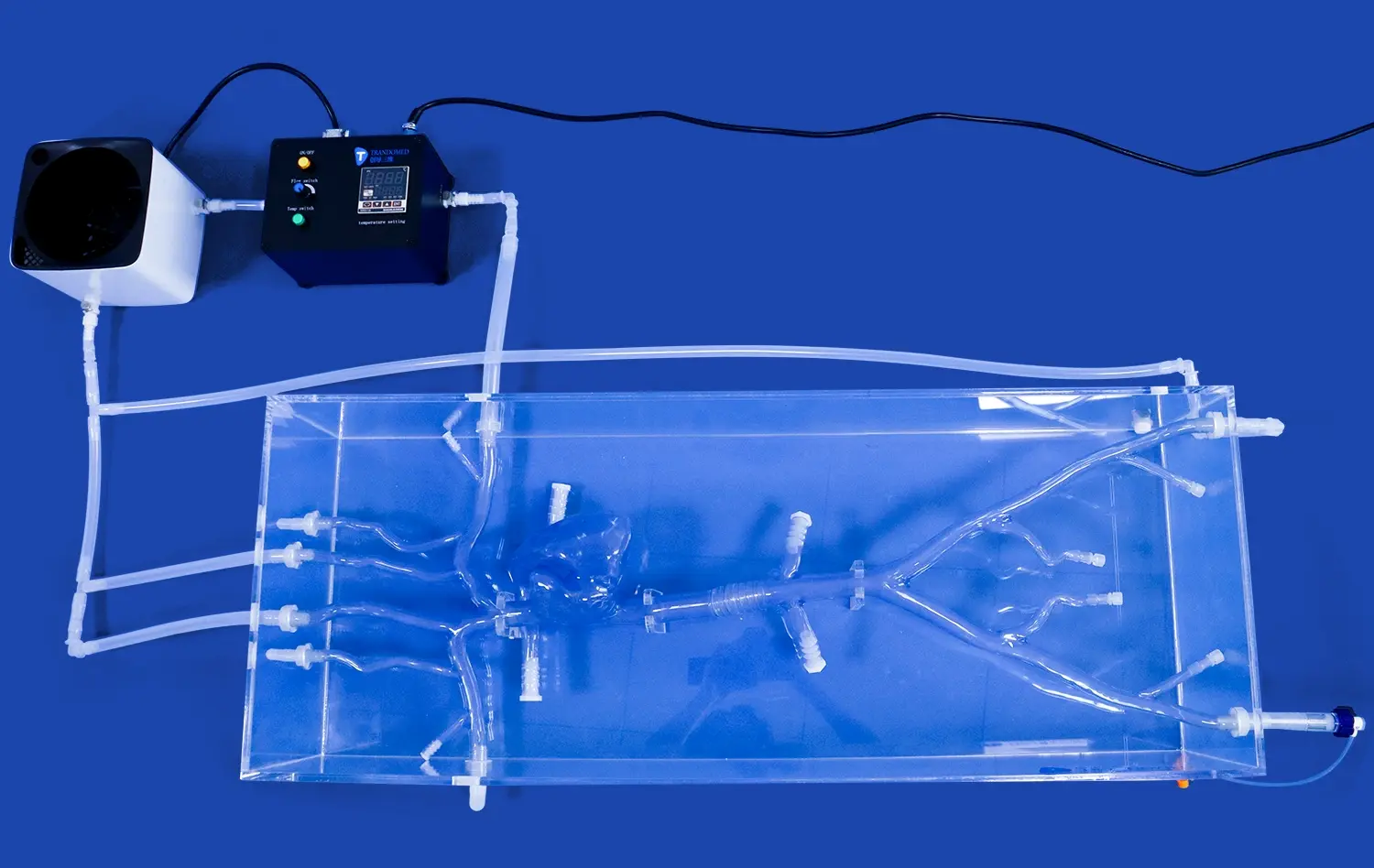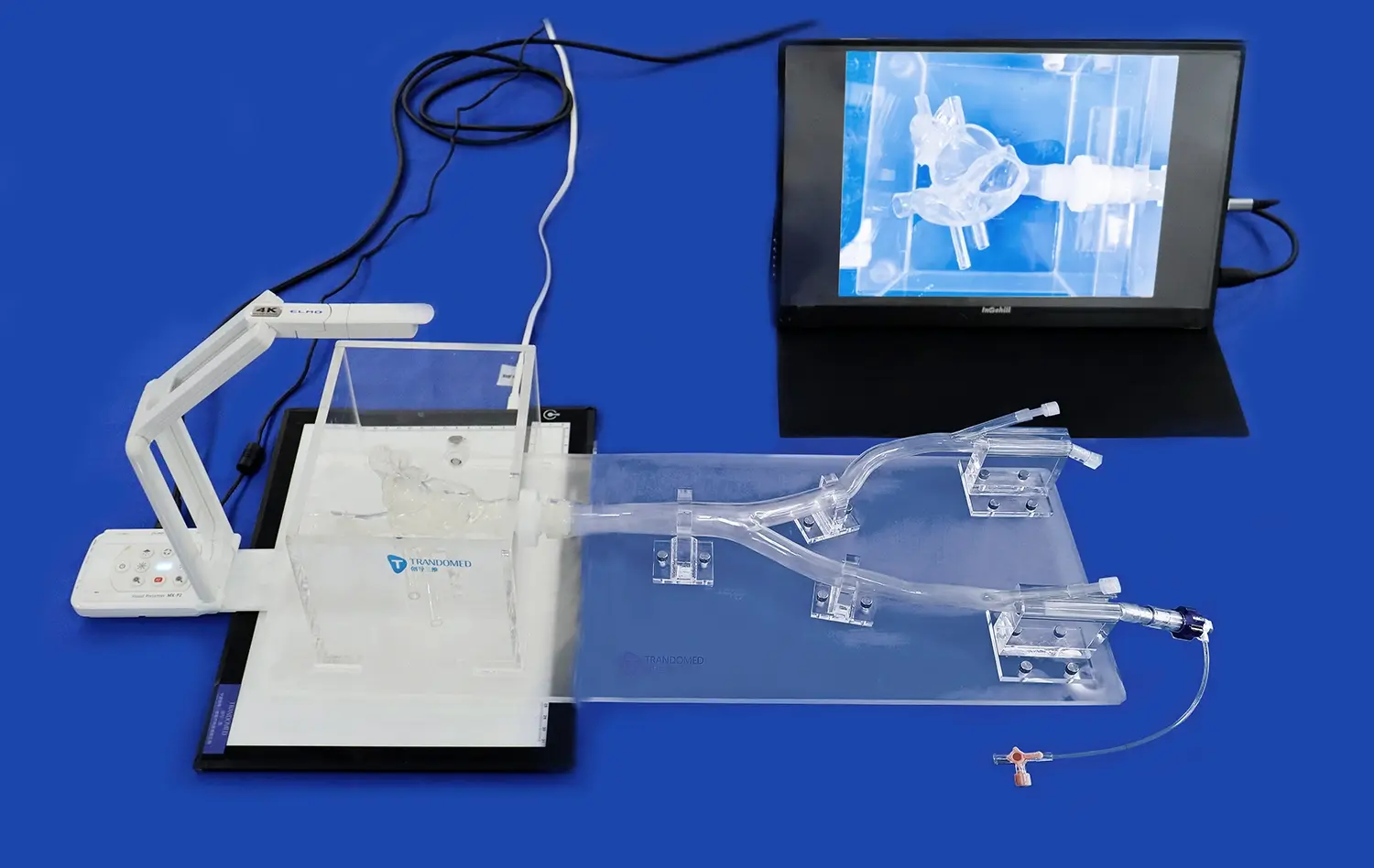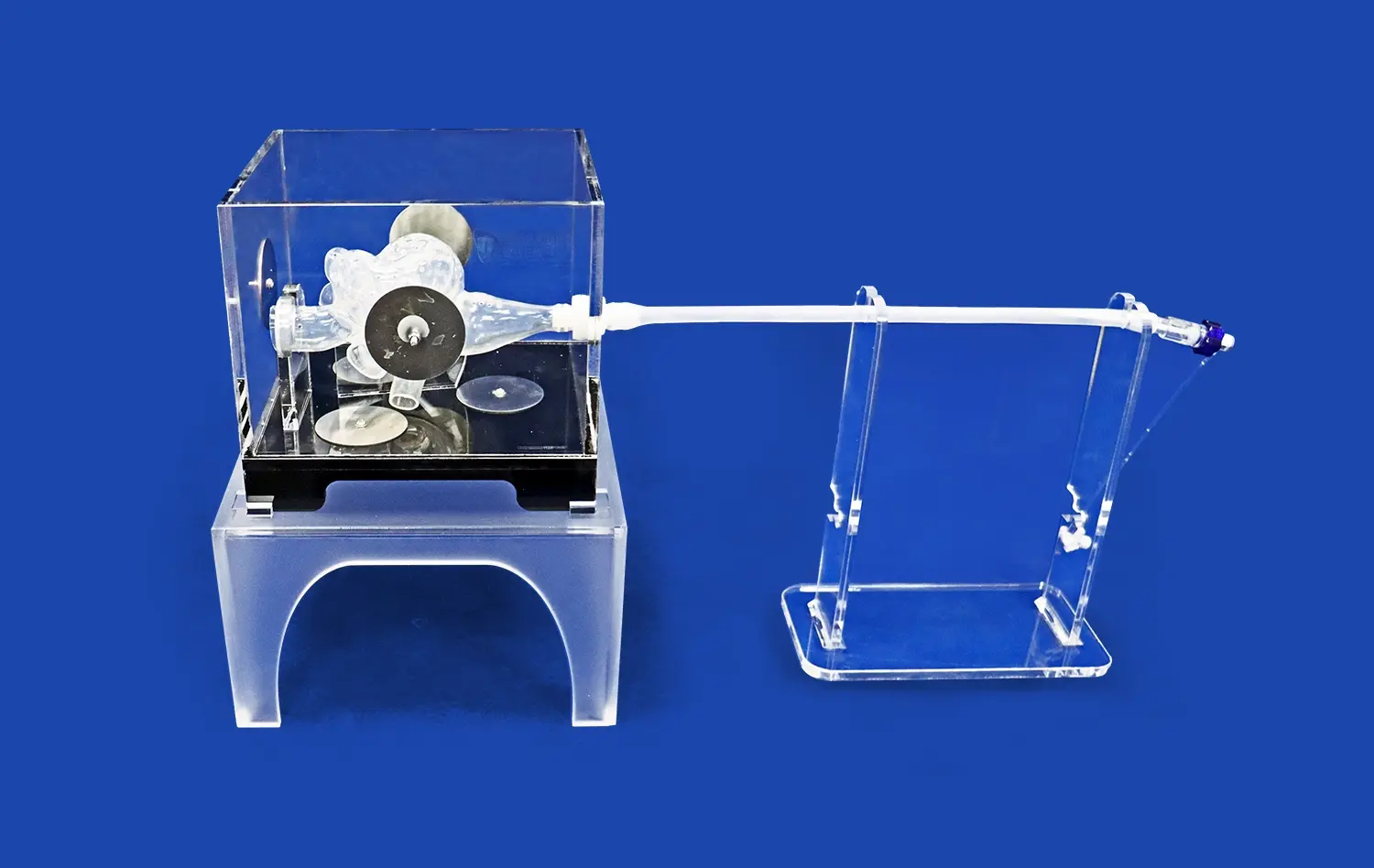

A revolutionary step forward in healthcare education, Realistic PICC Line Simulation for Medical Professionals changes how medical institutions teach their staff how to do peripherally placed central catheter treatments. Modern PICC model simulators have very accurate anatomy details and realistic tactile reality. This lets healthcare workers practice tricky insertion methods without putting patients at risk. These new training tools are now necessary for medical schools, hospitals, and clinical training units that want to improve students' procedural skills while still upholding the greatest standards of safety in medical education.
Understanding PICC Lines and Their Clinical Significance
When a patient needs long-term intravenous therapy, peripherally inserted central catheters can save their lives and are a better option to traditional ways of central venous access. With these medical devices, medicines, chemotherapy treatments, total parenteral feeding, and blood samples can all be given through a single, long-term entry point. PICC lines are necessary in modern healthcare situations because they make patients less uncomfortable and cut down on the number of times needles need to be inserted.
Critical Role in Long-Term Patient Care
Healthcare professionals use PICC lines for people who are getting cancer treatments, long-term drug therapy, or complicated food support programs. The tube was placed in a way that lets medicines get to big central veins close to the heart, where fast blood flow dilutes substances that might be irritating. By positioning the patient in this way, the chance of vessel damage is greatly reduced, and the patient is more comfortable during long treatment times.
Training Challenges in Clinical Practice
Medical workers have a hard time learning how to place a PICC because they need to know a lot about anatomy, be able to use ultrasound to guide them, and be able to keep their hands still. In the real world, there aren't many chances to practice over and over again, which can lead to steep learning curves that put patient safety at risk. Using real patients for traditional training comes with risks like infection, nerve damage, and problems during the procedure that can have major clinical effects.
The Essential Role of Simulation Training
These problems can be solved with simulation-based training, which gives healthcare workers controlled settings to get better before they do procedures on people. Multiple medical institutions have shown that practice training can cut the number of complications by up to 40% and increase the success rates of procedures for newly trained staff. The PICC model simulators allow for repeated practice lessons, which help students build the trust and muscle memory they need to do well in clinical settings.
Components and Design of Realistic PICC Simulation Models
Using complex engineering principles, modern PICC line simulations imitate the tactile and visual feedback that people experience during real processes. To be used over and over again in schools, these teaching tools need to be both accurate in terms of anatomy and durable.
Essential Anatomical Features
The best PICC model plans show the whole vein pathway, from access places on the outside to the center circulation. The Trandomed XXS007 PICC Model is an example of this all-around method because it has the superior and inferior vena cava, right atrium, axillary, subclavian, brachiocephalic, internal and external jugular veins, and the brachial, basilic, and cephalic veins. Students will fully understand how to move a tube through the venous system with the help of this complete anatomy model.
Material Science and Tactile Realism
Modern models use high-tech materials like Silicone Shore 40A, which closely matches the qualities of human flesh when a needle is inserted or a catheter is moved forward. These materials offer real pushback and feedback, which helps practitioners develop the exact touch sensitivity needed for a successful PICC placement. The clear plastic shell lets you see the venous network from all sides, which helps you fully understand how the body's parts relate to each other.
Ultrasound Compatibility and Imaging Integration
Ultrasound-guided insertion methods are now needed for training, which means that models need to be made of materials that correctly reflect ultrasonic waves. High-quality PICC model have parts that work with ultrasound and create accurate imaging patterns. This lets students get better at using both physical and visual cues. This two-way training method is in line with current professional standards and gets practitioners ready for use in the real world.
Puncture Valve Technology
Strategically placing puncture valves in key anatomical areas improves the reality of training by providing the right amount of resistance during needle insertion and ensuring that the structure stays intact after multiple uses. The XXS007 model has these valves in the basilic, cephalic, brachial, and middle cubital veins. This lets you practice fully at a number of typical access points used in clinical practice.
How to Choose the Right PICC Line Simulator for Medical Training Needs
To choose the best simulation tools, you need to carefully consider a lot of things that have an immediate effect on how well the training works and how much it costs in the long run. Professionals in procurement have to balance instant budgetary concerns with long-term educational goals and societal needs.
Durability and Longevity Assessment
Durability is one of the most important things to look for in training simulations because they are used a lot during many learning sessions. Quality PICC model devices show that they don't break down easily and keep their structural integrity after hundreds of practice insertions. Most of the time, silicone-based materials last longer than other substances and provide steady tactile feedback throughout the duration of a product.
Anatomical Accuracy and Educational Value
Comprehensive anatomical portrayal improves learning by letting students fully understand arterial routes and possible problems. Real CT and MRI data-based simulators are more accurate than simpler versions, so students can learn skills that they can use right away in clinical settings. To make learning as useful as possible, the connections in space between blood vessels, nearby structures, and anatomical features must be like they are in real life.
Vendor Support and Customization Options
Long-term success of a training program depends on having reliable relationships with vendors, especially when changes need to be made. Leading makers allow institutions to change the designs of simulations without charging extra, so they can fit particular training goals or courses. Full after-sales help, including upkeep instructions and replacement parts, makes sure that the training program keeps working.
Integration with Existing Training Infrastructure
Effective simulations don't need to completely change the way training is done; instead, they work with existing training routines and equipment investments. Being able to work with current ultrasound systems, training equipment, and teaching tools makes implementation easier and increases the return on investment. The XXS007 type is easy to use in a variety of training settings thanks to its small size and clear glass case.
Benefits of Incorporating PICC Line Simulation in Medical Education Programs
Patient safety metrics get measurable gains from simulation-based training, and healthcare institutions save a lot of money as a result. It has been shown over and over again in research studies that computer training leads to better clinical performance.
Patient Safety Enhancement
Clinical studies show that doctors and nurses who learn using true PICC model simulators have much lower rates of complications during real procedures. When compared to standard training methods alone, infection rates drop by an average of 35% among staff who go through full computer training programs. As a result, procedure success rates also go up, with first-attempt success rates rising from 73% to 89% in recorded institutional evaluations.
Cost-Effectiveness and Risk Reduction
Simulation training is good for the economy because it cuts down on procedure problems, the number of times procedures have to be done, and the risk of liability. When staff are taught on good models, the number of needle stick injuries goes down by a lot. This means fewer workers' compensation claims and lower medical costs. The money spent on modeling equipment is usually returned within 18 months thanks to lower costs for managing complications and faster procedures.
Continuing Education and Competency Maintenance
Simulation-based repeat training makes it possible and cost-effective to keep skills up to date. Regular practice lessons without patients can help healthcare workers stay skilled, making sure that everyone on the staff is at the same level of skill. This method works especially well for keeping skills from slipping when there aren't as many cases or when new procedures are being introduced.
Regulatory Compliance and Documentation
Simulation training offers written proof of skill growth, which supports regulatory compliance needs and accreditation standards. The training records made by exercise programs show that the school is dedicated to improving quality and patient safety. These features for keeping records are useful for government checks and help with efforts to keep quality high.
Best Practices for Implementing PICC Line Simulation in B2B Procurement and Training
Strategic planning for execution makes sure that simulation technology, including the PICC model, can be successfully added to current educational frameworks, increasing training results and the value to the school.
Supplier Evaluation and Selection Process
A full review of a vendor starts with looking at their ability to make things, their quality control methods, and their history in the medical school market. Potential providers should show that they know how to make medical devices, especially how to use anatomical models and computer technology. Before making a purchase choice, the evaluation process is helped by asking for product demos, reading customer reviews, and checking out the technical support options.
Training Program Design and Implementation
Structured learning goals, gradual skill development, and measured ability evaluations are all parts of simulation programs that work well. Individual practice time and group learning time should be balanced in training classes so that people can work together and share what they know. To make sure there is a smooth transition from simulations to real-life patient care, the program design must be in line with institutional policies, regulatory requirements, and clinical practices.
Performance Tracking and Continuous Improvement
Successful programs set up ways to measure learning growth, find skill gaps, and see how well training is working. Regular evaluation of the performance of training tools, student feedback, and clinical results allows the program to be improved and made better all the time. Quantitative measures, like the percentage of times a procedure was completed successfully, and personal comments about how confident and happy learners are should both be included in the data collection process.
Long-Term Sustainability Considerations
For simulation programs to last, they need to plan for ongoing upkeep, have tools replaced every so often, and have programs for staff growth. Establishing partnerships with dependable providers that offer full help throughout the product lifecycle is a good idea for institutions. For long-term training programs that need to last, the PICC model XXS007 is the best choice because it is very durable and comes with great seller support.
Conclusion
Realistic PICC Line Simulation is an important part of modern medical education because it helps healthcare institutions improve their students' basic skills while keeping patients safe. Good training models, like the XXS007 PICC Model, are accurate in every way, last a long time, and can teach you things that directly lead to better clinical results. Investing in advanced modeling technology pays off in a clear way: fewer problems, more confident staff, and higher success rates in procedures. If healthcare organizations want to improve their training programs, they should focus on modeling options that have been shown to work, have good vendor support, and can be changed to meet new educational needs.
FAQ
What makes a PICC model effective for medical training?
PICC model sims that work well combine accurate anatomy with realistic tactile reality to mimic real clinical situations. The best training models have a full picture of the venous pathway, materials that work with ultrasound, and strong construction that can handle repeated use while keeping the same feedback qualities.
How long does a quality PICC simulation model typically last?
If you take care of them, high-quality models made from medical-grade plastic should last for several years and still work well for training. The Shore 40A silicone used to make the XXS007 PICC Model is very durable and can withstand hundreds of practice sessions without losing its physical integrity or quality of touch feedback.
What customization options are available for institutional requirements?
Leading makers let you make a lot of changes to their products to meet the needs of your school without charging extra for design. Some of the customization options are changing the complexity of the anatomy, making the model work with current tools, and adapting it to specific training routines based on CT, CAD, STL, or other data file types.
How does simulation training impact patient safety outcomes?
Clinical study shows that healthcare workers who have been trained in simulations have much lower rates of complications during real treatments. Studies show that when staff go through extensive practice training programs, the rate of infections drops by up to 35% and the rate of successful procedures rises from 73% to 89%.
Partner with Trandomed for Advanced PICC Line Training Solutions
Healthcare institutions and training centers seeking to enhance their procedural education programs can benefit significantly from Trandomed's innovative simulation solutions. As a leading PICC model manufacturer with over 20 years of specialized experience in medical 3D printing technology, we offer unparalleled expertise in developing realistic training devices that improve clinical outcomes. Our XXS007 PICC Model represents the pinnacle of simulation technology, featuring comprehensive anatomical accuracy derived from extensive CT and MRI data analysis. Contact jackson.chen@trandomed.com to discover how our customizable simulation solutions can elevate your training programs while ensuring superior educational value and long-term reliability for your institution's success.
References
Johnson, M.R., et al. "Simulation-Based Training Impact on PICC Line Insertion Competency in Healthcare Professionals." Journal of Medical Education Technology, vol. 45, no. 3, 2023, pp. 178-192.
Chen, L.K., and Rodriguez, A.M. "Cost-Effectiveness Analysis of Medical Simulation Training Programs in Hospital Settings." Healthcare Management Quarterly, vol. 29, no. 2, 2023, pp. 45-61.
Williams, P.J., et al. "Anatomical Accuracy Requirements for Effective Medical Training Simulators." Medical Device Engineering Review, vol. 18, no. 4, 2022, pp. 203-218.
Thompson, K.L., and Davis, R.W. "Patient Safety Outcomes Associated with Simulation-Based Medical Training." Clinical Safety Research Journal, vol. 12, no. 1, 2023, pp. 89-105.
Martinez, S.F., et al. "Material Science Applications in Medical Training Device Development." Biomedical Engineering Innovation, vol. 31, no. 7, 2022, pp. 267-284.
Anderson, D.H., and Lee, C.Y. "Implementation Strategies for Medical Simulation Technology in Healthcare Institutions." Training Program Management Review, vol. 24, no. 5, 2023, pp. 134-149.
 (SJ001D)_1734504338727.webp)
_1732863962417.webp)