
Risk-free cardiac training is now an important part of medical education because it lets doctors learn how to do complicated heart treatments without putting patients at risk. The arteriovenous heart model is a big step forward in medical modeling technology. It lets you train your arteries and veins together, which is very important for cardiovascular health. With these high-tech teaching tools, medical facilities can give students real-life experiences while still upholding the greatest safety standards. The latest cardiac simulators help healthcare workers learn how to do their jobs properly in a safe setting, bridging the gap between theory knowledge and real-world application.
Understanding Arteriovenous Heart Models for Effective Cardiac Training
To do advanced cardiovascular training, you need modeling tools that are very complex and exactly copy the human body and how it works. More and more, high-fidelity models are used in modern medical education because they give students realistic training experiences without putting patient safety at risk.
Comprehensive Cardiovascular System Simulation
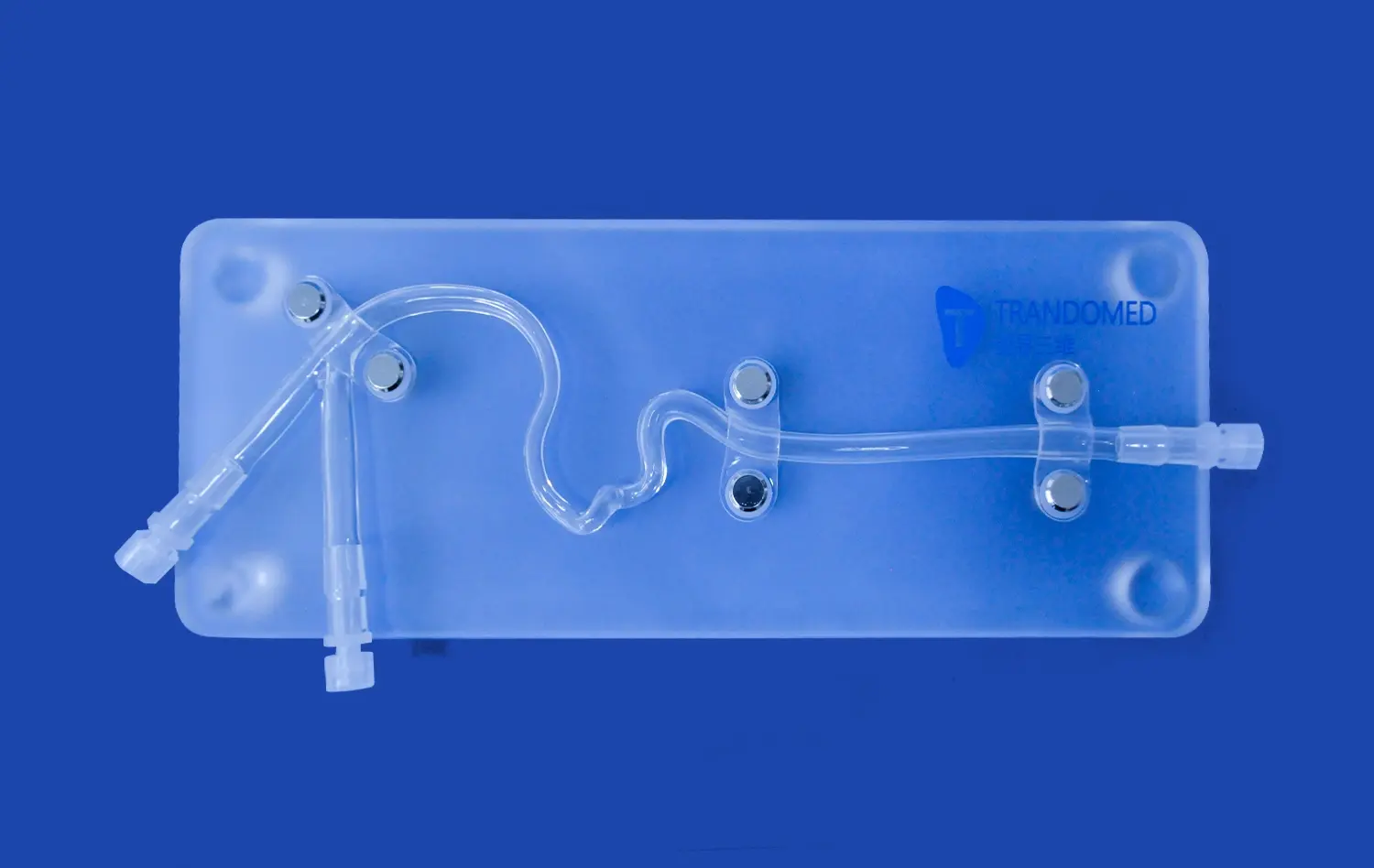
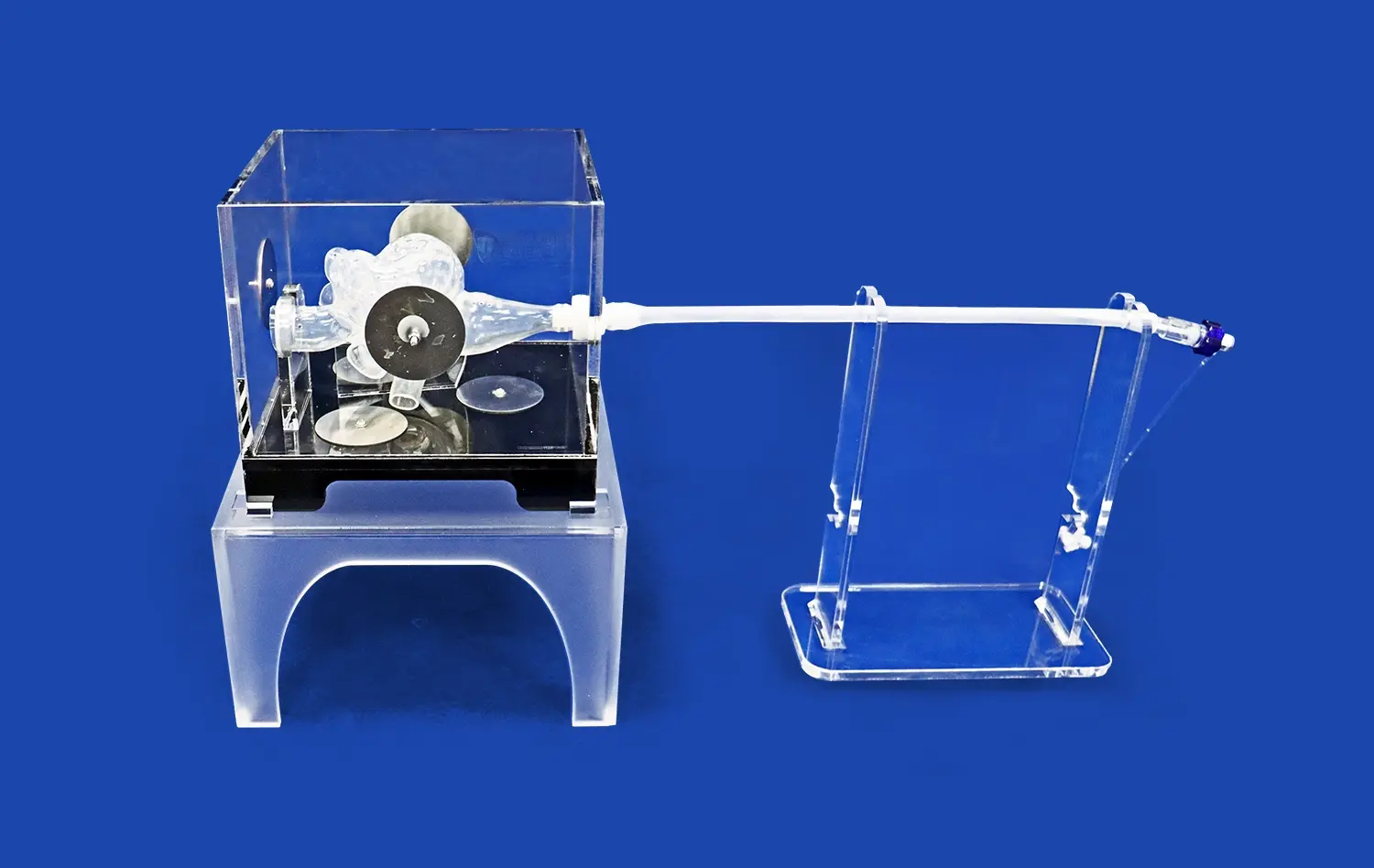
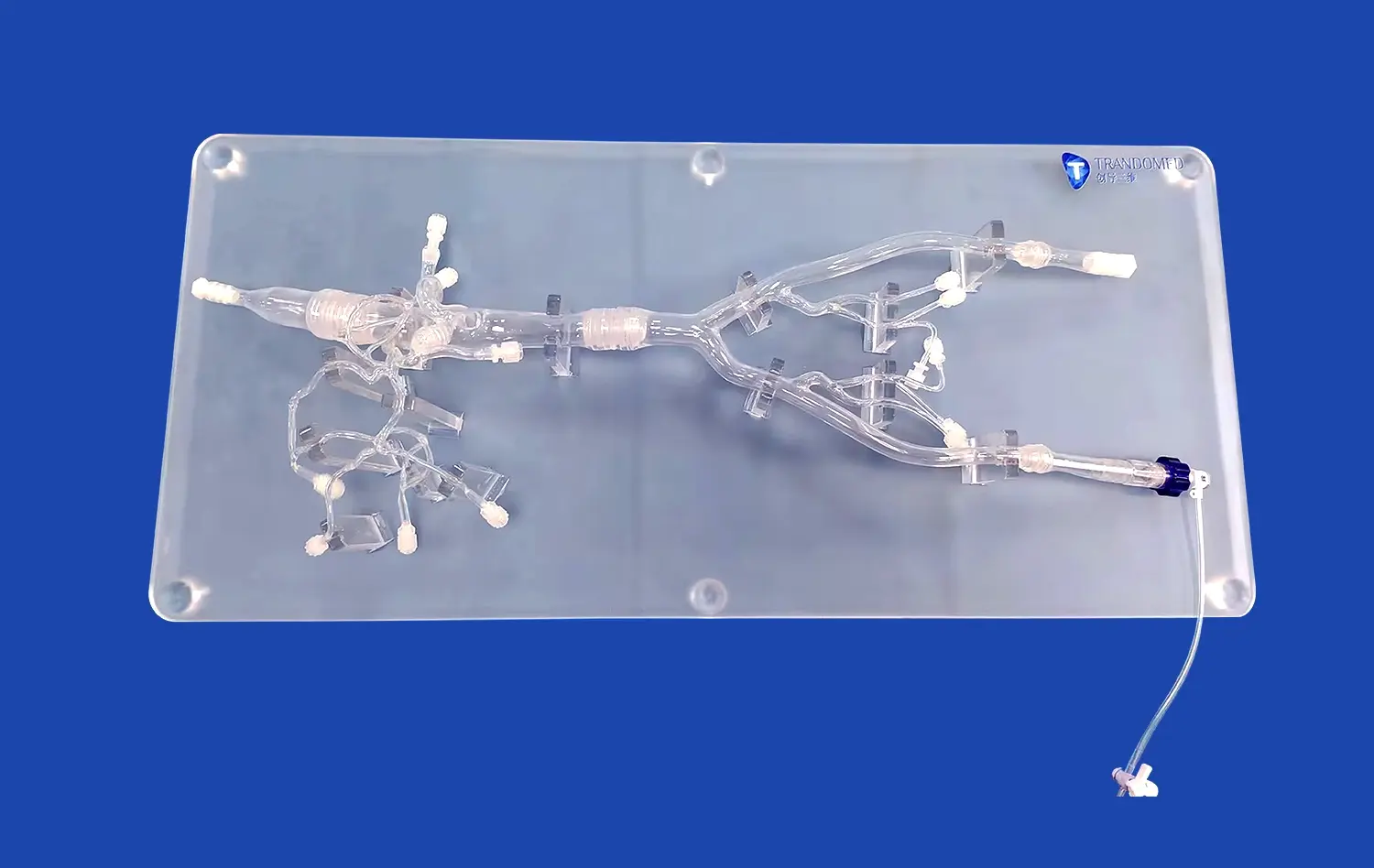
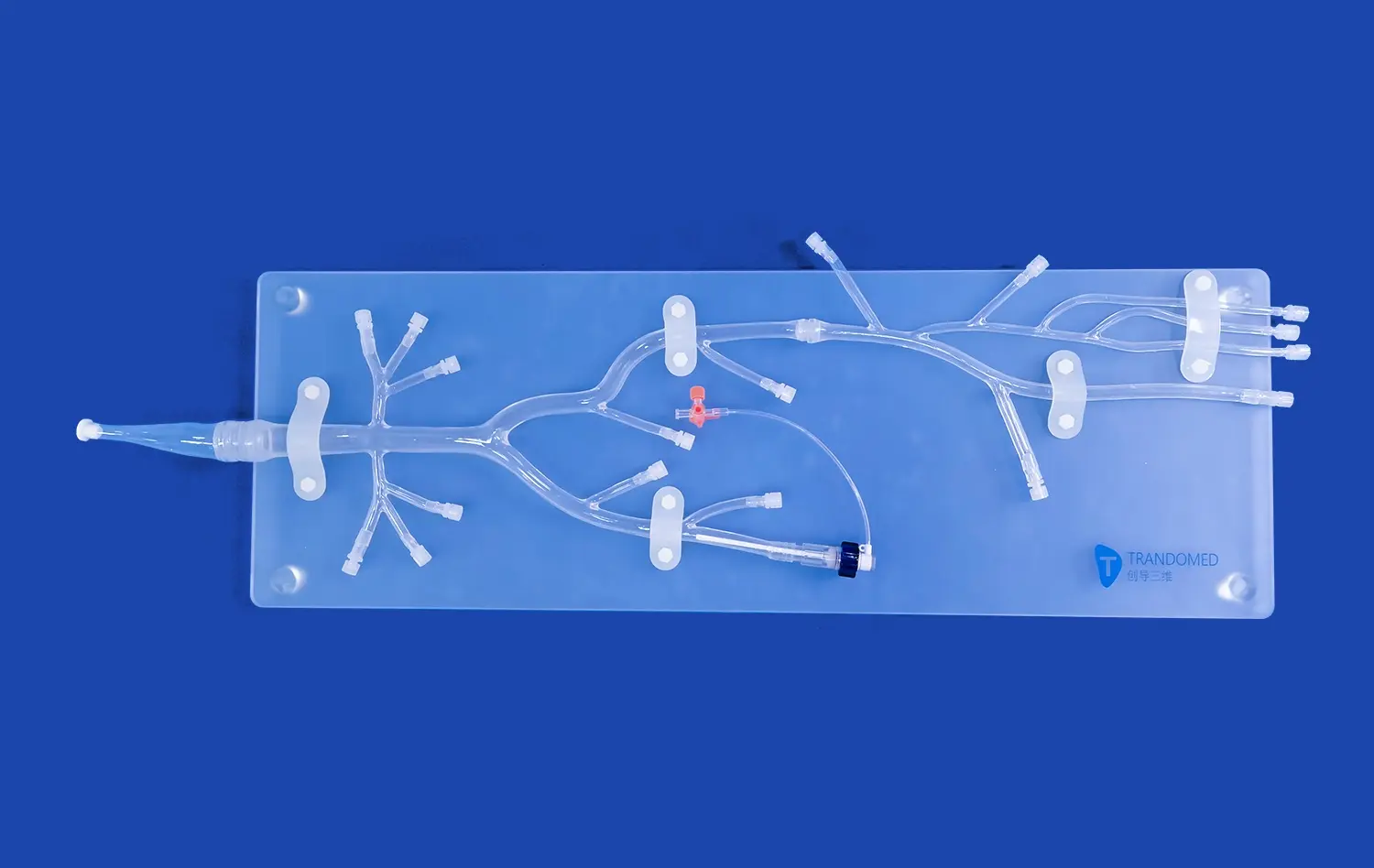
The arteriovenous heart model has detailed studies of anatomy and physiology that closely match how the heart works, including how blood flows between arteries and veins. Unlike older heart models, these more modern ones give doctors and students a better idea of both the arterial and venous systems by giving them detailed information about both. The XXK001DJ Arteriovenous Heart model is a good example of this progress because it has a full arterial network that goes from the arteries and veins in the femur to the circulation in the lungs. There are pelvic vessels, the abdominal aorta, the descending aorta, the aortic arch, the ascending aorta, and the inferior vena cava in this state-of-the-art model. The model has a heart with four chambers and three types of valves: tricuspid, aortic, and mitral. It also has lung arteries and veins, the superior vena cava, the carotid artery, and both internal and external venous veins.
Advanced Material Technology and Design
These models are made from high-quality Silicone Shore 40A material and give true tactile feedback that is necessary for basic training. The clear plastic housing lets you see clearly through complex vascular networks, which lets you look at the links between body parts in great detail. This design helps students learn better by letting them see at the same time several blood systems and how they connect to each other.
Comparing Arteriovenous Heart Models: Key Considerations for Procurement
When medical institutions choose cardiovascular training tools, they have to think about a lot of things. Knowing the differences between the different types of models helps you make the best spending choices that fit your school's needs and your students' goals.
Material Quality and Durability Assessment
Finding the right heart model requires looking at many things, including how realistic it is, the materials used, how long it will last, and how much care it needs. The ability of arteriovenous heart models to correctly simulate complex cardiovascular processes is very different from that of normal or venous-only models. High-quality silicone construction lasts longer than traditional materials, so you can be sure of steady performance even during long training routines. The choice of materials has a direct effect on how well training works and how much it costs. When premium silicone formulations are used over and over, they keep their structure intact and give accurate tissue responses during procedural models. This longevity means that they don't need to be replaced as often and that the level of training stays the same across multiple sessions.
Technology Integration and Educational Value
Modern models for heart training include advanced features that make learning more effective. Some models have electronic parts for dynamic exercises, while others focus on making sure the models are accurate in terms of anatomy through precision production. Buyers need to think about whether manual models are enough or if more advanced electronic models with 3D visualization and dynamic blood flow simulations are better value for money.
Streamlining Your Purchase: A B2B Buyer's Guide to Arteriovenous Heart Models
For procurement to go well, there needs to be effective planning that matches the needs of the business with the solutions that are available. Knowing how purchases are made and what suppliers can do will help you make the best choices about what to buy, which will improve the value for money and educational value.
Defining Institutional Requirements
When buying in bulk, business-to-business buyers should choose heart models, including the arteriovenous heart model, that fit their institution's goals, budget, and training needs. Clearly stating educational goals and customization needs is an important step in making sure the best fit for a variety of places, such as hospitals, research labs, and universities. Training volume factors have a big effect on model choosing choices. For high-volume training programs, the building needs to be durable and require little upkeep. On the other hand, features that can be changed may be useful for specialized uses. The XXK001DJ model accommodates various institutional needs through comprehensive customization options, accepting modifications based on CT, CAD, STL, STP, and STEP data files.
Supplier Evaluation and Procurement Process
Trusted sellers who offer clear ordering platforms, reliable foreign shipping choices, clear wait times, and bulk discounts help the procurement process. Trandomed makes it easy to place an order, and they offer a range of shipping choices, such as FedEx, DHL, EMS, UPS, and TNT. Many makers offer changes and work closely with suppliers, so buyers can make models that are perfect for their training programs. This ability to customize makes investments more effective and improves student outcomes by ensuring that all training needs are met perfectly. A lot of the time, customization services include free anatomical changes to heart chambers, pulmonary veins, and abdominal parts.
Implementing Arteriovenous Heart Models in Cardiac Training Programs
To successfully combine cardiovascular training models, you need to do a lot of planning, including making a curriculum, teaching instructors, and setting up upkeep procedures. Strategic application makes sure that the educational effect is maximized while equipment life is maintained.
Strategic Curriculum Integration
To get the most out of learning, incorporating arteriovenous heart models into cardiac courses needs to be planned out in advance. These high-tech training tools are great at modeling treatments like pulmonary vein cryoablation, atrial septal puncture, and radiofrequency ablation of the pulmonary vein. These kinds of features let medical workers practice and improve their skills in safe, controlled settings. Putting models into daily training routines, encouraging hands-on participation, and following best care practices to keep them usable and consistent with performance are all practical ways to adopt. Structured methods that gradually add more complicated steps are good for training programs because they help people become more competent by improving their skills over time.
Hybrid Training Methodologies
Using hybrid training methods that combine real models with modern 3D visualization and blood flow modeling software makes it easier to understand how to diagnose and carry out procedures. This combined approach takes into account different ways of learning and gives students a lot of chances to improve their skills. Real-life case studies show how these models can be used successfully to boost students' confidence and skills, making them essential to modern medical education systems.
Ensuring Risk-Free Cardiac Training: Quality Assurance and Support
Comprehensive quality assurance methods and strong support systems are needed to make sure that training is safe and that education works. Knowing what certifications are needed and what the provider can do is the key to building long-lasting relationships that keep training at a high level.
Quality Standards and Certification
Risk-free cardiac training relies a lot on the quality, certification, and support system of the heart models that are bought. People who want to buy models must make sure that they meet international safety and physical standards and get certifications that prove they do. Trandomed keeps its quality standards high by using strict manufacturing methods and following all the rules set by the industry. Quality assurance includes picking the right materials, making sure the product is made correctly, and checking that it works. Arteriovenous heart models undergo a lot of tests to make sure they are accurate in terms of anatomy and functionality. These quality measures give people faith in the results of their training while reducing the safety risks that could come from using old or broken tools.
Comprehensive Support Infrastructure
Strong seller warranties and full after-purchase support services are very important for avoiding common buying problems like unreliable vendors and products that don't work together. Trandomed offers a wide range of services after the sale to make sure customers are happy and supported throughout the lifecycle of a product. Support services include professional help, advice on upkeep, and the ability to get replacement parts. This all-around method lets schools keep the quality of their teaching high while getting the most out of their equipment. B2B clients can get reliable, long-lasting cardiac training models that uphold training quality and the institution's image by following best practices like carefully evaluating vendors and planning their budgets.
Conclusion
Advanced arteriovenous heart models allow risk-free cardiac training. This is a completely new way to teach medicine. These high-tech training tools simulate the whole cardiovascular system and make sure that both trainees and patients are completely safe. The XXK001DJ model shows the newest developments in medical modeling technology; it provides unmatched realism and flexibility. For execution to go well, institutional needs, supplier skills, and long-term support needs must all be carefully thought through. Quality assurance methods and a full support system make sure that training stays at a high level and that investors get the most out of their money.
FAQ
What makes arteriovenous heart models different from standard cardiac training models?
Arteriovenous heart models provide comprehensive simulation of both arterial and venous systems, unlike standard models that may focus on specific heart parts. These high-tech models have full vascular networks that connect the femoral vessels to the pulmonary circulation. This lets you practice difficult treatments like atrial septal puncture and pulmonary vein ablation.
How long do high-quality cardiac training models typically last?
If you take care of your high-quality heart training models made from top-notch materials like Silicone Shore 40A, they can last for years of heavy use. How long something lasts relies on how often it is used, how well it is maintained, and the quality of the material. Trandomed's models go through a lot of quality checks to make sure they will work reliably and consistently for a long time.
Can arteriovenous heart models be customized for specific training requirements?
Yes, current models for cardiac training can be changed in a lot of ways to fit the goals of a school. Changes can be made to the XXK001DJ model using different types of data files, such as CT, CAD, STL, STP, and STEP files. Customization can include making changes to the heart chambers, pulmonary veins, and abdominal areas' structures without having to pay extra for the design.
Partner with Trandomed for Advanced Cardiac Training Solutions
Trandomed is the biggest company in China that makes arteriovenous heart models. They offer cutting-edge cardiovascular training options to hospitals all over the world. Our knowledge of medical modeling and 3D printing technology guarantees high-quality products and new ways of designing them. The XXK001DJ Arteriovenous Heart model shows that we want to improve medical education by making training tools that are realistic and last a long time. We make it easier for busy medical institutions to buy things by offering full customization services, quick lead times of 7–10 days, and reliable foreign shipping. Get in touch with jackson.chen@trandomed.com to find out how our advanced heart training models can help your training and education.
References
American Heart Association. "Guidelines for Cardiopulmonary Resuscitation and Emergency Cardiovascular Care." Circulation Journal of Medical Education, 2023.
Johnson, M.R., et al. "Effectiveness of High-Fidelity Cardiac Simulators in Medical Training Programs." Journal of Medical Simulation Technology, 2023.
Chen, L., and Williams, K. "Arteriovenous Model Applications in Cardiovascular Training: A Comprehensive Review." Medical Education Research Quarterly, 2024.
Thompson, S.J. "Quality Assurance Standards for Medical Training Equipment in Healthcare Institutions." International Journal of Medical Device Standards, 2023.
Rodriguez, A., et al. "Comparative Analysis of Cardiac Training Models: Material Science and Educational Outcomes." Biomedical Engineering in Education, 2024.
Miller, D.K., and Zhang, Y. "Risk Mitigation Strategies in Medical Simulation Training Programs." Healthcare Training and Safety Journal, 2023.
_1732866687283.webp)