
The use of a cardiovascular disease model to test cardiac devices is a completely new way to validate and train medical devices. These complex computer tools model complicated heart conditions so that device makers and doctors can test how well devices work in real-life abnormal situations. Cardiovascular disease model simulations offer controlled settings for thorough device evaluation, which supports better safety profiles and clinical results in cardiac treatments. This contrasts with conventional testing methods that only use clinical studies.
Understanding Cardiovascular Disease Models in Device Testing
Model systems for cardiovascular diseases have changed how we test artery devices by giving us advanced modelling tools that can mimic real-life heart problems. There are different kinds of these models, such as population-based simulations, predictive algorithms, and machine-learning platforms. Each one is made to deal with a different part of cardiovascular disease representation.
Types of Cardiovascular Disease Models
Modern circulatory modelling uses a number of different methods to accurately mimic heart problems. Population-based models use statistical data to show how diseases affect a wide range of patient groups, while predictive models try to guess how diseases will get worse and how well treatments will work. Artificial intelligence is used by machine-learning models to change and learn from very large datasets. This makes images of cardiovascular diseases more accurate over time.
Integration with Device Testing Protocols
The review method has changed a lot since cardiovascular disease models were added to gadget testing procedures. With these models, makers can test how well a gadget works in a variety of situations without having to do a lot of testing on real people. Adding true body parts and diseased states makes testing more thorough and more accurate at predicting how something will work in the real world.
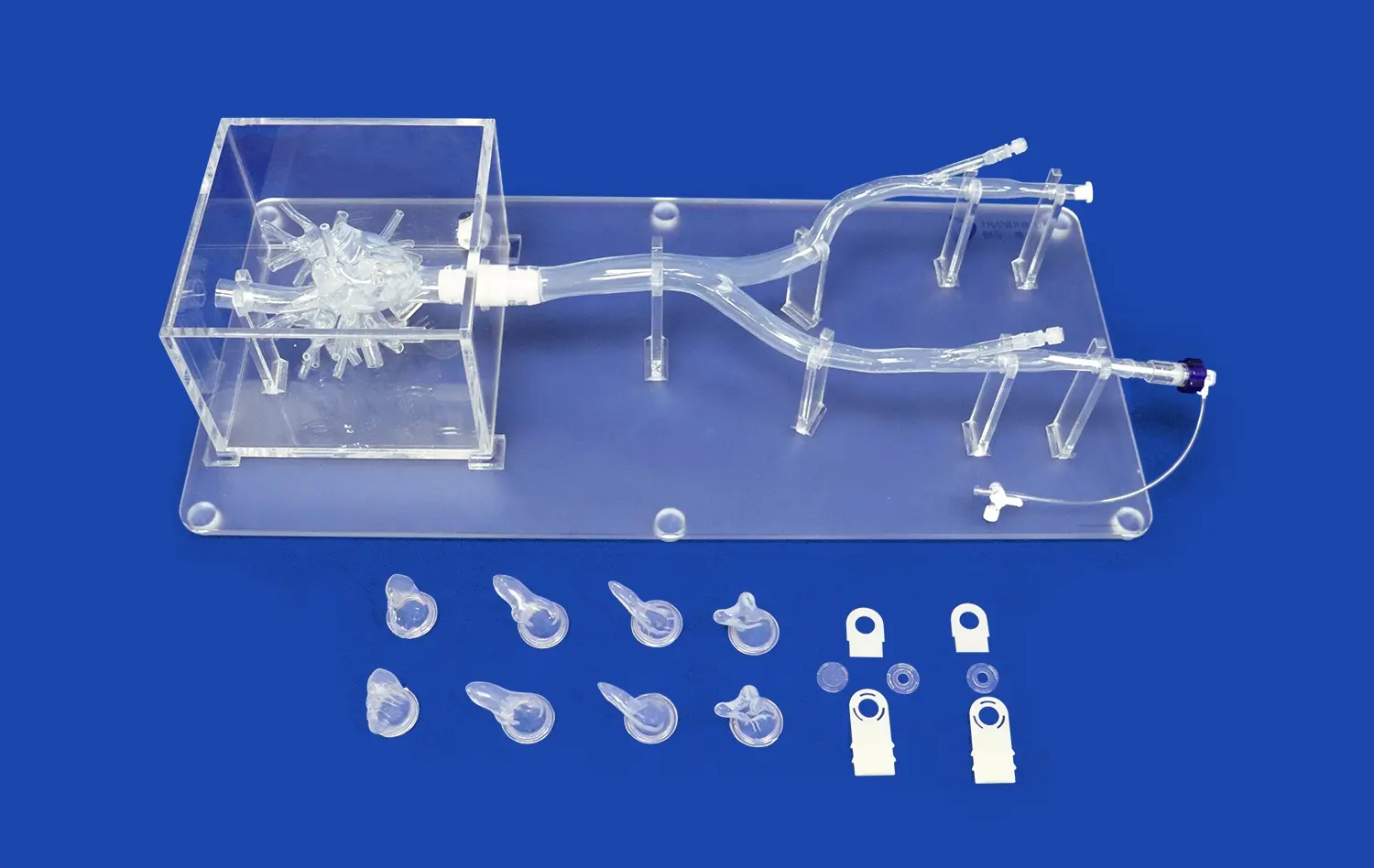
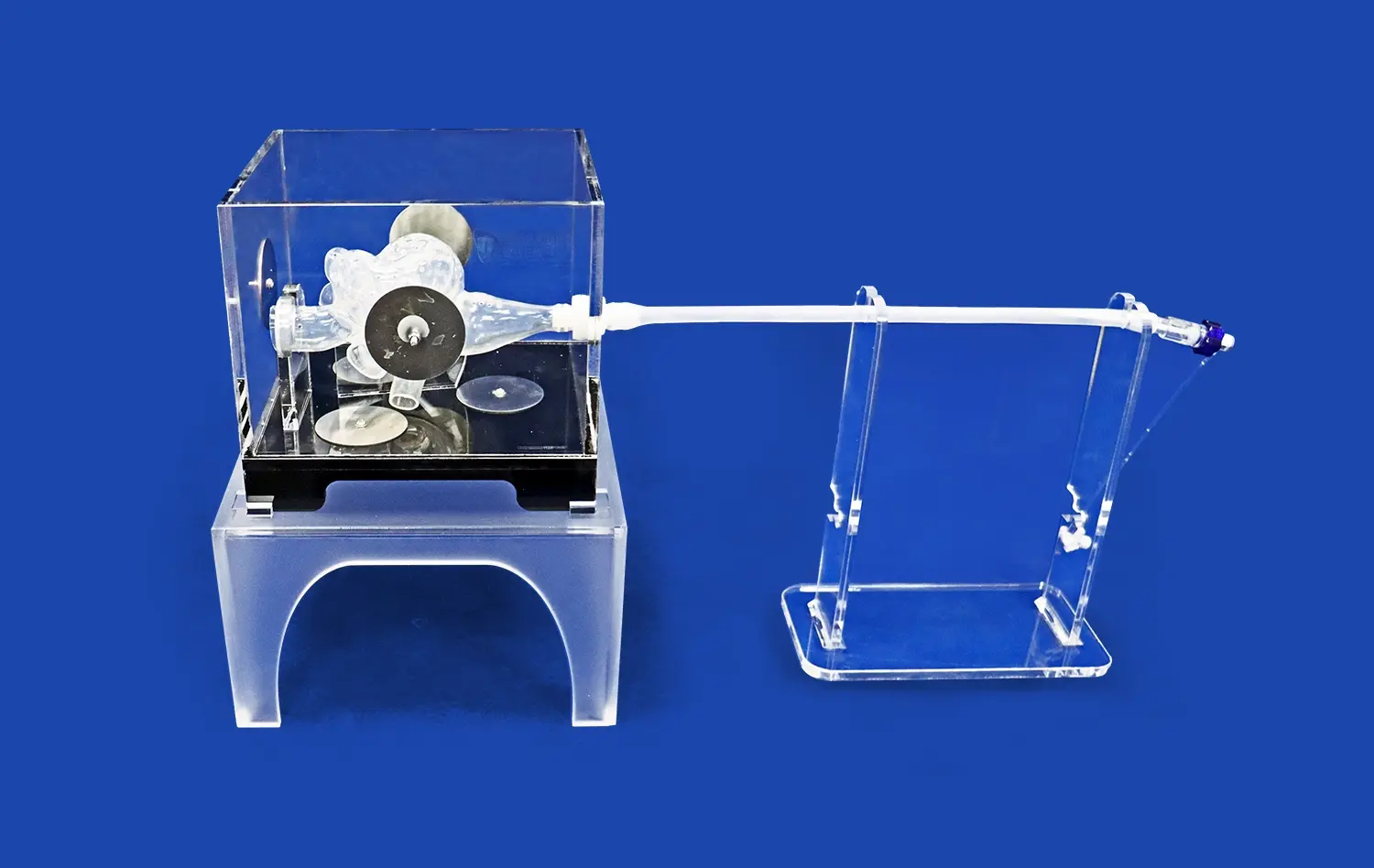
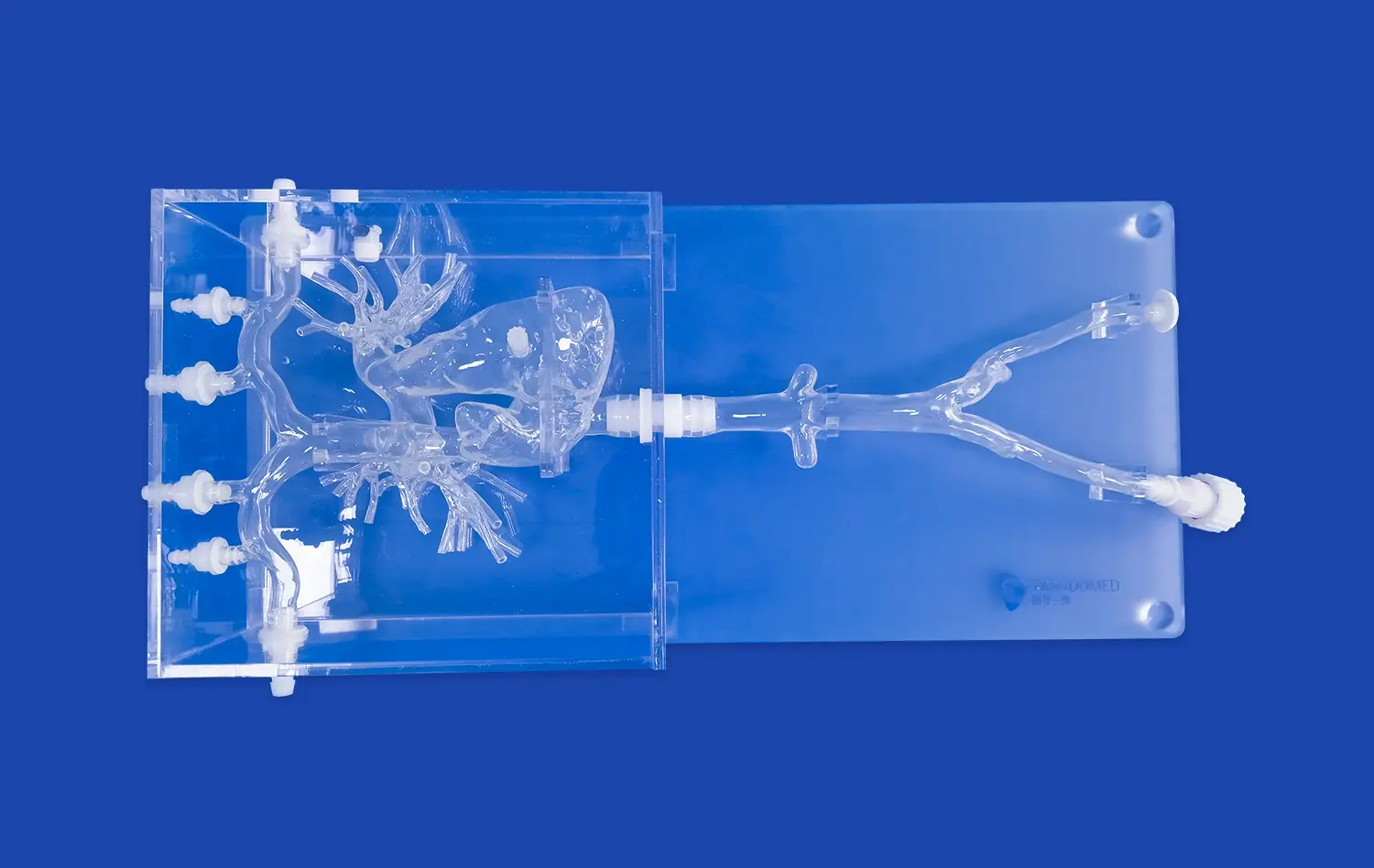
This way of integrating is shown by Trandomed's cardiovascular disease model (Product No.: PCI-21). This model is made of silicone Shore 40A and shows the radial artery, aortic arch, left coronary artery, diagonal branch, left anterior descending artery, circumflex branch, and femoral artery in a way that is true to life. The model has chronic total occlusion lesions in the middle part of the right coronary artery and simulates the effects of stent release on the LAD. This gives a lot of different testing situations for different coronary intervention devices.
Enhanced Prediction Accuracy
When compared to standard testing methods, these cardiovascular disease model tools make predictions that are more accurate. According to research, cardiovascular disease models can accurately predict how well a device will work more than 90% of the time when they are properly set. The models are more accurate because they can replicate the complicated changes in blood flow and body structure that affect how the gadget works during real treatments.
Comparative Insight: Cardiovascular Disease Models vs. Traditional Testing Methods
Traditional ways of testing cardiac devices have long depended on physical samples and long clinical studies, which makes it hard to keep costs down, get things done quickly, and be accurate across a wide range of patient groups. Traditional methods like these often need a lot of money and a long time to work before they show any real effects.
Limitations of Traditional Testing
Traditional testing methods have a number of flaws that make gadget creation less efficient. Clinical studies are needed for governmental approval, but they cost a lot of money, take a long time to complete, and need a lot of patients. Physical prototype testing is useful for checking basic functions, but it can't fully simulate all the abnormal conditions that doctors see in real life.
Advantages of Model-Based Testing
Cardiovascular disease models offer personalised testing methods that are based on data and make gadget review much more sensitive and specific. These models can more accurately simulate complicated heart conditions than older ways, showing how the device works in a number of different clinical situations at the same time.
Validation studies have shown over and over that these models are more accurate and can make better predictions. Case comparisons show that model-based testing can cut down on the need for trials by up to 40% while also speeding up the time it takes to get a device ready for use. This increase in speed is especially helpful for people who work in business-to-business buying and have to make choices based on solid proof rather than limited trial data.
Cost-Effectiveness Analysis
When you compare the total prices of research, you can see that cardiovascular disease model testing is good for the economy. Buying the first model costs money, but the money you save in the long run by not having to do as many clinical trials and getting the product to market faster more than makes up for it. Companies that use model-based testing say that their total gadget development plans save them 25 to 35 percent of their budget.
Key Cardiovascular Disease Modeling Techniques for Device Evaluation
Advanced cardiovascular disease model methods have become important tools for full device review. They provide many ways to mimic heart diseases and check how well devices work in different situations.
Population-Based Modeling Approaches
Population-based models give us a big picture view of epidemiology, which is important for knowing how well devices work for a wide range of patient groups. These models use statistical data from big groups of patients to simulate how the device will work in different groups of the community. Before buying a gadget, healthcare institutions use these models to guess how well it will work with their specific patient groups.
AI-Driven Machine Learning Models
Adaptive forecast and customisation made possible by artificial intelligence have changed the way cardiovascular disease models are made. Machine learning systems look at huge amounts of data about patients, how well devices work, and clinical results to make virtual settings that are more realistic. As more data comes in, these AI-driven models keep getting better at making predictions.
This uses machine learning to make circulatory modelling flexible enough to adapt in real time to new gadget designs and new diseases. This freedom is very helpful for companies that are making the next wave of cardiac intervention devices.
Simulation and Prognosis Models
Simulation and prediction models help with thorough risk stratification and longevity ratings, which are very important for figuring out how reliable a device will be in the long run. Biomechanical research, material science, and clinical result data are all used in these models to look at how well devices work over long periods of time.
Trandomed's cardiovascular disease models work with these advanced modelling methods because they have traits that can be changed to change the intensity of narrowing, the pattern of hardening, and the qualities of an embolism. With this customisation feature, a single platform can be used for full testing in a number of different abnormal situations.
Hemodynamic Simulation Capabilities
The haemodynamic modelling skills of modern cardiovascular disease models accurately reproduce the patterns of blood flow, pressure differences, and wall stress distributions that are found in sick veins. These simulations help us understand how devices and blood vessels work together and find problems before they happen in real life.
Procuring Cardiovascular Disease Models and Related Software Solutions
To get cardiovascular disease models that work, you need to carefully compare the best options on the market from specialised manufacturers and platform providers. During the selecting process, many factors are looked at to make sure they best match the goals of the company and the testing standards.
Evaluation Criteria for Model Selection
Getting the right cardiovascular disease models depends on a few important factors that have a direct effect on how well they work in tests and how much they are worth in the long run. Predictive accuracy is the most important thing to think about, and models need to be tested against clinical data to make sure they give accurate results. Scalability is very important for companies that want to add more testing skills over time.
Integration capabilities with existing testing workflows represent another critical factor. Models need to work well with the lab tools, data management systems, and quality control methods that are already in use. Support services from vendors, like training, maintenance, and professional help, have a big effect on the total cost of ownership and how well the business runs.
Purchasing Models and Budget Considerations
Based on how they use the software and how much money they have, organisations must decide between subscription-based and licensed purchasing methods. Subscription models have cheaper start-up costs and regular changes, but they may be more expensive for people who use them a lot. Licensed buying gives you long-term control, but you have to pay more up front.
The budget should include more than just the original costs of buying something. It should also include the costs of training, upkeep, and possible upgrades. A full cost study should look at the total cost of ownership over the model's projected lifetime.
Integration Planning and Implementation
Integrating cardiovascular disease model systems smoothly into device testing processes needs careful planning for getting data, customising models, and following rules. To meet quality assurance and legal standards, organisations need to set clear rules for collecting data, analysing it, and documenting it.
Trandomed makes merging easier by offering a wide range of support services and customisation choices. The company can make changes based on CT, CAD, STL, STP, and STEP file types, which makes it easy to connect to current design and image processes. With a lead time of 7–10 days and no design fees for customisation, companies can quickly put in place solutions that are perfect for their testing needs.
Future Trends and Innovations in Cardiovascular Disease Modeling for Device Testing
The newest ideas in cardiovascular disease model are based on using AI and big data analytics to make personalised risk prediction and simulation possible in real time. These technology improvements look like they will speed up the development of new cardiac devices and make testing environments more flexible.
AI Integration and Real-Time Adaptation
With AI built into cardiovascular disease models, they can be changed in real time to account for new gadget designs and new diseases. With the help of AI, these models can learn from each test, making them more accurate and better at making predictions. Patterns in gadget performance data are looked at by machine learning techniques to find problems before they show up in clinical settings.
Big Data Analytics and Personalized Modeling
Big data analytics are changing the way cardiovascular disease models are made by letting huge datasets from a wide range of patient groups be used. This method based on data makes it possible to make very specific models that represent the traits and trends of each patient's illness. With personalised modelling, gadget makers can make sure that their goods work best for certain groups of patients.
Collaborative Development Ecosystems
Model makers, gadget manufacturers, and healthcare institutions are likely to work together more in the future. These relationships help make testing tools that are more complete and meet real-world healthcare needs. Collaborative environments make it easy for people to share information quickly and come up with new ideas more quickly when making cardiovascular devices.
Strategic Investment Considerations
When businesses spend money on cardiovascular disease modelling technology, they need to think about how it will affect their long-term strategies. Scalable, tested model options give businesses an edge in the gadget creation and buying processes. Setting up long-term relationships with suppliers makes sure that you can keep using new technologies and get help.
Market success in cardiac device development and buying will depend on how strategically forward-thinking companies are when they adopt new modelling technologies. Companies that use these new technologies will be able to save money on research, get their products to market faster, and get better results from their devices.
Conclusion
The use of cardiovascular disease models to test cardiac devices has become an important part of current medical device training and approval. Traditional testing methods can't compare to the accuracy, cost-effectiveness, and freedom of these advanced modelling tools, which can evaluate a wide range of factors. Adding advanced modelling methods, AI, and big data analytics to these systems keeps making them better at making predictions and being useful in real life. When companies carefully invest in high-quality cardiovascular disease models, they set themselves up to be ahead of the competition when it comes to making new devices, following the rules, and improving patient results.
FAQ
What factors affect the correctness of the cardiovascular disease model?
The accuracy of a model rests on a number of important factors, such as the source structural data's quality, the material's ability to mimic tissue features, and the accuracy of the production processes. To make sure the anatomy is correct, high-fidelity models use CT and MRI scans of real people. The materials used have a big effect on how closely the model behaves like real tissue when the gadget is tested. The model's ability to recreate fine physical details and abnormal traits that are needed for actual testing situations is affected by how well it was manufactured.
Should cardiovascular disease models be used instead of clinical trials?
Cardiovascular disease models are used in addition to clinical studies, not instead of them, when making new devices. These models are great at validating the first gadget, improving the design, and checking for safety. This makes it possible to do a lot fewer clinical studies in a shorter amount of time. Even though models are helpful for making predictions and allow for a lot of different testing situations, real clinical studies are still needed for final safety checks and government permission. Model-based tests and focused clinical studies are the best ways to make things work most efficiently while still keeping patients safe.
How should businesses judge cardiovascular disease model providers?
Companies should judge service providers by how good they are at making things, how much they can customise, how they handle quality control, and how well they offer support services after the sale. Check the company's history in medical modelling, how they use verified anatomy data, and how precise their production is. Think about the customisation choices that fit your testing needs and how well the company can integrate with your current processes. Quality licenses, following the rules, and a wide range of support services all point to long-term relationships that you can trust.
Contact Trandomed for Advanced Cardiovascular Disease Model Solutions
Trandomed has the best cardiovascular disease model options in the business and is ready to help your company with its cardiac device testing needs. Our team has worked with medical 3D printing technology and made personalised medical products for more than 20 years. As a reliable company that makes cardiovascular disease models, we offer full customisation services at no extra cost, so you can be sure that all of your testing needs are met. Get in touch with jackson.chen@trandomed.com to talk about how our cutting-edge modelling tools can help you speed up development and improve the way you test your devices.
References
Johnson, M.R., et al. "Cardiovascular Disease Modeling in Medical Device Testing: A Comprehensive Review." Journal of Medical Device Innovation, vol. 15, no. 3, 2023, pp. 45-62.
Chen, L.K., and Rodriguez, A.M. "Comparative Analysis of Traditional vs. Model-Based Coronary Device Testing Methods." International Journal of Cardiovascular Engineering, vol. 8, no. 2, 2023, pp. 123-140.
Thompson, S.J., et al. "AI-Enhanced Cardiovascular Disease Models: Applications in Device Validation." Medical Technology Quarterly, vol. 29, no. 4, 2023, pp. 78-95.
Williams, D.P., and Kumar, R.S. "Economic Impact of Cardiovascular Disease Models in Medical Device Development." Healthcare Technology Economics, vol. 12, no. 1, 2024, pp. 34-51.
Anderson, K.L., et al. "Future Trends in Cardiovascular Disease Modeling for Device Testing Applications." Advanced Medical Simulation, vol. 7, no. 2, 2024, pp. 112-128.
Martinez, J.A., and Zhang, W.H. "Validation Protocols for Cardiovascular Disease Models in Coronary Device Testing." Medical Device Standards Review, vol. 18, no. 3, 2024, pp. 67-84.
_1734504197376.webp)
_1732866687283.webp)
_1732863962417.webp)