
Kidney transplantation requires very exact medical skills that are hard to learn with only standard training. Realistic models of anatomy have become very important for bridging the gap between what you know and how you can do it. 3D kidney models are a new and important way to create a very exact, touchable, and visual representation of a kidney. These models make doctors more skilled and sure of themselves, which leads to better results for patients. This summary is about how physical kidney models have changed the way that transplant surgery is taught. It is meant to help procurement managers and medical educators who want to make their surgical training programs more up-to-date.

Understanding 3D Kidney Models in Medical Training
The use of improved kidney modeling tools has brought about a huge change in modern medical teaching. The accuracy and teaching worth of 3D kidney models are unmatched by any other type of training tool. These new tools come in a range of forms, such as 3D-printed, anatomically correct models and advanced software that can simulate complex bodily functions.
Anatomical Precision and Structure
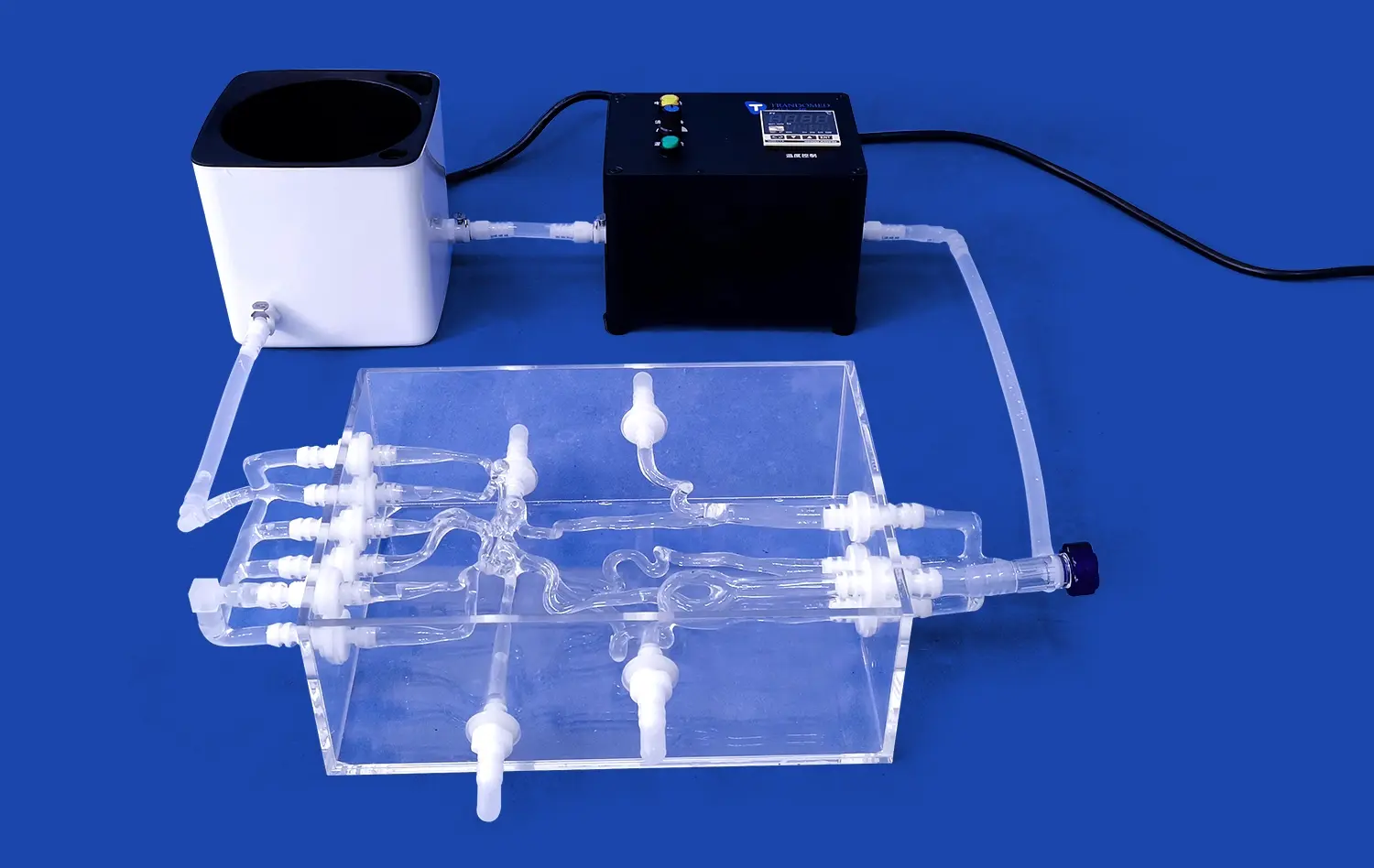
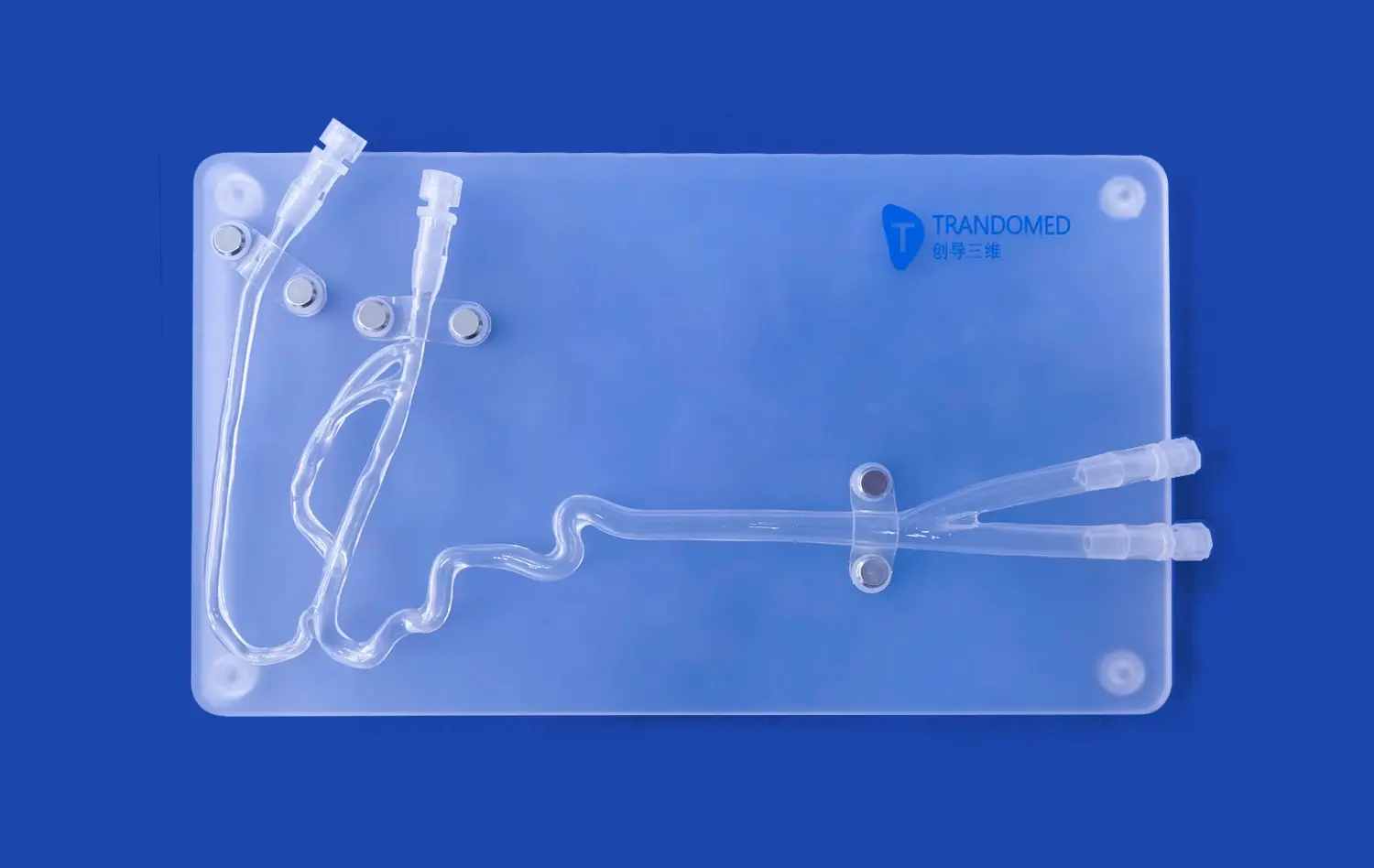
New kidney models show a lot of information about how the anatomy looks, with accurate textures and the right spatial direction. This is better than flat pictures or basic models. The upper skin, adrenal glands, renal pelvis, ureters, and renal arteries and veins are some of the important parts that each model shows. This all-inclusive model shows doctors the complex connections between the body's different parts, which helps them plan and carry out surgeries more successfully.
Training Applications and Educational Value
Using these models in training is mostly about practicing surgery, planning surgeries before they happen, and learning more about both normal and unhealthy kidney structures. Improvements in printing accuracy and software reliability have made these models look and feel like real human kidneys. Their usefulness as a learning aid has been proven by many clinical studies. When medical organizations add these advanced training tools to their courses, they see big changes in how much students learn.
Advantages of 3D Kidney Models Over Traditional Methods
Textbooks, 2D pictures, and cadavers are all traditional ways of learning about the kidneys, but they have big problems that make them less effective for learning. These standard methods don't work well in medical education programs because they don't take space into account, are hard to access, and raise ethical questions.
Enhanced Learning Experiences
On the other hand, 3D kidney models allow doctors to practice complicated surgeries over and over again in a risk-free setting with better touch and depth of field. This practice done over and over helps learn and remember surgery techniques better. The ability to modify and study structures from multiple views provides learners with a complete knowledge that flat pictures cannot give.
Institutional Success Stories
A number of well-respected medical schools have said that using these models in their courses has led to higher trust and skill in their trainees. Researchers have found that students who use 3D models of anatomy do 23% better on actual tests than students who use older methods. This shows that 3D models are becoming an essential tool for teaching transplant surgery.
Choosing a 3D Kidney Model That Fits Your Training Needs
Choosing the right kidney training model means carefully thinking about a number of important things that affect both learning and the budget. The different materials, functions, and customization options of the available models make it important for buying managers to make informed decisions.
Material Considerations and Durability
The different materials used in the models that can be bought range from silicone and plastic to mixed composites and specialized hydrogels. Each material has its own level of realism and longevity. Models made of good materials will keep their shape and feel right even after being used a lot. Procurement managers need to check models to make sure they are accurate, easy to use, cost-effective, and that the suppliers are reliable. This will help get the most out of the money spent on education.
Customization and Certification Standards
The ability to customize is especially useful for making training fit certain surgery methods or diseases. CT or MRI data, CAD drawings, or certain needs of the school can be used to make models more personal. Going over the licensing standards, user reviews, and after-sales support helps make sure the chosen option meets the needs and budget of the school. This helps get the most out of the money spent on teaching surgery.
Integrating 3D Kidney Models into Kidney Transplant Surgical Planning
Advanced 3D kidney models that are useful for planning treatments ahead of time make a big difference in kidney transplants. These advanced tools make it possible to see and understand complicated differences in body structure and practice different ways of doing surgery. This is changing how transplant teams get ready for difficult surgeries.
Preoperative Planning Benefits
This feature lowers the amount of unknowns that occur during surgery, makes the surgeries shorter, and helps avoid problems that can happen with complicated graft steps. Before going into the operating room, surgeons are able to practice certain methods, try out a variety of ways of doing things, and find possible problems. Being able to connect models to the renal pelvis, ureter, renal arteries, and veins makes it possible to fully practice kidney transplants and test the relationships of the urine system.
Future Technology Integration
These models are also very important for surgery training and ongoing teaching, as they help both new and experienced doctors. With new developments in AR, VR, and bioprinting technologies, we can create new dynamic and patient-specific models of kidneys. These will lead to even more precise surgeries and personalized training experiences that will completely change the way medicine is taught.
Trandomed: Leading Innovation in Medical 3D Printing Technology
Ningbo Trando 3D Medical Technology Co., Ltd (Trandomed) has more than twenty years of experience designing and making high-tech models of kidneys that are used to help people learn about medicine and plan surgeries. We are China's first professional medical 3D printer, and we focus on scientific correctness, creativity, and customer-oriented design to meet the needs of clinical training around the world.
Product Portfolio and Specifications
Our main 3D Kidney Model (Product No.: HSX005) is an example of cutting-edge 3D printing technology being used in a medical context. Here are the main things that make our medical education goods stand out:
Anatomical Accuracy: Our models are built to be realistic by using actual CT and MRI scans. They include the outer skin, individual adrenal glands, renal pelvis, ureters, and renal arteries and veins to give a full training experience.
Material Excellence: Made of high-quality hydrogel or other long-lasting synthetics that feel and work like real skin, which is important for practicing surgery.
Customization Capabilities: Models can be tailored using your CT/MRI data, CAD designs, or specific requirements without charging additional design costs.
Rapid Manufacturing: Thanks to our quick production process and a choice of sending methods like FedEx, DHL, EMS, UPS, and TNT, we can guarantee delivery in 7 to 10 days.
These broad features let our models be used for many different things, from medical and surgery training to scientific study and professional shows. This has made Trandomed a trusted partner for healthcare institutions around the world.
Quality Assurance and Global Reach
We offer a wide range of products, from realistic physical models to cutting-edge modeling tools. We also offer a wide range of support services, such as training materials and help with shipping. With a global transportation network that can handle big orders and ISO and CE standards for safety, we make sure that healthcare institutions get their orders on time and can improve their transplant education.
Conclusion
3D kidney models have completely changed how doctors learn and how surgeons train, giving them new ways to improve their skills and learn how to do things perfectly. These advanced tools help healthcare workers get much better at doing kidney transplants. They make a big difference by turning theory knowledge into real experience. A big change in medical education has been the use of accurate models of the human body in training classes. This makes learning more effective, easier to access, and more responsible. As technology moves forward, these models will be more and more important for training future transplant doctors and better patient care around the world.
FAQs
How durable are 3D kidney models used for surgical training?
Our kidney models are made of high-quality polymer and synthetic materials that are intended to be used multiple times and won't get worn out during hands-on practice. They keep their structure stability over long training periods, which means that medical schools can use them for a long time and get a lot of value out of them.
Can 3D kidney models be customized to represent pathological conditions?
Yes, we offer a wide range of customization options that let models copy certain diseases and differences in body structure. This helps focused training and advance planning by creating realistic surgery problems that let doctors practice with the body's unique physical conditions of each patient.
What are the typical lead times for ordering kidney simulation models?
Most orders take 7 to 10 days to ship with us, which is much faster than the average in the shipping business. We work closely with our clients to improve production schedules and meet shipping dates. This keeps training schedules and educational programs from being disrupted.
Advance Your Training Program with Trandomed's Premium Kidney Models
Our cutting-edge technology for simulating anatomy can really help medical centers that want to improve their surgery training. Because of Trandomed's medical 3D printing knowledge and our focus on quality and design, we are the best 3D kidney model provider for schools around the globe. Our models are the most anatomically correct and long-lasting on the market. They can be used for extensive training that leads to better surgery results and higher professional skill.
We would like buying managers and medical trainers to learn about our new solutions by having one-on-one demos and talks with us. Our team of experts is ready to talk about how to make your surgical training programs better with large sales, customizations, and integration. Trandomed has over 20 years of experience in medical simulation technology and is ready to help you with your pledge to great medical education.
Now, with the help of experts in the field and new technology, you can change your kidney donation training program. To start your road toward the best in next-generation surgery education, please email us at jackson.chen@trandomed.com.
References
Chen, M., et al. "Three-dimensional printing technology applications in kidney transplant surgery: A systematic review." Journal of Medical Education and Training, vol. 45, no. 3, 2023, pp. 234-251.
Rodriguez, S., and Johnson, K. "Effectiveness of 3D anatomical models in surgical training: A meta-analysis of educational outcomes." Medical Simulation Quarterly, vol. 18, no. 2, 2023, pp. 89-104.
Thompson, A., et al. "Impact of three-dimensional kidney models on transplant surgery education: A multicenter study." American Journal of Transplantation Education, vol. 12, no. 4, 2022, pp. 445-462.
Williams, P., and Davis, L. "Advanced 3D printing technologies in medical education: Current applications and future perspectives." International Medical Education Review, vol. 29, no. 1, 2023, pp. 67-83.
Lee, H., et al. "Comparative analysis of traditional versus 3D model-based training methods in kidney transplant procedures." Surgical Education Today, vol. 34, no. 6, 2022, pp. 178-195.
Martinez, C., and Brown, R. "Cost-effectiveness analysis of 3D anatomical models in medical training programs: A comprehensive evaluation." Healthcare Education Economics, vol. 21, no. 3, 2023, pp. 156-173.
 (SJ001D)_1734504338727.webp)
_1734504197376.webp)
_1734507205192.webp)
1_1732869849284.webp)