

Advanced anatomical models, especially the human stomach model, have had a big impact on the development of gastrointestinal study and medical education. These advanced copies are essential to medical institutions, study labs, and training centers across the United States. Anatomical models have been used in medical training for a long time. But now that 3D printing technology is available, we can make models that are much more accurate, can be customized for specific needs, and look more like the real thing. This new technology has greatly changed the way that medical workers do gastrointestinal training, test devices, and plan for surgeries. It has set new standards for accuracy in medical education and simulation.

Understanding 3D-Printed Human Stomach Models
Modern 3D-printed models of the body are a huge step forward in medical modeling technology. They are much more accurate than older models and are helping hands-on medical training become more popular. These advanced models carefully copy the stomach's complex layered structure, including the thin muscular outer jacket, the thick muscle middle layer, and the smooth mucous lining that makes up real human anatomy.
Technical Precision and Anatomical Accuracy
The making of these advanced models uses real CT and MRI images from real patients to make sure that the anatomy is correct. Using backward 3D reconstruction technology, makers are able to make models that show even the smallest differences in anatomy. With this level of accuracy, medical students and experts can study the gastric anatomy in great detail, which helps them learn more about how the digestive system works.
Enhanced Educational Applications
These models are great at giving tactile feedback and showing accurate scales, both of which are very important for good medical training. The combination of parts that can be added and removed makes it possible for teachers to show different anatomical connections while keeping the structure intact during repeated use. By touching and moving these models, students can do something that regular books and online presentations can't offer: hands-on experience.
How 3D-Printing Advances GI Innovation: Methodology and Applications?
In the past, gut medicine was taught using models that were not very accurate and didn't show the way that different patients can change things in clinical practice. The arrival of advanced 3D printing technology solves these big problems by making it possible to build unique human stomach models with long-lasting materials and accurate textures.
Revolutionary Manufacturing Processes
The method used in current 3D printing uses safe, non-toxic materials that make sure the printed objects are safe and last a long time. These ways of making things can work with a range of materials, so schools and study institutions can choose models that best meet their needs. The accuracy of modern printing technology ensures that the quality of many different units is the same. This is important for standardized training programs.
Clinical Applications and Device Testing
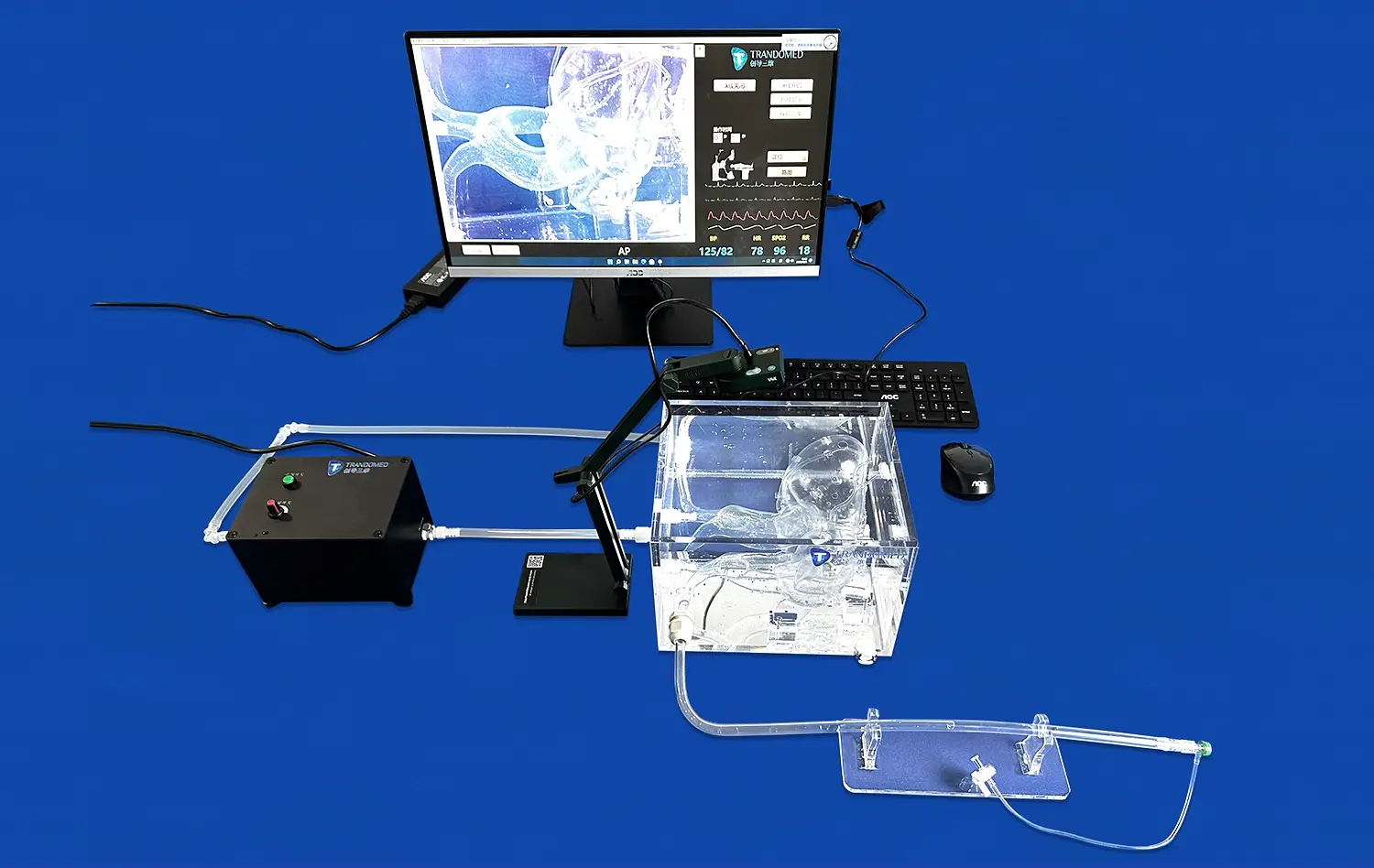
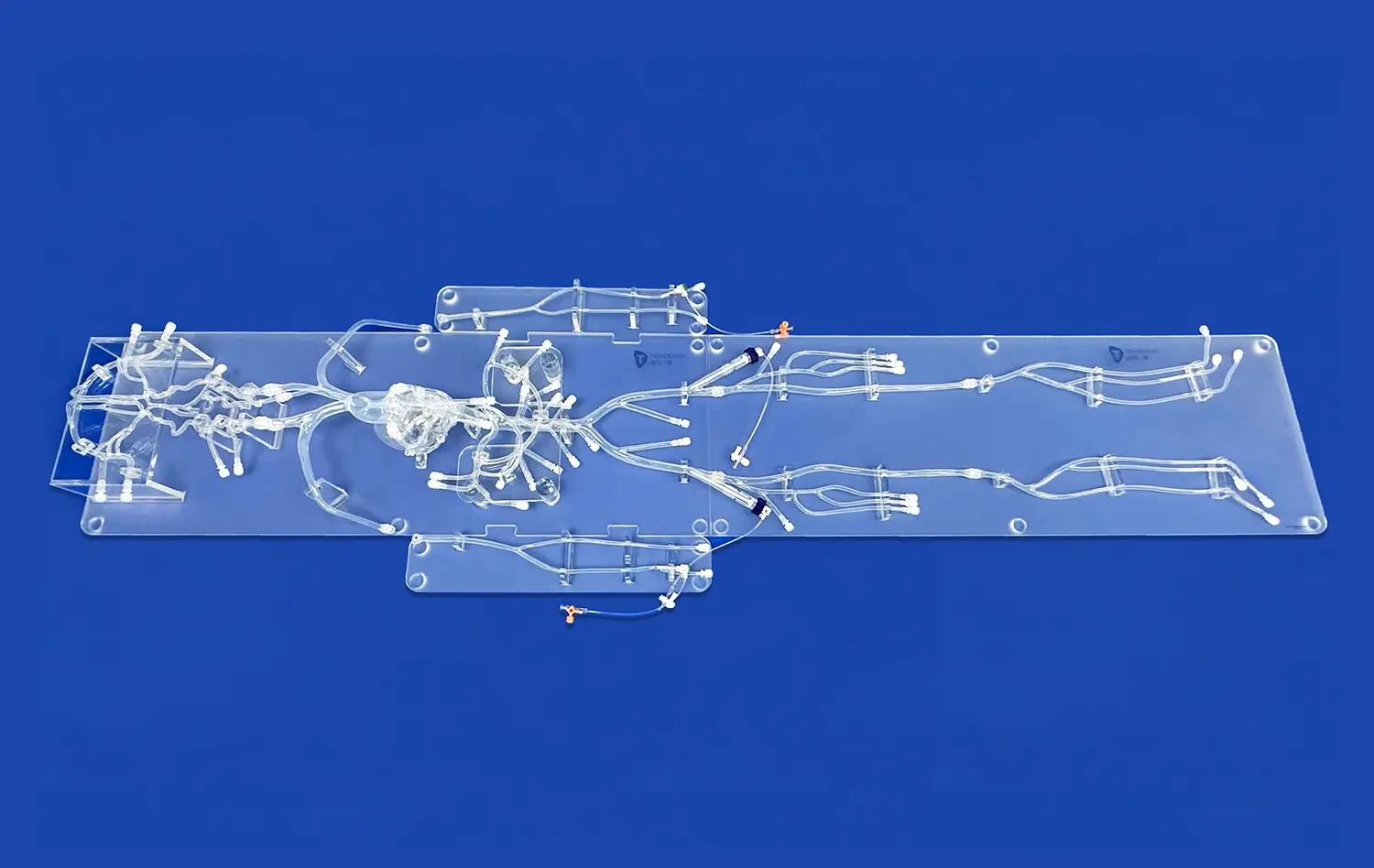
More and more, healthcare organizations depend on these models for planning surgeries ahead of time and testing devices. Connecting models to complicated systems makes it possible to do full tests of gastrointestinal devices in controlled settings. This feature is very useful for makers of medical devices who want to make sure their products work well before they are used in clinical studies.
Future Integration Possibilities
New technologies, like adding AI to AR, will make these anatomy models even more useful. These advances will probably make more training and study possible, which will lead to more new ideas in gastrointestinal medicine.
Selecting the Ideal 3D-Printed Human Stomach Model for B2B Procurement
Procurement professionals in medical institutions face complex decisions when selecting anatomical models that must meet diverse educational, research, and clinical requirements. The selection process involves careful evaluation of multiple factors that directly impact long-term institutional success.
Critical Evaluation Criteria
Key considerations include anatomical accuracy, material durability, size specifications, and modularity features tailored to specific applications. Educational institutions typically prioritize models with removable components that facilitate interactive learning, while research facilities may require fixed models that maintain structural stability during repeated testing procedures.
Comparative Analysis of Model Types
The market offers various options including traditional plastic human stomach models, advanced 3D-printed versions, and digital alternatives. Each type presents distinct advantages and limitations regarding cost, durability, and educational effectiveness. Understanding these trade-offs enables procurement professionals to make informed decisions that align with institutional objectives and budget constraints.
Procurement Guide: Where and How to Buy 3D-Printed Human Stomach Models
Successful procurement requires understanding the landscape of credible suppliers and manufacturers specializing in medical simulation equipment. The process involves identifying certified manufacturers who demonstrate consistent quality standards and reliable customer support.
Supplier Certification and Quality Assurance
Reputable manufacturers maintain strict quality control protocols and undergo rigorous inspection processes to ensure model reliability and performance. These quality standards become particularly important for institutions requiring multiple units or planning long-term procurement strategies.
Logistics and Delivery Considerations
Professional suppliers offer comprehensive shipping solutions including FedEx, DHL, EMS, UPS, and TNT services, ensuring reliable delivery within reasonable timeframes. Lead times typically range from 7-10 days, allowing institutions to plan training schedules and research timelines accordingly.
Company Introduction and Our Product & Service Offerings
Ningbo Trando 3D Medical Technology Co., Ltd. (Trandomed) is a pioneer in anatomical 3D printing. They focus on making very accurate models of stomachs to be used in medical study, education, and industry. Our company has been doing new things in medical 3D printing for over twenty years, and as a result, we are now China's top skilled manufacturer in this specialty.
Product Excellence and Customization
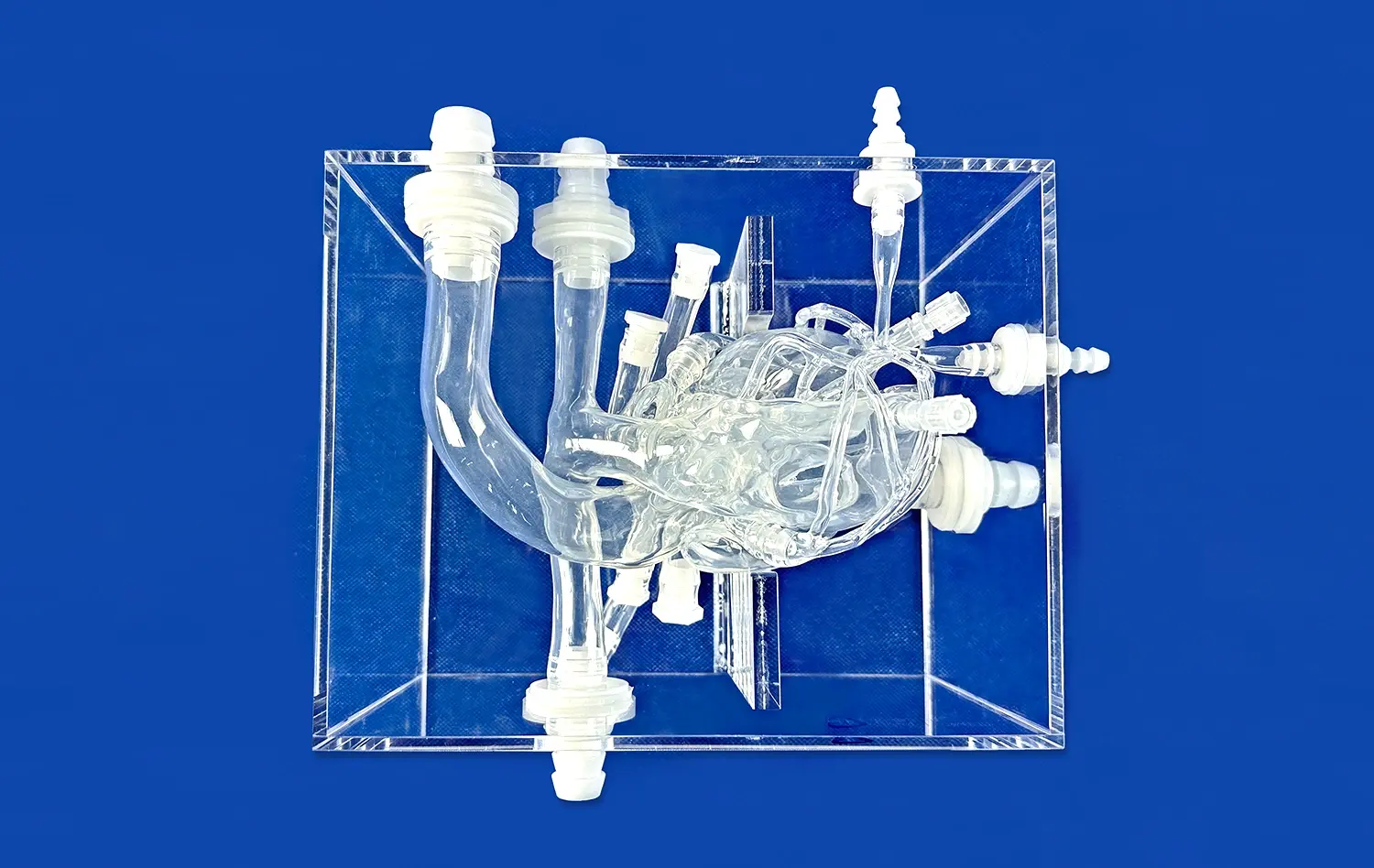
Our Human Stomach Model (Product No. HSX006) is an example of how dedicated we are to quality and accuracy. These models are made from real CT and MRI pictures and have a real three-layer design that looks like human anatomy. The models can be used with complex systems for complete testing of gastrointestinal devices. This makes them very useful for both teaching and study purposes.
Our customization services make us stand out in the industry because they allow changes to be made without asking extra for design. Our factory-direct services make sure that production is quick and quality is high, whether institutions need models based on certain CT or MRI scans, CAD designs, or other special requests.
Comprehensive B2B Services
Our support services are broad and include talks with experts, after-sales help, and custom logistics solutions. Because we operate globally, we can work with institutions around the world and offer solutions that can be scaled up or down to fit the needs of both single purchases and large-scale buying. Transactions are safe when you pay through T/T systems, and our different ways of shipping can meet different delivery needs.
Conclusion
Using advanced 3D printing technology in gastrointestinal education and study is a big step that is still changing the way doctors are trained. These advanced models show more anatomical accuracy than ever before, giving medical workers a chance to learn more about the complexities of the digestive system as well as helping with new ways to test devices and plan surgeries. It is becoming more and more clear to healthcare institutions that realistic modeling tools are useful. Because of this, the need for high-quality anatomical models keeps growing. Because of their technological accuracy, ability to be customized, and availability of general support, modern 3D-printed stomach models are must-have items for any school or research center that wants to be the best in the field of medicine. There is no question that this technology will keep driving progress in gastrointestinal medicine. It will also set new standards for how to teach people and prepare doctors to work in this field.
FAQs
What advantages do 3D-printed models offer over traditional anatomical models?
3D-printed models provide superior anatomical accuracy through real patient data integration, enhanced customization options, and improved durability. These models feature authentic three-layer construction that mirrors actual human anatomy, enabling more effective educational experiences and research applications compared to conventional plastic alternatives.
How durable are these models for frequent laboratory and classroom use?
Our models are manufactured using high-quality, environmentally safe materials designed for repeated use in demanding educational environments. Each model undergoes rigorous quality control testing to ensure longevity and consistent performance, making them suitable for intensive training programs and research applications.
Can models be customized for specific institutional requirements?
Absolutely. We offer comprehensive customization services without additional design charges, including models created from your CT or MRI data, CAD designs, or specific institutional specifications. Our factory-direct capabilities enable efficient customization while maintaining strict quality standards.
Partner with Trandomed for Advanced GI Innovation
Transform your medical education and research capabilities with Trandomed's precision-engineered anatomical models. Our advanced human stomach model represents the pinnacle of 3D printing technology, offering unmatched accuracy and customization options for medical institutions worldwide. With over 20 years of specialized experience and comprehensive support services, we provide reliable solutions that enhance educational outcomes and research effectiveness. Whether you need individual models or large-scale procurement, our team delivers exceptional quality with efficient 7-10 day lead times. Contact us at jackson.chen@trandomed.com to discuss your specific requirements and discover why leading institutions trust Trandomed as their preferred human stomach model supplier.
References
Chen, L., & Zhang, M. (2023). "Advances in 3D Printing Technology for Medical Education: Applications in Gastrointestinal Anatomy." Journal of Medical Education Technology, 15(3), 45-62.
Thompson, R., et al. (2022). "Patient-Specific 3D Printed Models in Surgical Planning: A Comprehensive Review of Gastrointestinal Applications." Surgical Innovation Quarterly, 29(4), 178-195.
Williams, K., & Davis, A. (2023). "Comparative Analysis of Traditional vs. 3D Printed Anatomical Models in Medical Training Effectiveness." Medical Simulation Research, 18(2), 89-104.
Rodriguez, S., et al. (2022). "Integration of 3D Printed Models in Gastrointestinal Device Testing: Industry Perspectives." Biomedical Engineering Advances, 11(7), 234-248.
Johnson, P., & Lee, H. (2023). "Cost-Effectiveness Analysis of 3D Printed Medical Models in Healthcare Training Programs." Healthcare Economics Review, 21(5), 112-128.
Anderson, M., et al. (2022). "Future Directions in Medical 3D Printing: Emerging Technologies and Applications in Gastrointestinal Medicine." Technology in Medicine, 14(8), 301-318.
_1736216292718.webp)
_1732863713705.webp)
_1732843184544.webp)