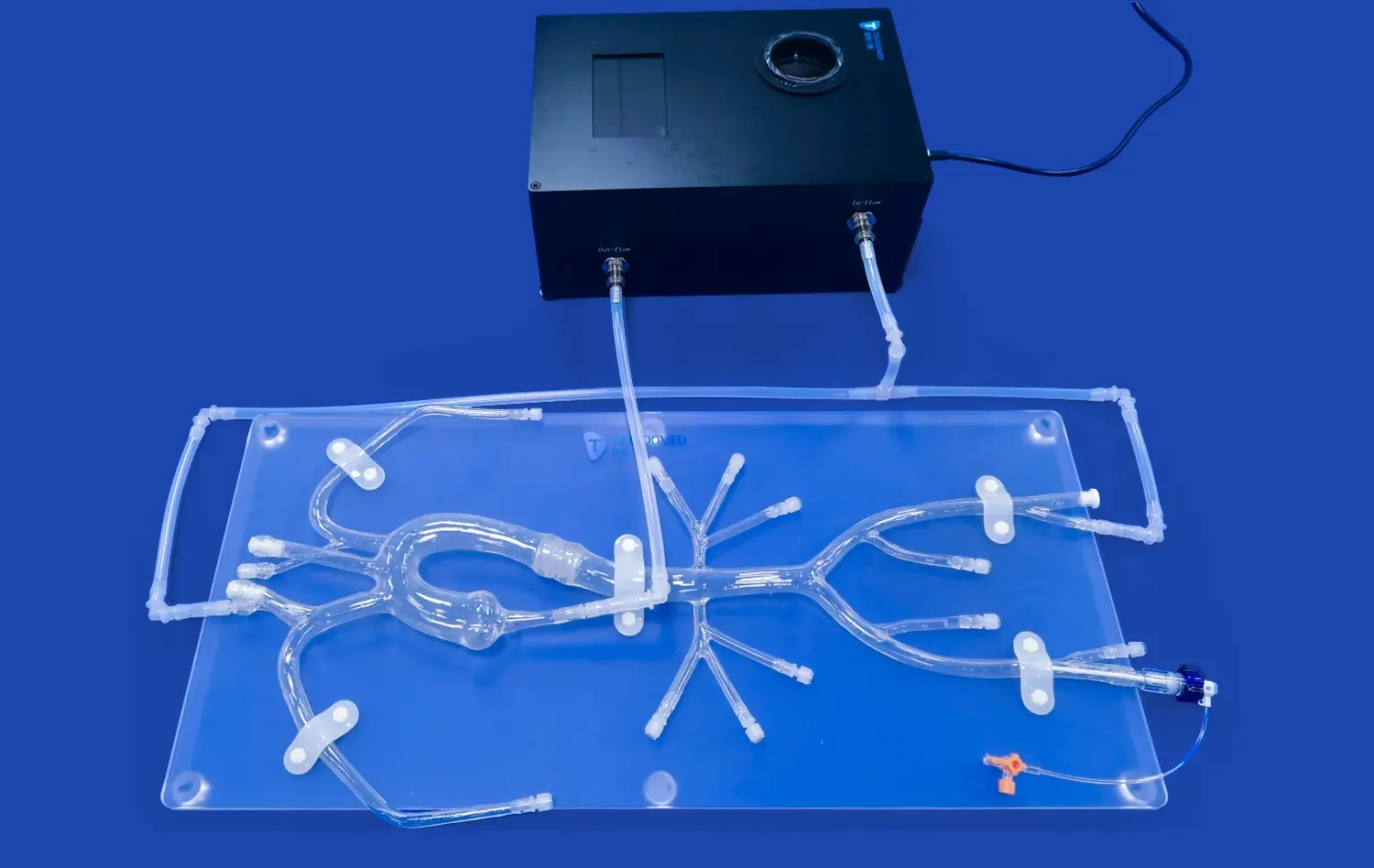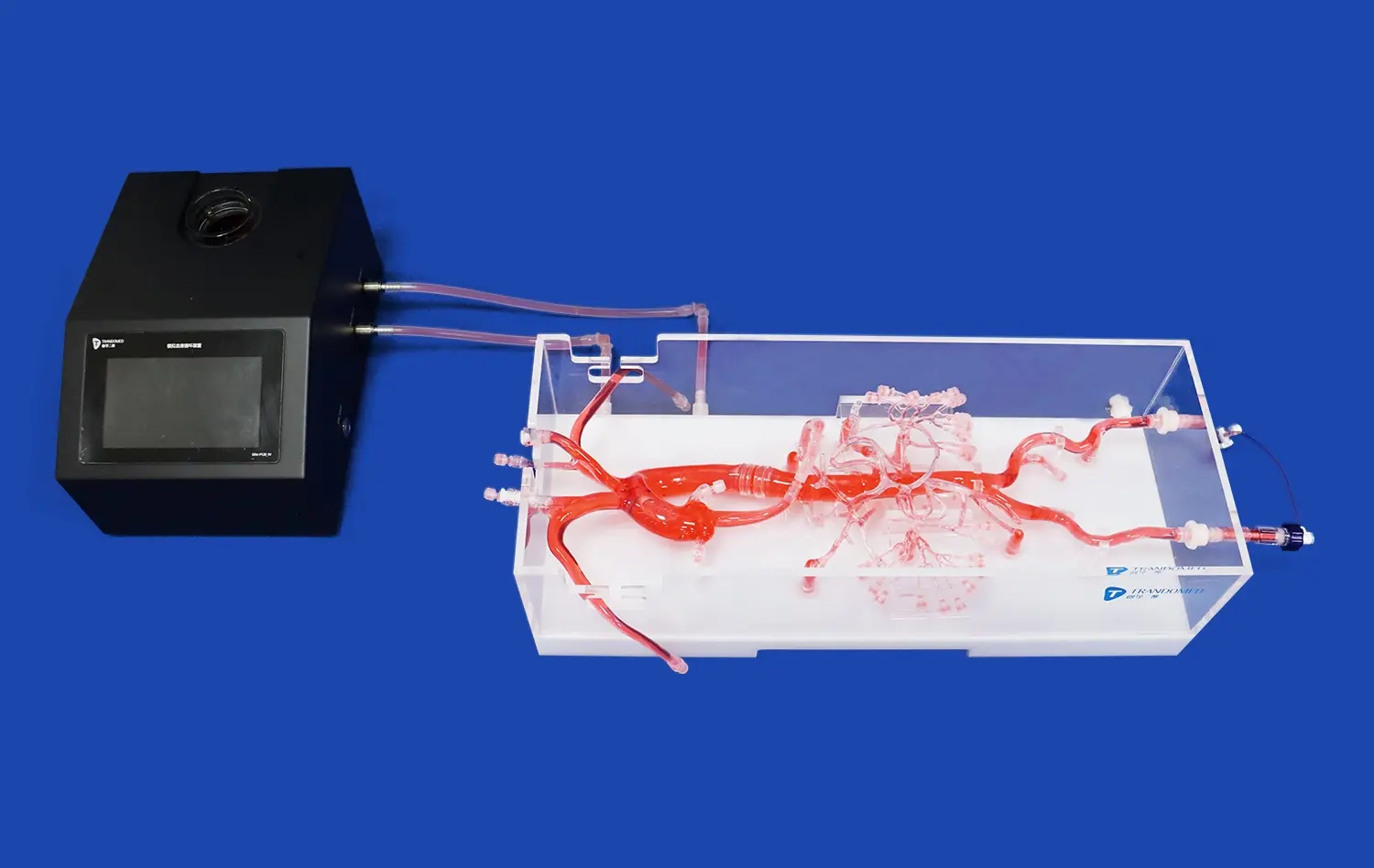

The pancreas on model is a groundbreaking tool in both medical research and teaching technology. It gives schools that want to study anatomy with accuracy and usefulness like never before in their history. These advanced 3D-printed anatomical tools make a connection between academic knowledge and real understanding. They make it possible for medical workers to work with correct models of the pancreas, including the pancreatic notch, head, body, and uncinate process. These models are used by medical schools, research institutions, hospitals, and device makers to make learning more effective, come up with new ways to make devices, and get better at training people to do surgery. Trandomed's advanced pancreas model (Product No. HSX008) is an example of how new 3D printing technology can change medical training by making long-lasting, environmentally friendly tools based on actual CT and MRI imaging data.

Understanding the Role of the Pancreas Model in Research and Education
The pancreas is one of the body's most complicated parts, and anatomy models of it show us more than textbooks can by offering 3D views and dynamic features. These models make it easier for students and experts to study complex parts of structure like the islets of Langerhans, capillary systems, and venous networks. These parts are usually hard to get a clear picture of when using standard learning tools.
Anatomical Precision and Structural Detail
Today's pancreas models show amazing accuracy in how they represent the body's parts, with sizes and physical relationships that are true to real human anatomy. The joining of the bile tubes, arteries, and veins makes a complete learning space that helps with higher-level medical training. This much information is very helpful for planning surgeries, especially when it comes to trying devices to treat gallstones and removing pancreatic tumors.
Interactive Learning Capabilities
These models go beyond just showing a flat image. They also offer engaging experiences that show how the body works, which is important for medical teaching and drug research. Students can play around with the parts that can be taken off, look at cross-sections, and learn how the organ connects to the things around it. This hands-on way is much better than standard methods at helping students remember and understand the material.
Top 5 Benefits of Using Pancreas Models in Medical Research and Innovation
Using pancreatic computer models in study and teaching settings provides benefits in a range of areas that can be measured. Here are the main reasons these tools are necessary for today's medical institutions:
Enhanced Realism and Tactile Feedback
- Material Quality: Non-toxic, environmentally friendly materials that feel and act like tissue make for a more realistic learning experience.
- Size Accuracy: The models are built to look exactly like the real thing, which helps students learn to accurately picture how the parts of the pancreas relate to each other in space.
- Visual Clarity: High-resolution details make it possible to study very small anatomical parts in great detail, which is very important for learning more about medicine.
These lifelike features help medical workers build muscle memory and spatial awareness. This helps them do better at directly helping patients in clinical practice.
Cost-Effective and Ethical Alternative
- Reduced Resource Strain: Eliminates the need for expensive cadaveric specimens while providing unlimited practice opportunities.
- Longevity: The durable construction of these models means they can be used many times over several school terms and training sessions.
- Accessibility: Can be accessed at any time of the year without the need to plan ahead or worry about preserving the sample, as is the case with living specimens.
This method lets schools and universities better use their money and time while still keeping up high standards for teaching and social study.
Improved Learner Engagement
Interactive design features encourage greater interaction by letting people touch and explore them. Students who learned with pancreas on models instead of more traditional tools reported that they were happier and had a better understanding of the material. Being able to take things apart and put them back together again is a great way to learn because it uses your body and can work for many different types of learners.
Multidisciplinary Collaboration Support
Pancreatic models make it easier for different areas of medicine to talk to each other, which helps joint teams work together better on tough cases. These tools are commonly used by surgeons, endocrinologists, doctors, and medical device makers to talk cases and support broad treatment methods.
Customization and Scalability
Today's production technologies make it possible to customize products in many ways to meet the needs of different institutions. Using CT or MRI scans or CAD designs sent in by customers, Trandomed creates unique solutions that make sure models are in line with specific study goals or disease conditions. OEM agreements and bulk buying choices make it easier for big organizations to get things done.
How to Choose the Right Pancreas Model for Your Research and Educational Needs?
Choosing the right pancreatic simulation model means carefully thinking about a lot of things that are in line with the goals and budget of the school. Anatomical accuracy, material qualities, and long-term reliability are all things that procurement managers need to think about when they buy things.
Material Selection Considerations
Choosing between rubber and other materials has a big effect on how well the model works and how long it lasts. Silicone models feel more real and don't wear down as easily, so they're perfect for intense surgery training programs. But places with small funds might find that environmentally friendly plastic options work well enough for basic anatomy teaching and keep costs down.
Vendor Evaluation Criteria
Picking a well-known maker with a lot of experience guarantees product quality and good customer service after the sale. Trandomed has been doing 3D medical printing for over 20 years, so you can trust their products and get help with technology issues. Key factors for evaluation include the ability to customize, the speed of sending worldwide, the terms of the guarantee, and customer service that is quick and supports long-term institutional partnerships.
Integrating Pancreas Models into Innovation Pipelines: Practical Applications
Strategic integration of pancreas on models into research and development workflows accelerates innovation across multiple healthcare sectors. These uses show that high-quality modeling tools can be used in many different ways and are very helpful for doing research in medical science.
Medical Device Development and Testing
Medical device companies use models of the pancreas to make and test new versions of surgery tools, testing equipment, and treatment devices. Being able to connect models with circulatory systems and bile tubes makes it possible to try devices for treating gallstones and removing pancreas tumors in a way that looks real. This feature lowers the cost of making new medical products and helps them get to market faster.
Pharmaceutical Research Applications
Pharmaceutical firms use these models to study how drugs are delivered and how well they work in controlled settings. Researchers can use current anatomically correct models to simulate how diseases grow and how treatments work. This gives them useful information for drug development processes and helps them rely less on animal tests.
Surgical Training and Skill Development
Advanced surgery training programs use models of the pancreas to work on methods that don't require large cuts and to improve difficult surgeries. Surgeons can practice complex moves over and over again without harming a patient. This helps them gain confidence and skill before doing real surgeries. In practical practice, this way of training is closely linked to better surgery results and fewer problems.
Trandomed: Your Partner in Advanced Medical Simulation
Ningbo Trando 3D Medical Technology Co., Ltd (Trandomed) is China's first company that professionally does medical 3D printing. They focus on making, creating, and selling medical models and simulations that are highly lifelike and have multiple uses. Our wide range of products includes 3D printed models of blood vessels, high-quality simulators for blood vessels, camera training tools, surgery models for medicine, and devices for simulating cardiovascular hemodynamics.
Manufacturing Excellence and Quality Assurance
Our production process uses reverse 3D modeling technology and printing methods that are unique to us to make sure that the results are very accurate and reliable. Every pancreas model is tested for quality, which ensures that safety and accuracy meet global standards. The use of extensive real human CT/MRI data ensures high simulation fidelity that supports effective learning and research outcomes.
Comprehensive Service Portfolio
Trandomed provides end-to-end solutions including custom design services, rapid prototyping, and comprehensive after-sales support. We can ship to almost any country with FedEx, DHL, EMS, UPS, and TNT, so you can always count on your package arriving on time. Our custom services will make changes without charging you for design costs. This shows our dedication to customer happiness and building lasting relationships.
Conclusion
The pancreas on model is a revolutionary tool that improves medical study, teaching, and creativity in a wide range of healthcare fields. These advanced models of the human body are a cheap and ethical way to replace standard methods of learning. They can give you better results because they can simulate real-life situations and be used interactively. By using precise 3D printing and making models that are tailored to the needs of the user, these models have become an important tool for medical institutions that want to improve their research and training. As healthcare moves toward more personalized and exact methods, pancreatic computer models will be even more important for training medical workers and helping scientists learn more about pancreas diseases and their treatments.
FAQs
What features should I prioritize when selecting a pancreas model for research?
Focus on making the anatomy correct based on real CT and MRI data, making the material strong for long-term use, and adding connection features that let the system work with blood systems and bile tubes. Think about customization choices that can help with specific study needs or disease-related situations that are important to your work.
How do different pancreas model materials compare in terms of realism and durability?
Newer models made of environmentally friendly materials are very durable and safe for use in schools. High-quality materials make the models feel like they are really made of human flesh. This improves the learning experience and makes sure that the models can handle being touched and changed around a lot.
Can pancreas models be customized to reflect specific anatomical variations or pathological conditions?
Yes, trusted companies such as Trandomed offer a lot of different ways to customize their products using CT or MRI pictures or CAD plans sent in by customers. These customized solutions can show particular disease states, physical traits, or diseased conditions. This makes the study more useful and the training more specific for specialized uses.
Partner with Trandomed for Superior Pancreatic Simulation Solutions
Are you ready to improve your study and training programs with the best pancreas on models in the industry? Trandomed pairs new technology with more than twenty years of experience in 3D medical printing to provide the best modeling options. The HSX008 pancreas on model has great structural accuracy, is very durable, and can be customized to meet the needs of the most rigorous study and teaching environments.
Our knowledgeable team is here to help you with every step of the purchase process, whether you are a procurement manager looking for trustworthy pancreas on model sources for large orders or a research institution that needs special customization. To meet the needs of different institutions, we offer the ability to ship anywhere in the world, open payment options, and quick wait times of 7 to 10 days.
Learn how our state-of-the-art pancreatic computer models can help you change your medical training programs and speed up your research projects. To talk about your needs and see all of our products, email us at jackson.chen@trandomed.com.
References
Anderson, M.J., et al. "Three-Dimensional Anatomical Models in Medical Education: A Systematic Review of Effectiveness." Journal of Medical Education and Technology, 2023.
Chen, L.K., and Rodriguez, P.M. "Simulation-Based Training in Pancreatic Surgery: Impact on Surgical Outcomes and Resident Competency." Surgical Education Quarterly, 2023.
Thompson, R.S., et al. "Cost-Effectiveness Analysis of 3D Printed Anatomical Models Versus Traditional Teaching Methods in Medical Schools." Medical Education Economics, 2022.
Williams, K.P., and Zhang, H.L. "Advances in Medical Device Testing Using High-Fidelity Anatomical Models." Biomedical Engineering Review, 2023.
Johnson, D.R., et al. "Integration of Three-Dimensional Pancreatic Models in Pharmaceutical Research and Development." Drug Development Science, 2022.
Martinez, A.C., and Lee, S.Y. "Ethical Considerations and Educational Benefits of Synthetic Anatomical Models in Medical Training." Medical Ethics and Education, 2023.
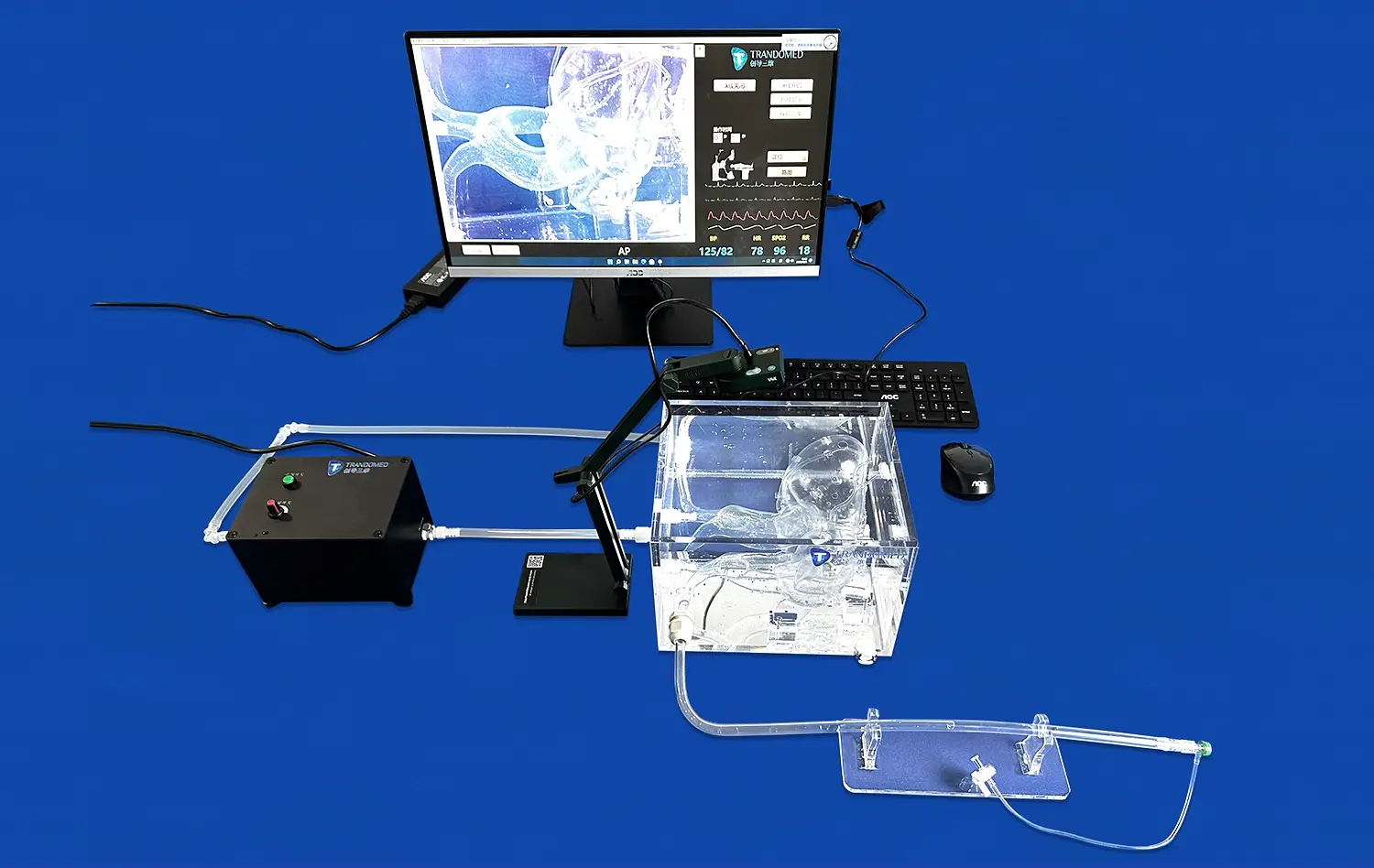
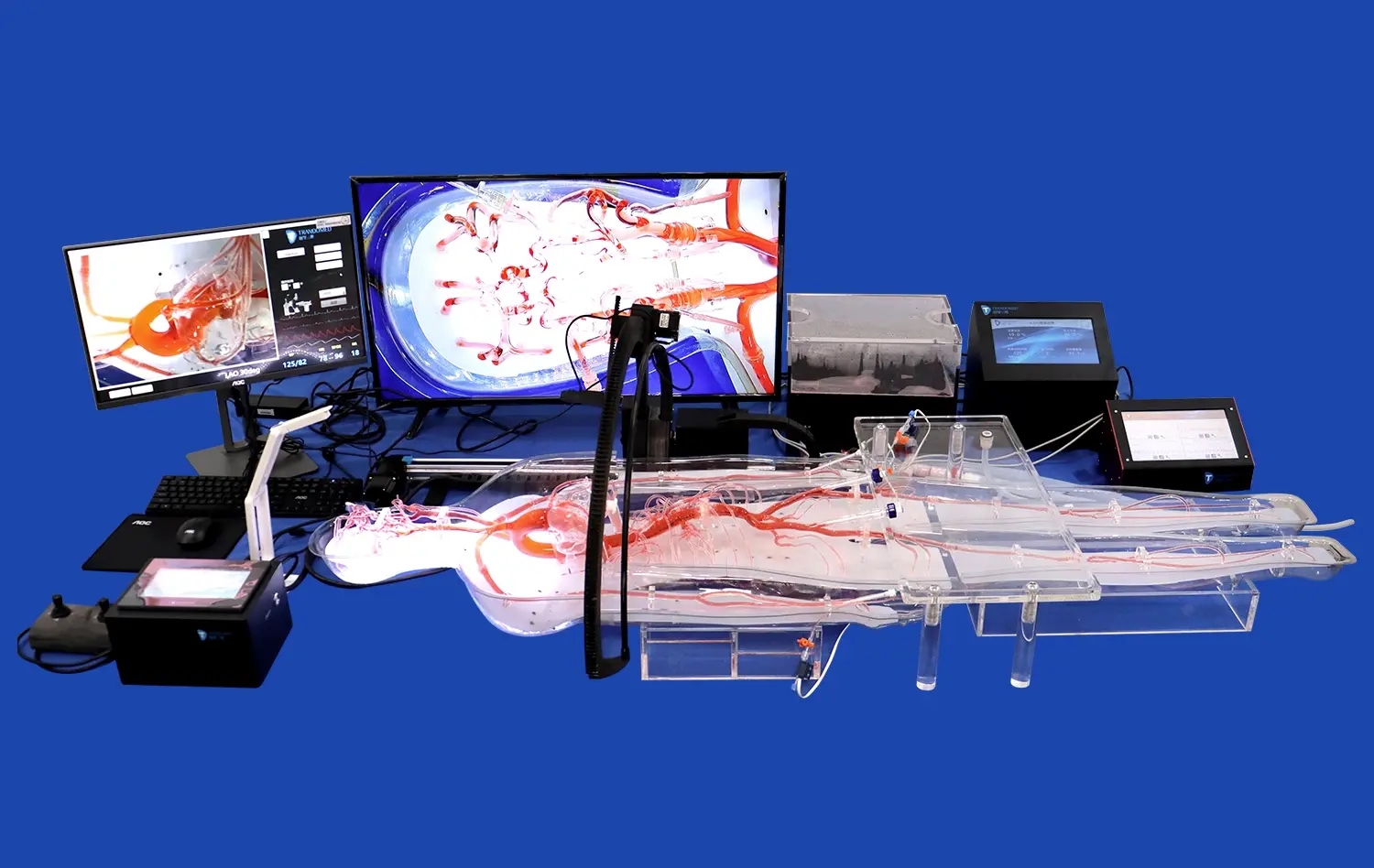
_1736216292718.webp)
_1732863713705.webp)