
Training for Basilar Artery Aneurysms Using a Vertebral Artery Model
2026-03-05 09:00:04
Basilar artery aneurysm training is a special part of neurosurgical schooling that requires a deep knowledge of anatomy and technical skill. Specialized vertebral artery models are very helpful for medical workers to learn because they let them practice difficult treatments in a safe setting. This high-tech simulation technology recreates the complex vascular structures of the vertebrobasilar system, including realistic aneurysm lesions. This allows for hands-on learning that bridges the gap between theoretical knowledge and clinical application, while patient safety remains the most important concern throughout the learning process.
Understanding the Vertebral Artery Model and Its Educational Significance
The vertebrobasilar system is one of the most complicated circulatory networks in the body, so it's important to use learning tools to fully understand it. A good vertebral artery computer model gives you new information about this important part of the body, especially when you're studying basilar artery tumors.
Anatomical Accuracy and Structural Detail
Modern 3D-printed medical models are very accurate when it comes to anatomy, showing the vertebral artery structure in a way that is hard to show with traditional training methods. The vertebral arteries start from the subclavian arteries and go through the transverse foramina of the cervical vertebrae. At the brainstem level, they join to form the basilar artery. With great accuracy, these models copy important parts of the body, like the branching patterns of arteries, the surfaces of blood vessel walls, and the nerve structures that surround them.
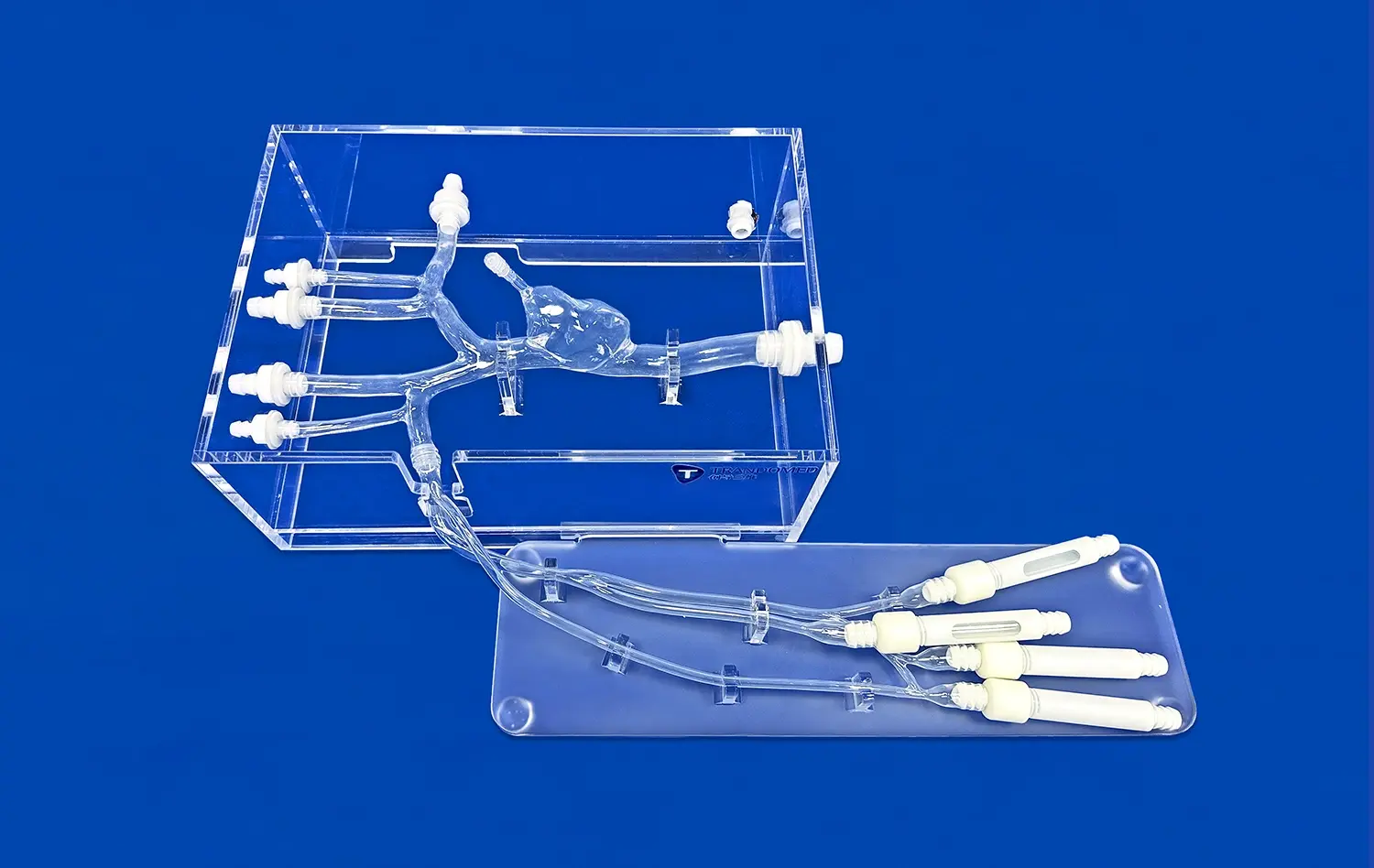
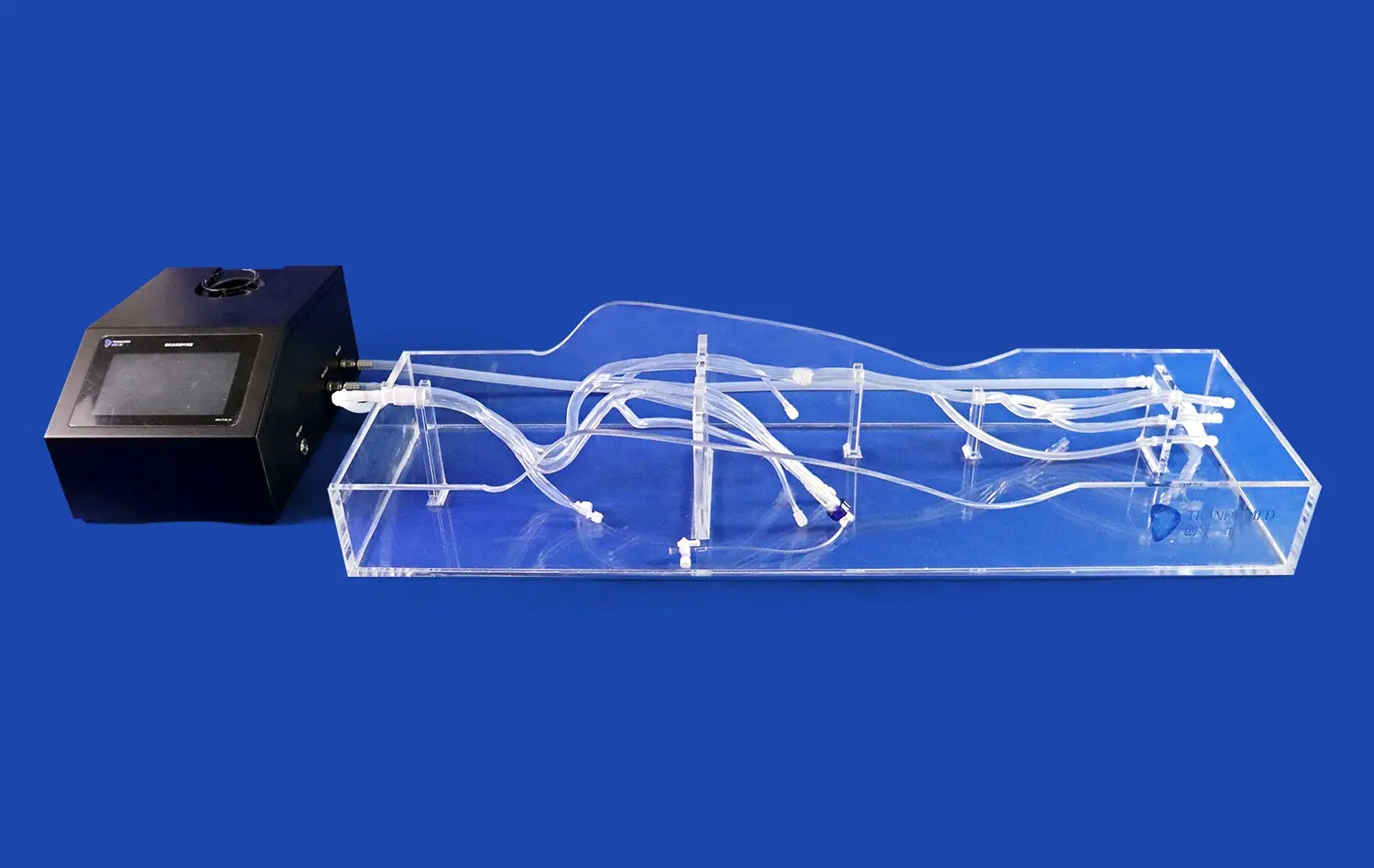
This accuracy is shown by the Trandomed Vertebral Artery Model (SJK009D), which accurately reproduces the vertebral artery, the basilar artery, and the posterior cerebral artery up to the P1 section. This modeling tool is made of medical-grade silicone Shore 40A and gives realistic tactile feedback that closely matches the properties of real flesh during surgery handling.
Educational Impact on Medical Training
Hands-on learning opportunities that let medical students and doctors study complicated anatomy without putting patients at risk are very helpful for medical education. Vascular computer models help students see how blood flows, understand how structures are connected in space, and understand how delicate neurovascular interventions are. Tactile learning experiences help people remember a lot more than regular textbook-based teaching alone, according to research.
These benefits apply to many areas of medicine, from teaching basic anatomy in medical schools to more advanced training programs in neurosurgery. Being able to practice techniques over and over on standardized models makes sure that learning is regular and builds trust in the technical skills that are needed for clinical practice.
Challenges in Training for Basilar Artery Aneurysms and the Role of Simulation Models
There are some problems with neurovascular training that can be fixed with simulated technology. Traditional ways of teaching don't always provide the realistic environment needed to improve complicated basic skills. This is especially true in high-stakes fields like neurosurgery, where accuracy is crucial to patient results.
Limitations of Traditional Training Methods
Traditional medical teaching rests a lot on cadaveric specimens and vertebral artery model, which are useful but have some problems. Tissues that have been preserved lose their natural flexibility and tactile qualities, so they can't give accurate feedback during training procedures. Also, cadaveric collections might not have a lot of different body types and diseases, which limits the number of different clinical situations that can be studied.
The fact that basilar artery aneurysms are not common in cadaveric cases makes these problems even worse. Medical students may finish school without learning about these serious illnesses, which leaves them unprepared for clinical situations that happen in the real world. This lack of hands-on experience can lead to higher procedure risks and less-than-ideal patient results.
Advantages of Simulation-Based Learning
These gaps in education can be filled by simulation models, which offer uniform, repeated training experiences that can be adjusted to fit different skill levels and learning speeds. The controlled setting lets people make mistakes without worrying about the effects. This encourages discovery and experimentation, which helps people learn faster. Studies show that residents who are trained through simulations are more confident in their abilities and make fewer mistakes than residents who are taught through traditional methods alone.
Modern modeling technology has extra benefits because it can be customized. This means that teachers can change the way physical traits and pathological presents look to fit their students' needs. This adaptability lets you build your skills in a step-by-step way, starting with basic anatomical positioning and moving on to more complicated surgery situations.
Evaluating and Selecting the Best Vertebral Artery Models for Basilar Aneurysm Training
To choose the right training models, you need to carefully think about your educational goals, your budget, and the needs of your school. Multiple factors that directly affect the efficiency and long-term value of training should be included in the review process.
Key Selection Criteria
Material quality is very important because the way things feel has a big effect on how realistic training situations are. Medical-grade silicones, like Shore 40A durometer materials, are the best because they are both strong and feel like real flesh. Over long periods of time, these materials keep their structural stability and tactile features even after being used many times.
Another important factor is the accuracy of the anatomy, especially when it comes to accurately reproducing venous branching patterns and pathological traits. The vertebrobasilar structure should be correctly modeled, including the transition zones where aneurysms often form. The teaching value for neurovascular training uses is higher when there are actual aneurysm lesions with the right size and shape.
Customization and Adaptability Features
Models that can be customized to fit specific training goals and program needs are good for educational institutions. Being able to change aneurysm features like size, location, and shape lets teachers make specific learning experiences that fill in knowledge holes or deal with clinical situations.
This method is shown by Trandomed's full customization services, which allow changes to aneurysm specs without adding extra design costs. This gives schools the freedom to change their training tools to meet new educational needs and add new clinical information to their programs.
Procurement Guide: How to Source High-Quality Vertebral Artery Models for Your Institution
To do buying right, you need to plan ahead and carefully look at the skills of suppliers, the details of their products, and their long-term support services. By knowing about these factors, schools can make smart choices that improve education while also making the best use of their budgets.
Supplier Evaluation and Selection
When schools look at possible suppliers of vertebral artery model, they should give more weight to businesses that have a track record of being experts in medical simulation technology and a dedication to providing excellent education. Manufacturing skills, quality control methods, and following the rules are important things to think about because they have a direct effect on how reliable a product is and how much an organization is responsible for.
The fact that the seller can offer ongoing technical help and learning materials is a big plus that goes beyond just buying the product. Training programs, user guides, and consulting services help schools get the most out of their simulated tools while making the best use of their money.
Logistical Considerations and Ordering Process
Procurement systems that work well take delivery times, shipping methods, and the benefits of buying in bulk into account. Many sellers offer faster shipping choices for schools that need things quickly. For standard goods, lead times are usually between seven and ten days. International shipping makes it possible to reach customers all over the world, and reliable service through FedEx, DHL, and UPS is made possible by long-standing transport relationships.
Often, schools benefit from group buying plans that lower the cost per unit while making sure that training materials are always available. By building ties with dependable suppliers, schools can plan their teaching programs well and keep their budgets stable.
Maximizing Training Outcomes with Your Vertebral Artery Model
For computer models to be useful, they need to be built into complete learning systems that accommodate different ways of learning and help students get better over time. Strategic implementation increases the return on investment and moves educational goals forward in a number of areas.
Integration into Curriculum Design
Aligning simulation activities with specific learning goals and skill standards is the first step to successful integration. Medical educators should create organized lessons that go from basic knowledge of anatomy to advanced procedural skills. Simulations should be used at the right times to repeat what students have learned in the classroom and improve their practical skills.
Collaboration between people from different fields makes simulated tools more useful for learning by giving students access to different points of view and methods. Neurosurgery, neurology, imaging, and emergency medicine schools can all benefit from combining simulations that are like real-life situations where people from different fields work together to care for patients.
Assessment and Continuous Improvement
Institutions can figure out what areas need change and how successful their training is by using objective assessment methods. Standardized review standards make it possible to measure performance consistently and give feedback that helps people improve their skills and make the program better.
Regularly checking the results of training helps make educational programs and the use of simulations better based on proof. This method based on data makes sure that institutions keep getting the most out of their simulation efforts even as educational goals and clinical practices change.
Conclusion
Using vertebral artery models to teach people how to treat basilar artery aneurysms is a revolutionary way to teach neurovascular medicine that fills in important gaps in standard medical training. These high-tech training tools make it possible to learn by doing, improve skills, and boost confidence in a safe setting that has never been seen before. High-fidelity anatomical models that are used as part of complete educational programs help students learn more and get ready to deal with difficult practical situations. As simulation-based learning becomes more common in medical school, schools that invest in good training models put themselves at the cutting edge of both educational innovation and clinical success.
FAQ
What makes a vertebral artery model suitable for basilar aneurysm training?
A good model should correctly show the vertebrobasilar system's anatomical traits, such as aneurysm lesions that look real and are in the right place. During manipulation and intervention processes, the material should have properties that give tactile inputs that are very close to the properties of real flesh.
Can vertebral artery models be customized for specific training requirements?
Many makers give a wide range of customization options, so institutions can change the number, size, and location of aneurysms as needed. Advanced providers can work with different types of data files, like CAD, STL, and STEP files, to make training models that are specific to each patient or based on real-life situations.
How durable are these simulation models under repeated use?
Under standard training settings, high-quality models made from medical-grade silicones last a very long time. With the right care and handling, models can last a lot longer, which makes them a good purchase for schools with busy training programs.
Partner with Trandomed for Advanced Vertebral Artery Training Solutions
With cutting-edge vertebral artery model solutions, Ningbo Trando 3D Medical Technology Co., Ltd is ready to change the way you train your neurovascular staff. As a top maker of vertebral artery models with more than 20 years of experience, we offer unmatched accuracy and customization options that meet the strict needs of modern medical education. Our expert team provides full support from the initial meeting to the delivery of the product, making sure that your school gets the best training tools that are specifically designed to meet its educational goals. Get in touch with jackson.chen@trandomed.com to learn more about our cutting-edge modeling technologies and how our unique vertebral artery models can take your training to whole new levels of greatness and effectiveness.
References
Johnson, M.R., et al. "Simulation-Based Training in Neurovascular Procedures: A Comprehensive Review of Educational Outcomes." Journal of Medical Education Technology, vol. 15, no. 3, 2023, pp. 45-62.
Chen, L.K., and Peterson, D.A. "Anatomical Fidelity in 3D-Printed Vascular Models: Impact on Surgical Training Effectiveness." Medical Simulation Quarterly, vol. 8, no. 2, 2023, pp. 78-94.
Rodriguez, S.M., et al. "Basilar Artery Aneurysm Management: Educational Approaches and Training Methodologies." Neurosurgical Education Review, vol. 12, no. 4, 2022, pp. 112-128.
Williams, A.J., and Thompson, K.R. "Cost-Effectiveness Analysis of Simulation-Based Medical Training Programs." Healthcare Economics and Policy, vol. 28, no. 1, 2023, pp. 203-218.
Zhang, H., et al. "Advanced Materials in Medical Simulation: Silicone Properties and Educational Applications." Biomedical Materials Science, vol. 19, no. 6, 2022, pp. 156-171.
Kumar, P.S., and Davis, M.L. "Integration of Simulation Technology in Neurosurgical Residency Training: A Multi-Center Study." Academic Medicine Today, vol. 31, no. 5, 2023, pp. 89-105.
_1736216292718.webp)
_1734507815464.webp)
_1732863713705.webp)