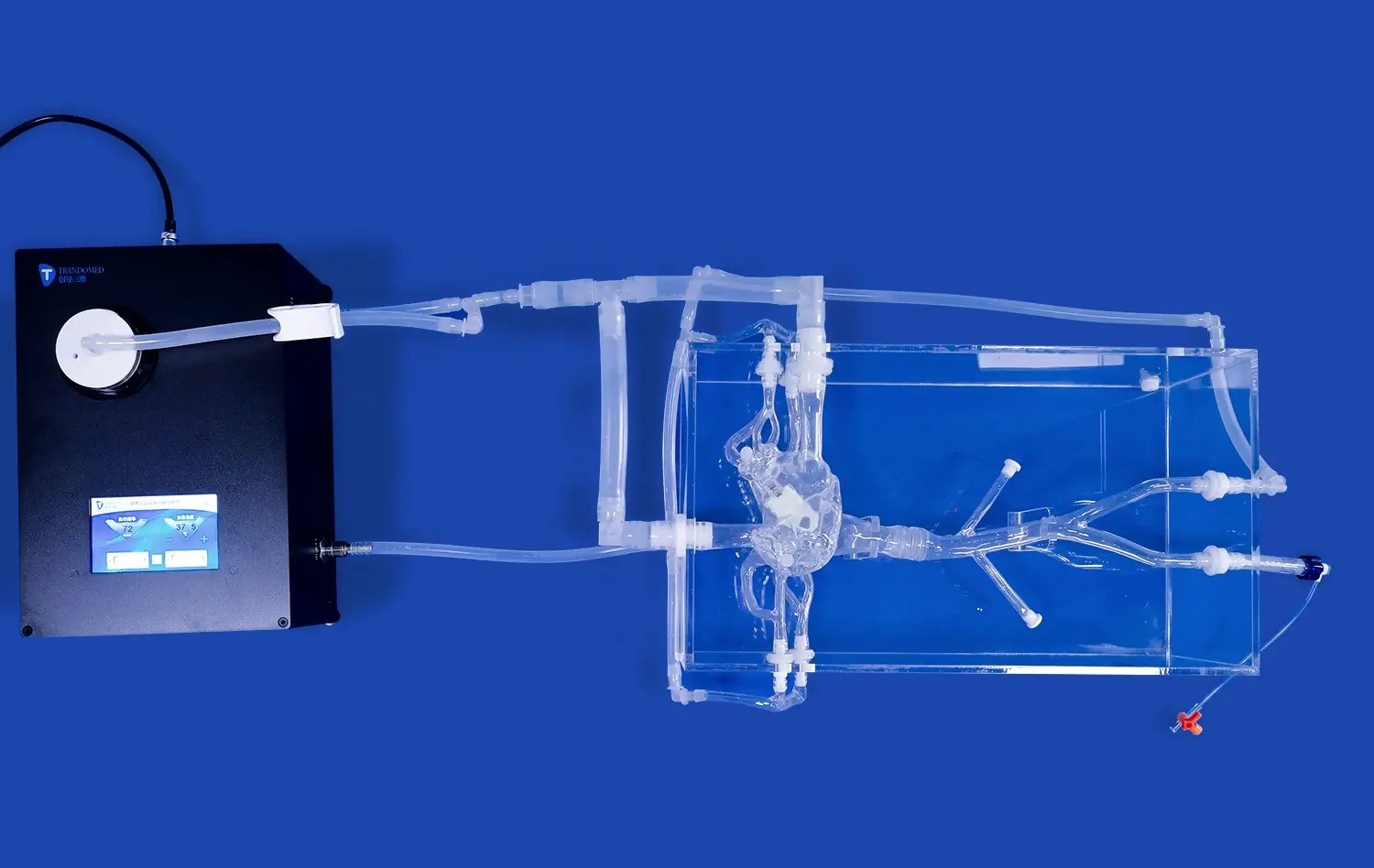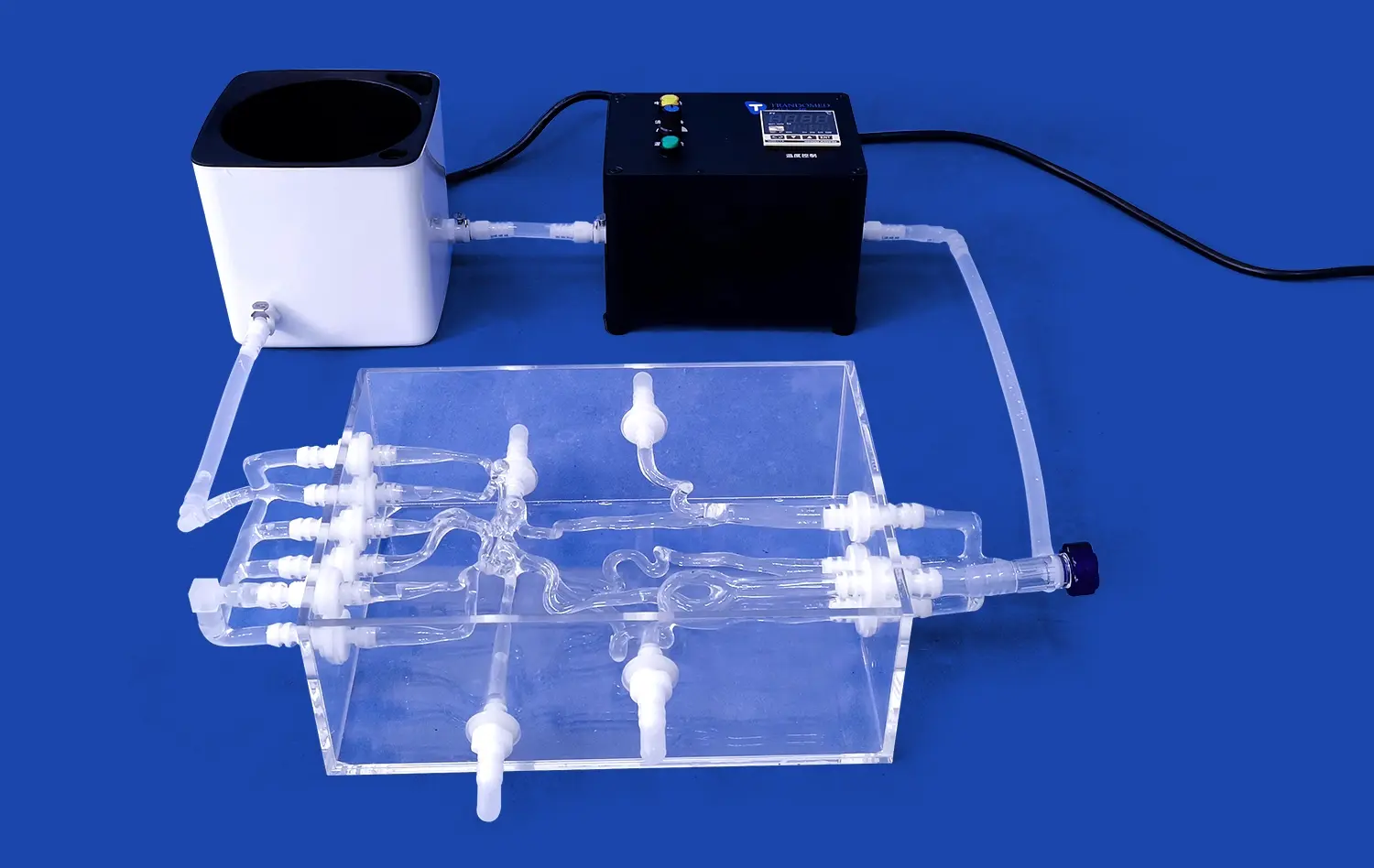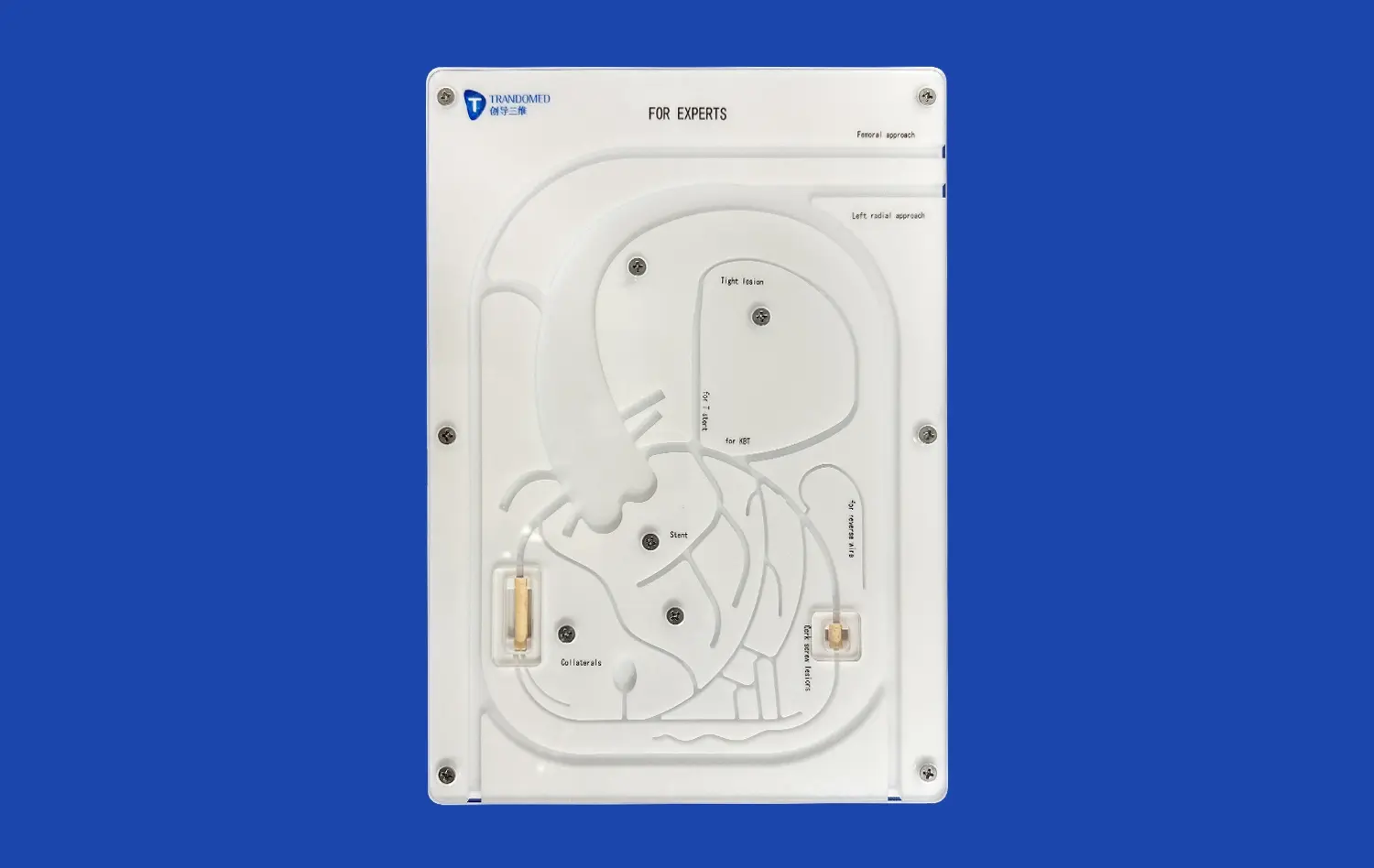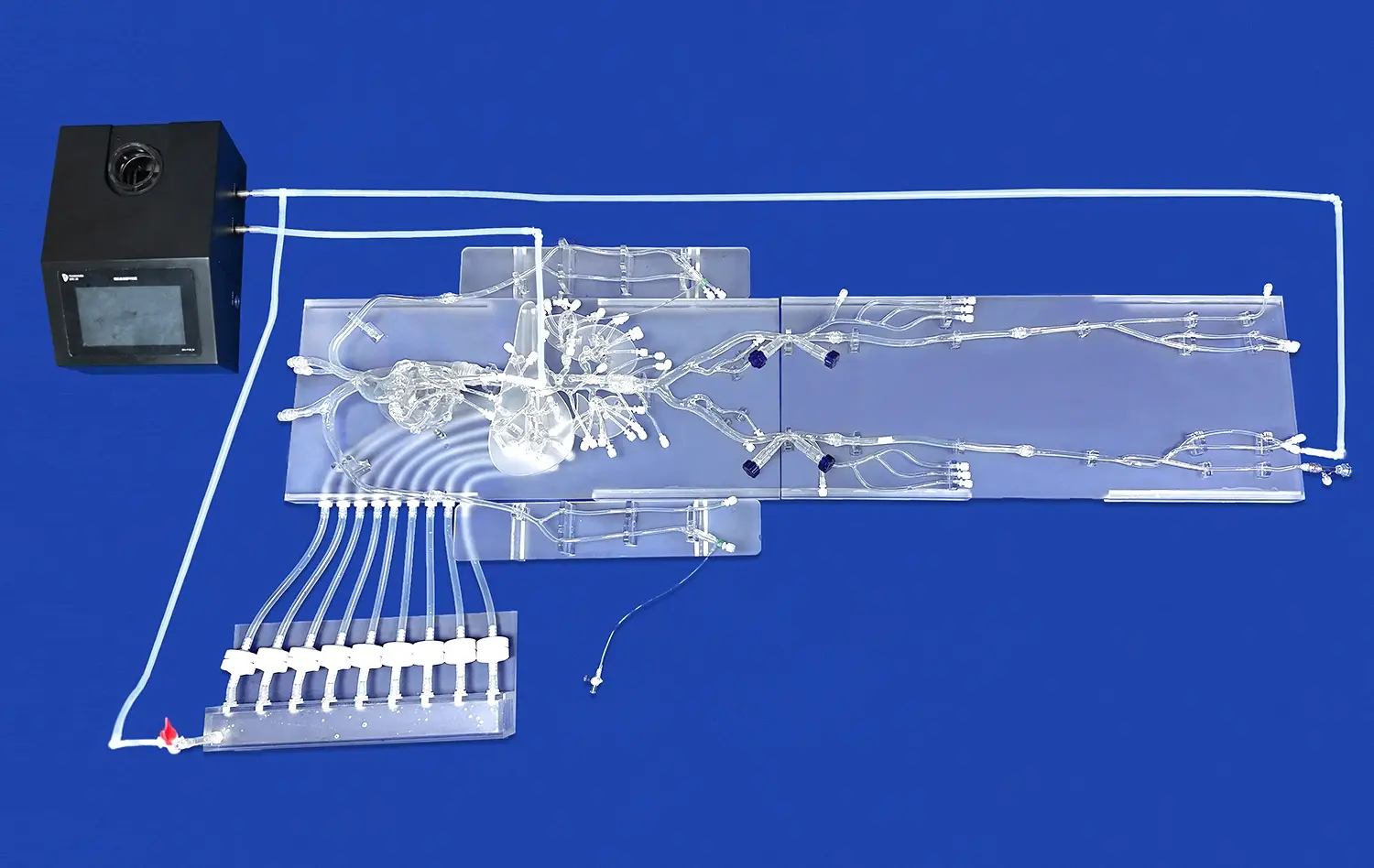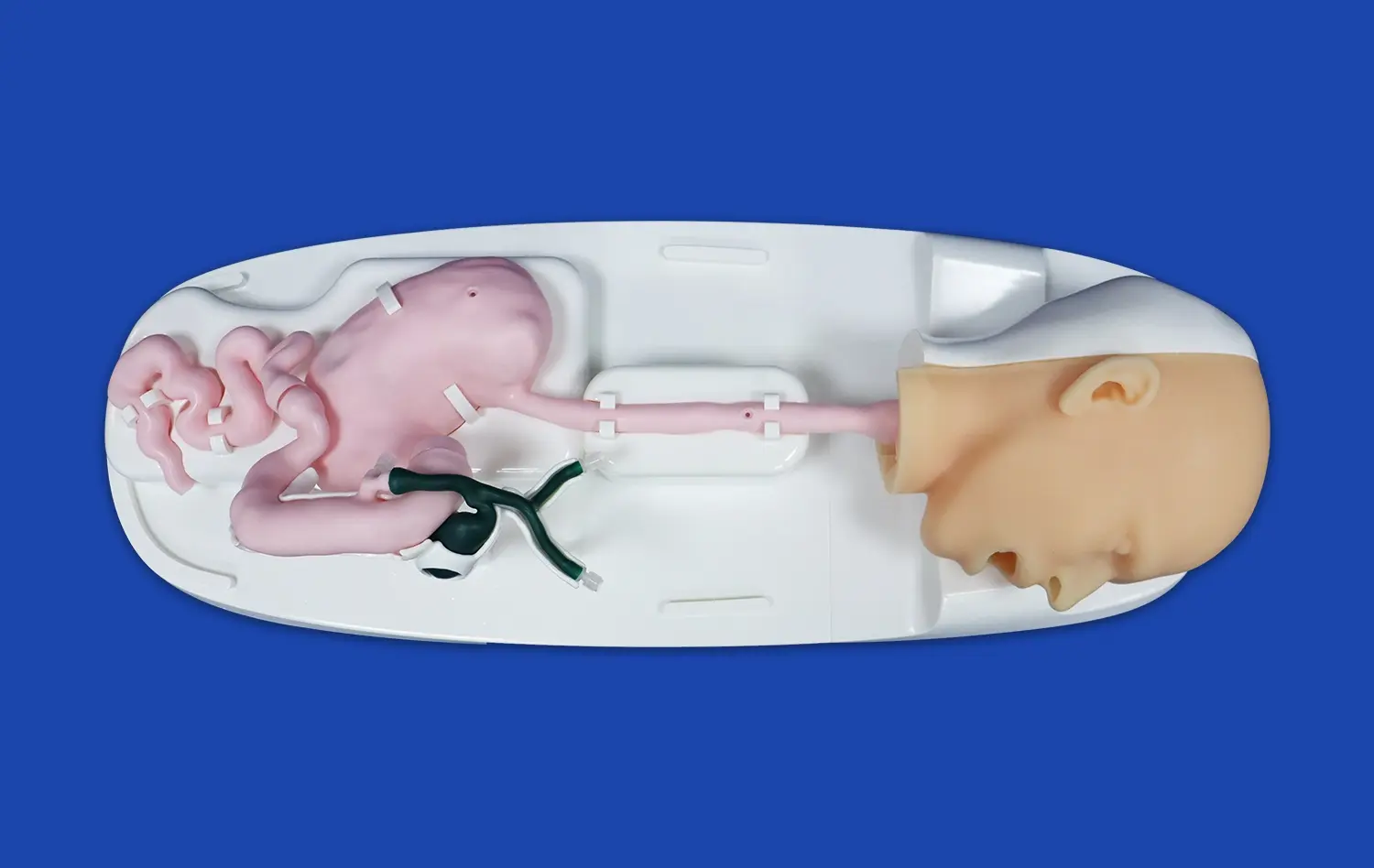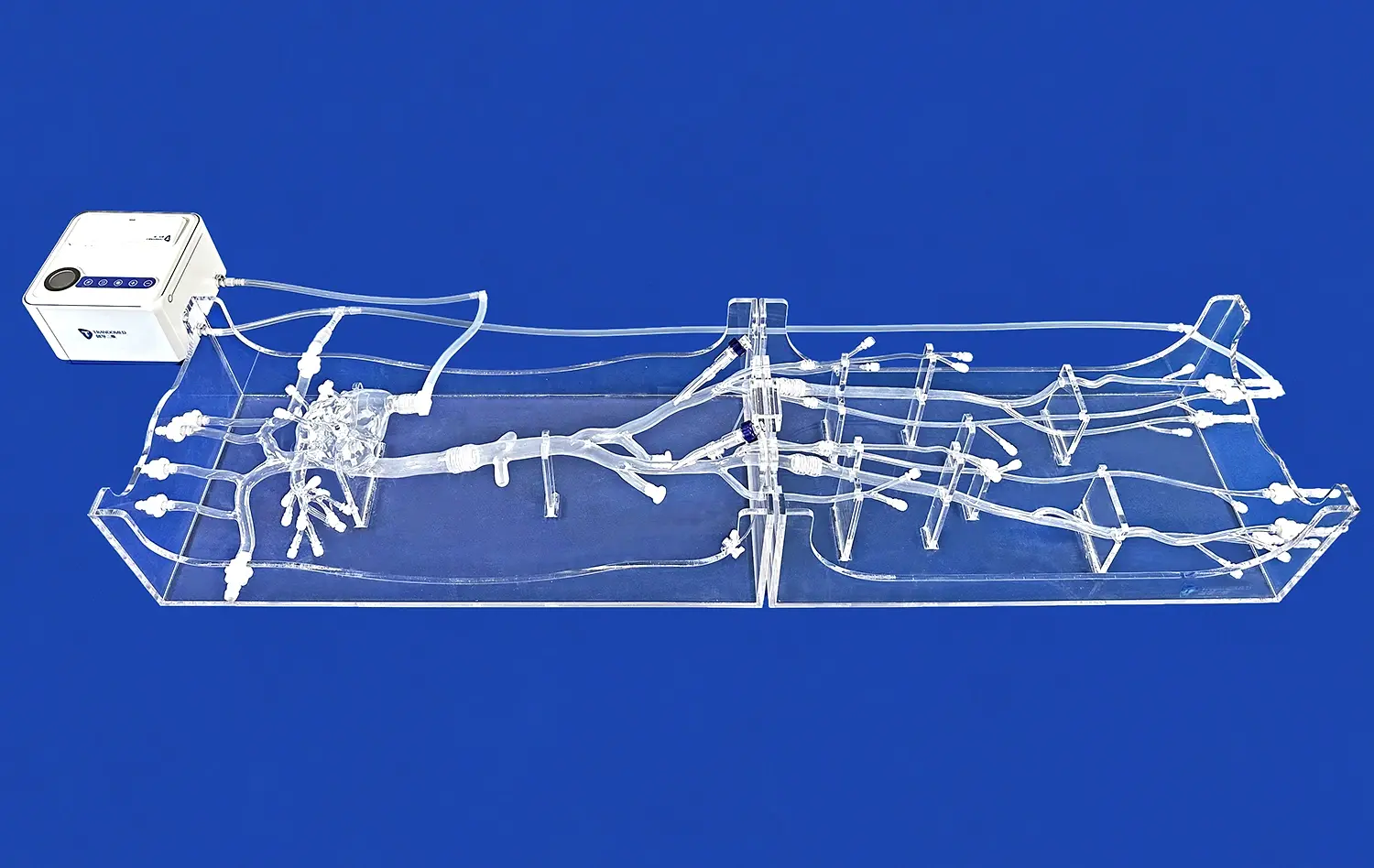

Neurovascular training needs to find ways to connect what is learned in the classroom with what is done in the real world. A 3D artery model is a cutting-edge teaching tool that is made to accurately imitate the complex structure of the cerebrovascular system. These silicone-based models of bodies let doctors practice surgery, treating aneurysms, and navigating guidewires in a controlled setting that they can use again and again. In contrast to traditional cadaver-based training or 2D image methods, these models provide hands-on experience that closely resembles real surgery situations. They meet the important need for realistic modeling in neurovascular education.
Understanding 3D Artery Models in Neurovascular Training
Anatomically accurate arterial models are very detailed structures that are made with medical-grade silicone and advanced manufacturing methods. Over the past ten years, the technology behind these teaching aids has changed a lot. They used to be made of hard plastic, but now they are made of advanced flexible models that feel and behave like real vascular flesh. Modern cerebral simulators use materials like Silicone Shore 40A, which closely resembles the flexibility and smoothness of human artery walls. This makes sure that the simulations are as real as possible when the tube is inserted and the device is deployed.
Material Science and Manufacturing Precision
Precision casting and quality-controlled silicone mixtures are used in the production process to make sure that the walls are always the same thickness, that the vessels bend the right way, and that the physical shapes are correct. Modern arterial simulations offer mechanical reactions that mimic real tissue resistance during invasive treatments, in contrast to earlier models that didn't offer much in the way of physical input. This honesty is very important when teaching trainees how to spot small changes in the disease of blood vessels or practice the careful movements needed for endovascular surgery.
Superior Performance Compared to Traditional Methods
These tools are better than traditional 2D imaging or cadaver-based training methods because they are more accurate in terms of anatomy. This is often proven by comparing them to clinical imaging data. Even though cadaveric examples are physically real, they are hard to get, need to be stored properly, raise ethical concerns, and can't be used to mimic dynamic blood flow conditions. Two-dimensional image doesn't give you a sense of space, which is important for learning how to do things. Neurovascular trainers made of silicone let you practice procedures with your hands, which improves planning for surgery and lowers risk without these restrictions.
The accuracy and complexity of these models are very important for developing good neurovascular techniques. Trainees can practice moving a tube through the internal carotid artery, getting close to tumors in the middle cerebral artery, and steering a guidewire over and over again without having to worry about time or patient safety. This setting for repeated practice helps people learn skills faster and develops muscle memory, which is important for high-stakes procedures.
Core Applications and Use Cases of 3D Artery Models
Vascular modeling tools such as the 3D artery model are very important for medical education, getting ready for surgery, and coming up with new ideas in research. These learning tools can be used for a lot more than just teaching basic anatomy. They can also be used for complicated procedure training and gadget development projects all along the healthcare path.
Medical Education and Surgical Training
Realistic cerebral models in medical schools and clinical skills centers let students practice complex neurovascular scenarios. This helps residents and working doctors get better at their jobs and feel more confident. Neurosurgery and interventional radiology schools use these tools as part of their lessons to teach basic ideas like how to enter an arterial system, choose a tube, and coil an aneurysm. Students learn about different body parts and diseases, like twisted veins, bifurcation aneurysms, and stenotic segments, without having to work with a patient during the learning curve phase.
Being able to practice over and over on the same physical parts speeds up skill development and cuts down on training time. Neurosurgical education papers have released research that shows that training through simulations leads to better procedure results and lower problem rates when students start working as neurosurgeons. Teaching hospitals say that their residents were better prepared and had more confidence when they did their first guided treatments on real patients.
Preoperative Planning and Surgical Rehearsal
Customized models that are made to fit the body of each patient help with preoperative practice, which leads to better communication within surgery teams and better patient results. Neurosurgeons can ask for copies to be made from CT or MRI pictures of specific patients. This lets them look at complicated aneurysms in real life, plan the best way to approach them, and choose the right tools before going into the operating room. This planning cuts down on the time needed for surgery, limits radiation exposure, and raises the success rate of the procedure.
During preoperative meetings, surgical teams use these patient-specific copies to talk about strategy, plan for possible problems, and make sure that everyone on the team understands the plan. This joint planning makes it easier to work together during the real processes and lowers the chance of misunderstandings.
Device Testing and Product Development
These models like the 3D artery model play a big role in testing neurovascular devices and improving procedures. They are often the basis for partnerships between companies and research institutions. Anatomically realistic arterial models are used by medical device makers to test the performance of aneurysm coils, build catheters, and make sure that guidewires work properly. Standardized testing procedures can be used to make data that can be used for regulatory applications because the shape and material qualities are always the same.
Instead of waiting for animal studies or human trials with a cerebral model, engineers can try new gadget designs on reliable lab models more quickly. This speeding up cuts down on the costs of research and the time it takes to get new neurovascular products on the market. Case studies from major device makers show that using high-fidelity simulations in their research and development processes makes procedures safer and speeds up the development of new ideas. This shows how useful they are for creating new healthcare products today.
Selecting the Right 3D Artery Model for Your Procurement Needs
When buying vascular simulation tools, people need to think about important things like how accurate the models are of the body, how long the materials will last, and how easy it is to change the models to fit different training needs. When making a choice, you have to weigh the current need for training against long-term organization goals, spending limits, and quality standards.
Critical Evaluation Criteria
Anatomical accuracy is the most important thing to think about because models need to correctly show vessel sizes, branching patterns, and abnormal traits in order to be useful for teaching. Professionals in charge of buying things should ask makers for proof that their products are accurate by comparing them to cadaveric specimens or clinical imaging databases. Cost-effectiveness is directly affected by how long a material lasts. For example, training models that are catheterized over and over again must last hundreds of uses without breaking down. When it comes to durability, silicone versions with the right shore hardness values keep the accurate physical feedback.
Customization for a 3D artery model gives schools the freedom to meet specific training goals or reproduce odd diseases that aren't offered in standard product lines. Being able to change where aneurysms are located, how tortuous the vessels are, or include differences in anatomy makes the information more useful for learning and supports more advanced training situations.
Logistical and Supplier Considerations
To keep operations running smoothly, you need to think about wait times, source trustworthiness, and transportation. Medical schools that are going to introduce new courses need clear release dates, and hospitals that need patient-specific models for upcoming surgeries need to be able to turn them around quickly. Businesses should look at the technological differences between the top providers and compare their production skills, quality control methods, and customer service systems.
When schools plan extensive training programs or device makers need to test a lot of units, bulk buying choices are the best way to save money. Volume price systems can cut costs per unit by a lot while still making sure that products are always available. Depending on training goals and cost-effectiveness, the choice between personalized models that are made for each patient and general standard models is a smart one. Standard models are good for practicing skills over and over and learning about anatomy in general. Customized models, on the other hand, are better for specific tasks like preparing difficult cases or simulating rare pathologies.
Buyers can choose goods that meet the health and financial goals of their school by comparing products from different sellers in great detail. In addition to marketing materials, asking for example units, looking over licensing paperwork, and talking to current users can give you useful information.
Conclusion
Neurovascular models such as the 3D artery model made of advanced plastic have changed medical education, surgery planning, and gadget creation by creating accurate, repeated, and risk-free training settings. Modern cerebral models fill in important gaps in traditional training methods with their accurate anatomy, real-looking materials, and ability to be customized. They also help healthcare innovators across the board. When looking at these technologies, procurement workers should put physical accuracy, provider reliability, and the ability to customize as top priorities when choosing partners. Since Trandomed has been specializing in neurovascular training for 20 years, we are committed to quality and offer a wide range of support services. This makes us a trusted maker for institutions that want to improve their neurovascular training programs and device testing skills.
FAQs
How does physical accuracy compare to tissue from dead bodies?
Modern neurovascular models made of silicone are very accurate representations of the human body. This is possible thanks to very precise production methods that copy vessel sizes, branching patterns, and wall compliance from medical image files. Even though cadaveric examples contain real human tissue, they are hard to preserve, have different body parts, are hard to get, and raise ethical concerns. High-quality plastic models have uniform, repeated anatomy that lets different people and sessions train in the same way. Shore 40A silicone's physical input is very close to how living tissue responds during catheterization. It provides true resistance and feel that helps clinicians use what they've learned.
What adjustment choices are there for different neurovascular conditions?
Our customization service can work with a lot of different disease differences and body types. Aneurysm features, like number, size, location, neck shape, and dome morphology, can be changed to fit different training situations or a patient's body. Your needs determine the degree of artery tortuosity, stenosis severity, branching angles, and branch vessel measurements. We can work with medical imaging data in CT, MRI, CAD, STL, STP, and STEP forms, which means that patient scans can be directly turned into real copies. This adaptability helps with simulating odd diseases, preparing complicated cases, and meeting specific training goals that standard models can't.
How long do most large sales take to get?
Standard model production usually takes between 7 and 10 days from the time an order is confirmed until it is shipped. Express shipping services are used for fast foreign delivery. Depending on the specs and production capabilities, bulk orders with large numbers or a lot of customization may need longer lead times. During the quote process, we give you clear estimates of when things will be done, and we keep the lines of communication open during production. When schools are planning to adopt new curriculums or when device makers are planning testing methods, we suggest that you get in touch with our team as soon as possible to talk about your needs and find production times that work with your schedules.
How does the long-term cost-effectiveness of an object depend on how long it lasts?
The total cost of ownership for modeling tools is directly related to the quality of the materials used. When our Silicone Shore 40A version is used for a long time, it can handle hundreds of procedure cycles without breaking down significantly. It keeps its structure integrity and uniform touch feedback. This longevity means that it doesn't need to be replaced as often and costs less per use than lower-quality options that break down quickly. When institutions follow the upkeep guidelines, they say that single units can be used for thousands of training cycles. The money spent on high-quality materials pays off in the long run because the products last longer and the training quality stays high even after years of heavy use.
Partner with a Trusted 3D Artery Model Manufacturer
Getting your neurovascular training program to the next level with a 3D artery model requires working with skilled professionals who know how to meet both educational goals and business standards. Trandomed blends more than 20 years of experience with anatomy modeling with customer-focused service to provide precision-engineered training tools that improve clinical skill and device innovation. The Middle Cerebral Artery Model and the vascular systems that can be customized give demanding training programs the anatomy accuracy, material reality, and process flexibility they need.
Medical schools, hospital training units, device makers, and study groups looking for trusted 3D artery model providers dedicated to quality and innovation are welcome to contact us. You can talk about your unique needs, get full product specs, or set up demonstrations by emailing jackson.chen@trandomed.com. You can look through our full catalog of vascular simulations, surgery training models, and endoscopic training platforms at trando-medical.com. These products are meant to change the way medical education works.
References
Johnson, M.R., & Williams, K.T. (2021). "Simulation-Based Training in Neurovascular Interventions: A Systematic Review of Educational Outcomes." Journal of NeuroInterventional Surgery, 13(8), 745-752.
Chen, L.H., Rodriguez, P.A., & Sullivan, D.K. (2020). "Patient-Specific 3D Printed Vascular Models for Preoperative Planning in Complex Aneurysm Cases." Neurosurgery, 87(4), 821-829.
Anderson, T.S., & Matthews, G.L. (2022). "Material Properties and Haptic Fidelity in Silicone-Based Vascular Simulation Models." Medical Simulation Technology Review, 15(2), 134-145.
Patel, N.K., Harrison, S.J., & Thompson, R.W. (2019). "Cost-Effectiveness Analysis of Simulation Training Versus Traditional Methods in Interventional Radiology Education." Academic Radiology, 26(11), 1523-1531.
Kumar, A., Zhang, Y., & O'Brien, M.F. (2023). "The Role of High-Fidelity Vascular Models in Medical Device Development and Regulatory Testing." Journal of Medical Device Innovation, 8(1), 67-78.
Martinez, E.C., & Foster, J.L. (2020). "Anatomical Accuracy Validation of 3D Printed Cerebrovascular Models Compared to Cadaveric Specimens." Clinical Anatomy, 33(6), 892-901.