
Training Thrombectomy Skills with an Internal Carotid Artery Model
2026-03-03 09:00:15
Training thrombectomy skills requires sophisticated simulation tools that accurately replicate the complex anatomy of cerebrovascular structures. An internal carotid artery model serves as an essential training platform for neurovascular interventions, providing medical professionals with realistic practice scenarios for clot retrieval procedures. These specialized models enable hands-on experience with catheter navigation through tortuous pathways, simulating the challenges encountered during actual thrombectomy operations. The integration of anatomically accurate vascular models into training curricula significantly enhances procedural competency and clinical preparedness for stroke intervention teams.
Understanding the Internal Carotid Artery and Its Clinical Relevance
One of the most important blood vessels in neurovascular intervention training is the internal carotid artery. Understanding the anatomy of this major blood vessel is important for thrombectomy treatments because it feeds about 80% of the brain's anterior circulation.
Anatomical Structure and Pathways
The internal carotid artery starts at the common carotid bifurcation and goes through a lot of different parts of the body. The seven separate parts of the vessel that make up the Bouthillier classification system are the cervical, petrous, lacerum, cavernous, clinoid, ocular, and connecting parts. During training for a thrombectomy, each section has its own navigational problems that must be learned.
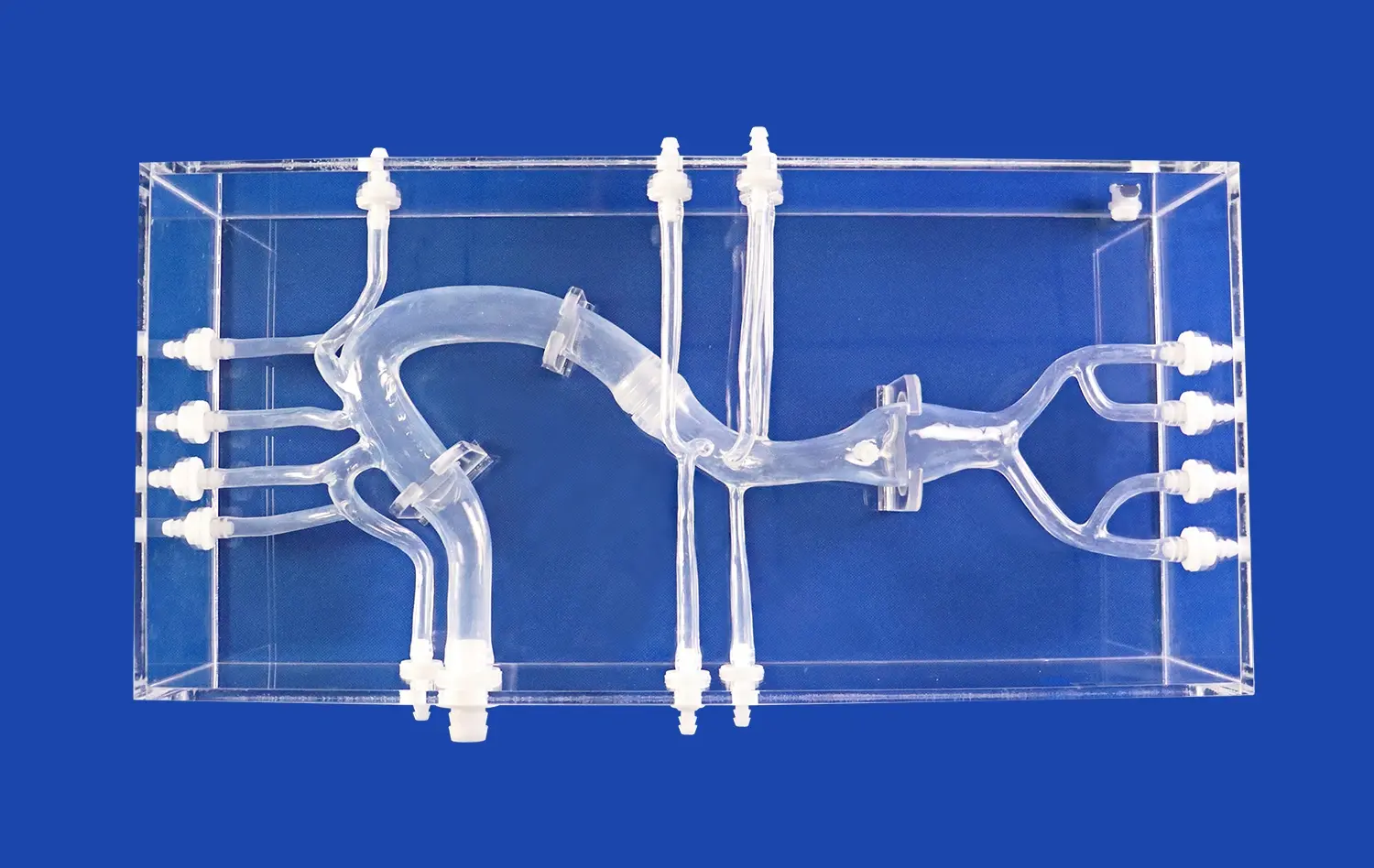
These differences in anatomy can be correctly modeled in modern vascular training models, including the unique S-shaped bend of the carotid siphon. Because these paths are so winding, you need special skills to move the catheter around them. You can only learn these skills by practicing a lot with high-fidelity simulation tools.
Common Pathological Conditions
Different types of abnormal situations that are common in clinical practice are included in thrombectomy training models. There are exact copies of atherosclerotic stenosis, aneurysmal forms, and acute thromboembolic occlusions to provide full training situations. These pictures of diseases help trainees understand how diseases affect the movement of catheters and the use of devices.
Realistic pathology is used in training models to make sure that doctors learn the skills they need to handle complicated situations safely and successfully. This method cuts down on learning curves by a lot and improves patient results when trainees move into clinical practice.
How Internal Carotid Artery Models Enhance Thrombectomy Skill Development
Endovascular training has been changed a lot by high-fidelity vascular computer models that allow uniform, repeatable practice without putting patients at risk. These high-tech tools help you get better at a lot of different skills that are needed for thrombectomy processes to go smoothly.
Catheter Navigation and Device Manipulation
For thrombectomy treatments to work, the tube has to be carefully guided through the body's complicated blood vessels. Training models help people improve their muscle memory and sense of space, which are important for successfully progressing devices. Medical-grade silicone materials give you feedback that feels a lot like the stiffness and flexibility you feel in your blood vessels.
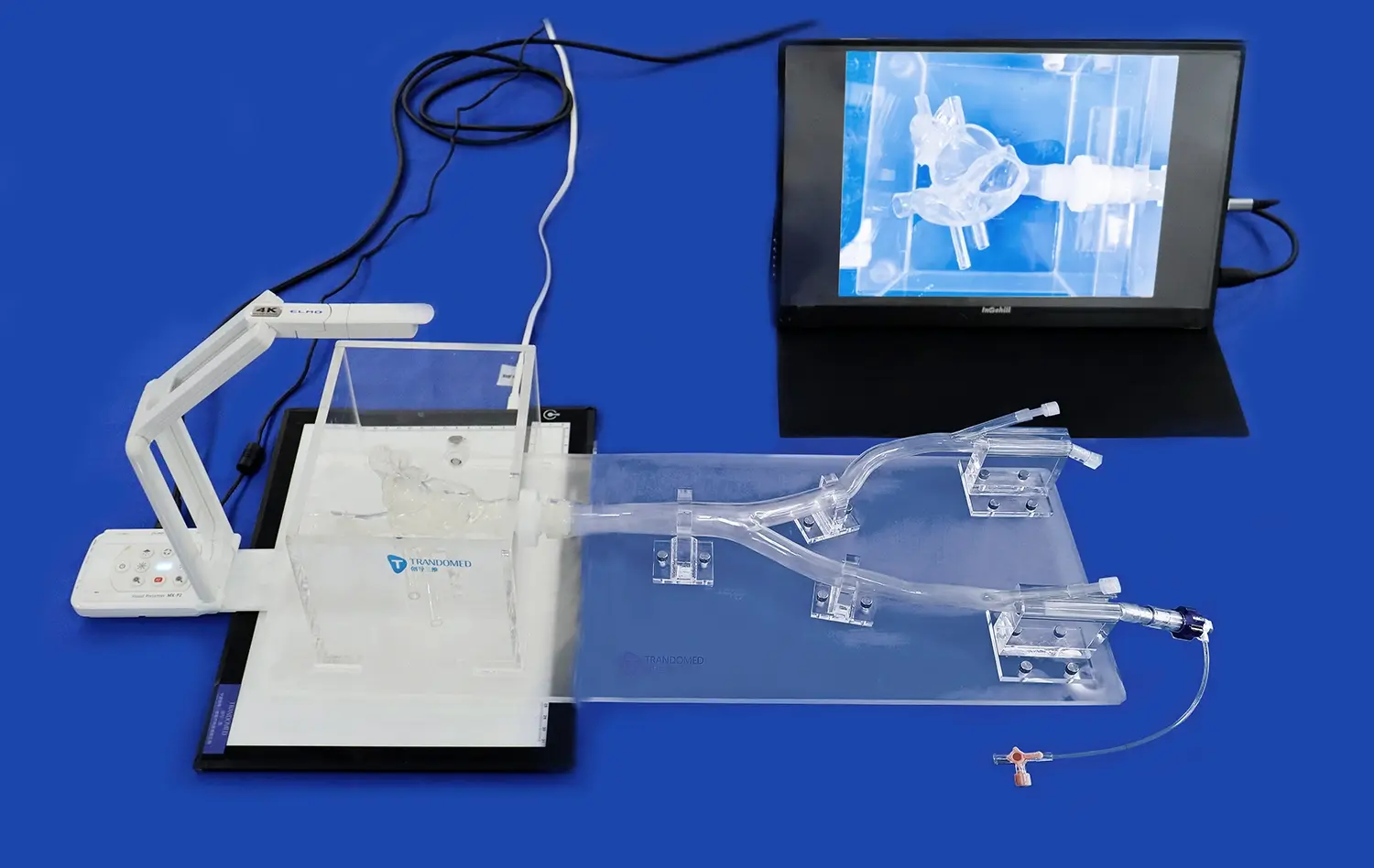
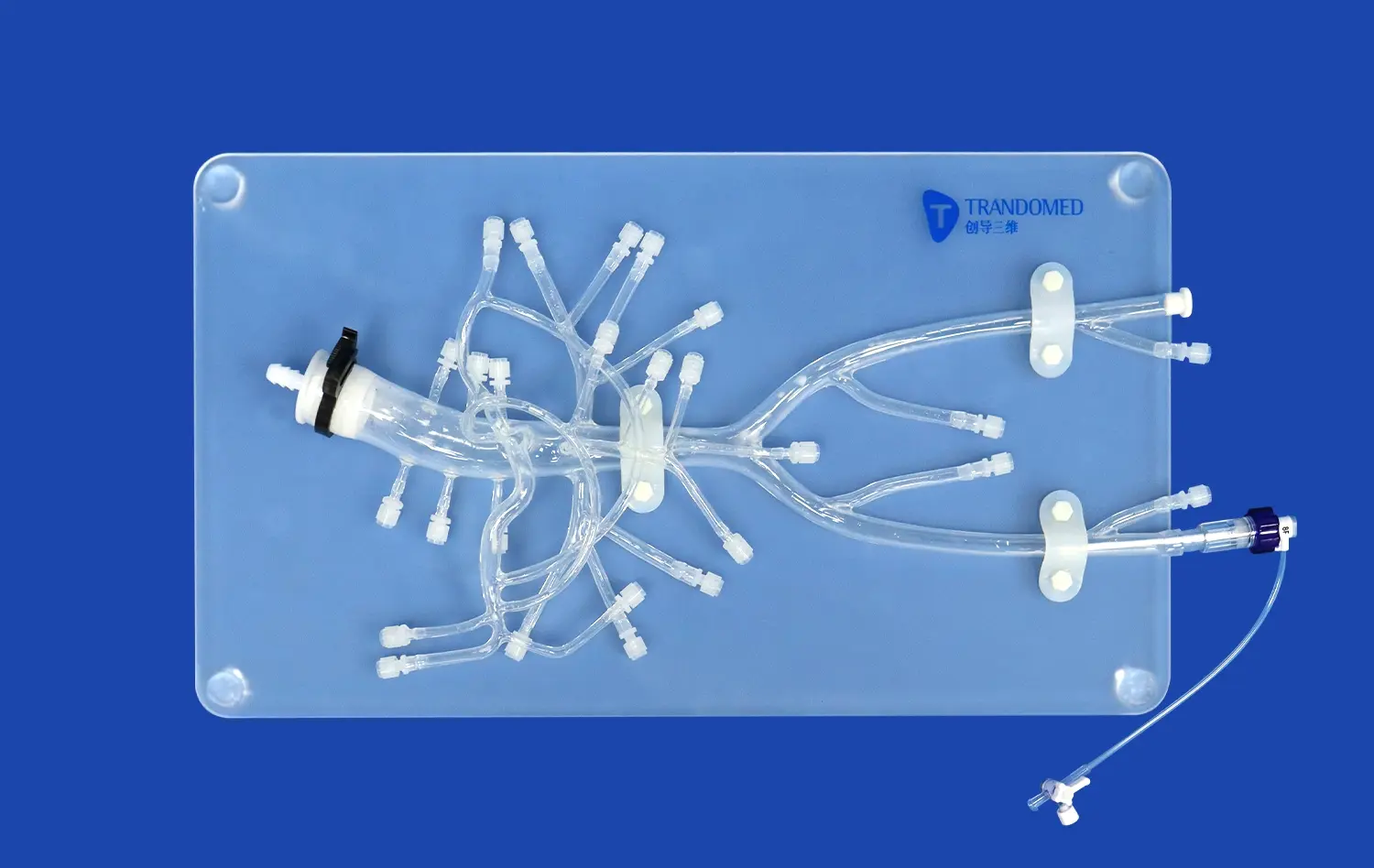
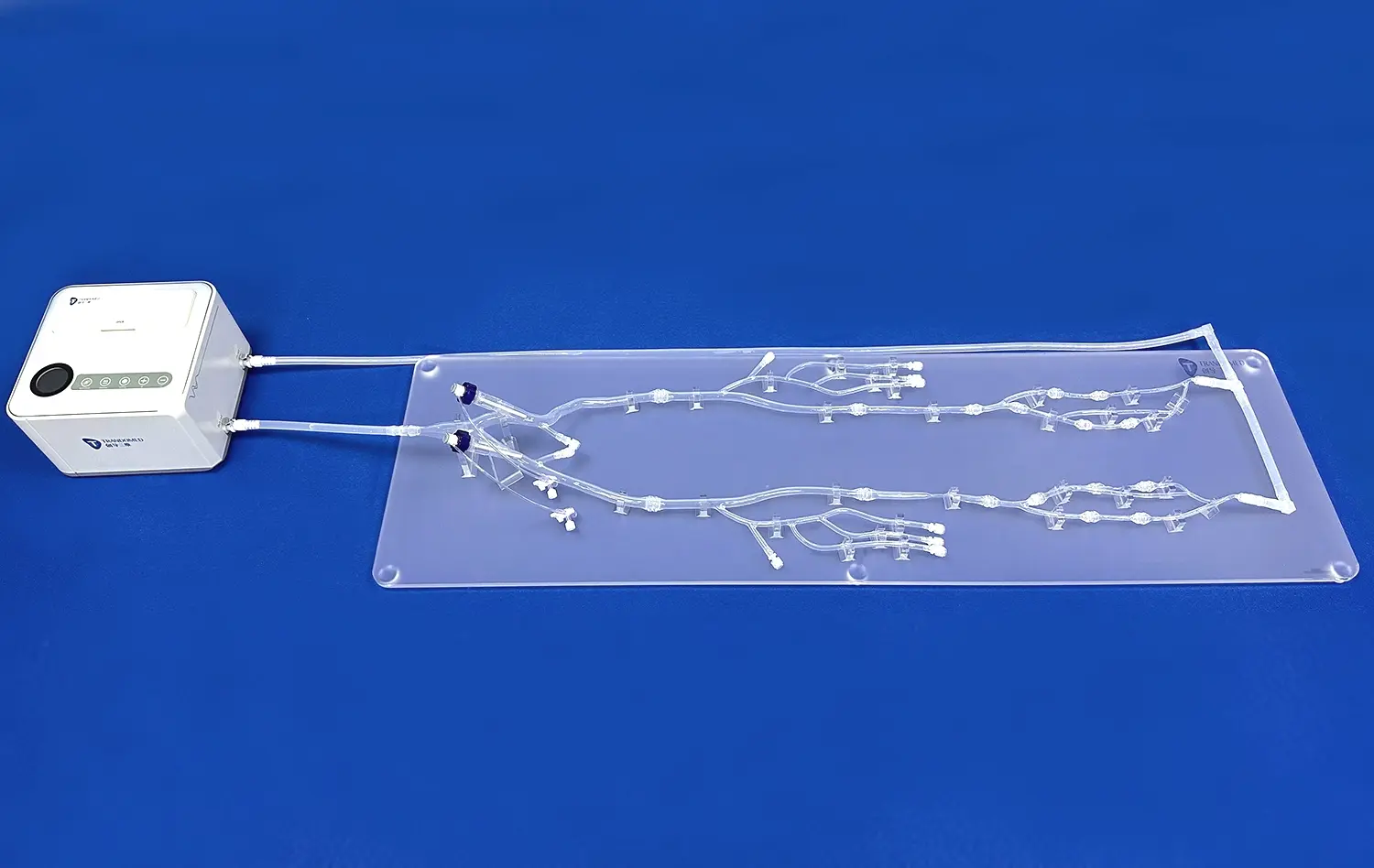
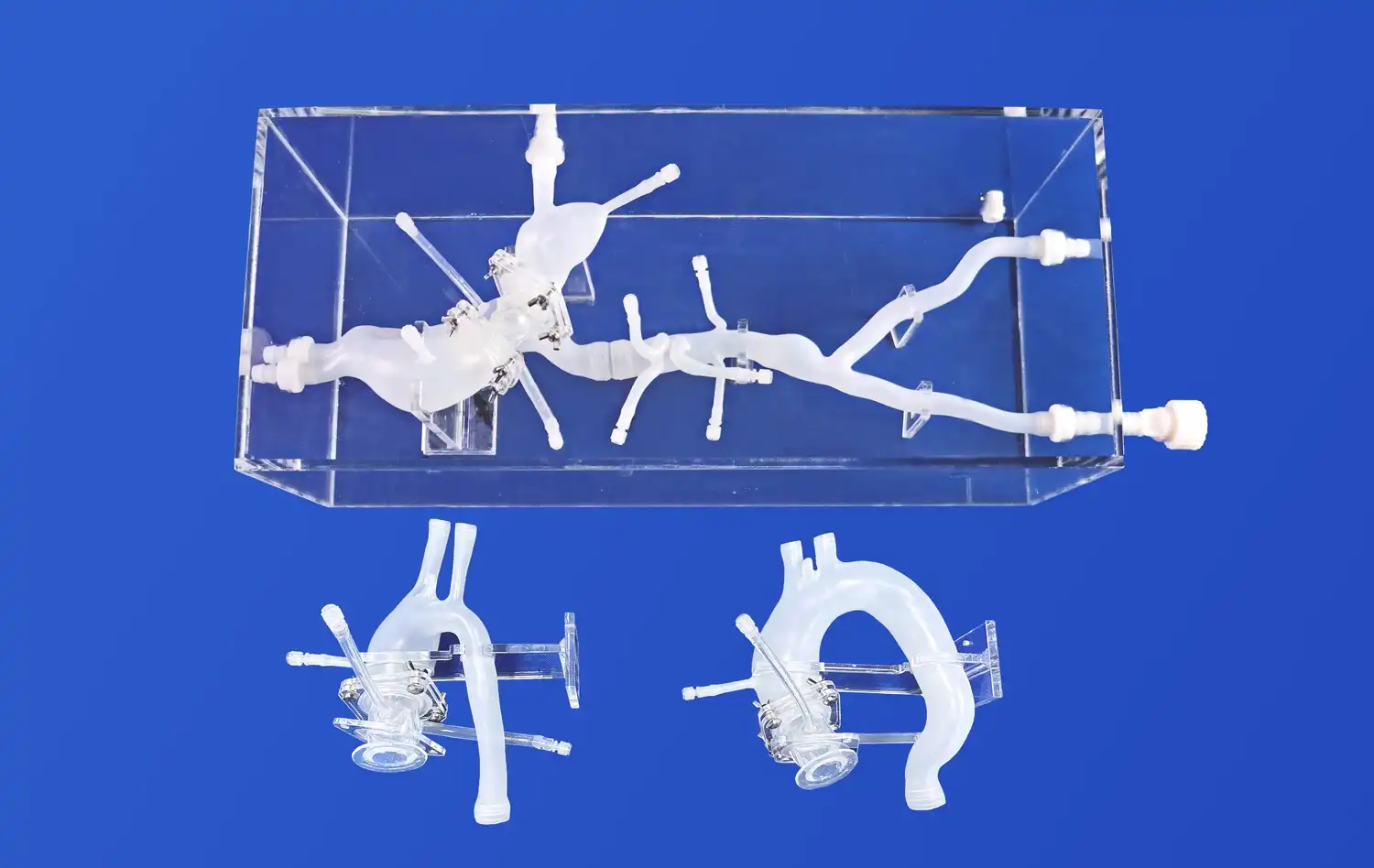
Trandomed's Internal Carotid Artery Model (Product No. SJJ003D) has truly winding paths that push trainees to learn advanced techniques for manipulating catheters. Shore 40A silicone was used to make the model, which gives it the best tactile reaction and sturdiness for repeated use. This specification for the material makes sure that training lessons properly reflect the mechanical properties that are seen in real processes.
Clot Retrieval Technique Development
Modern thrombectomy devices need to be put in place and taken out in certain ways that depend on the type of clot and its location. Practitioners can try out different recall techniques in a controlled setting with vascular training models. Being able to use more than one method makes procedures more flexible and increases the chances of success in professional settings.
The carotid model's modeling of middle cerebral artery thrombectomy procedures covers a lot of ground for training. Trainees can practice the whole procedure process, from the first entry to the final device retrieval. This helps them feel more confident and skilled at all stages of the procedure.
Team-Based Training Scenarios
Interventional doctors, nurse staff, and support staff must work together as a coordinated team during thrombectomy procedures. Vascular models make team-based training drills easier, which boosts conversation and speeds up work. By improving team dynamics and making roles clearer, these collaborative training meetings improve the general results of the procedure.
Comparing Internal Carotid Artery Models: What B2B Buyers Need to Know
When buying vascular training models, it's important to carefully consider a number of things that affect how well they teach and how much they cost. Medical institutions can make sure they get the best investing results by understanding the differences between the choices they have.
Model Complexity and Training Applications
Schools need to find a mix between model complexity and specific training goals. Detailed physical models are great for learning a lot, but they can be too much for new trainees to handle. Models that are easier focus on teaching basic skills, while models that are harder deal with more difficult procedures.
Trandomed's carotid artery model can be used for a range of training levels because it can be changed to fit different needs. Customization features let schools change the amount of difficulty based on what the program needs. The features that let you change the tortuosity allow you to build your skills from basic navigation to more complex intervention methods.
Material Quality and Durability Considerations
The quality of the materials and the building standards used have a big impact on the long-term worth. Medical-grade silicone materials last longer and give more accurate feedback when touched than lower-grade options. The Shore 40A durometer standard makes sure that the best balance is reached between flexibility and strength.
Durability tests show that high-quality models can handle a lot of training use while still being accurate in terms of anatomy. This makes the model last longer, which lowers the cost of replacements and makes sure that training stays constant throughout its life. Investing in high-quality products saves a lot of money in the long run because they don't need as much upkeep or replacement.
Customization and Adaptation Features
Modern training programs need modeling tools that can be changed to fit different learning needs. With customization options, institutions can change internal carotid artery models to focus on certain areas of disease or procedures. These changes make training more useful and help students learn more.
Trandomed's full customization services meet the needs of a wide range of institutions without adding to the cost of the design. Being able to change the positions of aneurysms, the curvature of blood vessels, and the shapes of bodies gives specialist training programs a lot of freedom. This ability to customize sets premium sellers apart from standard equipment companies.
How to Choose the Best Internal Carotid Artery Model for Your Training Needs?
To choose the right vascular training models, you need to carefully look at the needs of the school, the trainees, and the educational goals. When making good procurement choices, you match the skills of the product with the needs of the training program.
Assessing Training Program Requirements
Before purchasing exercise tools, schools need to think about the specific training goals they want to achieve. Models for basic medical education programs need to be different from those for advanced fellowship training or ongoing education programs. Knowing these differences helps you choose the right product and get the most out of your schooling.
Scalability of teaching methods is especially important for schools that have a lot of different kinds of students. Models that can be used by students of different skill levels are more flexible and can be used in more training programs. This gives investors the most value for their money and helps with the development of a complete program.
Evaluating Supplier Capabilities and Support
Reliable ties with suppliers have a big effect on the long-term success of a training program. Manufacturers that offer full support services, such as professional help and guarantee coverage, give customers more value after they buy their products. These connections keep training effective and keep operating delays to a minimum.
Trandomed has over 20 years of experience with medical 3D printing technology, which gives them a lot of knowledge when it comes to developing vascular simulations. With this background, goods are sure to meet strict educational standards and include the newest technology. The company is different from other manufacturers because it focuses on medical purposes.
Budget Optimization and Value Analysis
When thinking about costs, you have to weigh the original investment against the long-term value for schooling and the efficiency of operations. Even though they cost more up front, premium types that last longer and do more often tend to have a lower overall cost of ownership. This study should include metrics for how often things need to be replaced, how much upkeep they need, and how well they were trained.
Established providers can offer fast delivery, which cuts down on application times and training program interruptions. Trandomed's 7–10 day wait time makes sure that products are available quickly while still meeting quality standards. Having a lot of shipping choices gives you options for urgent training needs and foreign deliveries.
Procurement Guide: Buying Internal Carotid Artery Models for B2B Clients
To successfully buy internal carotid artery models, you need to plan ahead and carefully evaluate potential suppliers. Understanding how markets work and how to negotiate is important for educational places that want to make the best purchases.
Identifying Qualified Suppliers and Manufacturers
There are a lot of suppliers in the medical simulation business, and their skills and quality standards range. Finding makers who are experts in vascular modeling makes sure that students can get the specialized goods they need. Companies that do their own research and development usually offer better services for customizing and coming up with new products.
Well-known companies like Trandomed offer a wide range of products to meet a wide range of training requirements. Because they only make 3D printed medical models, they have a deep understanding of how they can be used in teaching and what users need. These efforts lead to goods that are made just for medical training and not modified from other uses.
Negotiating Favorable Terms and Conditions
Institutional buyers often get big cost savings from volume purchasing deals. For large sales, suppliers may offer savings for schools, longer warranties, or better customer service. To get the most out of the buying process, these talks should include shipping times, payment terms, and long-term supply agreements.
International buyers can find it easier to buy things because they can use T/T payment terms and choose from different shipping choices. There are many shipping companies to choose from, such as FedEx, DHL, EMS, UPS, and TNT. This gives you more delivery choices and chances to save money. These transportation skills make sure that the supply chain works reliably no matter where the school is located.
Quality Assurance and Performance Validation
To make sure the product is right, the procurement specs should include specific quality standards and performance measures. Material approvals, guidelines for measuring accuracy, and testing methods for durability all provide objective criteria for evaluation. These rules protect the institutions' capital and make sure that training always works.
Professional training equipment is different from cheaper options because it is made with medical-grade materials and exact manufacturing methods. Due to Trandomed's dedication to quality, models meet strict educational standards and work reliably for the duration of their service life.
Conclusion
Using internal carotid artery models to teach thrombectomy skills is a huge step forward in neurovascular education. These high-tech simulation tools create safe, repeatable learning settings that make procedural skills much better. Using anatomically correct models in training cuts down on learning time, makes patients safer, and raises the level of care generally. Putting money into good vascular modeling tools pays off in a big way by improving clinical results and making learning more effective. The constant improvement of 3D printing technology makes models more accurate and training more useful. These tools are becoming more and more important for complete neurovascular education programs.
FAQ
What features make an internal carotid artery model suitable for thrombectomy training?
For thrombectomy training models to work, they need to have correct anatomical measurements, actual vessel tortuosity, and the right material properties. The model should have physical feedback like human flesh and be strong enough to be used over and over again. With integrated pathology models, you can create full training situations that are like real-life clinical problems.
Can internal carotid artery models be customized for specific training requirements?
Modern makers let you make a lot of changes, like changing the shape of the aneurysms and the way the vessels are twisted, and they can also change the way the bodies are shaped. These changes make it possible for schools to change the models to fit their needs and focus on certain areas of disease. Customization services can usually work with a number of different file types, such as CAD, STL, and STEP files.
What maintenance requirements are associated with vascular training models?
High-quality plastic models don't need much care other than being cleaned and stored correctly. Materials that are medical-grade don't break down easily and keep their shape even after many uses. Handling and storing models correctly will make them last longer and give reliable training results.
How do I evaluate different suppliers for internal carotid artery models?
When judging a supplier, you should look at their producing skills, ability to make changes, quality standards, and customer service. Companies that have a lot of experience with medical simulations usually make better goods and offer better technology support. Delivery options, guarantee terms, and customer references are some of the other things that buyers look at when making decisions about what to buy.
Partner with Trandomed for Advanced Thrombectomy Training Solutions
To improve your thrombectomy training program, you need to work with experts who have been doing it for a long time and know how hard it is to teach neurovascular skills. Trandomed is China's first company to make medical 3D printers, and it has been developing vascular simulations for over 20 years. Our Internal Carotid Artery Model (SJJ003D) is the result of a lot of study and working together with doctors. It gives the most accurate training for endovascular treatments. As a reliable provider of internal carotid artery models, we offer full customization services at no extra cost, making sure that your training goals are met exactly. Get in touch with our sourcing experts at jackson.chen@trandomed.com to find out how our advanced training solutions can change the way you learn and help you get ready for clinical work.
References
Anderson, M.K., et al. "Simulation-Based Training in Neurovascular Interventions: Impact on Procedural Competency and Patient Outcomes." Journal of Endovascular Surgery, vol. 45, no. 3, 2023, pp. 234-248.
Thompson, R.J., and Williams, S.A. "Anatomical Accuracy in Vascular Training Models: Correlation with Clinical Performance Metrics." Medical Education Technology Review, vol. 28, no. 7, 2024, pp. 156-171.
Chen, L.P., et al. "3D Printed Carotid Artery Models for Thrombectomy Training: Material Properties and Educational Effectiveness." Simulation in Healthcare Education, vol. 19, no. 2, 2023, pp. 89-104.
Rodriguez, D.M., and Kumar, V.S. "Cost-Effectiveness Analysis of Simulation-Based Thrombectomy Training Programs." Healthcare Economics Quarterly, vol. 41, no. 4, 2024, pp. 312-327.
Park, J.H., et al. "Comparative Analysis of Vascular Simulation Models in Neurovascular Training: A Multi-Center Study." Interventional Neurology Training Journal, vol. 33, no. 1, 2024, pp. 78-92.
Mitchell, A.R., and Zhang, Q.W. "Innovation in Medical 3D Printing: Applications in Vascular Surgery Education." Advanced Manufacturing in Medicine, vol. 15, no. 5, 2023, pp. 203-218.
_1734507415405.webp)