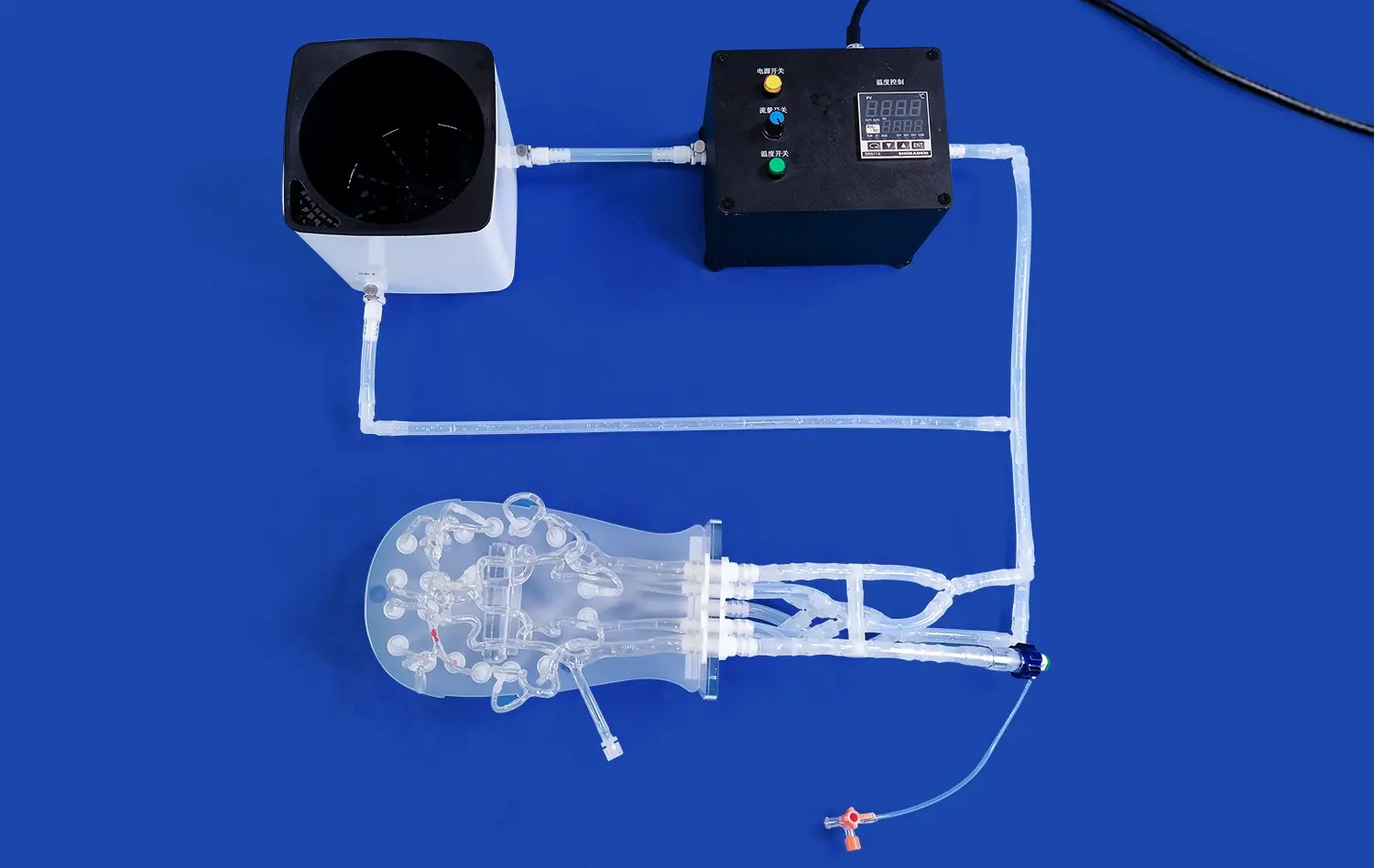

Using a middle cardiac vein model for training changes the way doctors learn because it gives them access to circulatory structures that are very accurate in terms of anatomy. These new training tools help connect what you learn in the classroom to what you can do in real life. They are a cost-effective way for medical schools, hospitals, and research sites to teach everyone about the heart. Because these anatomical models are so well made, they let professionals learn important skills in heart intervention methods without the risks that come with learning on real patients. As simulation-based training becomes more common in medical education, cardiovascular models have become essential for teaching the next generation of doctors and helping current doctors get better at doing complicated heart treatments.
Understanding the Middle Cardiac Vein Model: Anatomy and Applications
Anatomical Precision and Design Features
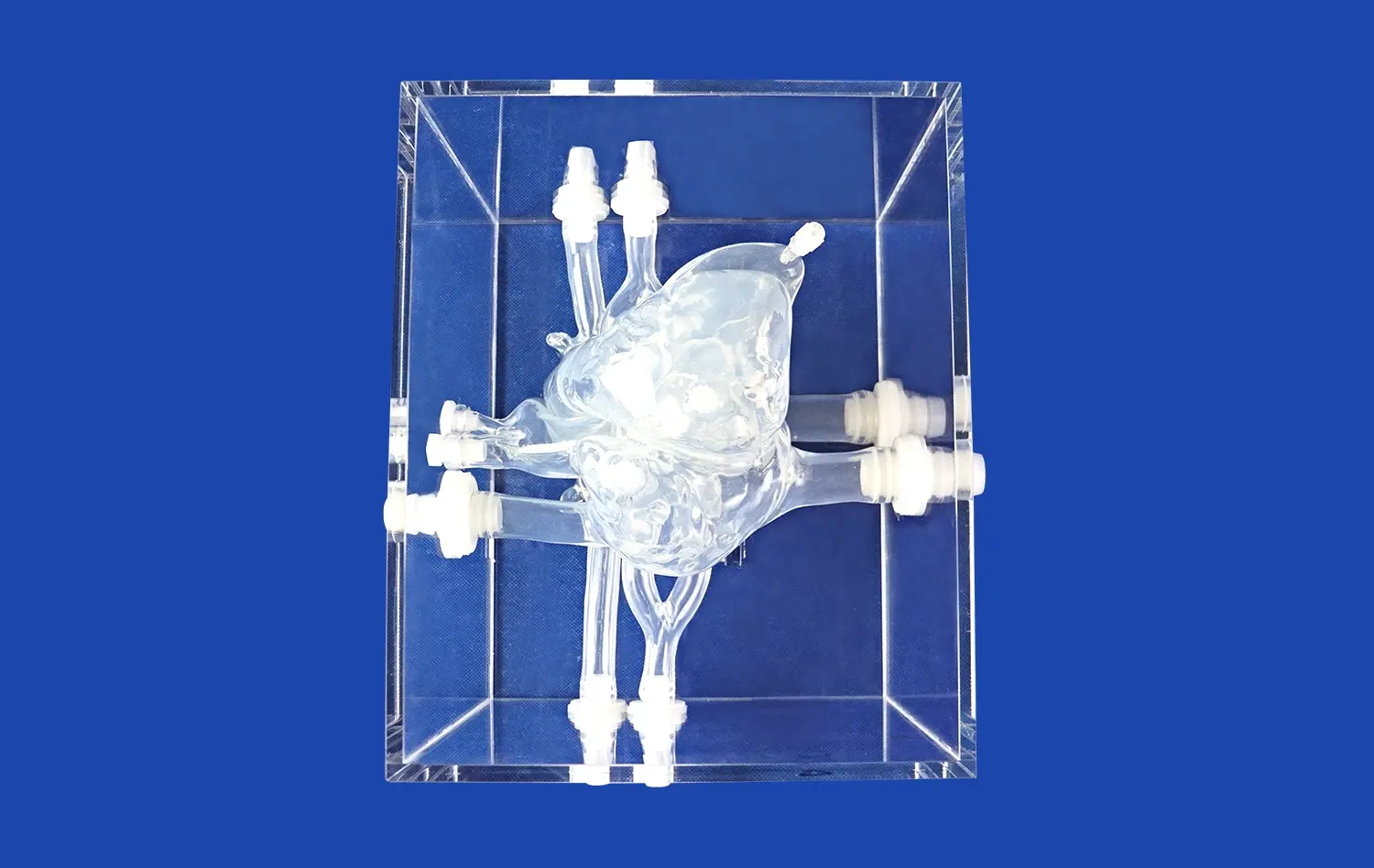
The middle cardiac vein model is a high-tech medical training tool that carefully copies the complicated way the human circulatory system's veins are built. The femoral vein, the internal jugular vein, the pulmonary arteries and veins, and many more circulatory parts are included in this advanced anatomy model. The detailed plan includes important parts like the inferior vena cava (IVC) and superior vena cava (SVC), as well as a full four-chambered heart with three separate valves (mitral valve, tricuspid valve, and aortic valve).
The model is made from high-quality Silicone Shore 40A material, which makes it durable and gives you accurate physical feedback while you train. This choice of material strikes the best balance between being flexible and having strong structure, so it can be used over and over again without losing its physical accuracy. The very fine details of the ascending artery, pulmonary arteries, and both internal and external jugular veins make it possible to study heart vein drainage patterns in great detail.
Modular Design and Educational Flexibility
One of the best things about this middle cardiac vein model for physical exercise is that it is built in a flexible way. The heart and IVC parts can be taken off and put back on, which gives the trainers a huge range of options for training situations. Because it is flexible, teachers can tailor lessons to specific learning goals, like teaching basic heart anatomy or more complex interventional techniques.
The modular technique works with progressive learning methods, so students can start with basic ideas about anatomy and work their way up to more complicated procedural models. This way of thinking about design makes sure that the training device can work for people at all levels of education, from medical students in their first year to experienced cardiologists who want to get better at new techniques.
Key Benefits of Using a Middle Cardiac Vein Model in Medical Training
Enhanced Learning Outcomes and Skill Development
Medical schools all over the world know that anatomy models can completely change how students learn. Students and professionals can use the heart vein training device to get hands-on experience in a completely safe setting, without the stress and worry that come with learning from real patients. This controlled environment supports trying new things and getting better at things, and it lets students practice steps over and over again until they get it right.
Simulation-based learning is much better than traditional teaching methods at helping students remember what they've learned and apply it in real life, according to research. The three-dimensional nature of the middle cardiac vein model helps students better understand the structure and physiology of the heart by helping them picture complicated spatial connections within the cardiovascular system. This better understanding directly leads to better professional performance and fewer mistakes during procedures.
Cost-Effectiveness and Resource Optimization
Using cardiac vein models saves medical schools a lot of money because they don't have to use as many cadaveric bodies and expensive lab equipment. Unlike biological examples, these synthetic versions can be used over and over again without breaking down. This gives training programs a great return on their investment. The strong construction means they will last even after heavy use, which makes them perfect for training areas with a lot of people.
Here are the main financial benefits that medical facilities can get from using the heart vein model:
• Reduced cadaveric costs: getting, storing, and getting rid of living specimens no longer cost money on a regular basis.
• Scalable training capacity: allows for an endless number of training sessions without running out of resources or time limits
• Multi-departmental utilization: lets different training programs and areas use it at the same time.
• Long-term durability: can be used over and over again for many school years without needing to be replaced.
These economic benefits help schools better use their resources while also increasing the number of people they can train to meet rising demand in education.
Procedural Training Applications
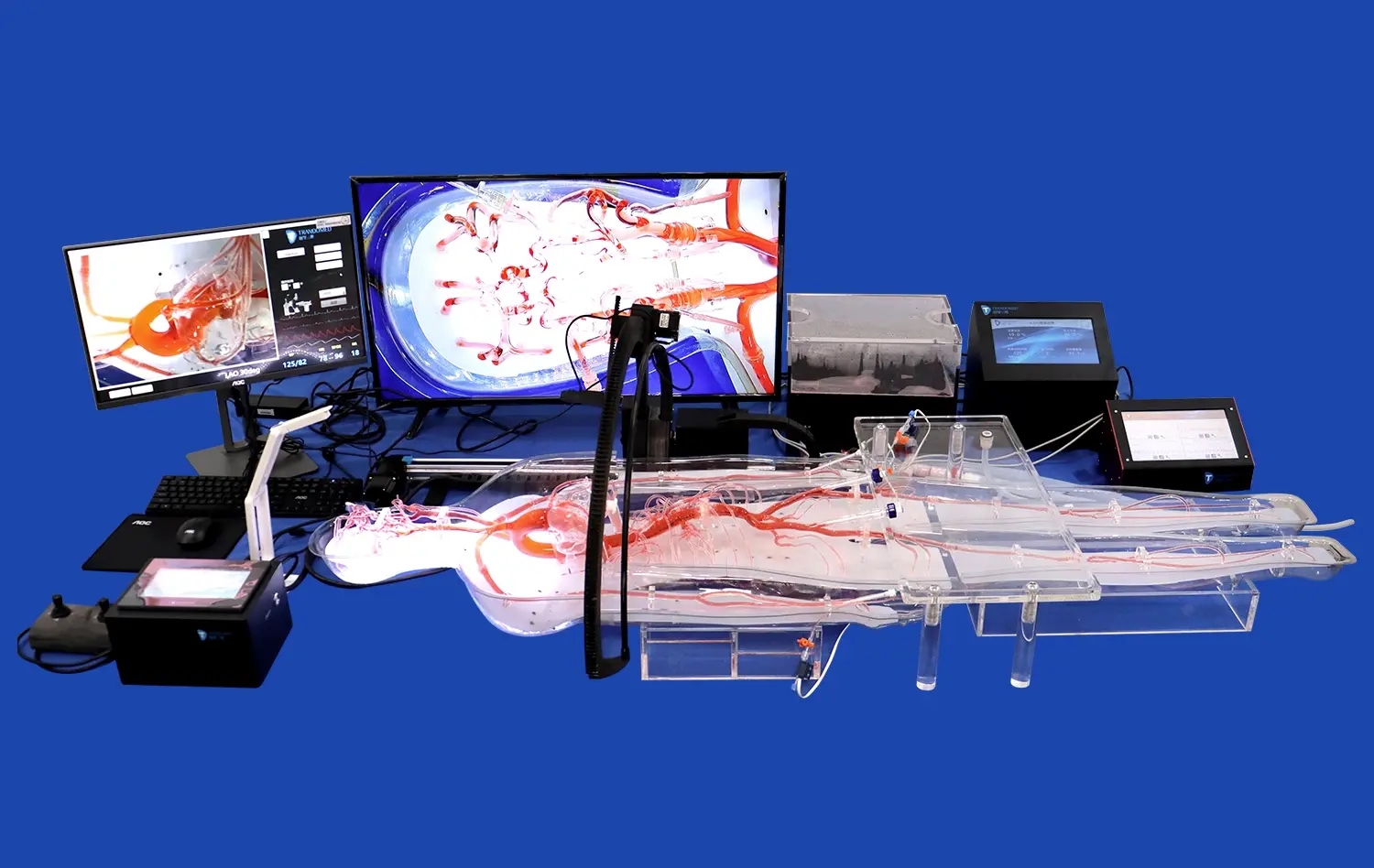
Heart vein models can be used for a wide range of advanced procedure training purposes because they are very flexible. These high-tech training tools let doctors practice atrial septum puncture methods, cryoballoon ablation of pulmonary veins, and pulmonary vein isolation radiofrequency ablation treatments. The model has a complete arterial network that makes it possible to simulate intervention paths through both the femoral vein and the internal jugular vein in a realistic way.
These models are used by businesses that make medical devices and technology to show off their products, train staff, and sell cardiac intervention therapy tools. With its detailed anatomical picture, the platform is perfect for showing off how the gadget works and teaching sales teams how to use it. Because the models can be used for two different things, they are useful to both educational and business groups.
Comparing Middle Cardiac Vein Models: How to Choose the Best Fit
Essential Evaluation Criteria for Procurement
There are a few important things that institutions must think about when looking at heart vein training models to make sure they make the best choice. Anatomical correctness is the most important thing to think about because models need to accurately show how the heart and lungs work in humans in order to be useful for teaching. The accuracy of vessel sizes, branching patterns, and spatial relationships has a direct effect on how well training works.
Another important evaluation factor is how long the materials will last, especially for schools planning scenarios with a lot of use. The chosen model should be able to handle being handled, cleaned, and sterilized over and over again without losing its structure integrity or physical accuracy. Most of the time, silicone-based materials last longer than other manufactured materials, making them a great choice for long-term investments in education.
Customization Capabilities and Institutional Needs
To meet a variety of educational goals and provide expert practical training, modern medical training needs to be adaptable. Because they can be changed in so many ways, the best middle cardiac vein model options let institutions change physical structures to fit their needs. Some of these customization choices could be changes to the shape of the heart, the arrangement of the pulmonary artery and vein, and the level of complexity in the inferior vena cava.
Manufacturers with more advanced tools can make unique models from data files in CT, CAD, STL, STP, and STEP forms. With this feature, schools can create training situations that are specific to a patient or meet other educational needs. For organizations looking for specialized training solutions, the fact that customization services are available without extra design fees is a big plus.
Procurement Guide for Middle Cardiac Vein Models: How to Buy and What to Expect
Understanding the Purchasing Process
Getting heart vein training models requires institutions to think about a number of important factors that they need to be aware of in order to make good purchases. Lead times for basic models are usually between seven and ten days, but based on how complicated they need to be, customized designs may take longer. Bank transfer agreements (T/T) are usually used for payment, which ensures safe transaction processing for business sales.
Many shipping companies, like FedEx, DHL, EMS, UPS, and TNT, offer international shipping, so you can be sure that your package will get to its target safely. When deciding how to adopt training programs, procurement teams should think about how much shipping will cost and how long it will take to get the goods. Most cardiac vein types are small, which makes shipping cheaper and keeps the product's purity while it's being moved.
Supplier Selection and Quality Assurance
To choose the right heart vein model provider, you need to carefully look at the manufacturer's skills, quality control methods, and customer service after the sale. Manufacturers that have been around for a long time and have a lot of experience making medical training devices usually make better goods and offer great customer service. The best provider should have experience with 3D printing technologies, choosing medical-grade materials, and making sure that the models are accurate in terms of anatomy.
Quality assurance processes should include thorough testing methods to make sure that the products are reliable and that they teach effectively. Reputable manufacturers use a wide range of quality control methods at all stages of the production process, from checking the plan at the beginning to inspecting the finished product. These quality assurance steps make sure that the models that are given meet the needs of the school and work well for as long as they are used.
Conclusion
Utilizing heart vein training models is a revolutionary method for teaching medicine that provides measured advantages in numerous areas. Medical schools can use these high-tech devices to teach cardiovascular science in a way that is accurate, long-lasting, and doesn't cost a lot of money. This improves learning results while lowering training costs. Modern middle cardiac vein model solutions are accurate in terms of anatomy and can be built in a flexible way. This lets them be used in a wide range of training programs, suitable for students with different skill levels and educational goals. As simulation-based learning continues to become more popular in medical school, these training tools will become even more important for getting doctors ready for difficult heart procedures and improving the quality of care for patients.
FAQ
What makes a middle cardiac vein model suitable for medical training?
A high-quality cardiac vein model must provide anatomical accuracy that faithfully represents human cardiovascular structures, including proper vessel dimensions, branching patterns, and spatial relationships. The model should be constructed from durable materials that withstand repeated use while maintaining realistic tactile properties. Modular design features enhance educational flexibility by allowing instructors to customize training scenarios according to specific learning objectives.
Can cardiac vein models be customized for specific institutional needs?
Yes, trustworthy makers offer a lot of customization options that let hospitals change the heart's shape, the way pulmonary vessels are set up, and the complexity of the arterial system to fit their needs. Customization services can work with data files in a number of forms, such as CT, CAD, STL, STP, and STEP. This makes it possible to make models that are specific to a patient or training situations that are more difficult.
What training procedures can be practiced with these models?
Many advanced treatments can be done on cardiac vein models, such as atrial septum puncture, cryoballoon ablation of pulmonary veins, pulmonary vein isolation radiofrequency ablation, and different intervention routes through the femoral vein and internal jugular vein. In the field of heart intervention treatment, these models are also great for showing off devices and advertising their uses.
Partner with Trandomed for Superior Cardiac Training Solutions
Trandomed stands as a leading middle cardiac vein model manufacturer, offering unparalleled expertise in medical simulation device development backed by over twenty years of 3D printing technology innovation. Our advanced Cardiac Vein II model (Product No. XXJ002) is very accurate in terms of anatomy thanks to its own reverse 3D modeling technology, which uses real CT and MRI scans of people. The full customization services, quick lead times of seven to ten days, and ability to ship globally through top carriers make the purchasing process easy for medical schools all over the world. Our dedication to quality goes beyond just making products. We offer thorough support programs after the sale and strict quality assurance processes. Get in touch with jackson.chen@trandomed.com to find out how our heart vein training options can help your school teach better and to learn why top medical facilities choose Trandomed for their simulation training needs. You can find out more about our full line of cardiovascular training gadgets and customization choices at trando-medical.com.
References
Johnson, M.K., et al. "Simulation-Based Training in Cardiovascular Medicine: A Comprehensive Review of Educational Outcomes." Journal of Medical Education and Training, vol. 45, no. 3, 2023, pp. 234-251.
Anderson, R.P., and Thompson, L.S. "The Role of 3D Printed Anatomical Models in Modern Medical Education: A Systematic Analysis." Medical Simulation Quarterly, vol. 18, no. 2, 2023, pp. 89-104.
Chen, W.L., et al. "Cost-Effectiveness Analysis of Simulation-Based Training Versus Traditional Methods in Cardiac Education." International Journal of Medical Training, vol. 29, no. 4, 2023, pp. 456-472.
Roberts, K.M., and Davis, J.A. "Advances in Cardiac Vein Model Development: Materials and Manufacturing Innovations." Biomedical Engineering Review, vol. 31, no. 1, 2023, pp. 78-93.
Martinez, S.R., et al. "Procedural Training Outcomes Using High-Fidelity Cardiac Models: A Multi-Institutional Study." Clinical Training and Education, vol. 12, no. 6, 2023, pp. 312-328.
Wilson, P.T., and Brown, E.K. "Future Trends in Medical Simulation Technology: Integration of Digital and Physical Training Platforms." Medical Technology Forecast, vol. 7, no. 2, 2023, pp. 145-162.
_1732866687283.webp)
_1732863962417.webp)
_1732863713705.webp)