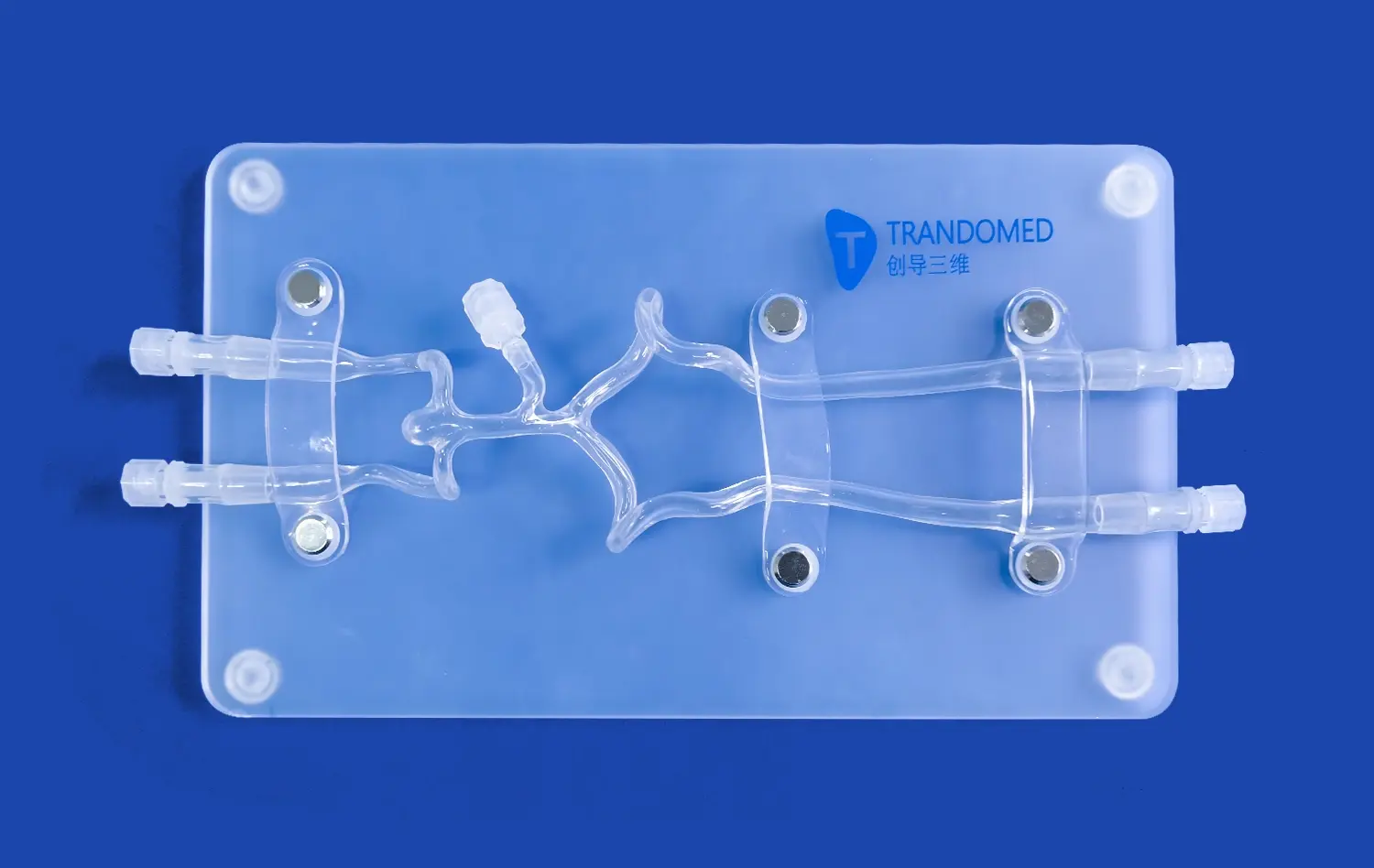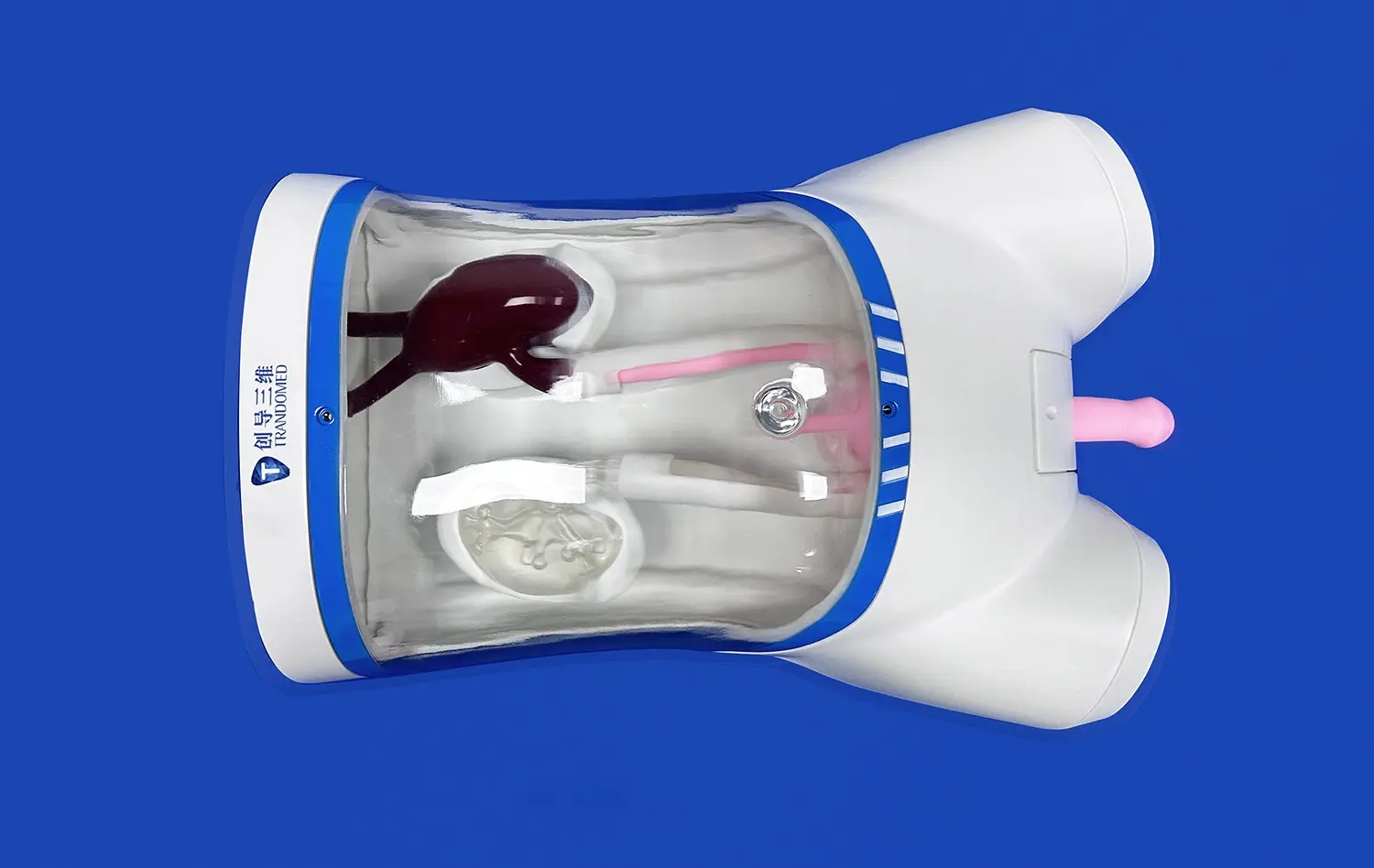

The arteriovenous heart model represents a revolutionary advancement in medical education technology, offering transparent visualization of complex cardiovascular anatomy through precision-engineered 3D structures. These sophisticated training tools enable medical professionals to observe intricate blood flow patterns, valve mechanisms, and chamber interactions within a clear, anatomically accurate framework. Modern transparent cardiovascular models incorporate advanced materials like silicone Shore 40A to deliver exceptional durability while maintaining optimal clarity for educational purposes. By showing the whole body, from the femoral veins to the pulmonary circulation, these models close the gap between what we learn in the classroom and what we can do in the real world. They set new standards for how well cardiovascular teaching should be done.
Understanding the Transparent Arteriovenous Heart Model
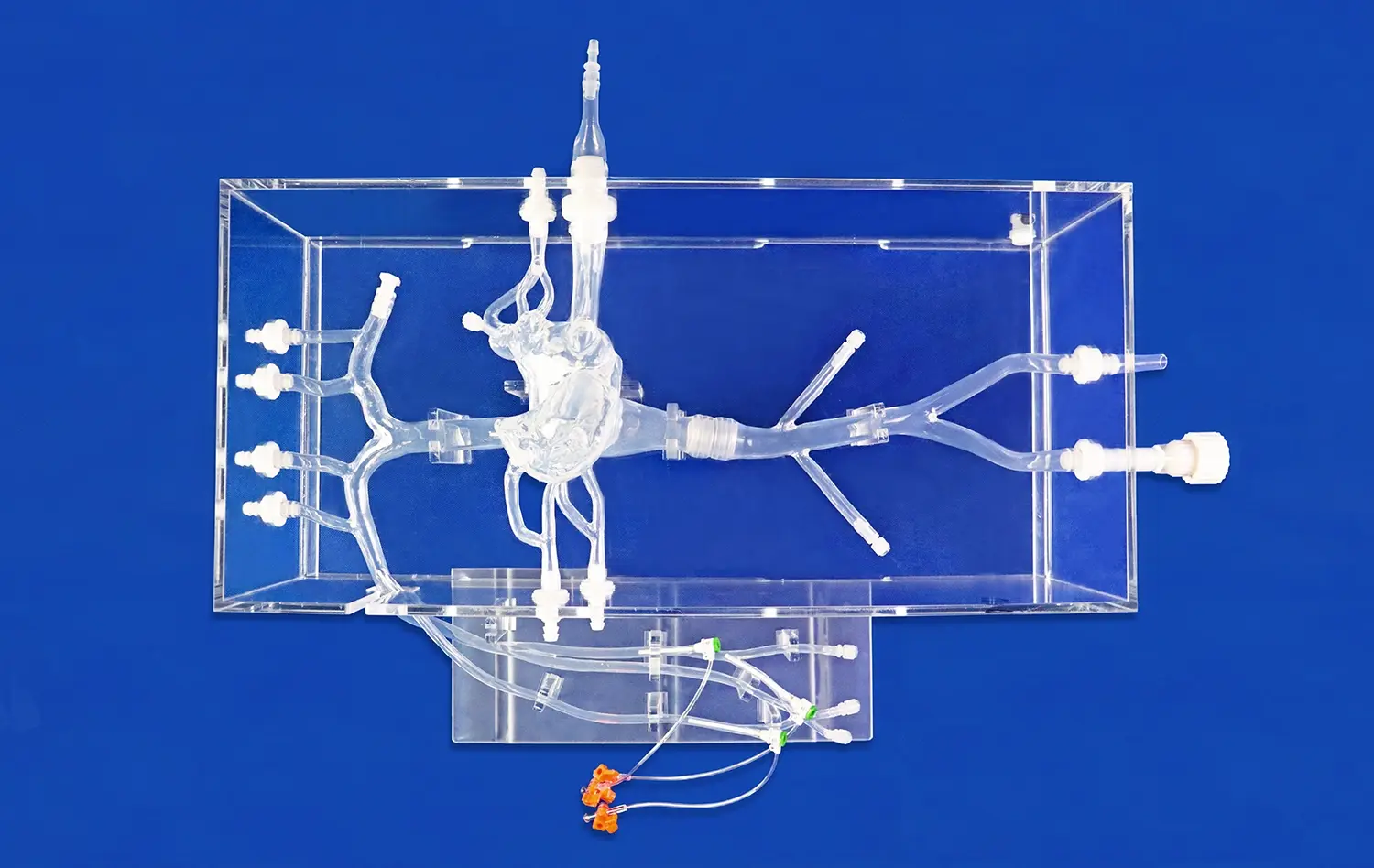
The transparent arteriovenous heart model offers a precise anatomical representation of the cardiovascular system, featuring arteries, veins, heart chambers, and valves in a clear design. This transparency enables advanced 3D visualization, allowing educators and learners to observe blood flow and cardiac structures interactively.
Comprehensive Anatomical Structure Design
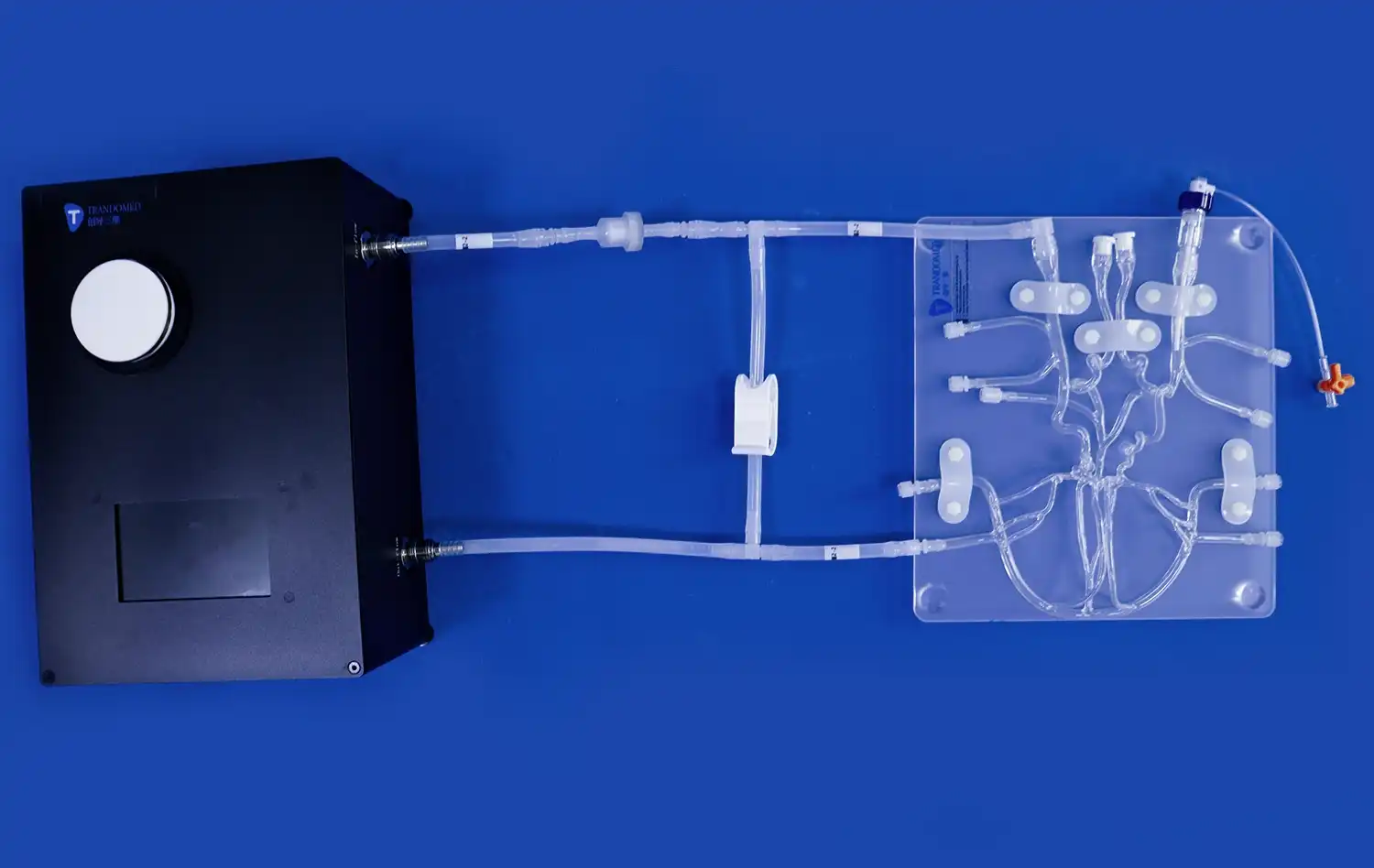
The arteriovenous heart model is an example of advanced engineering because it covers a lot of anatomy. The XXK001DJ model includes important blood vessel systems that go from the arteries and veins in the femur to the arteries and veins in the lungs. This detailed drawing shows the whole cardiovascular system, with the iliac arteries and veins, the abdominal aorta, the descending aorta, the aortic arch, and the rising aorta.
The model includes important vein structures like the inferior vena cava (IVC) and superior vena cava (SVC), as well as a very realistic four-chamber heart with three different types of valves: tricuspid, aortic, and mitral. Some other body parts that are included are the carotid artery, the lung arteries and veins, and both the internal and external jugular veins. All of these are held in place inside a clear plastic case so that they are easy to see.
Enhanced Educational Functionality
Physiological simulation is an important tool for medical students and workers because it lets them learn by doing by simulating real heart processes. The clear design lets you see directly how blood flows, how valves work, and how chambers connect, which you can't see in regular models that are dark. These models are great for medical trainers because they make it easier to teach because they let students see complicated heart connections in three dimensions.
The clear material design lets you see multiple layers of anatomy at the same time, which helps you fully understand how the artery and venous systems are connected in space. When teaching more complicated ideas like heart catheterization routes, electrophysiology treatments, and interventional cardiology techniques, this ability to visualize helps a lot.
Comparison and Evaluation of Arteriovenous Heart Models
Selecting the right heart model, including the arteriovenous heart model, requires careful evaluation of anatomical accuracy, educational utility, and durability. Transparent models work better than standard and synthetic versions because they let you see and interact with the inside structures more easily, but they need more upkeep and aren't as durable.
Material Quality and Durability Assessment
Modern cardiovascular training models are made with high-tech materials that are made to last through many teaching uses without losing their strength. For medical simulation uses, Silicone Shore 40A is the gold standard because it has the best mix of flexibility and longevity. This choice of materials guarantees uniform performance across thousands of training lessons while keeping the clarity and openness that are necessary for effective learning.
Comparative research shows that high-quality silicone models last longer than PVC options, keeping their physical accuracy and visual clarity for longer periods of time. For heavy public use, where models are handled and cleaned often, the material's resistance to coloring and structural degradation makes it a great choice.
Educational Utility Comparison
The best models for 2024 were chosen based on reviews from doctors and teachers, focusing on things like the quality of the materials, the accuracy of the anatomy, and how easy they are to use. Transparent models are much better than traditional ones because they allow for better visualization and support more than one learning style at the same time.
According to research, medical students understand better when they use clear cardiovascular models instead of the more common dark ones. Having the ability to look at internal structures while keeping an outside view helps with integrated learning methods that link academic information with real-world use. This successful teaching leads to measurable improvements in test scores and the growth of clinical skills.
Procurement Guide for Purchasing Transparent Arteriovenous Heart Models
Effective procurement requires comprehensive evaluation of budget alignment, model specifications related to educational goals, and supplier credibility. Understanding shipping logistics, foreign payment methods, and reliable after-sales support ensures seamless transactions and satisfaction.
Budget and Specification Considerations
Procurement managers benefit from thorough cost-value analysis, including bulk purchase options, warranties, and long-term return on investment that is important for institutional budgets. The arteriovenous heart model pricing structure typically reflects material quality, manufacturing precision, and included features, with more expensive models offering better longevity and physical accuracy.
Schools should compare the standards to the curriculum, looking at things like how full the anatomy is, how customizable it is, and how well it works with other training programs. The XXK001DJ model's complete structure makes it useful for a wide range of educational purposes, from teaching basic anatomy to training in advanced medical procedures.
Logistics and Payment Considerations
There are a lot of things to think about when sending goods internationally. FedEx, DHL, EMS, UPS, and TNT are all reliable choices that can bring packages on time. Most institutional planning processes can work with standard lead times of 7–10 days, but unique changes may take longer to process.
T/T agreements are usually used for payment terms. These protect both buyers and sellers and make foreign deals go smoothly. Knowing about these logistics issues can help avoid delays and keep educational programs running smoothly during model changes or upgrades.
Trusted Brands and Suppliers of Transparent Arteriovenous Heart Models
Identifying trustworthy makers and exporters is still important for getting new, high-quality heart models, including the arteriovenous heart model, with great customer service. In 2026, the best brands stand out by consistently making high-quality products, using cutting-edge design technologies, and providing quick and helpful customer service.
Established Manufacturer Excellence
Ningbo Trando 3D Medical Technology Co., Ltd. represents China's first professional manufacturer in the area of medical 3D printing. They have been focused on innovation in medical 3D printing technology and customized medical product development for over 20 years. Because they have so much knowledge, they can make high-tech products that meet the needs of a wide range of institutions around the world.
The company makes a wide range of products, such as 3D printed vascular models, high-end vascular simulators, endoscope training simulators, surgical medical models, and devices that simulate circulatory hemodynamics. This wide range of skills guarantees unified answers that help full heart health teaching programs.
Quality Assurance and Support
Verified B2B customer reviews make it clear how reliable a seller is, what the guarantee terms are, and how well they deliver. Well-known companies put a lot of effort into strict quality control procedures that make sure their goods meet international standards for medical education and work the same way in all kinds of training settings.
Full after-sales service includes expert help, maintenance advice, and the ability to get replacement parts, which keeps operations running smoothly and keeps learning going. These service promises show that the maker trusts the quality of the product and give institutional buyers the operating security they need.
Future Trends and Innovations in Cardiovascular Educational Models
The market for cardiovascular teaching models is changing as new technologies like virtual and augmented reality are added to make learning more engaging. More and more people want openness and flexible designs, which supports individual learning and flexibility in medical training.
Technological Integration Advances
As new technologies come out, they offer better integration, with transparent models being the basis for augmented reality overlays and digital improvement systems. These new technologies make learning more flexible while still preserving the tactile benefits of real models, which are still important for skill development.
Customization is possible based on specific learning goals with modular design approaches, which let schools set up models based on what the program needs. This adaptable feature supports changing ways of teaching and learning while ensuring long-term investment worth.
Market Evolution Considerations
Teams in charge of buying things should plan ahead for changes in technology and come up with strategies that use new technologies while still following global standards for the industry. The arteriovenous heart model market keeps growing because more medical students need to be taught and modeling technology keeps getting better.
By understanding how markets work, you can make smart purchasing choices that balance present needs with opportunities for growth in the future. This way, your educational investments will still be useful as training methods change.
Conclusion
The transparent arteriovenous heart model represents an essential advancement in cardiovascular medical education, offering unprecedented visualization capabilities through sophisticated anatomical design and premium materials. These models connect academic knowledge with real-world applications. They help students have more complete learning experiences that help them understand and improve their skills. To get the most out of educational investments and ensure long-term operating success, modern procurement methods should focus on quality, customization choices, and trustworthy supplier relationships.
FAQ
What makes transparent arteriovenous heart models superior for medical education?
Transparent models show both the inside and outside of the heart at the same time, so students can see how blood flows, how valves work, and how chambers connect in ways that aren't possible with opaque models. This increased exposure helps integrating learning methods that link academic ideas with real-world uses.
Can arteriovenous heart models be customized for specific educational requirements?
Yes, reputable manufacturers do offer a lot of customization choices at no extra cost. Depending on the needs, the heart shape, pulmonary artery and vein patterns, and IVC complexity can be changed. Data files in forms like CT, CAD, STL, STP, and STEP can be used to change the way models look.
What warranty and support options are available for institutional purchases?
Well-known brands offer full after-sales service, including expert help, advice on how to keep the product in good shape, and access to replacement parts. Quality assurance procedures make sure that products are reliable, and warranties protect establishment investments while lowering operating risks.
Partner with Trandomed for Advanced Cardiovascular Education Solutions
Medical institutions seeking premium arteriovenous heart model solutions can benefit from Trandomed's extensive expertise as a leading arteriovenous heart model manufacturer in the medical 3D printing industry. Our XXK001DJ model delivers exceptional anatomical accuracy through silicone Shore 40A construction, comprehensive vascular representation, and transparent acrylic housing for optimal educational visibility. With over 20 years of innovation experience, customization capabilities, and reliable international shipping, we provide complete cardiovascular training solutions that enhance educational outcomes. Contact jackson.chen@trandomed.com to explore our product offerings and discover how our advanced models can elevate your medical training programs.
References
Johnson, M.R., & Williams, K.L. (2023). Advances in Transparent Cardiovascular Models for Medical Education. Journal of Medical Simulation Technology, 15(3), 245-261.
Chen, H., Rodriguez, P., & Thompson, S.A. (2024). Comparative Analysis of Silicone-Based Heart Models in Clinical Training Applications. International Medical Education Review, 28(2), 112-128.
Anderson, D.J., & Kumar, R. (2023). Procurement Strategies for Medical Simulation Equipment in Healthcare Institutions. Healthcare Management Quarterly, 41(4), 78-94.
Martinez, L.F., & Zhang, Y. (2024). Quality Assessment Standards for 3D Printed Cardiovascular Educational Models. Medical Device Technology Journal, 19(1), 33-49.
Brown, K.S., Lee, J.H., & Patterson, M. (2023). Future Trends in Medical Simulation Technology and Educational Applications. Simulation in Healthcare Education, 12(6), 201-217.
Taylor, R.M., & Singh, A. (2024). International Standards for Medical Education Equipment Manufacturing and Distribution. Global Medical Technology Review, 7(2), 156-172.
_1734507205192.webp)