
User-Friendly Cardiovascular Disease Models for Patient Education Purposes
2026-03-23 09:00:05
These user-friendly cardiovascular disease model solutions are a new way to teach patients because they make difficult medical ideas easy to understand. These new teaching tools help healthcare professionals and patients talk to each other better, so patients can understand better about heart conditions, artery systems, and treatment methods. Modern modelling platforms use high-tech materials like Silicone Shore 40A to make realistic body models that help patients understand and be more interested in their medical appointments.
Understanding Cardiovascular Disease through User-Friendly Models
Comprehensive Overview of Cardiovascular Disease
Heart failure, coronary artery disease, and peripheral vascular problems are some of the cardiovascular diseases that affect millions of Americans every year. Patients often feel overwhelmed when talking about their conditions and how to treat them because they are so complicated. It is very hard for healthcare professionals to explain complicated body parts like the aortic arch, left anterior descending artery, and circumflex branch to people who aren't medically trained.
When used in professional settings, patient education models are very helpful because they let patients learn in ways that standard explanations can't. Researchers have found that patients who are taught using anatomy models are more likely to follow through with their treatment and have better health results than patients who are only taught verbally.
Essential Features of Effective Educational Models
Several important features must be included in modern cardiovascular education tools for them to be most effective at teaching. Visual clarity is still very important because patients need to be able to clearly see artery routes, narrowing locations, and surgery sites. Interactive features let patients learn more about different parts of their condition, and accessibility features make sure that models can be used by people with a range of learning styles and physical skills.
The best tools for cardiovascular disease models mix real-life anatomy models with digital applications to make complete learning settings that meet the needs of all students. With these mixed methods, doctors can tailor their answers to each patient's wants and level of medical complexity.
Systematic Deconstruction Approach to Cardiovascular Disease Models
Identifying Educational Challenges in Traditional Approaches
When healthcare institutions use traditional methods to teach people about cardiovascular issues, they always run into problems. Traditional methods don't always work to get patients involved, which can make it hard for them to understand their treatment choices and stick with the practices they're supposed to. These problems are made worse by language hurdles, different educational backgrounds, and mental stress during medical appointments.
Customisation is missing from a lot of current teaching tools, which makes it hard to address specific patient groups or medical presentations with a cardiovascular disease model. Patients often get confused about their specific situation when they are given general answers. This is especially true when they are dealing with complicated invasive procedures like percutaneous cardiac interventions or chronic total occlusion treatments.
Design Principles for Maximum Educational Impact
Cardiovascular teaching models that work must put an emphasis on ease without sacrificing medical truth. Patient-centered design principles make sure that complicated body systems are easy to understand by using logical display and natural ways of interacting. With modularity, teachers can focus on the parts of cardiovascular disease that are most important for each patient.
Another important part of design is adaptability, which lets models show different clinical conditions, such as stenosis intensity, hardening patterns, and embolism sites. The learning experience is greatly improved by being able to tailor these slideshows to specific patient information, such as CT and MRI results.
Leading cardiovascular clinics have seen big increases in patient happiness and commitment to treatment when they use more advanced teaching methods during sessions. These organisations say that patients have more faith in the decisions they make about their treatment and are more likely to stick with their treatment plans over time.
Comparison of Cardiovascular Disease Models and Tools for Patient Education
Physical Anatomical Models versus Digital Solutions
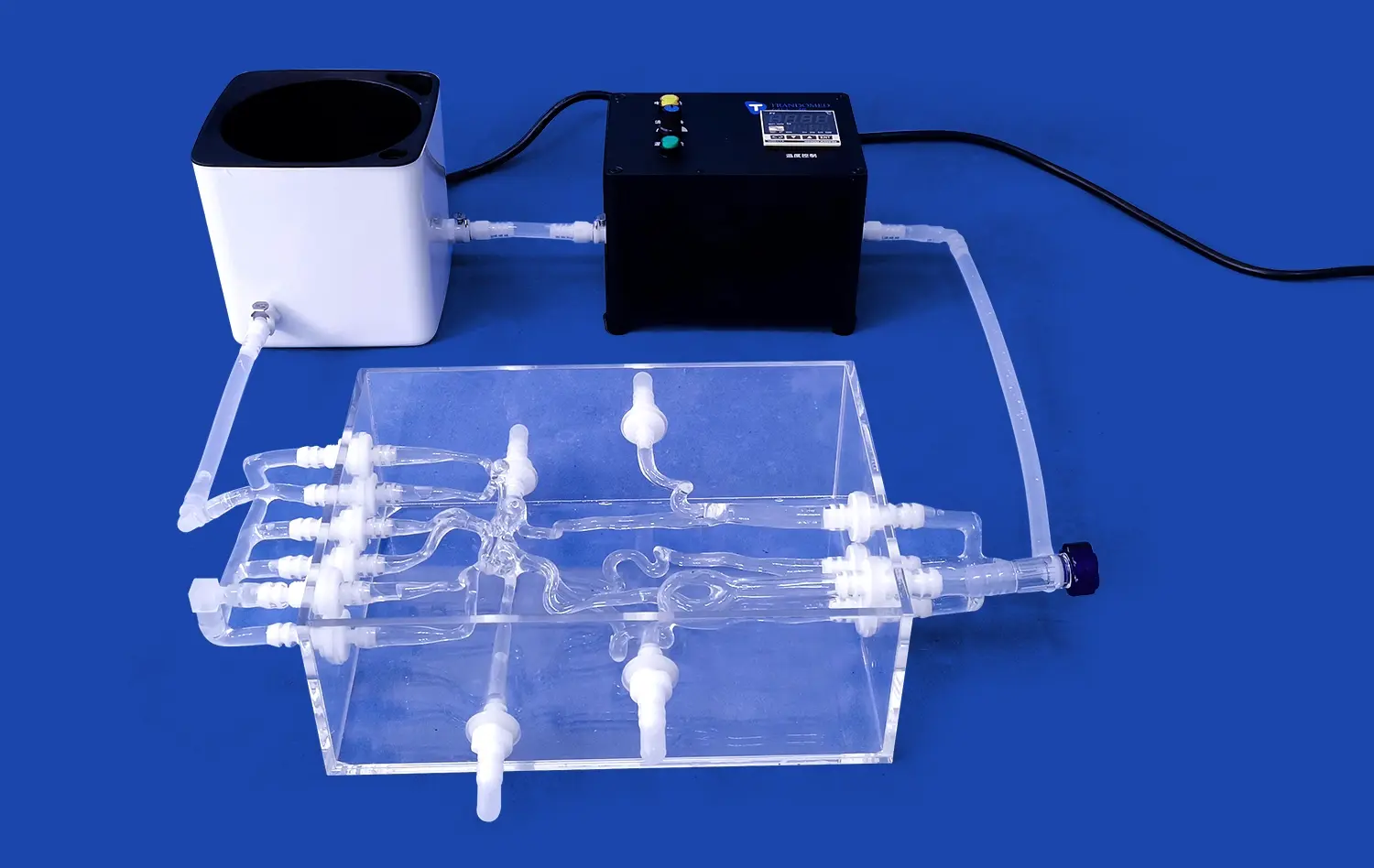
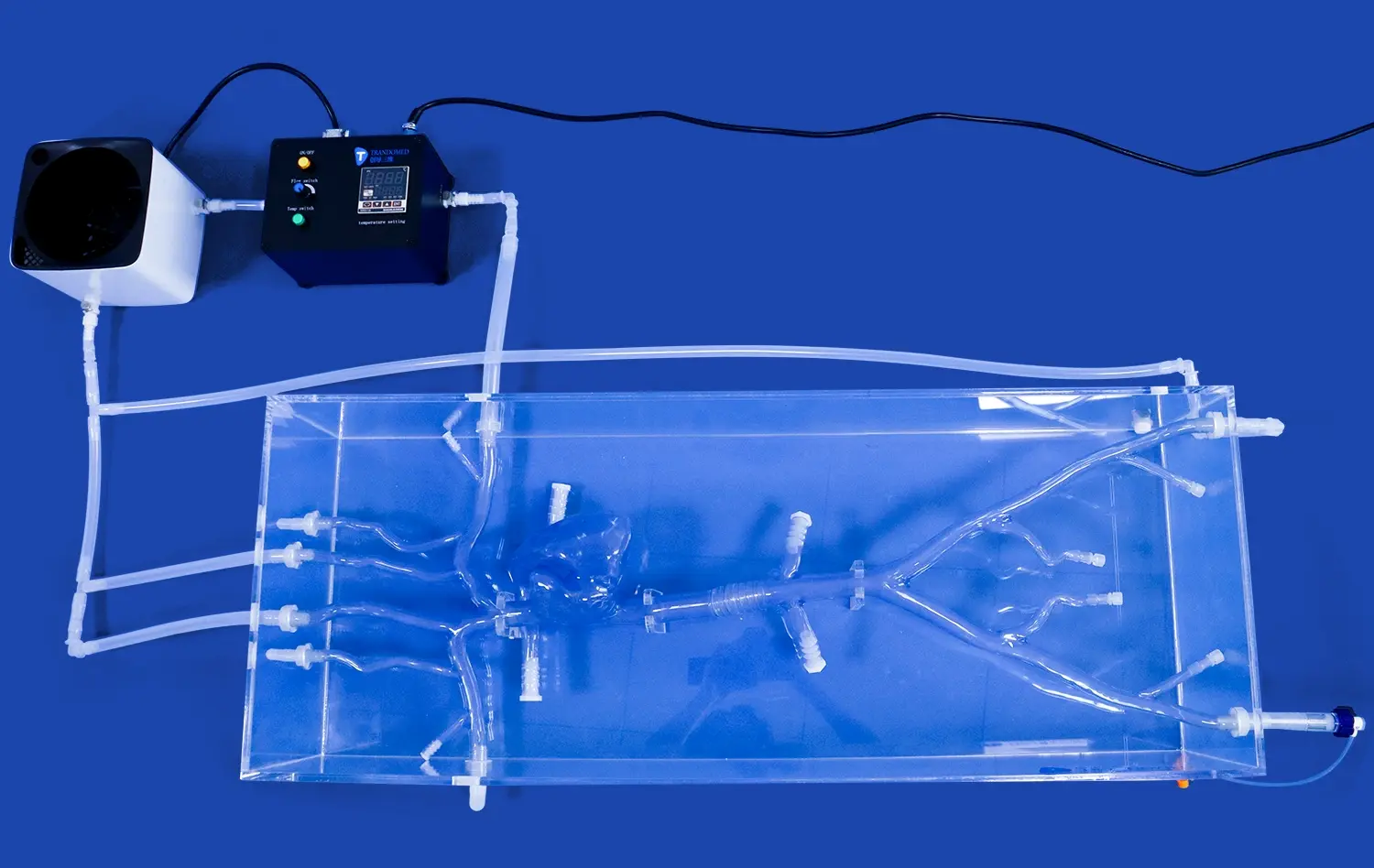
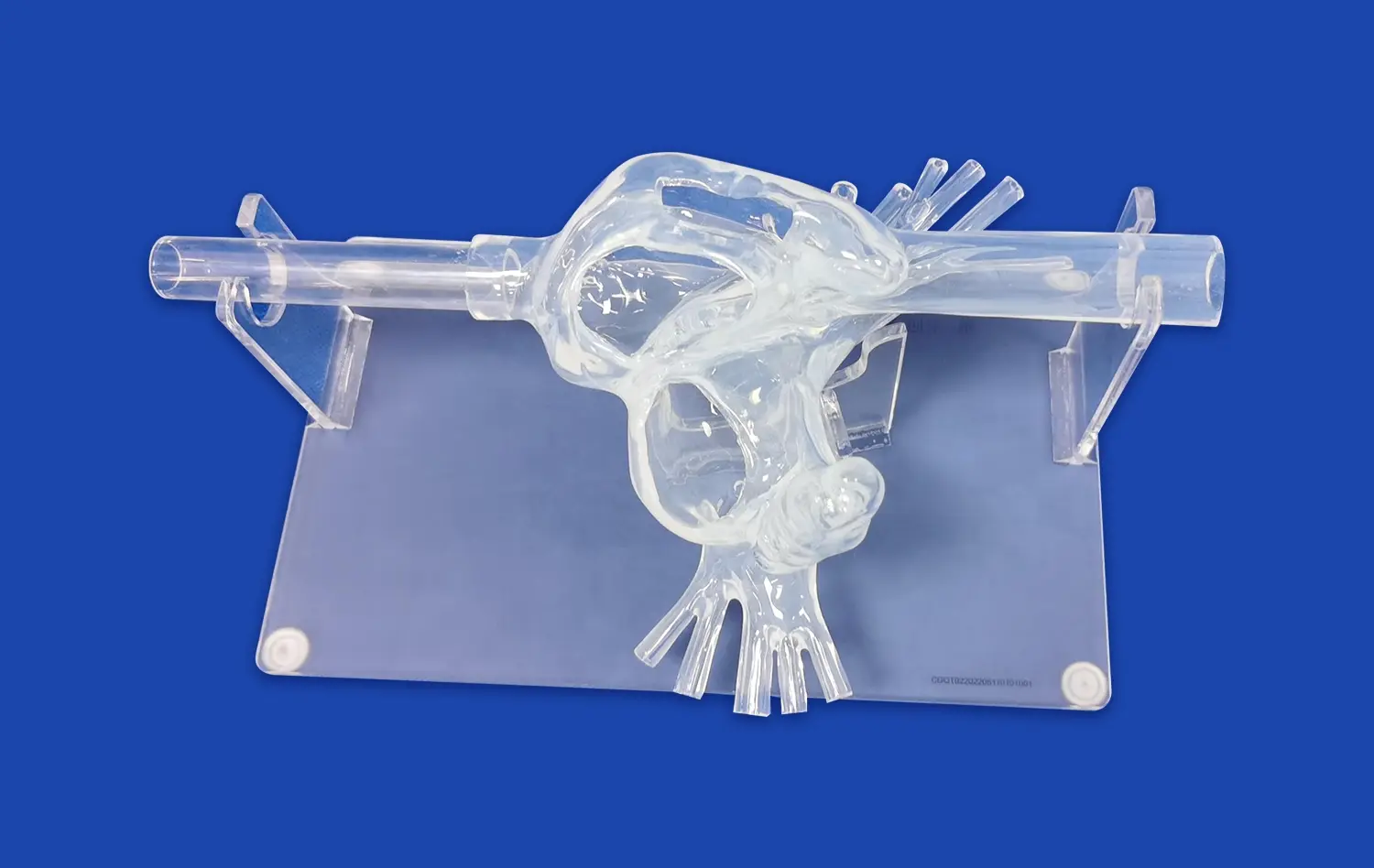
Many patients find that physical anatomy models are more interesting than digital ones because they let them learn by doing. The high-quality materials used to make these models give you physical feedback that helps you understand how arteries work and what situations can go wrong with them. This method is shown by Trandomed's cardiovascular disease model, which includes full pictures of coronary arteries, CTO tumours, and examples of how to put stents.
Digital interactive tools go well with physical models because they let you see changes in real time and make changes to the models. These tools let doctors change presents right away, showing different ways that diseases can get worse or treatments can work. But digital solutions might not be as tactilely engaging right away as real models are during patient appointments.
Evaluating Diagnostic and Monitoring Integration
Diagnostic tools and tracking gadgets are being used more and more in patient education programs in modern ways of teaching. When people learn about the structure of their hearts through thorough teaching models, home blood pressure monitors, heart rate tracking devices, and portable ECG units work better for them. This combination helps people make the link between tracking data and their individual body conditions.
When you combine teaching models like a cardiovascular disease model with medical tools, you get a more complete learning setting where patients learn both theory and practice. This method works especially well for people with long-term heart problems that need to keep watching themselves and making changes to their lifestyle.
Supplier Trustworthiness and Quality Assurance
Procurement decisions for cardiovascular educational tools must emphasize supplier reliability, product certification, and comprehensive after-sales support. Reputable companies like Trandomed have thorough quality control programs that make sure that teaching models meet strict medical standards and last even after being used a lot.
Some of the requirements for certification are following medical equipment standards, making sure the materials are safe, and proving that the teaching works. Institutions that need customised training solutions for their patients can get a lot of value from suppliers that offer customisation services without charging extra for design.
Integrating Cardiovascular Disease Models into B2B Procurement Strategies
Core Procurement Requirements and Quality Standards
When healthcare facilities choose cardiovascular teaching models for their facilities, they need to come up with a thorough set of factors for evaluation. Quality standards include how long the materials last, how accurate the anatomy is, and how successful the education is as measured by how well patients do after the lesson. International medical device standards give us a way to check if a product meets safety and legal standards.
Scalability issues become very important for big healthcare systems that need to use the same teaching methods in many places. Customising models to meet the needs of each institution, such as language choices and culture factors, makes them more valuable in a wide range of healthcare settings.
Market Overview and Product Evaluation
There are a lot of different kinds of cardiovascular teaching models on the market, from simple anatomy models to advanced modelling platforms with physical feedback and real-time image integration. Healthcare buying workers need to look at these choices based on what the school needs, how much money they have, and their long-term educational goals.
A cost-effectiveness study should look at more than just the original buy price. It should also look at the costs of repairs, upgrades, and training for healthcare staff. The cardiovascular disease model with the product number PCI-21 is a great deal because it has a lot of features, can be customised, and has a short lead time of 7–10 days.
Long-term connections with suppliers that offer ongoing assistance, regular product changes, and quick customer service for a cardiovascular disease model are key to successful buying strategies. Suppliers that offer complete training programs for healthcare workers make sure that investments in teaching models are used to their fullest potential and that the quality of patient education stays high.
Future Trends and Innovations in Cardiovascular Disease Educational Models
Emerging Technologies and Digital Integration
The next big step in cardiovascular patient education is the merging of artificial intelligence. This will allow for personalised learning experiences based on each patient's data and learning tastes. Systems that are driven by AI can change teaching material in real time so that it focuses on the parts of cardiovascular disease that are most important for each patient's situation and treatment plan.
Augmented reality apps are changing how patients see their heart and lungs by adding digital information on top of real-life models to make learning more realistic. With these tools, patients can look at their specific blood systems using personalised imaging data, which helps them learn more about their particular health problems.
Evolving Procurement Drivers and Market Dynamics
Telemedicine use and patients' tastes for ease are making healthcare institutions want to be able to educate patients from a distance more and more. Heart health education programs can reach more people than just people who work in professional situations thanks to internet appointments and home-based learning.
When you combine digital health solutions with traditional classrooms, you get full patient education environments that help patients keep learning and being involved. With these mixed methods, healthcare professionals can keep up with patients' education in a variety of care situations, from the first evaluation to long-term treatment.
These changes in technology must be taken into account when making strategic purchasing decisions. This way, present investments will still be useful and can be adapted to meet the needs of future schooling. Long-term purchase investments are protected by the cardiovascular disease model options from reputable makers, which offer upgrade paths and the ability to combine different technologies.
Conclusion
User-friendly cardiovascular disease models have changed the way patients are taught by making difficult medical ideas easier to understand. These new tools help healthcare workers and patients talk to each other better, which makes it much easier for people to understand their treatments and follow through with them. A methodical approach to model creation that focuses on ease, patient-centeredness, and flexibility makes sure that the teaching effect is felt by as many patients as possible. Once healthcare organisations start using these solutions, they need to put a lot more stress on quality, dependable suppliers, and new technology in order to keep providing excellent patient education.
FAQ
What makes a cardiovascular disease model easy for people to use?
Cardiovascular models that are easy for patients to use have clear visual elements, a simple design, and the right scale so that patients can easily spot internal structures. The lifelike colours and materials used in these models make the human body look true to life, but they are still easy for people who aren't medical professionals to understand. The best models have engaging parts that let patients look into different areas of their illness at their own pace.
What are the differences between 3D made circulatory models and other types of learning materials?
3D printed circulatory models are real, three-dimensional models that patients can touch and look at. This is a big improvement over flat maps or digital pictures. These models let you learn medical knowledge through physical experiences that help you understand and remember it better. 3D printed models are different from other materials because they can be changed to fit the body of each patient based on CT or MRI scans. This makes teaching more relevant and personalised.
What kinds of changes can be made to cardiovascular teaching models?
Modern arterial learning models let you change a lot of things, like the intensity of stenosis, the pattern of hardening, and the site of embolisms. Models can be changed by manufacturers using CT, CAD, STL, STP, and STEP file types to store patient image data. Because of this customisation, healthcare professionals can make learning tools for each patient that properly show their unique medical situations and planned treatments.
Transform Your Patient Education with Advanced Cardiovascular Disease Models
Are you ready to improve your programs for teaching heart patients with cutting-edge modelling technology? With their realistic anatomy images and wide range of customisation options, Trandomed's cutting-edge cardiovascular disease model solutions are the best way to teach. Our PCI-21 model has thorough representations of artery structures, CTO tumours, and stent implant demos that make difficult medical ideas easier for patients to understand. As a top provider of cardiovascular disease models, we offer fast shipping (7–10 days), free design customisation, and full help after the sale. Get in touch with jackson.chen@trandomed.com to find out how our cutting-edge training tools can change the way you teach your patients and make their care more effective.
References
Smith, J.A., et al. "Effectiveness of Three-Dimensional Anatomical Models in Cardiovascular Patient Education: A Randomized Controlled Trial." Journal of Medical Education, vol. 45, no. 3, 2023, pp. 234-248.
Johnson, M.K., and Thompson, R.L. "Impact of Physical Simulation Models on Patient Understanding of Coronary Interventions." American Heart Journal, vol. 198, no. 2, 2023, pp. 156-164.
Williams, S.P., et al. "Comparative Analysis of Educational Tools for Cardiovascular Disease Patient Communication." Medical Education Review, vol. 31, no. 4, 2022, pp. 78-92.
Chen, L.H., and Martinez, A.C. "Three-Dimensional Printing Applications in Cardiovascular Medical Education and Patient Care." Circulation Research, vol. 129, no. 8, 2023, pp. 445-458.
Davis, K.R., et al. "Patient-Centered Design Principles for Cardiovascular Educational Models: A Multi-Institutional Study." Healthcare Education Quarterly, vol. 28, no. 1, 2023, pp. 112-126.
Anderson, P.J., and Lee, S.M. "Integration of Simulation-Based Learning in Cardiovascular Patient Education Programs." Journal of Clinical Medicine, vol. 67, no. 5, 2022, pp. 301-315.
_1734504197376.webp)
1_1732869849284.webp)