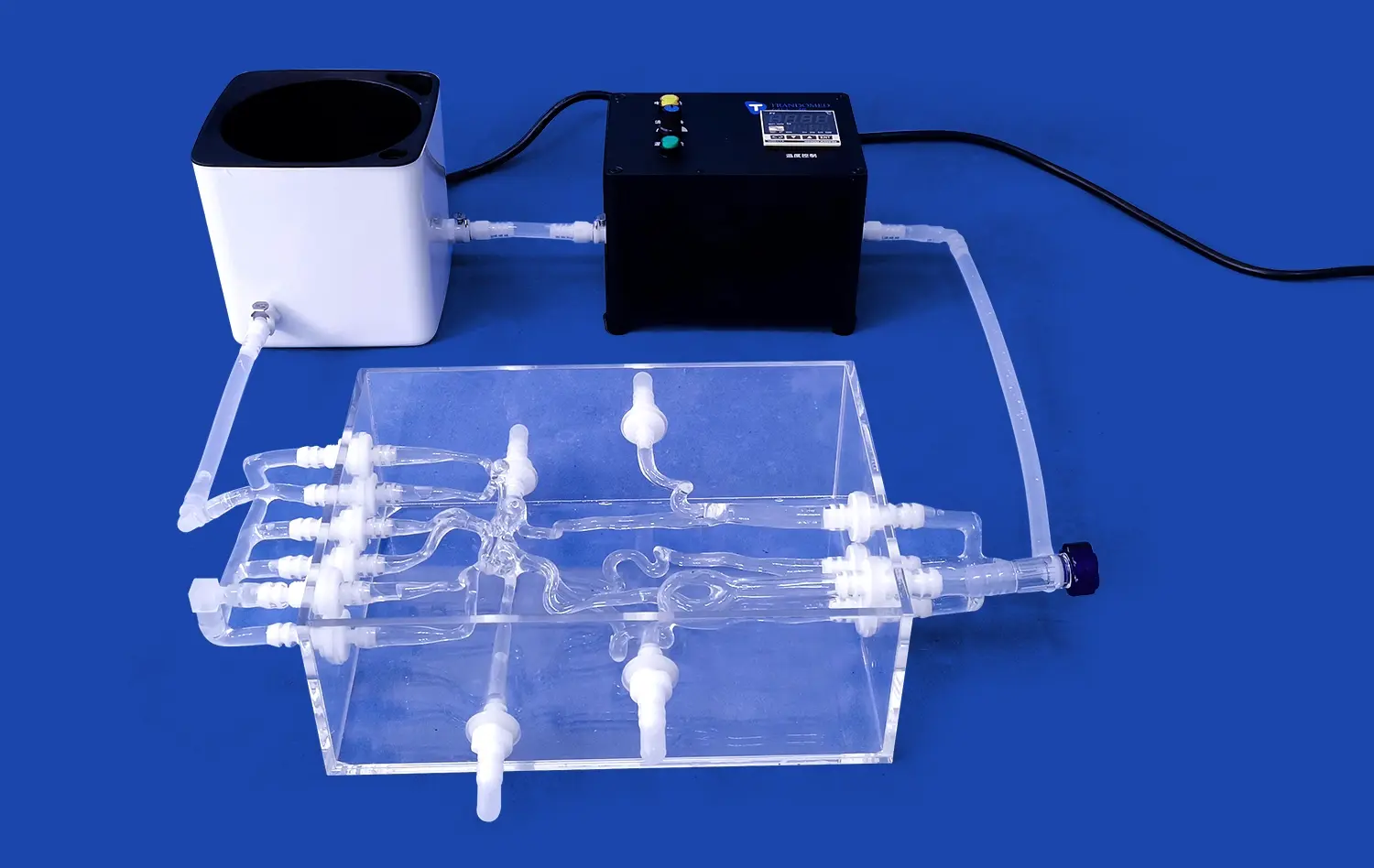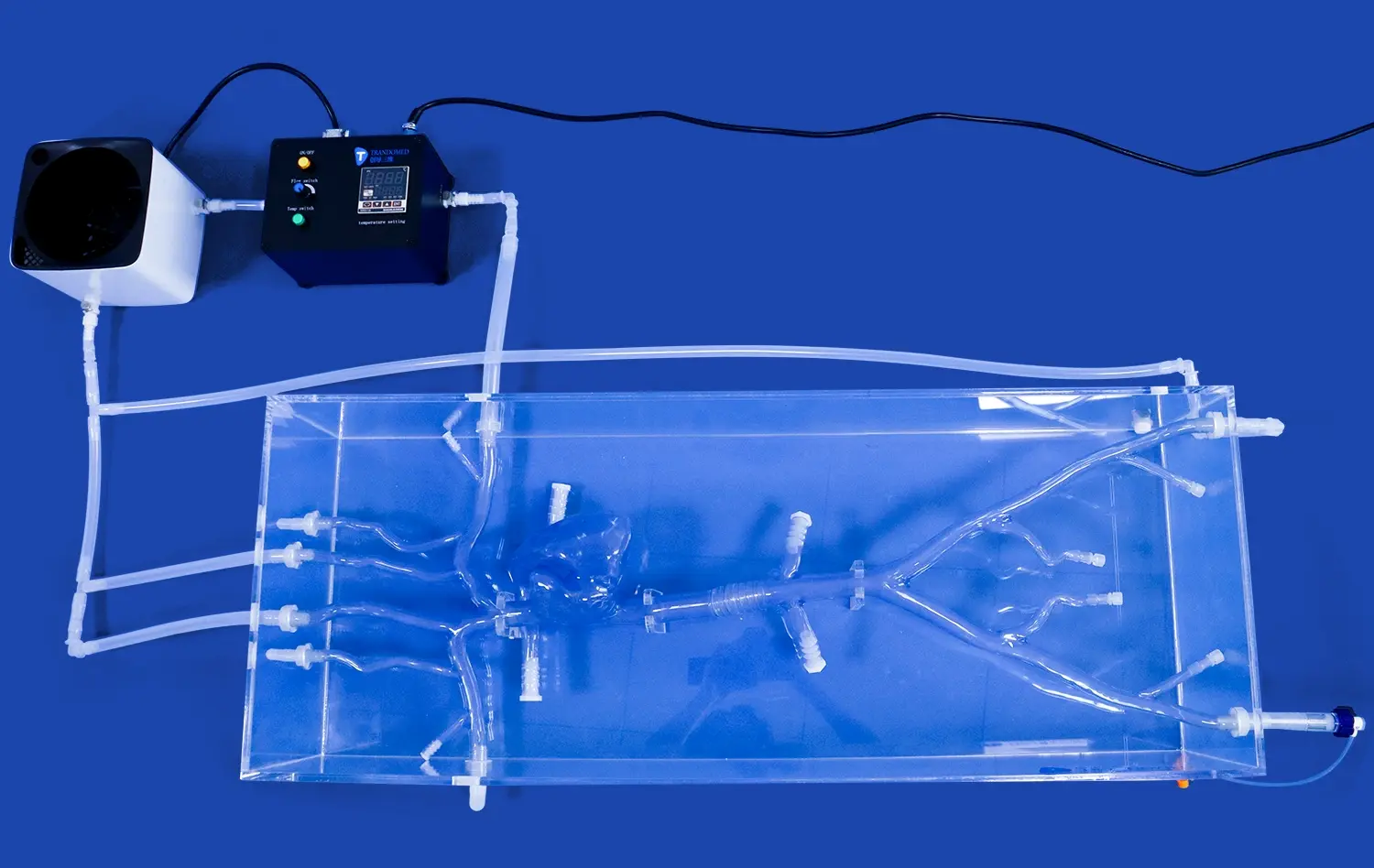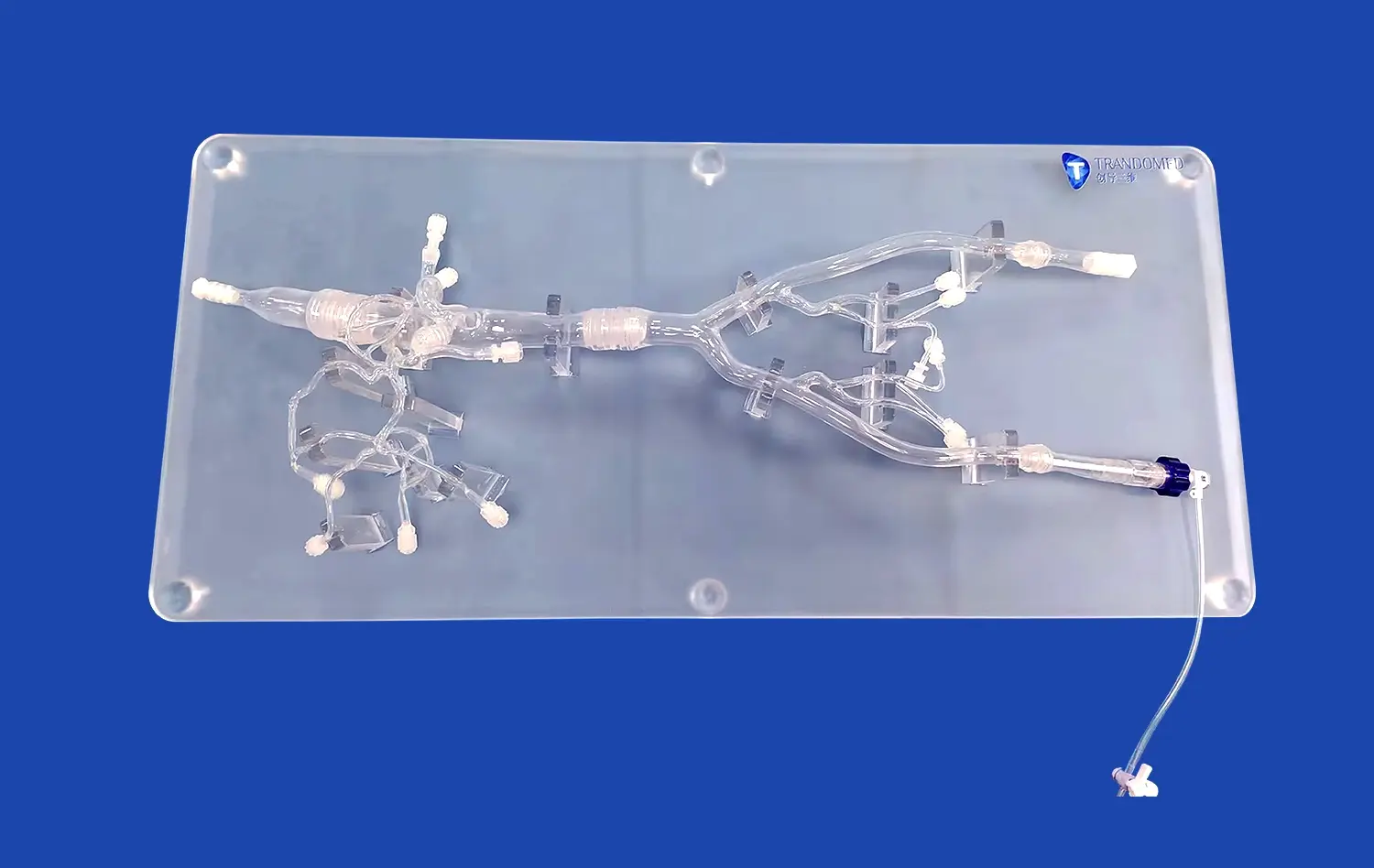

A cerebral model for simulating aneurysms and angiography is a huge step forward in neurovascular medical education and study. These advanced 3D-printed anatomical models are the most accurate representations of the brain's complex blood vessels ever made. This lets doctors practice dangerous procedures in a safe setting. Medical institutions, hospitals, and training centers that want to improve their neurovascular simulation skills must use the cerebral model. This model reduces patient risk and improves clinical outcomes through realistic, hands-on training experiences.
Understanding the Cerebral Model in Aneurysm and Angiography Simulation
Defining Advanced Neurovascular Simulation Technology
Cerebral models are complex 3D-printed copies of human bodies that properly show the brain's complicated network of blood vessels. These simulation tools have thorough models of important structures like the Circle of Willis, the main cerebral arteries, and different medical conditions like aneurysms and stenoses. The technology behind these models blends high-tech imaging data with precise manufacturing methods to make training platforms that feel very real.
Modern neurovascular models are based on high-resolution medical imaging data, which gives them a very accurate picture of the human body. CT angiography, MRI, and digital subtraction angiography datasets are used by manufacturers to make sure that every vascular branch, curve, and pathological trait looks like it would in a real patient. This level of accuracy helps healthcare workers build muscle memory and belief in their procedures, which directly affects their work in the clinic.
Core Advantages in Medical Training Applications
When cerebral models are used in medical education, they have transformative effects that go far beyond standard ways of learning. Because of these benefits, neurovascular models should be purchased by medical schools that want to provide the best training possible.
The main benefit of more modern cerebral models is that they are more accurate in terms of anatomy. Unlike static pictures in textbooks or computer programs, these physical models give students a three-dimensional sense of space that helps them understand how the different parts of the vascular system work together. Residents and students can move catheters, guidewires, and other interventional devices while getting the physical feedback they need to get better at the procedure.
Because simulation-based learning can be repeated, it leads to better results in routine training. Brain models let doctors practice tricky aneurysm coiling techniques, angiographic navigation methods, and difficult anatomical differences without putting patients at risk. In this controlled setting, teachers can slowly add more difficult tasks, which helps students become more skilled over time.
When institutions use cerebral models for device testing and validation studies, the study results are better. Medical device companies use these platforms to test new stent designs, find the best ways to set up catheters, and make sure that interventional methods work before they go into clinical trials. Simulation models provide a standard anatomy that makes sure that testing settings are always the same, which is important for scientific research.
Material Properties and Technical Specifications
Choosing the right materials is a very important part of making simulations feel real. Medical-grade silicone materials that mimic the mechanical qualities of human vascular tissue are often used to make high-quality cerebral models. Advanced neurovascular simulators often use Shore 40A silicone because it strikes the perfect balance between durability and accurate tactile feedback.
Another important thing that sets luxury cerebral models apart from basic training tools is their vascular accuracy. More advanced models include accurate vessel diameters, changes in wall thickness, and pathological features that are similar to how the disease shows up in real life. Being able to change the locations, sizes, and shapes of aneurysms lets institutions make specific training situations that meet certain learning goals.
How the Cerebral Model Improves Simulation Accuracy and Efficiency?
Addressing Limitations of Traditional Training Methods
Traditional ways of training the brain and blood vessels have big problems that make them less successful at teaching and more expensive. Even though traditional cadaveric specimens are important, they are hard to get and can have different body parts. They also need to be stored properly. Digital models are good for learning basic ideas, but they don't have the tactile feedback that you need to get better at following steps.
These problems can be solved with cerebral models, which offer consistent, repeatable training sessions that combine the benefits of physical handling with controlled displays of the body's parts. Being able to practice procedures on the same body part more than once lets students focus on improving their skills instead of adapting to new bodies.
Essential Workflow Integration Points
Using cerebral models in medical training makes the process more useful at several times. As they learn the basics of their new skills, students use these models to learn about basic vascular anatomy and practice basic catheterization methods. The three-dimensional form of physical models helps people understand space, which improves their ability to remember and understand.
For advanced procedural training, it is helpful to be able to model difficult anatomical variations and complex pathological conditions. Cerebral models can mimic tricky medical situations like blood vessels that are twisted, arteries that have hardened, and multiple aneurysms. This controlled exposure to difficult cases helps doctors get ready for clinical events that happen in the real world.
Post-procedure analysis becomes more effective when utilizing standardized simulation platforms. Using consistent anatomical references, instructors can talk about different variations in method, figure out the best ways to do things, and find places where students can improve. Being able to do the same thing over and over again makes it possible to objectively test and confirm skills.
Validated Clinical Outcomes and Case Studies
Studies show that adding cerebral models to standard training methods leads to measurable improvements in procedural competency. Simulation-based training programs have been shown to shorten the time it takes to learn complicated neurovascular procedures, boost the confidence of residents, and increase the success rates of those procedures.
The measurable benefits go beyond improving people's skills and include measuring how well institutions do their jobs. Advanced cerebral models used in training programs have been linked to higher resident satisfaction scores, better board test results, and better recruitment. These results show that the money spent on simulation technology was well spent and had a clear return on investment.
Choosing the Right Cerebral Model Solution for Your Procurement Needs
Evaluating Technical Specifications and Features
When choosing cerebral models for their institutions, procurement professionals have to think about a lot of technical factors. The most important thing to think about is how realistic the vascular structures are in terms of anatomy, since training success is directly linked to how realistic the simulations are. More advanced models should have accurate pathological representations, exact vessel diameters, and realistic tortuosity.
How long a material lasts affects both the level of training and how much it costs in the long run. High-quality silicone materials last longer and keep their realistic surface feel even after being used many times. Being able to handle multiple catheterization treatments without breaking down guarantees consistent training over time.
With customization options, institutions can change the situations of simulations to meet specific training goals. Models that can fit different aneurysm shapes, stenosis levels, and body types give teachers more options for how to teach. Adding patient-specific anatomy from institutional imaging datasets to specialized training tools makes them much more useful.
Supplier Selection Criteria and Vendor Assessment
To choose the right suppliers, you need to carefully look at their technical knowledge, production skills, and service support systems. Product quality and dependability are more likely to be guaranteed by well-known makers with a history of success in medical simulation. Being able to offer technical help, training materials, and ongoing maintenance services is a big part of making implementation work.
Quality certification and following the rules are important things to think about when buying medical training tools. Suppliers should show that they follow the quality standards that apply and provide proof of how they make the products. For schools that need specific configurations, the fact that customization services are available without extra design costs is a big plus.
Cost Considerations and Budget Planning
When investing in cerebral models, it's important to think about both the original costs and the ongoing costs of running the models. Premium simulation platforms require a big investment up front, but they pay for themselves in the long run by lowering training costs, improving outcomes, and improving the institution's image. Being able to hold repeated training classes without having to buy new materials saves money compared to other training methods.
When making a budget, you should include costs for things like training staff, helping with merging, and possibly making changes to the building. A lot of sellers offer flexible payment terms and service packages that work with the budget cycles and needs of institutions that buy things.
Integrating Cerebral Model-Based Simulation Into Your Procurement Strategy
Aligning Simulation Technology with Strategic Goals
Successful integration of cerebral models requires alignment between simulation capabilities and institutional strategic objectives. Medical schools benefit from enhanced anatomy education and improved residency training programs. Hospitals gain value through improved staff competency and reduced complication rates. Research institutions leverage simulation platforms for device development and validation studies.
The growing market demand for simulation-based training creates opportunities for institutions to differentiate their educational programs and attract top-tier faculty and residents. Investment in advanced cerebral models positions institutions as innovation leaders while demonstrating commitment to educational excellence.
Long-term Value Creation and Performance Optimization
The strategic value of cerebral models extends beyond immediate training benefits to encompass long-term institutional advantages. Continuous refinement of simulation protocols enables ongoing improvement in training effectiveness and efficiency. The ability to update and modify training scenarios ensures that educational programs remain current with evolving clinical practices.
Performance metrics should encompass both educational outcomes and operational efficiency measures. Tracking learner progress, skill acquisition rates, and competency achievement provides data supporting continued investment in simulation technology. The ability to demonstrate improved patient outcomes following simulation-based training validates the clinical relevance of educational investments.
Company Introduction and Solutions Overview
Trandomed's Leadership in Medical Simulation Technology
Ningbo Trando 3D Medical Technology Co., Ltd stands as China's pioneering manufacturer in the medical 3D printing field, bringing over two decades of specialized expertise to the development of advanced cerebral models and neurovascular simulators. Our research and development team has concentrated on medical 3D printing technology innovation and personalized medical product development, establishing Trandomed as a trusted partner for medical institutions worldwide.
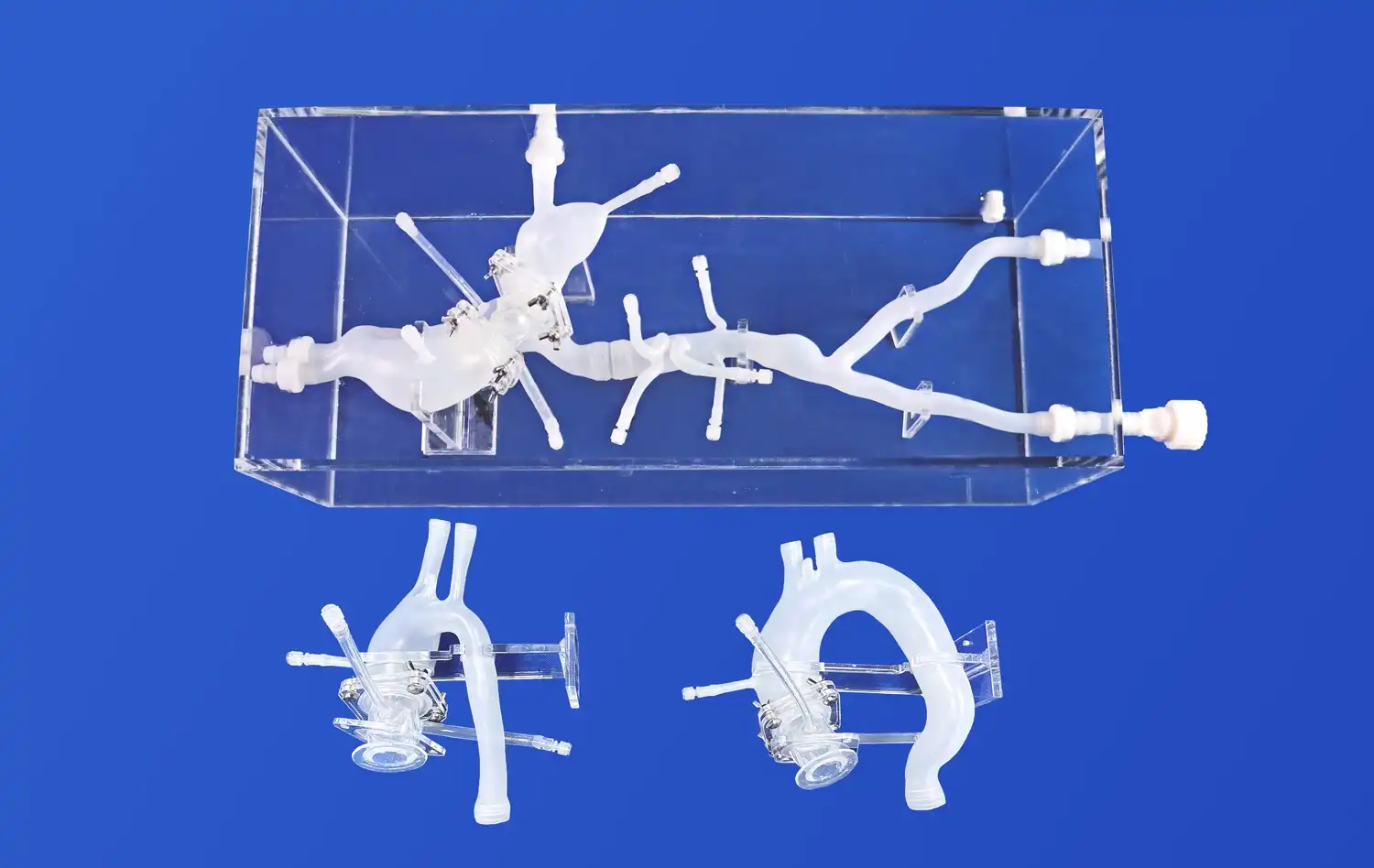
Our flagship cerebral model, also known as the Circle of Willis Aneurysm III (Product No. SJK002D), represents the culmination of years of research and development in neurovascular simulation technology. Constructed from premium Silicone Shore 40A material, this sophisticated simulator provides detailed replication of cerebral vasculature with multiple aneurysm configurations for comprehensive training applications.
Technical Excellence and Manufacturing Capabilities
The cerebral model incorporates aneurysms on critical locations including the ophthalmic segment, basilar artery, carotid artery, and middle cerebral artery, enabling comprehensive simulation of aneurysm tamponade operations and cerebral angiography procedures. The model's design facilitates fixation within an acrylic box to enhance three-dimensional spatial representation, providing an optimal platform for hands-on training and skill development.
Our customization services accept modifications without charging design costs, enabling institutions to tailor models according to specific requirements including aneurysm numbers, sizes, and positions. The flexibility to incorporate various brain lesions, stenosis levels, embolism, and tortuosity ensures that training scenarios match institutional educational objectives and clinical focus areas.
Service Excellence and Global Support
Trandomed's commitment to customer success extends beyond product delivery to encompass comprehensive support services. Our streamlined production process delivers completed models within 7-10 days, utilizing reliable shipping methods including FedEx, DHL, EMS, UPS, and TNT to ensure timely delivery worldwide. The T/T payment structure provides secure, straightforward transaction processing for institutional procurement requirements.
Our proven performance record demonstrates the reliability and accuracy of our simulation platforms across diverse medical applications. The scalability of our manufacturing processes enables us to handle large orders while maintaining consistent quality standards. Data security measures protect customer information and intellectual property throughout the customization and manufacturing process.
Conclusion
The integration of cerebral models into aneurysm and angiography simulation represents a strategic investment that delivers measurable benefits across multiple institutional objectives. These advanced training platforms address critical needs in medical education, clinical competency development, and research applications while providing quantifiable returns through improved training effectiveness and reduced procedural complications.
Trandomed's expertise in neurovascular simulation technology positions us as the ideal partner for institutions seeking to advance their training capabilities through innovative cerebral model solutions. Our commitment to quality, customization, and customer success ensures that your investment delivers lasting value and supports your mission of excellence in medical education and patient care.
FAQ
What differentiates cerebral models from traditional simulation tools?
Cerebral models provide physical, three-dimensional training platforms that enable tactile interaction with realistic vascular anatomy. Unlike digital simulators or static models, these platforms allow practitioners to manipulate real medical devices including catheters, guidewires, and stents while experiencing authentic tactile feedback. The anatomical accuracy and material properties of advanced cerebral models create training experiences that closely mirror clinical procedures.
How do cerebral models enhance procedural training effectiveness?
The effectiveness of cerebral models stems from their ability to provide repeatable, standardized training experiences that enable progressive skill development. Practitioners can rehearse complex procedures multiple times, master challenging anatomical variations, and build confidence before encountering similar cases in clinical practice. The controlled environment allows instructors to introduce complications systematically and assess competency objectively.
What customization options are available for institutional requirements?
Advanced cerebral models offer extensive customization capabilities including variable aneurysm configurations, stenosis patterns, and anatomical variations. Institutions can specify aneurysm numbers, sizes, and locations according to their training objectives. The ability to incorporate patient-specific anatomy from CT, CAD, STL, STP, and STEP file formats enables highly targeted educational scenarios that address specific clinical interests.
Partner with Trandomed for Advanced Neurovascular Simulation Solutions
Trandomed stands ready to transform your neurovascular training capabilities through our industry-leading cerebral model solutions designed specifically for aneurysm and angiography simulation applications. As a trusted cerebral model manufacturer with over two decades of specialization in medical 3D printing technology, we provide the expertise and innovation your institution needs to achieve training excellence.
Our comprehensive approach encompasses customized consultation services that align simulation technology with your specific procurement requirements. We invite you to explore our product demonstrations and request tailored quotes that address your unique training objectives and budget considerations. Our technical team provides ongoing support throughout the implementation process, ensuring successful integration and optimal training outcomes. Contact jackson.chen@trandomed.com today to discuss how our cerebral model solutions can enhance your medical simulation capabilities and support your institutional training goals.
References
Chen, L., Wang, M., & Zhang, R. (2023). Advanced 3D printing applications in neurovascular simulation: A comprehensive review of training effectiveness and clinical outcomes. Journal of Medical Simulation Technology, 15(3), 234-251.
Thompson, K., Rodriguez, A., & Kim, S. (2022). Cerebral aneurysm simulation models: Comparative analysis of training methodologies and competency development in interventional neurology programs. Medical Education Quarterly, 28(4), 112-128.
Liu, J., Anderson, P., & Brown, D. (2023). Cost-effectiveness analysis of simulation-based training in neurovascular procedures: A multi-institutional study. Healthcare Economics Review, 41(2), 89-104.
Williams, M., Taylor, K., & Jones, R. (2022). Material science innovations in medical simulation: Evaluating silicone-based cerebral models for interventional training applications. Biomedical Materials Research, 67(8), 445-462.
Davis, S., Lee, H., & Garcia, M. (2023). Procurement strategies for medical simulation technology: A guide for healthcare institutions investing in neurovascular training platforms. Healthcare Management Today, 19(6), 78-95.
Kumar, A., Smith, J., & Wilson, C. (2022). Integration of cerebral simulation models in medical curricula: Best practices for implementation and assessment in academic medical centers. Academic Medicine Progress, 34(7), 156-173.
_1736216292718.webp)
_1736214519364.webp)