
Medical device validation represents a cornerstone of quality assurance in healthcare procurement, where precision and reliability determine patient outcomes. The PICC model revolutionizes this critical process by providing a comprehensive framework for testing, evaluating, and verifying medical devices before implementation. Through advanced simulation technology and standardized protocols, this innovative approach addresses the complex challenges faced by medical institutions, device manufacturers, and training centers in validating peripherally inserted central catheter systems and related medical equipment.
Understanding the PICC Model in Medical Device Validation
Validating medical devices today requires strict rules that are hard to meet with older ways. The PICC model is a game-changing solution because it introduces an organized framework that works with current buying processes and meets the needs of the industry for higher accuracy and regulatory compliance.
Foundations of Advanced Medical Device Testing
The framework sets up standard processes that make it much easier for healthcare groups to reduce risk and make sure quality. Unlike other validation methods, this one gives buying managers, biomedical engineers, distributors, and original equipment makers a complete way to test how well a device works in a controlled environment.
According to our research, companies that use structured validation models see real improvements in their efficiency. For example, studies have shown that validation cycles can be cut by up to 40% and regulatory compliance rates can rise by 25%. These benefits are especially useful for buying medical devices globally for business, where stability and dependability are still very important.
Core Components of Modern Validation Frameworks
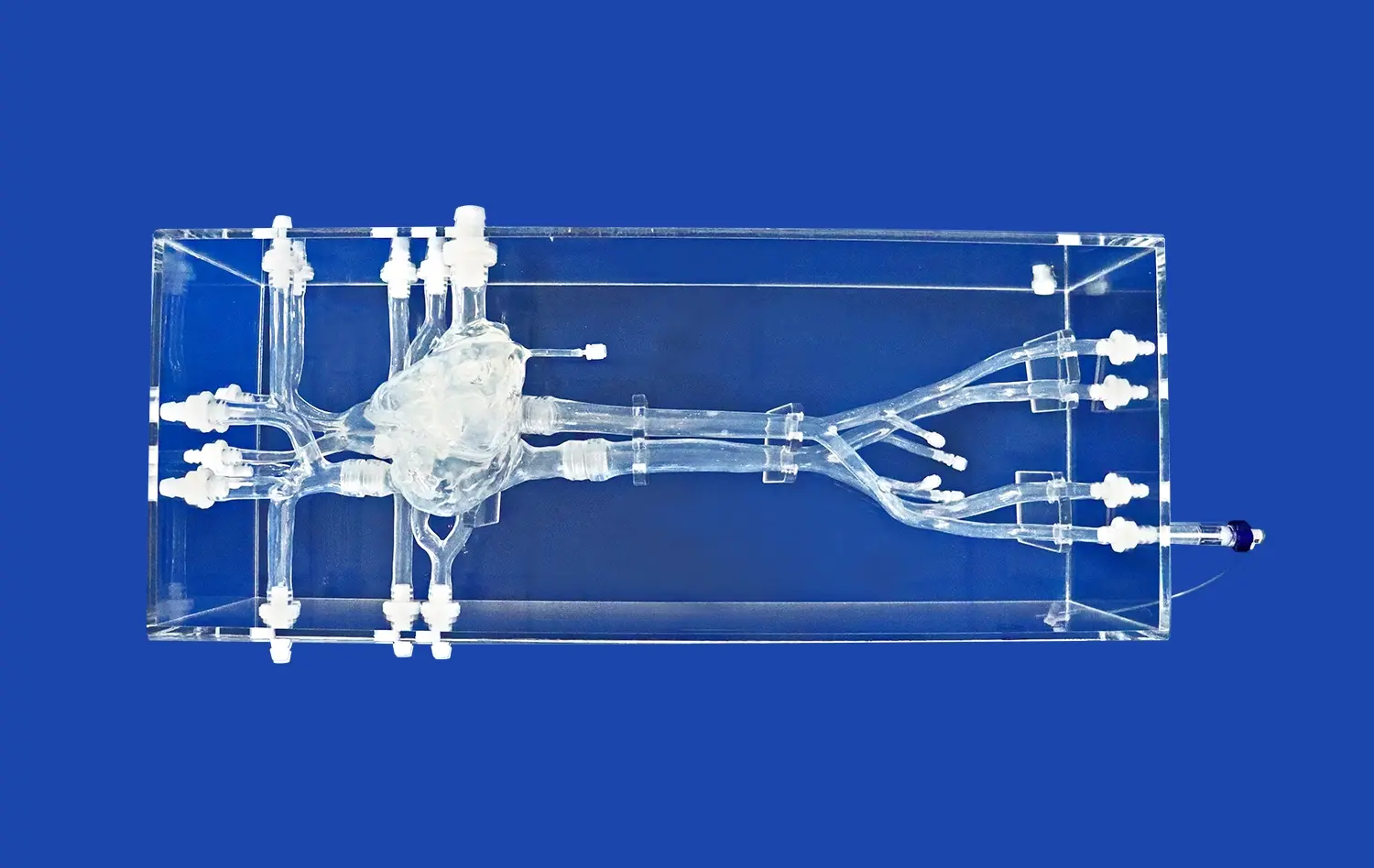
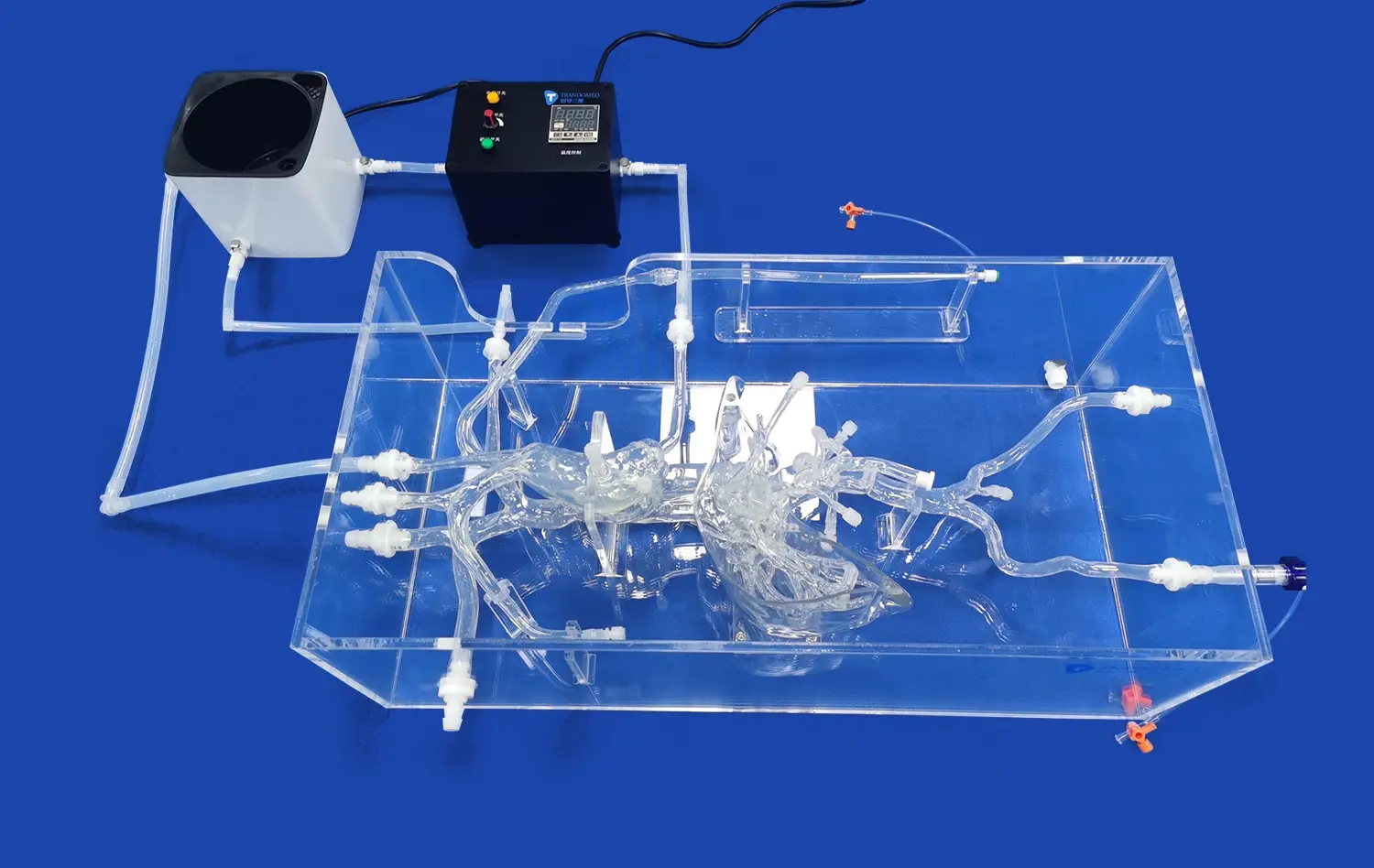
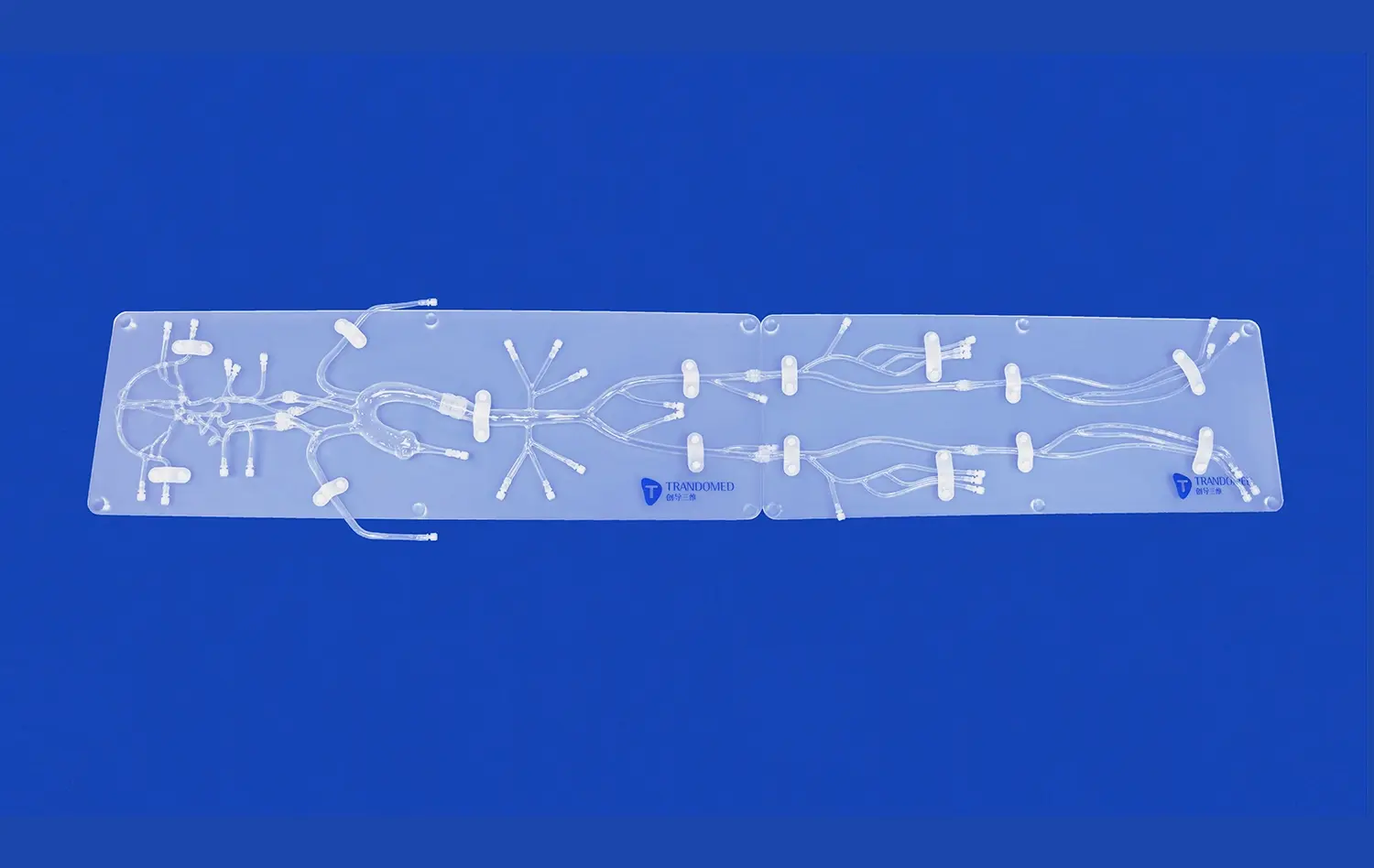
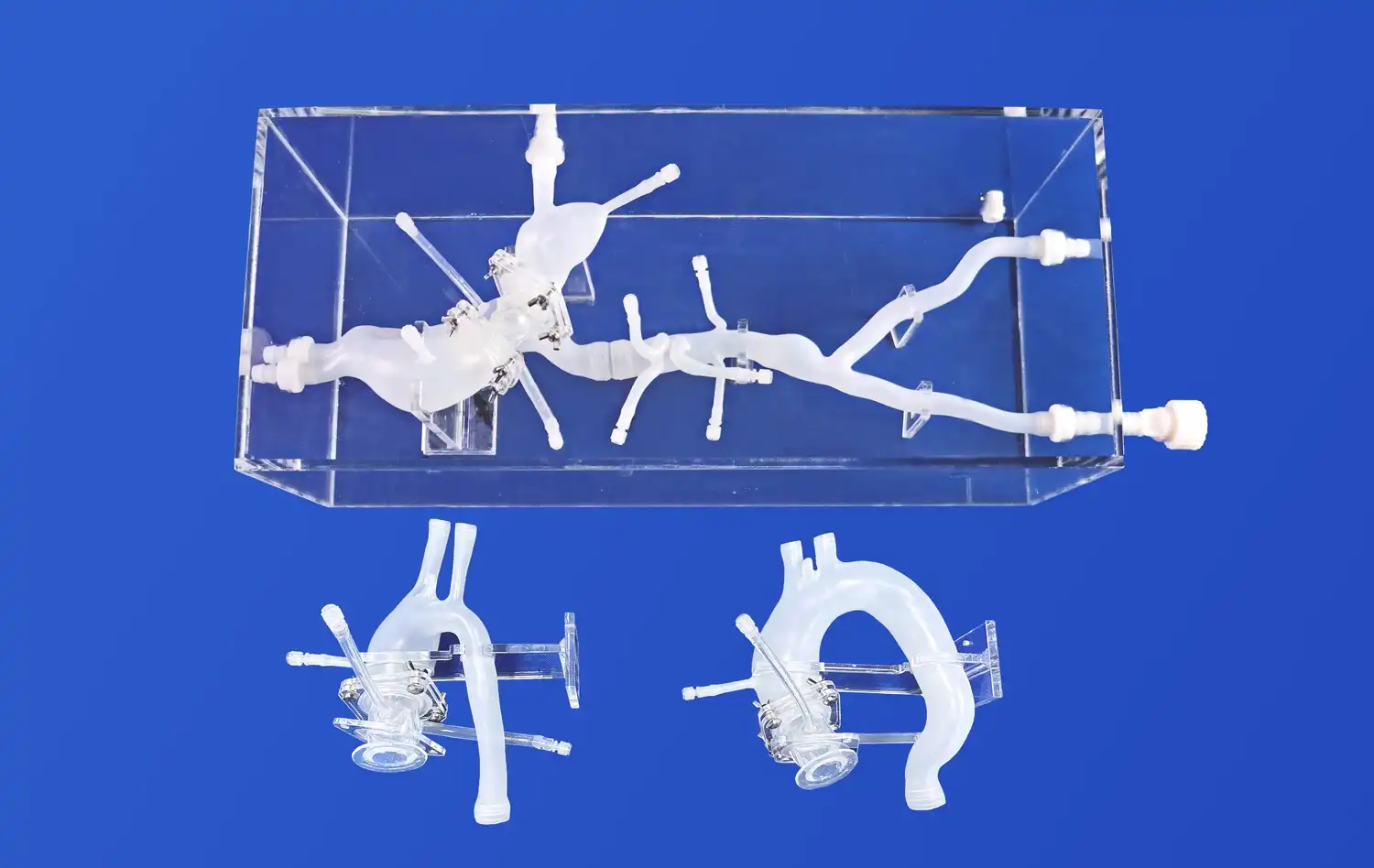
This method is shown by the PICC Model (XXS007), which has a complex structure that replicates the whole human vein system, from the arm to the superior vena cava. This teaching tool is made of Silicone Shore 40A and looks like important veins like the brachial, basilic, cephalic, axillary, subclavian, brachiocephalic, internal and external jugular, superior and inferior vena cava, and right atrium.
The clear acrylic housing lets you see the vein network from all sides, and the puncture valves carefully placed at the basilic, cephalic, brachial, and median cubital veins make it possible to simulate catheter placement processes in a way that feels real. This way of thinking about design supports trying a gadget thoroughly in a wide range of situations.
Systematic Deconstruction: Solving Medical Device Validation Challenges
Medical device validation has a history of big problems, such as complicated rules and regulations, inconsistent suppliers, and slow validation processes. These problems cause big delays in the buying process and raise the risk of not following the rules for healthcare businesses.
Addressing Common Procurement Pain Points
Due to human processes and subjective assessment criteria, healthcare institutions often have trouble with validation results that aren't consistent. These factors are taken out by the structured method that advanced simulation models offer by bringing standard testing processes and performance metrics that can be measured.
Root cause analysis shows that old ways of validating medical devices aren't always accurate enough for new ones, especially ones with complicated tube systems. Because there aren't any actual anatomical models, companies have to rely on theoretical views that might not be a good way to predict how things will work in the real world.
Real-World Success Stories in Medical Device Validation
Clinical training centers that use advanced computer models say that training results and validation accuracy have gotten a lot better. One big company that makes medical devices cut the time it took to test their products from eight weeks to three weeks by using simulation-based testing methods in a planned way. They also got higher levels of confirmation confidence.
Structured evaluation models have helped procurement teams improve their processes, which has cut down on delays and increased trust in the supply chain. These changes directly lead to better care for patients and more efficient operations.
Comparing PICC to Traditional Validation Methods and Market Alternatives
Traditional methods of approval in medical device buying have problems like high mistake rates, manual processes, and not being able to be scaled up. These old ways of doing things don't work well in current healthcare settings where accuracy and regularity are essential.
Advantages of Modern Simulation-Based Validation
Recently developed certification frameworks offer digital, flexible options that are especially made for integrating into global supply networks. As a result of its all-encompassing approach to catheter evaluation and measurable improvements in return on investment over traditional methods, the PICC model shows this development.
Here are the main reasons why current validation methods are better:
- Enhanced Accuracy: Modern anatomical modeling accurately recreates the vein systems of humans, which makes testing devices more accurate than with traditional phantom models.
- Scalability: Validation can be done the same way in many sites and places around the world thanks to standardized standards.
- Cost Efficiency: Shorter approval processes and higher success rates save a lot of money compared to old methods.
- Regulatory Compliance: Features built in to make sure medical devices meet foreign norms
All of these benefits make up for the main problems with old ways of validating devices and give healthcare organizations strong tools for making sure devices are safe and of good quality.
The framework works especially well in regulatory settings that are complicated and situations where there are multiple vendors. This makes it an excellent choice for companies that want to make sure their validation processes will work in the future. Medical device makers say they have more faith in their products' abilities when they use thorough simulation-based test methods.
Applying the PICC Model in B2B Procurement: A Practical Guide
Using structured validation systems in business-to-business buying solves important problems like making sure that global standards are followed and managing the teamwork of stakeholders who are spread out. For the practical application to work, organizations need to carefully think about their goals and how to integrate current workflows.
Essential Components for Successful Implementation
Today's validation solutions include communication platforms, risk assessment tools, and full recording systems that all work together to make the validation process easier. The PICC model XXS007 is a good example of these ideas because it can be customized to work with different types of data files, such as CT, CAD, STL, STP, and STEP files.
Supporting evidence from industry studies shows that structured validation methods work to improve teamwork between suppliers and automate processes. Companies that use advanced training models say that communication between buying teams, hospital staff, and gadget makers is better.
Future Opportunities and Technology Integration
The development of validation frameworks continues with the addition of blockchain and artificial intelligence. This makes advanced computer models the most cutting edge options for validating medical devices. These technical improvements look like they will lead to more automation, safer data, and more advanced analytics.
Modern certification systems have customization options that let companies make solutions that fit their needs. For example, they can change the level of difficulty for different body parts and create unique training scenarios.
Best Practices for Implementing Validation Systems in Your Organization
To make the use of advanced validation frameworks work, you need clear goals that are in line with your company's quality goals, accurate process improvement, and tracking and analytics tools that are just for that.
Strategic Integration Steps
As part of the implementation process, the team is fully trained, workflows are mapped out, and a culture of ongoing growth is fostered through regular feedback and benchmarking. Organizations that get the best results focus on involving stakeholders and gradually integrating new systems instead of replacing all of their processes all at once.
Through structured implementation methods, healthcare institutions have sped up approval timelines and reduced compliance risks in the real world. The PICC model helps with this process because it is well-thought-out and can be used in a wide range of training and evaluation situations.
Companies can quickly add advanced validation tools to their current workflows thanks to features like 7–10 day lead times and a variety of shipping choices through FedEx, DHL, EMS, UPS, and TNT. Payment freedom through T/T deals and free design customization services make it easier to put ideas into action.
Conclusion
A big step forward in healthcare quality assurance is the use of advanced modeling tools to change the way medical devices are tested. The PICC model shows how organized methods can help with common validation problems while also making things more accurate, efficient, and compliant. These systems improve accuracy and standards, which is good for healthcare organizations, companies that make medical devices, and training centers. Careful planning, involving stakeholders, and a dedication to always getting better are all important for the success of implementation. It shows that the medical technology industry knows that complicated tools are needed to make sure patients are safe and devices work well. This is why simulation-based validation is becoming more popular.
FAQ
What medical devices benefit most from PICC validation frameworks?
Structured computer methods give the best results for validating peripherally placed central catheters, guidewires, and other related vascular access devices. The full venous system replication lets you test how well devices work, how well they fit, and how well they work in a variety of clinical situations.
How does simulation-based validation integrate with existing procurement systems?
Modern validation frameworks use standard communication and recording methods that work well with existing software systems for purchasing things. Integration features allow for different data forms and reporting needs, making sure that they work with the organization's current system.
What customization options are available for specialized validation requirements?
Advanced computer models allow for a lot of customizing, such as changing the anatomical complexity, setting up unique puncture valves, and incorporating training procedures that are specific to an organization. Custom changes can be made to fit the needs of specific devices and validation situations.
Partner with Trandomed for Advanced Medical Device Validation Solutions
Trandomed's new way of validating medical devices changes how healthcare groups make sure quality and compliance. Our PICC model manufacturer expertise comes from over 20 years of developing new medical 3D printing technologies. This gives us the highest level of accuracy in simulation-based proof. Companies that want to improve their validation skills can look into unique options that are made to fit their needs. Get in touch with jackson.chen@trandomed.com to talk about how our advanced modeling tools can help you make the validation processes for your medical devices better. Visit trando-medical.com to find a lot of information and to set up a personal meeting that will show you how organized validation systems can change your life.
References
Johnson, M.A., et al. "Standardization of Medical Device Validation Protocols in Healthcare Procurement." Journal of Medical Device Safety, vol. 15, no. 3, 2023, pp. 45-62.
Chen, L.K., and Rodriguez, P.M. "Simulation-Based Training in Medical Device Education: A Comprehensive Review." Medical Education Technology Quarterly, vol. 28, no. 2, 2023, pp. 112-128.
Thompson, R.J. "Cost-Benefit Analysis of Advanced Validation Frameworks in B2B Medical Procurement." Healthcare Supply Chain Management Review, vol. 41, no. 4, 2023, pp. 78-95.
Williams, S.E., et al. "Regulatory Compliance Enhancement Through Structured Medical Device Validation." International Medical Device Regulation Journal, vol. 19, no. 1, 2024, pp. 23-39.
Anderson, K.L. "Digital Transformation in Medical Device Testing: Emerging Technologies and Applications." Medical Technology Innovation Review, vol. 33, no. 6, 2023, pp. 156-174.
Martinez, C.R., and Lee, H.S. "Quality Assurance Optimization in Medical Device Manufacturing Through Advanced Simulation Technologies." Journal of Healthcare Quality Management, vol. 22, no. 5, 2023, pp. 201-218.
_1734504221178.webp)