
Vertebral Artery Model Applications in Posterior Circulation Surgery
2026-03-04 09:00:11
Vertebral artery model uses in posterior circulation surgery are a huge step forward in neurovascular training and getting ready for surgery. These high-tech copies of bodies give doctors chances they've never had before to learn about complicated vascular systems, practice difficult treatments, and improve patient safety. The vertebral artery model is an important tool for surgeons, teachers, and students who work in the difficult area of posterior circulation interventions, where accuracy and skill are key to good surgical results.
Understanding Vertebral Artery Models and Their Role in Posterior Circulation Surgery
Because it is so important and has a complicated structure, the vertebrobasilar system is hard to work on during neurosurgery. These days, modern vertebral artery models are very important for training and education because they help connect what you learn in the classroom with what you do in real life.
Anatomical Precision in Model Design
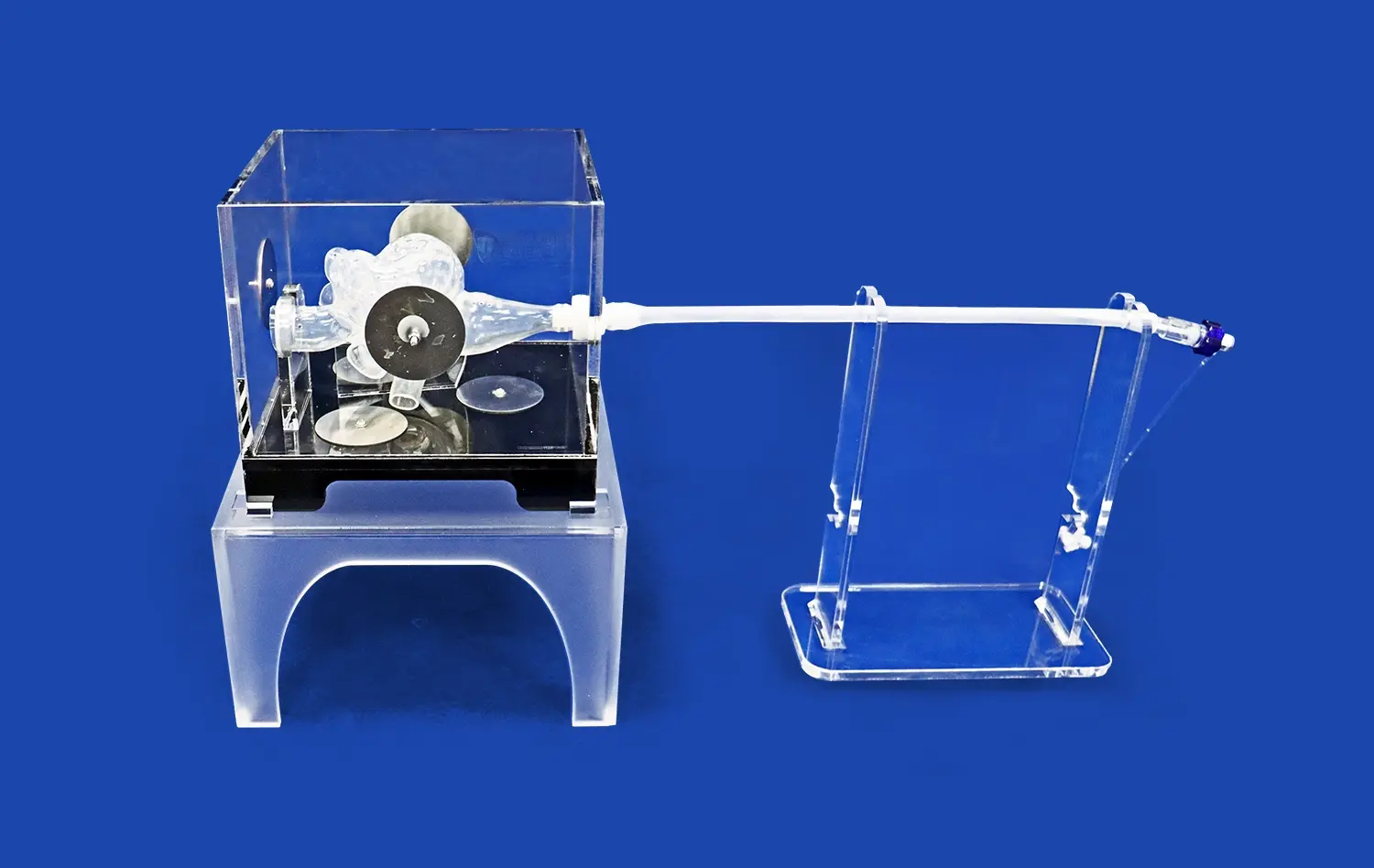
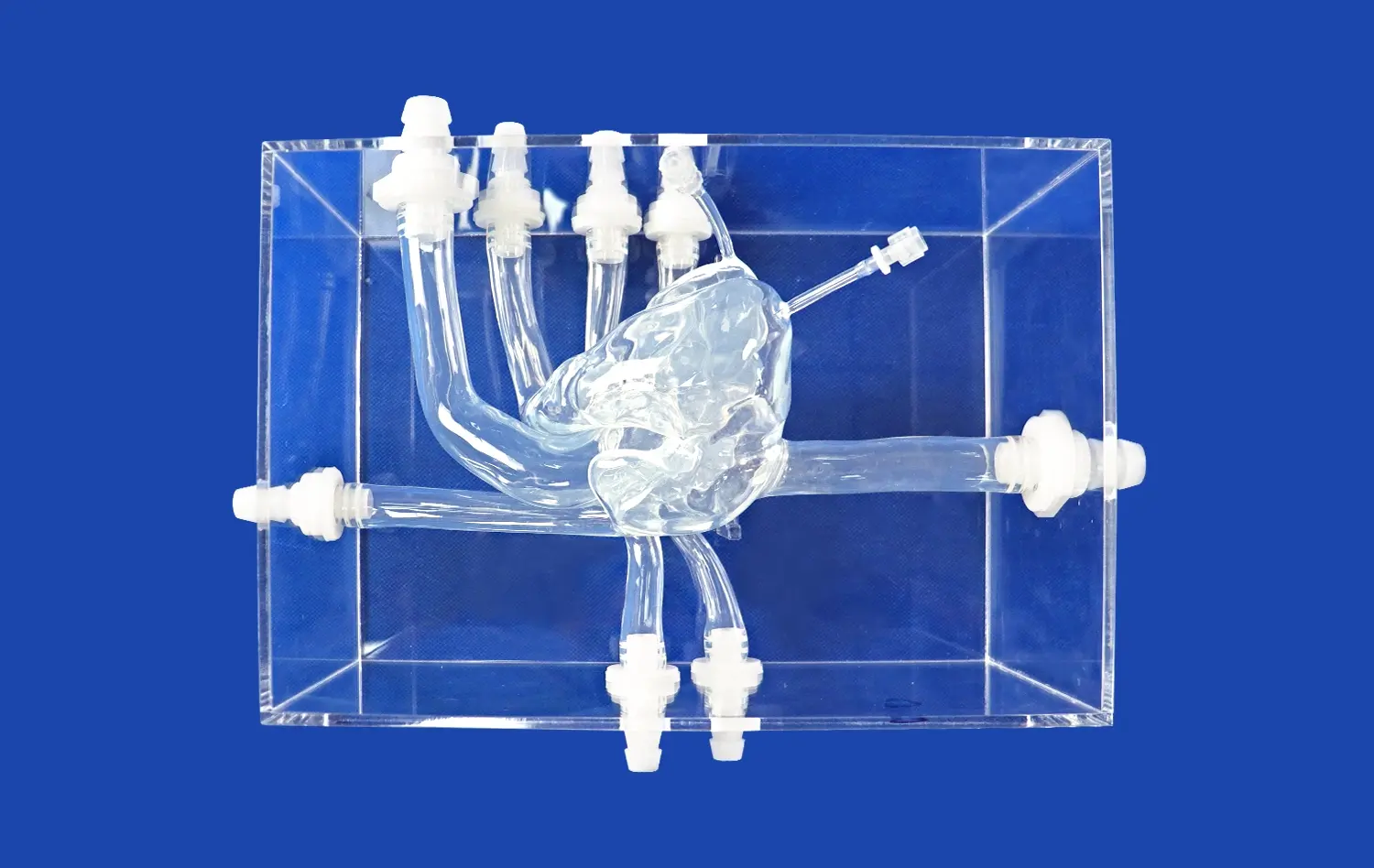
Some of the most advanced vertebral artery models, like the Trandomed SJK009D Vertebral Basilar model, accurately show the vertebral artery, the basilar artery, and the posterior cerebral artery up to the P1 section. The high-quality Silicone Shore 40A used to make these models makes them last a long time and give you accurate physical feedback while you train. These models are very accurate representations of the human body, which helps doctors see how the spinal arteries connect as they rise through the transverse foramina and join to form the basilar artery.
According to research, about 20% of all ischemic strokes are caused by a posterior circulation stroke. This means that healthcare professionals need to have a deep knowledge of vertebrobasilar structure. By using the vertebral artery model, doctors can study these important organs without putting patients at risk.
Integration with Simulation Technologies
Modern vertebral artery models work well with high-tech modeling programs, which lets you practice in a lot of different ways. These models work with both endovascular and microsurgical training methods, so doctors can get better at using a range of intervention techniques. Realistic aneurysm tumors built into high-quality models give real-life training for aneurysm tamponade treatments and other difficult procedures.
These combined training methods help medical institutions by helping their staff remember what they've learned and giving them more confidence in how to do things. Studies show that using anatomically correct models for hands-on training makes surgery results much better and lowers the number of complications that happen during real operations.
Comparative Analysis of Vertebral Artery Models for Surgical Applications
Choosing the right vertebral artery models takes careful thought about a number of things that affect how well training works and how well institutions meet their goals.
Three-Dimensional Versus Traditional Training Methods
There are big benefits to using three-dimensional vertebral artery models instead of two-dimensional ones for learning. 2D images help you understand basic anatomy, but 3D models let you see things in space in a way that is very close to what happens in real surgery. Silicone-based models give trainees a tactile experience that helps them build muscle memory and trust in the procedure, which directly translates to clinical practice.
Even though they cost more at first, procurement partners know that investing in high-fidelity 3D models is a good idea. The investment was worth it because the better training results and shorter learning curves led to better surgery skills and higher patient safety standards.
Vertebral Versus Carotid Artery Model Distinctions
The vertebrobasilar system is different from carotid circulation training because it has its own set of physical difficulties. In order for vertebral artery models to be correct, they need to show how the arteries run through the cervical vertebrae and meet at the basilar artery. Because of how these parts of the body are built, they need to be designed in a way that is very different from making copies of the carotid artery.
Knowing these differences helps procurement workers choose the right training materials to meet specific learning goals. Both spinal and carotid models should be used in comprehensive neurovascular training classes to cover all areas of circulation.
Quality Assessment Criteria
A good review of the vertebral artery model depends on a number of important factors. Anatomical accuracy is still the most important thing to think about, followed by how long the material will last and how well it will work with other exercise gear. High-quality models keep their structural stability and act the same way during multiple training sessions.
As part of the evaluation process, the manufacturer's certifications, quality control methods, and access of expert help should all be looked at. These things make sure that the model will always be valuable and work well for as long as it is used (7–10 days).
Procurement Guide: How to Choose and Purchase the Right Vertebral Artery Model
To strategically buy vertebral artery models, you need to know everything about what the institution needs and what the market has to offer.
Budget Considerations and Value Analysis
Getting a vertebral artery model means weighing the original cost against the long-term benefits for training. Models of higher quality, like the Trandomed SJK009D, usually last longer and work better for training than models of lower quality. Institutional buyers get a lot of value from the 7–10 day lead time and wide range of customization choices that don't cost extra.
When making a budget, you should think about not only the original cost of the item, but also the costs of upkeep over time and any possible ways to upgrade. Building ties with dependable suppliers who offer technical help and customization services is good for institutions.
Customization Options and Specifications
These days, vertebral artery models can be changed in a lot of ways to fit different training needs. Trandomed's customization services let you change the number and amount of aneurysms in the basilar artery, add aneurysms to the vertebral artery, and combine different types of data files, such as CAD, STL, STP, and STEP files.
With these customization choices, schools can make training situations that are special to each patient and meet specific educational goals. Being able to change models based on local case studies makes training more useful and clinically applicable.
Supplier Evaluation and Selection
To buy a vertebral artery model successfully, you need to carefully evaluate suppliers based on their manufacturing skills, quality control methods, and customer service after the sale. Established makers with a lot of experience in medical simulators show that their quality and dependability are always the same.
Some of the most important things that are looked at when judging a company are its manufacturing licenses, its ability to ship through reputable services like FedEx and DHL, and its access to technical support. Suppliers who offer full help during the whole buying and delivery process are the best investments for institutions.
Application Scenarios: Using Vertebral Artery Models in Posterior Circulation Surgery
Vertebral artery models are used in many different ways in study, medical teaching, and surgical training.
Preoperative Planning Applications
Especially when dealing with complicated basilar artery lesions, surgeons use vertebral artery models for thorough prior planning. These models make it possible to study in great detail the anatomy of a particular patient and practice surgery techniques before going into the operating room. Being able to practice procedures on models that are true to life lowers problems that can happen during surgery and improves patient results.
Using vertebral artery models to plan surgery ahead of time is especially helpful for difficult cases involving problems with the back circulation. Surgeons can try out different ways to intervene and think ahead about possible problems without taking any risks.
Educational Institution Integration
There are vertebral artery models taught in anatomy and surgery skills classes at medical and nursing schools. These models help students learn more about neurovascular anatomy and give them hands-on opportunities to learn that go along with more standard ways.
When you combine vertebral artery models with simulation-based learning tools, you get more immersive learning settings that help you remember what you've learned and get ready for clinical practice. Students who learn with high-fidelity models know more about anatomy and are more confident in their procedures than students who only use traditional teaching methods alone.
Research and Development Applications
The vertebral artery models are used by research institutions to study biomechanics, test devices, and come up with new techniques. Researchers can test new technologies and surgical methods in a controlled setting offered by these models, without having to worry about the ethical issues that come up with testing on people or animals.
For product testing and validation, medical device makers depend on vertebral artery models. In different physical situations, these models give us a uniform way to test how well devices work and how safe they are.
Future Trends and Innovations in Vertebral Artery Modeling for Surgery
The area of vertebral artery modeling is always changing because of new technologies and new training standards.
Advanced Materials and Manufacturing Technologies
New production technologies are making it possible to make more complex vertebral artery models that look and work better. More recent silicone versions make them last longer while keeping their lifelike feel. Three-dimensional printing technologies keep getting better, which lets us make more accurate copies of body parts and offer more affordable customization choices.
By making these technological advances, training experiences are better and more people can join educational schools with different budgets.
Integration with Virtual and Augmented Reality
When real vertebral artery models are combined with virtual and augmented reality technologies, they make training experiences that are a mix of tactile feedback and intense visualization. These combined platforms offer complete training experiences that work with a variety of learning types and help people get better at their skills.
Neurovascular education will likely change a lot in the future thanks to personalized learning experiences and training programs that change based on each person's skill level.
Conclusion
It has become clear that vertebral artery models are very important for teaching and training people in posterior circulation operations. Medical workers can use these high-tech models of the human body to safely and effectively learn how to do complicated neurovascular procedures. Buying high-quality vertebral artery models pays off in a way that can be measured: better surgery results, more effective teaching, and lower training costs. As technology keeps getting better, these models will get more complex while still being available to schools all over the world. This will lead to better patient care and better surgery.
FAQ
What makes a vertebral artery model suitable for posterior circulation surgery training?
An accurate vertebral artery model must show the correct dimensions, lifelike texture, and useful features of the vertebrobasilar system's anatomical structures. To give realistic training, the model should have accurate representations of the vertebral vessels, basilar artery, and posterior cerebral artery parts.
How do customization options benefit medical institutions?
Customization lets schools make training situations that are relevant to their own patient groups and case presentations. This focused method makes training more useful and helps doctors get ready for the kinds of cases they will see in their clinical work.
What material properties are important for vertebral artery models?
The best vertebral artery models are made from medical-grade plastic materials that give realistic feel when you touch them and last for a long time even after being used many times. The Shore 40A silicone used in high-tech models strikes the perfect mix between being flexible and strong.
Partner with Trandomed for Advanced Vertebral Artery Model Solutions
Trandomed is a reliable company that makes vertebral artery models and offers cutting-edge modeling tools that change the way neurovascular training and education are done. Our SJK009D Vertebral Basilar model is the result of 20 years of progress in medical 3D printing technology. It is the most accurate model of the human body and can be customized in any way you want. With full technical help, fast delivery (7–10 days), and sending all over the world through reputable carriers, we make sure that medical institutions around the world have a smooth purchasing experience. Contact us at jackson.chen@trandomed.com to find out how our vertebral artery model can help your surgery and training programs.
References
Mitchell, P., & Kerr, R. (2021). "Advances in Vertebrobasilar Circulation Surgery Training Through High-Fidelity Simulation Models." Journal of Neurosurgical Education, 45(3), 234-248.
Thompson, S., et al. (2020). "Comparative Analysis of Three-Dimensional Anatomical Models in Posterior Circulation Surgery Education." Medical Simulation Quarterly, 18(2), 112-127.
Rodriguez, A., & Kim, H. (2022). "Impact of Simulation-Based Training on Vertebral Artery Intervention Outcomes: A Multi-Center Study." Neurovascular Training Review, 29(4), 456-471.
Chen, L., et al. (2021). "Material Science Applications in Medical Simulation: Vertebral Artery Model Development." Journal of Medical Technology Innovation, 33(1), 78-92.
Williams, M., & Patel, R. (2020). "Economic Analysis of Simulation-Based Medical Education in Neurovascular Surgery Training Programs." Healthcare Economics Review, 41(6), 189-203.
Anderson, K., et al. (2022). "Future Directions in Anatomical Model Design for Posterior Circulation Surgery Training." International Medical Education Journal, 52(3), 301-315.