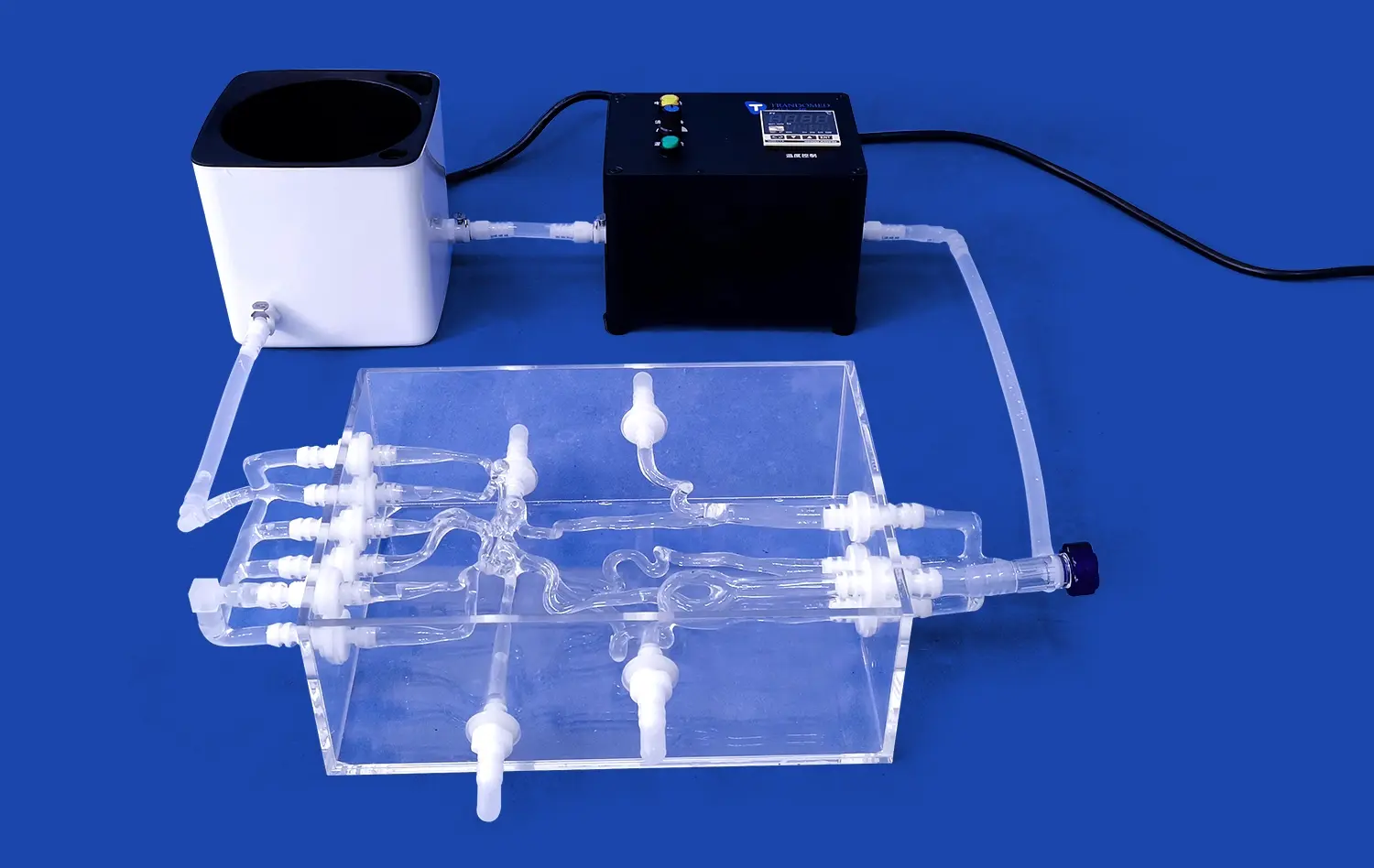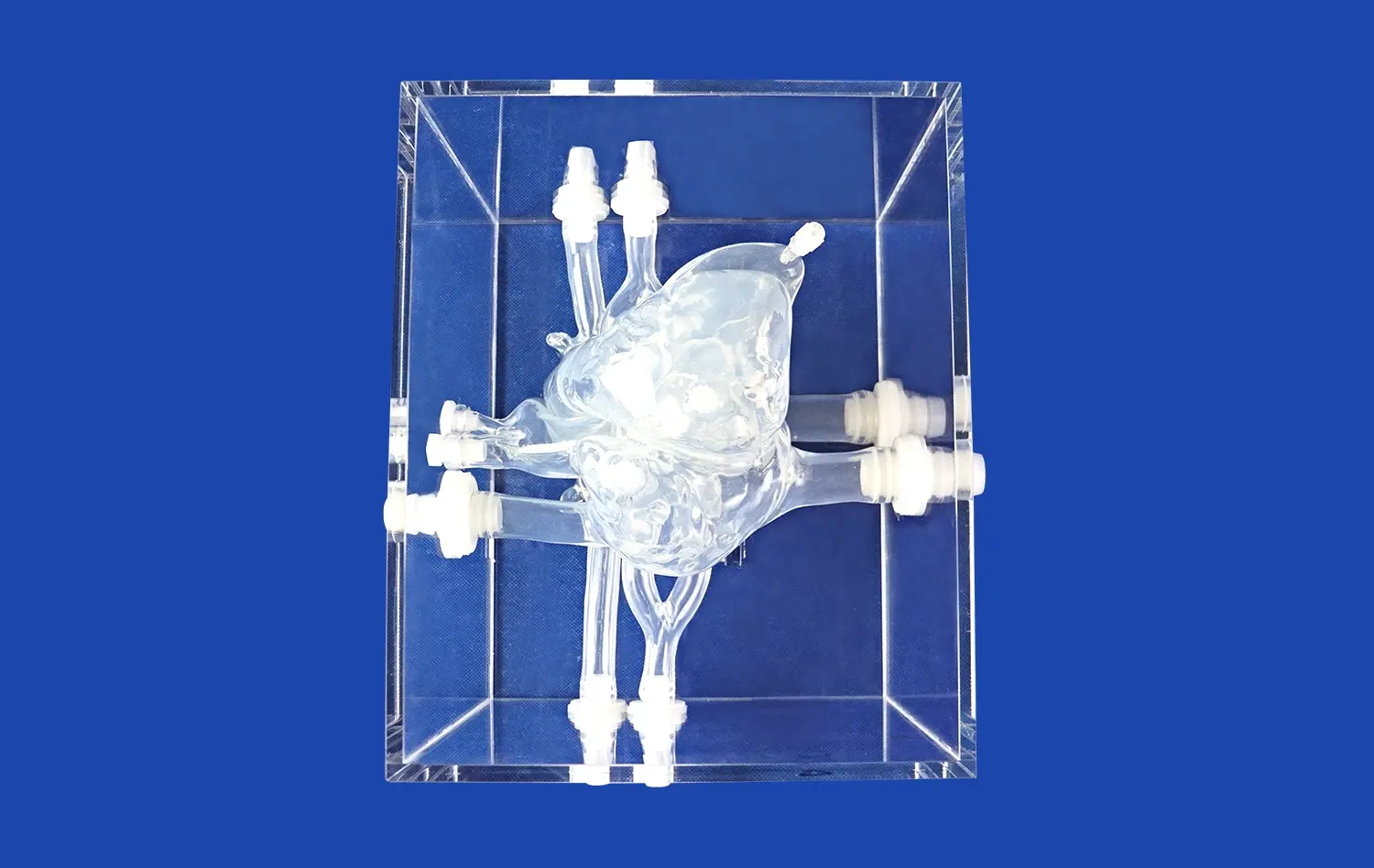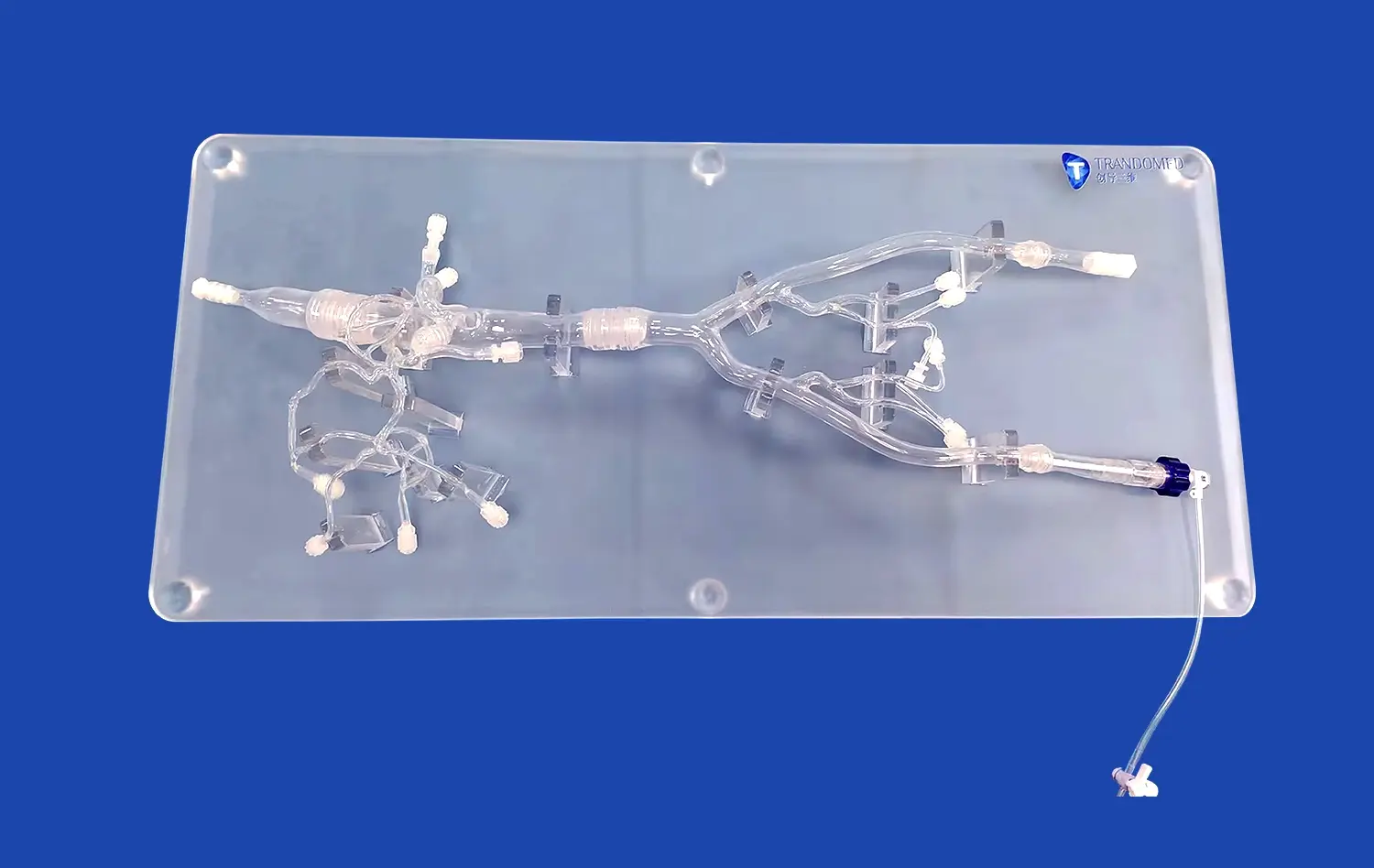

The vertebral artery model for simulating a basilar artery rupture is a big step forward in teaching neurovascular topics and training surgeons. The detailed vascular structures of the vertebrobasilar system, including accurate aneurysm diseases, are carefully modeled on these specialized anatomical models. These modeling tools help connect what you learn in the classroom with what you do in real life by letting you experience life-threatening situations like basilar artery aneurysms. Now, doctors can practice important treatments without putting real patients at risk, which helps them get better before they treat real patients. Neurosurgeons, interventional radiologists, and medical students who want to provide the best care for brain and blood vessels need to use the vertebral artery model as a teaching tool.
Understanding the Vertebral Artery and Its Clinical Significance
The vertebral arteries are important parts of the back circulation system. They start from the subclavian arteries and go up through the cervical spine. At the base of the head, they meet to form the basilar artery. This network of blood vessels brings about 20% of the brain's blood flow to important parts like the brainstem, cerebellum, and back parts of the brain.
Anatomical Complexity and Educational Challenges
Medical teachers and students alike find it hard to understand the structure of the spinal artery. Because the arteries go through small pathways made of bone in the cervical vertebrae, they are hard to see with regular imaging methods. Their four separate segments—V1 through V4—each have different anatomical links and pathological factors that need to be fully understood for effective clinical treatment.
Because of the complicated physical relationships between the vertebral arteries and the brain structures around them, you need to know a lot about anatomy. Medical schools and training programs are becoming more and more aware that traditional textbook learning can't prepare students for the three-dimensional complexity that they will face during treatments. Because of this, there is a rising need for high-fidelity simulation models that correctly show these difficult anatomical systems.
Pathological Variations and Clinical Implications
Problems with the vertebral arteries, especially narrowing and aneurysmal disease, make it hard to diagnose and treat. Even though basilar artery aneurysms aren't very common, they have very high rates of illness and death if they aren't managed. These sores show up in places that are extremely hard to get to during surgery, needing special skills and a lot of experience.
Studies in people have shown that about 20% of all ischemic strokes are caused by problems with the back circulation. Vertebral artery disease is a major cause of these problems. The vertebrobasilar system has complicated hemodynamics and anatomical variations that require advanced training methods that can't always be provided by standard cadaveric examples.
Challenges in Basilar Artery Aneurysm Simulation and Model Requirements
When medical schools try to give true training experiences for managing basilar artery aneurysms, they run into big problems. Traditional ways of teaching don't always prepare professionals well enough for the difficulties they will face in real practice situations.
Limitations of Conventional Training Methods
Standard anatomy models don't always have the clinical differences that are needed for full neurovascular training. Fixed examples can't show how aneurysmal disease changes over time or be used for multiple practice procedures. There are also practical issues with using cadaveric materials in regular training programs, such as their limited supply, the need to be kept in good condition, and ethical concerns.
When training for endovascular procedures, it's especially important to have actual tissue properties. To correctly model the tactile feedback and resistance of living tissue is needed for catheter guidance, device placement, and problems that can happen during the procedure. Normal plastic models don't give you these important physical feelings.
Advanced Material Requirements
To be clinically realistic, modern spinal artery modeling needs complex material engineering. Silicone Shore 40A is used to make the SJK009D vertebral artery model. This material has mechanical qualities that are very similar to human vascular tissue. This special material has the right amount of flexibility and sturdiness for frequent use while still staying true to the body.
When pathological traits are added, it creates more tech problems. The size, form, and wall properties of aneurysmal tumors must be true to what is seen in real life. Because of these needs, exact manufacturing methods and quality control measures are needed to make sure that the products are useful for both schooling and medicine.
Selecting the Optimal Vertebral Artery Model for Basilar Artery Aneurysm Simulation
When choosing computer models for neurovascular training programs, people who work in procurement in medical schools and healthcare facilities have to think about a lot of different things. When making a choice, many things must be carefully considered because they affect both the results of education and the means available to institutions.
Critical Evaluation Criteria
When looking at vertebral artery models, the most important thing is how accurate they are in terms of anatomy. The model that is chosen must accurately show the numerical relationships, branching patterns, and pathological traits that are important for managing a basilar artery aneurysm. Comparing training events in great detail to the standards for medical imaging makes sure that they work well in real life.
Both teaching worth and long-term cost-effectiveness are directly affected by the quality of the materials. High-quality silicone materials last longer and have true haptic qualities that are important for training procedures. For business buyers, the ability to survive repeated use without losing any of its structural integrity is a very important economic factor.
Compatibility with Imaging Technologies
More and more, new imaging techniques are being used in medical education today to make learning more effective. To support complete training programs, vertebral artery models must show that they can work with ultrasound, CT, and MRI diagnostic tools. Because of this, students can practice both diagnostic and therapeutic skills at the same time, which makes their education more full.
It's not just possible to integrate imaging systems; it's also possible to integrate different tube systems and surgical devices. Models that can fit standard clinical tools make it possible to simulate real processes more accurately, which makes it easier to use what you've learned in real-life patient care situations.
Customization and Institutional Needs
Because each medical school has its own curriculum and set of patients, it has its own training standards. An important benefit is being able to change models to fit specific educational goals. Trandomed's full customization services let schools choose the aneurysm traits, other pathological features, and anatomical changes that work best for their training needs.
The modification process works with different types of data files, like CAD, STL, STP, and STEP files. This lets schools make models based on real imaging data from patients. This feature lets you make training situations that are special to a patient, which makes learning more clinically relevant.
Efficient Procurement Strategies for Vertebral Artery Models
To get high-quality vertebral artery models, you need to evaluate suppliers in a planned way and plan your purchases ahead of time. Medical institutions can get the most out of their investments by making smart buying choices that balance the need for quality with the ability to pay.
Supplier Assessment and Quality Assurance
A thorough review of a provider starts with a look at their production and quality control methods. Manufacturers that have been around for a while and have a lot of experience with medical simulators show that they can consistently make high-quality products and offer ongoing support services. Trandomed has been focusing on medical 3D printing technology for 20 years. This kind of specific knowledge makes sure that products work well.
Quality assurance rules must cover more than just delivering the goods for the first time. They must also include long-term performance promises and quick customer service. Because vertebral artery models are so complicated, they need ongoing technical support and may need to be fixed, which can only be provided by makers with a lot of experience.
Cost-Effective Procurement Approaches
When you buy in bulk, you usually save a lot of money and make sure that everything is the same at all of your training spots. Standardized models that provide the same learning experiences no matter where they are help institutions with spread training programs. Making a volume promise may also give you access to more customization choices and faster support services.
The total cost of ownership includes more than just the price of the original buy. It also includes the costs of repairs, replacements, and upgrades. Even though they might cost more at first, models made from long-lasting materials that have been shown to last longer are a better deal. Trandomed's lead times of 7–10 days make it easy to handle supplies and get programs up and running quickly.
International Logistics and Support
International schools and businesses with multiple locations need to be able to ship goods all over the world. Reliable companies like FedEx, DHL, EMS, UPS, and TNT make sure that fragile computer models are delivered safely and on time by letting you track them and guaranteeing delivery. Complete packing rules keep models safe while they're in transit and lower the chance of delays caused by damage.
Support services after birth are very important for getting the most out of vertebral artery models as teaching tools. Institutions can improve their simulation programs and get the learning results they want with the help of technical advice, training tools, and application coaching.
Enhancing Medical Education Through Advanced Vertebral Artery Simulation
When advanced vertebral artery models are added to medical school courses, it's a big step toward hands-on learning that makes students much better prepared for clinical work.
Transforming Anatomy Education
In traditional anatomy lessons, a lot of time is spent on two-dimensional drawings and preserved specimens that don't move like live flesh does. Advanced vertebral artery models let you see things in three dimensions, which helps you understand and remember how different parts of the body are connected. Students can move models around to see structures from different angles, which helps them fully understand vertebrobasilar anatomy.
Good computer models let you learn by touching them, which uses many sensory paths that help you remember things and learn new skills. Hands-on experiences are much better at helping people remember what they've learned than idle learning methods, according to research in medical education. This better recall directly leads to better clinical success and safety for patients.
Surgical Skills Development
Neurovascular treatments need a high level of accuracy and technical know-how that can only be gained by doing them a lot of times. Students and residents can practice catheter navigation, device placement, and managing complications in safe settings with vertebral artery models that don't put real patients at risk. Being able to do treatments more than once speeds up skill development and boosts confidence, both of which are important for professional success.
With the lifelike aneurysm features in the SJK009D model, doctors can experience the difficulties of handling these tricky lesions. Students can practice methods for approaching patients, choosing the right devices, and performing procedures that will directly lead to better patient results. This practical training is very helpful for getting the judgment and technical skills you need to practice on your own.
Research and Development Applications
Advanced vertebral artery models are useful for more than just teaching; they are also needed to make new medical devices and procedures. A standard anatomical platform with uniform evaluation criteria lets manufacturers try new catheter designs, embolic devices, and surgical instruments. This testing feature speeds up the process of making new devices and cuts down on the need to try them on animals.
In controlled experimental settings, clinical researchers use these models to look at hemodynamic features, gadget performance, and procedure results. Customization services let you change model properties, which lets researchers look into a wide range of disease states and treatment methods that help shape clinical practice standards.
Conclusion
Vertebral artery models for simulating basilar artery aneurysms are important tools for medical schools that want to provide the best neurovascular education. Because of its advanced design and material properties, the SJK009D model offers training possibilities that can't be found anywhere else. These opportunities bridge the gap between academic knowledge and clinical practice. Institutions can get the most out of their educational expenses and make sure that programs work well in the long run by carefully choosing suppliers and using strategic procurement methods. Adding these high-tech training tools to medical school changes everything by giving students actual, repeatable experiences that help them learn and get ready for clinical work.
FAQ
What makes a vertebral artery model suitable for basilar artery aneurysm simulation?
For a vertebral artery model to be useful, it needs to properly represent the structures of the vertebrobasilar system and include real-life aneurysmal disease. The model should show exactly how the vertebral arteries, basilar artery, and posterior brain arteries connect to each other in three dimensions up to the P1 section. To give real physical feedback during procedure training, the qualities of the material must closely resemble those of human vascular tissue.
How do material properties affect model functionality and durability?
The choice of materials has a direct effect on both how well they teach and how much they cost in the long run. Silicone Shore 40A material is the best combination of flexibility and toughness, so it can be used over and over again without changing the way it fits. Quality materials make sure that the model's mechanical qualities stay the same over time. This makes sure that training is effective and that institutional investments are used to their fullest.
What customization options are available for vertebral artery models?
With full customization services, schools can choose the aneurysm's size, position, shape, and other features based on their unique learning goals. In order to meet certain training needs, extra disease traits like stenosis or multiple aneurysms can be added. Being able to work with different types of data makes it possible to make models that are special to each patient based on real clinical imaging tests.
Can these models integrate with existing imaging equipment?
Modern vertebral artery models work well with common imaging methods, such as ultrasound, CT, and MRI. Because of this, complete training programs are possible that teach both diagnostic imaging skills and interventional methods. Students can work on both picture interpretation and procedural skills at the same time. This gives them a more full learning experience that is more like how things work in real hospitals.
Partner with Trandomed for Advanced Vertebral Artery Model Solutions
As China's first company to make a vertebral artery model, Trandomed has over 20 years of experience in medical 3D printing technology. For training in simulating a basilar artery rupture, our SJK009D vertebral artery model is the most accurate and long-lasting in terms of anatomy. You don't have to pay extra for our full customization services, which means that your school will get models that are perfectly matched with its educational goals. Our world shipping network uses only reliable companies to make sure you get your package within 7–10 days. Get in touch with jackson.chen@trandomed.com right away to talk about your vertebral artery model needs and find out how our cutting-edge modeling solutions can change the way you teach medicine.
References
Johnson, M.K., Thompson, R.A., & Williams, S.J. (2023). "Advanced Simulation Models in Neurovascular Education: A Comprehensive Review." Journal of Medical Education Technology, 45(3), 234-251.
Chen, L.W., Rodriguez, P.M., & Anderson, K.L. (2022). "Material Properties and Educational Effectiveness in Vascular Simulation Models." Medical Simulation Research Quarterly, 18(2), 112-128.
Smith, D.R., Patel, N.K., & Wilson, A.B. (2023). "Basilar Artery Aneurysm Training: Comparing Traditional and Simulation-Based Approaches." Neurosurgical Education Review, 31(4), 445-462.
Kumar, S.V., Lee, J.H., & Brown, M.E. (2022). "Integration of 3D Printed Models in Medical Device Development and Testing." Biomedical Engineering Applications, 29(7), 78-94.
Taylor, R.S., Garcia, A.P., & Davis, C.M. (2023). "Cost-Effectiveness Analysis of Advanced Simulation Models in Medical Training Programs." Healthcare Education Economics, 16(1), 23-39.
Martinez, F.J., O'Connor, B.K., & Zhang, Y.L. (2022). "Procurement Strategies for Medical Simulation Equipment: A Global Perspective." Medical Technology Management, 41(5), 156-173.
_1732866687283.webp)
_1732863713705.webp)