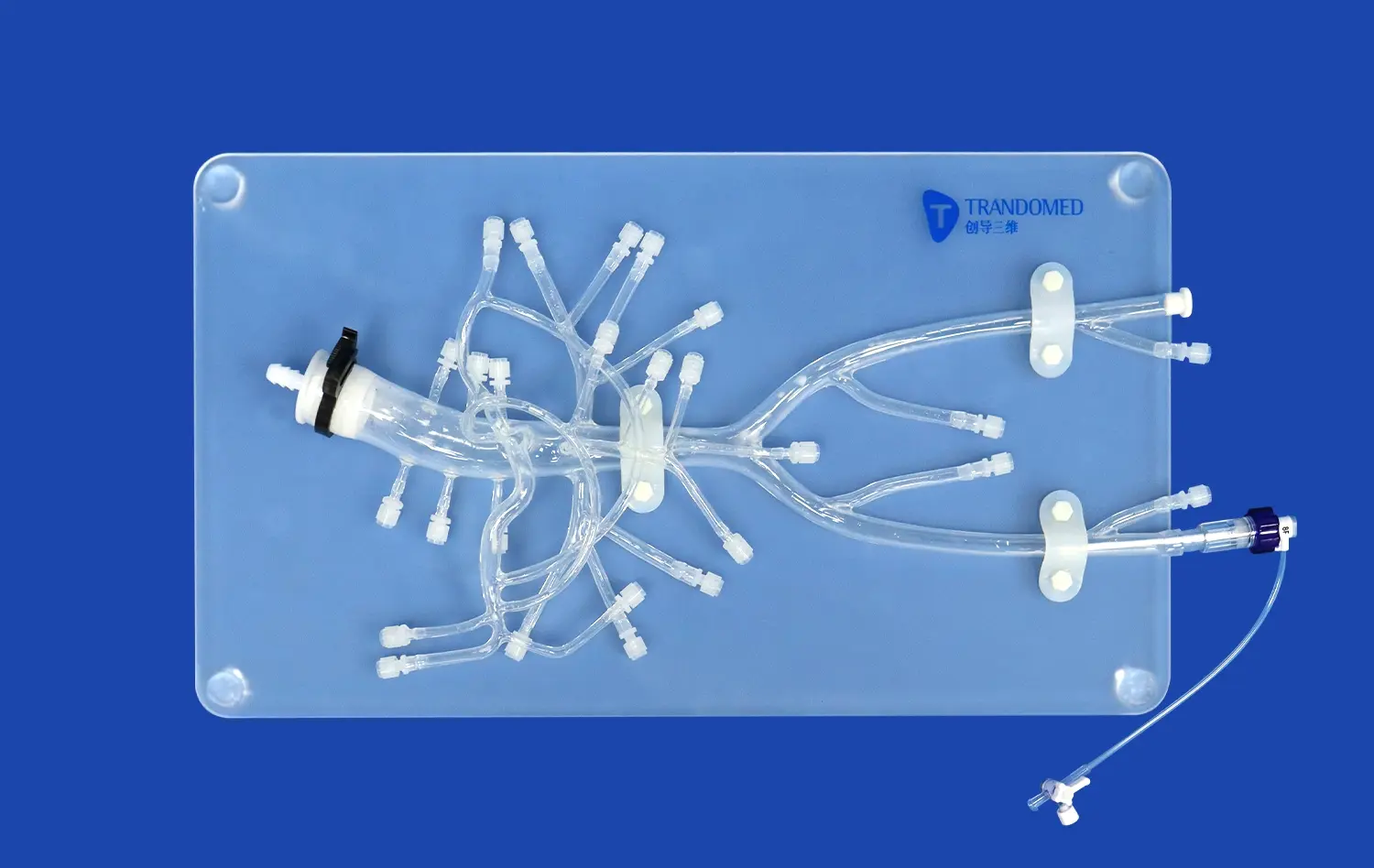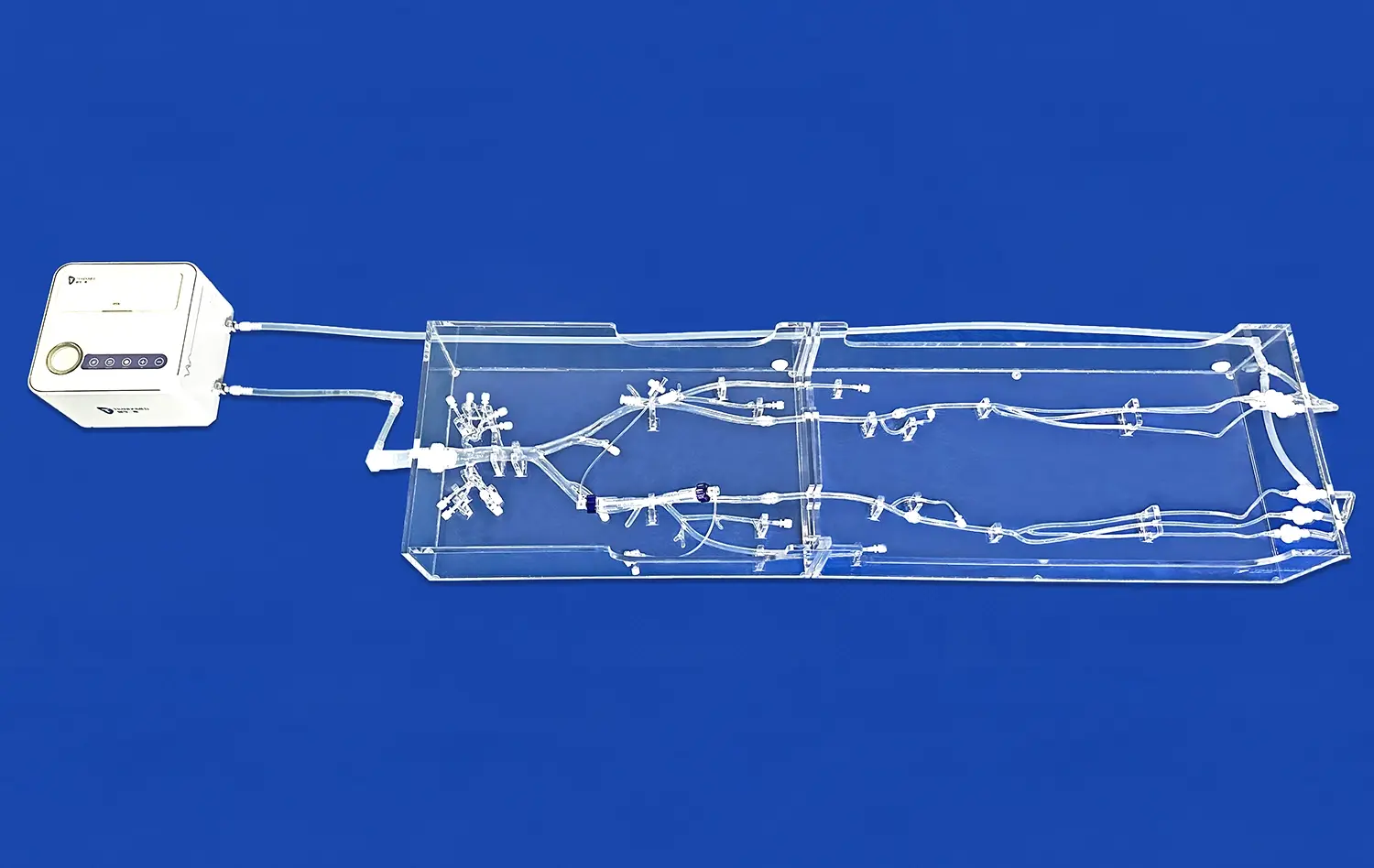

The vertebral artery model is an important part of developing neurovascular devices because it helps to improve testing accuracy and move research forward. Researchers and companies that make medical devices can use these complex models of the body to accurately test neurovascular treatments, especially in the complicated posterior circulation system. The vertebral artery model is a key tool for studying how blood vessels work, making sure that devices work with each other, and making sure that surgery methods work before they are used in real life.
Understanding Vertebral Artery Models and Their Role in Neurovascular Device Testing
In neurovascular medicine, the spinal arteries are one of the hardest parts of the body to study and treat. These two arteries together bring about 20% of the blood to the brain. They join with the basilar artery to make the vertebrobasilar system, which brings blood to the brainstem, cerebellum, and back parts of the brain.
Anatomical Complexity and Clinical Significance
The complicated four-part structure of spinal arteries is modeled in modern simulations. The foraminal segment (V2) goes through the transverse processes of the cervical vertebrae, while the pre-foraminal segment (V1) comes from the subclavian artery. The segment V3 goes around the atlas spine and joins the basilar artery. The segment V4 goes into the brain through the foramen magnum and joins the basilar artery.
When making tools to treat vertebral artery stenosis, aneurysms, or dissections, it's important to understand this complicated structure. According to research, 20% of all ischemic strokes are posterior circulation strokes, which are mostly caused by problems with the spinal arteries. High-fidelity computer models let designers try endovascular devices in ways that are true to the human body.
Advanced Material Technologies in Model Construction
Modern vertebral artery models are made of special materials that nearly match the qualities of human flesh. Silicone Shore 40A, which is often found in high-end models, has the right amount of elasticity and sturdiness for repeated tests. This choice of material makes sure that the mechanical qualities are very similar to those of real vertebral arteries. This lets us accurately test how the device interacts with flesh.
Advanced 3D printing technologies are used in the manufacturing process to record minute anatomical details, such as differences in vessel wall thickness, the sources of branch vessels, and pathological traits like aneurysmal dilations. There are full testing procedures for stent placement, balloon angioplasty devices, and embolic protection systems that can be used with these models.
Comparing Vertebral Artery Models: Selecting the Best for Medical and R&D Needs
When procurement professionals look at the different vertebral artery simulation choices, they need to think about a number of things that have a direct effect on the results of study and the methods used to validate devices.
Material Quality and Durability Assessment
Choosing between different model materials has a big impact on how well tests work and how long the models last. Models made of silicone are more flexible and less likely to tear than models made of traditional plastic. Advanced silicone formulations keep their mechanical properties the same through multiple testing rounds. This makes sure that results can be repeated across long research projects.
Here are the main material benefits that set premium vertebral artery models apart:
- Better Elasticity: Silicone Shore 40A is flexible like flesh and accurately models how blood vessels bend when the device is being put in place or expanded.
- Chemical Resistance: Medical-grade silicone keeps its shape even when it's exposed to contrast agents, saline solutions, and cleaning methods that are common in testing environments.
- Temperature Stability: High-quality materials work the same way at all temperatures, which lets testing happen in a range of physiological conditions.
- Biocompatibility: Materials made from food-grade rubber make sure that they are safe to handle and work with medical devices during long testing sessions.
These material benefits directly lead to more accurate test results and longer model service lives, which is great for research institutions and companies that make devices.
Anatomical Accuracy and Pathological Features
The best vertebral artery models include disease details that are similar to what happens in real life. Aneurysmal segments, stenotic areas, and differences in vessel tortuosity allow full device testing in a wide range of patient groups. Researchers can test complicated endovascular treatments in important body parts by using models with basilar artery lesions.
Customization Capabilities and Technical Specifications
Modern makers offer a wide range of customization options that help models fit with specific study goals. By changing the aneurysm's size, location, and shape, it is possible to test specific types of devices. Multiple file types are supported, such as CAD, STL, STP, and STEP files. This makes it easy to connect to current study workflows and computer modeling systems.
How to Procure Vertebral Artery Models: A Guide for Global B2B Buyers?
To successfully buy vertebral artery models, you need to carefully consider the skills of the provider, quality standards, and logistics that allow for foreign research partnerships.
Quality Assessment and Certification Standards
When looking at possible providers, people in charge of buying things should give more weight to companies that have experience with medical modeling technologies. Metrics for quality include accurate measurements, consistent materials, and meeting all important medical equipment standards. Suppliers should give thorough information about the accuracy of the anatomical measurements, the qualities of the material, and the estimated service life.
Supplier Evaluation and Manufacturing Capabilities
The technical complexity needed to produce high-fidelity vertebral artery models is demonstrated by reputable makers like Trandomed. Companies with a lot of research and development (R&D) resources have been using medical 3D printing technology for more than 20 years and can provide better product quality and expert support.
Important factors used to choose a source are:
- Manufacturing Experience: A history of making medical computer models shows that the person is technically skilled and the quality of the work is always the same.
- Customization Services: We can make rapid prototypes and changes to standard models to meet unique study needs because we have in-house design capabilities.
- Quality assurance: thorough testing procedures make sure that every model meets the required size and material standards.
- Technical Support: Ongoing customer support services make it easier to integrate models and fix problems during the study process.
These features make sure that choices about purchases support long-term research goals and give gadget development programs solid platforms.
International Logistics and Delivery Considerations
When doing business around the world, you need to pay close attention to shipping methods, customs processes, and arrival dates. Trustworthy sellers use well-known shipping partners like FedEx, DHL, EMS, UPS, and TNT to make sure that foreign deliveries are made on time. Standard lead times of 7 to 10 days let projects get started quickly while still meeting quality control standards.
Practical Applications and Case Studies of Vertebral Artery Models in Neurovascular Device R&D
The vertebral artery models can be used for many different purposes in the development of neurovascular devices, from testing the idea to clinical training and planning for surgery.
Device Development and Validation Testing
Manufacturers of neurovascular devices use vertebral artery models to test how well their devices work in controlled settings before moving on to studies with animals or human trials. These models let you improve the design over time, test it mechanically, and see how well it works with other medical tools.
Manufacturers of stents use these models to check how well they work, how well they stick to the wall, and how stable they are over time. Because the vertebrobasilar system is so complicated, it's hard for device makers to come up with ways to get around the vessel parts that are curved while keeping the right amount of radial force and flexibility.
Educational Applications and Surgical Training
Vertebral artery models are used in complete neurovascular teaching programs at medical schools and training facilities. These models give students hands-on experience with tough anatomical links that are hard to understand in the usual way of teaching.
Research and Development Innovations
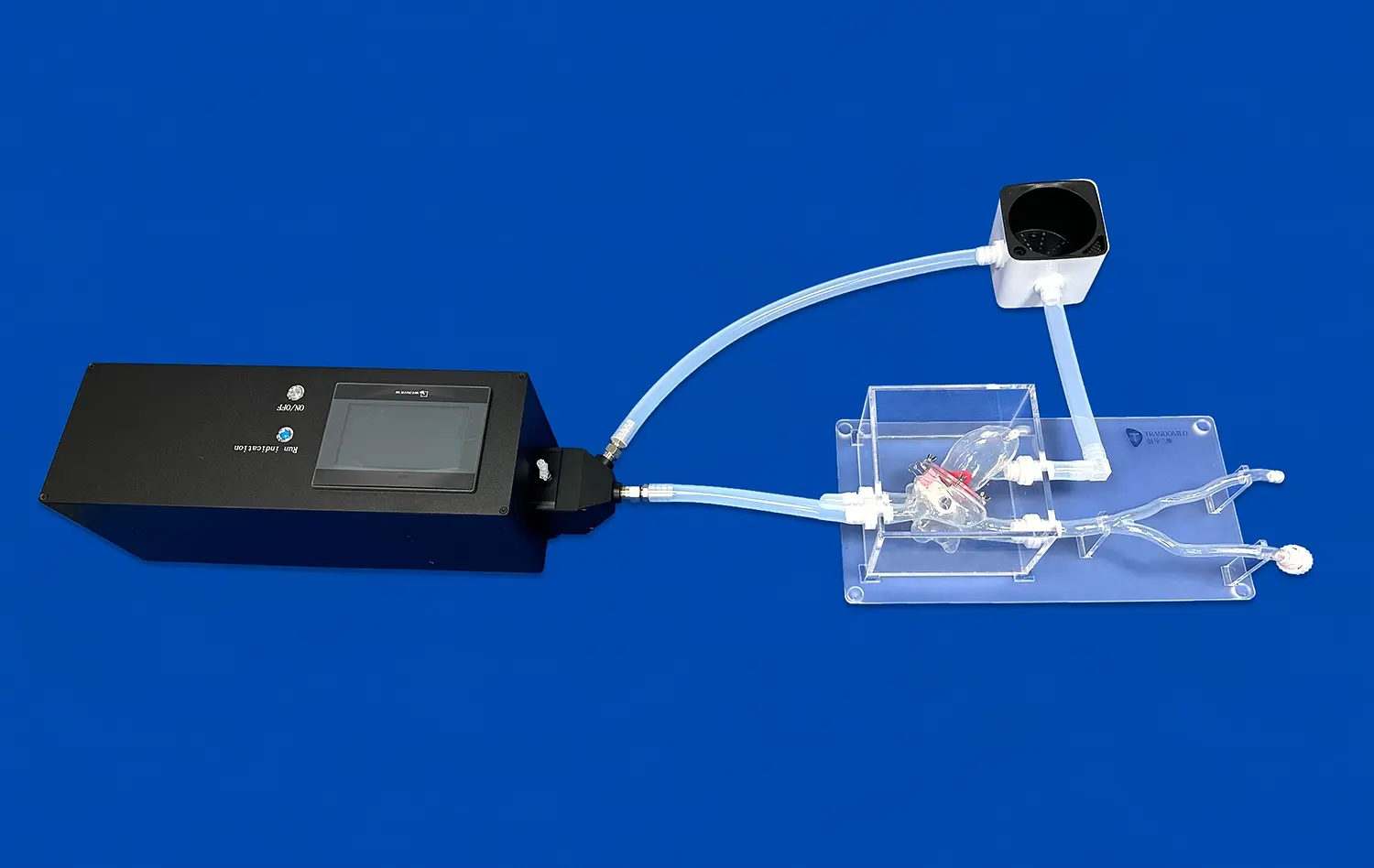
These days, research is used for more than just checking devices. It's also used for biomechanical analysis, computational fluid dynamics evaluation, and the development of new treatment techniques. Multimodal study methods that use both physical tests and digital simulation tools can be supported by advanced models.
New developments in 3D printing technology make it possible to make models with different levels of material qualities that mimic the make-up of fatty plaques and the hardening of blood vessel walls. These improved models give us more advanced ways to look at complicated situations where we might need to intervene.
Conclusion
Models of the vertebral arteries are important for making neurovascular devices better and for improving patient care. The accurate modeling of anatomy, high-tech materials, and ability to be customized make it possible for large-scale study projects that deal with the specific problems that come up when working on the posterior circulation. Investing in high-quality simulation models encourages new ideas, lowers the risks of growth, and improves the efficiency of training. As neurovascular technologies keep getting better, these models will be very important for making sure that devices are safe and work well in a wide range of clinical settings.
FAQ
What factors should be considered when selecting a vertebral artery model for R&D?
When choosing a model, you should put anatomical realism, material qualities, and the needs of the planned application at the top of your list. Think about whether the model has any pathological traits that are important to your study goals, like aneurysmal segments or stenotic areas. Long-term testing programs make material sturdiness important, and the ability to customize lets it be changed to fit the needs of a particular device.
How do vertebral artery models contribute to device safety assessment?
These models give us controlled places to test how devices and tissues interact before they are used in real life. Testing platforms let you figure out the forces of placement, how the wall stress is distributed, and any problems that might happen, like a vessel perforating or the device moving. Using accurate anatomical models and thorough testing procedures, you can find design flaws and improve gadget performance.
What customization options are available for vertebral artery models?
Leading makers offer a wide range of customization options, such as changing the size and position of an aneurysm, adding pathological features, and combining imaging data with the patient's own anatomy. Customization services usually work with a number of different file types and can make quick prototypes for specific study uses.
How long do high-quality vertebral artery models typically last under regular testing conditions?
Premium rubber versions have been tested many times and have shown to be very durable. Models can last a lot longer if they are handled and maintained properly. Many models can withstand hundreds of testing methods without losing their structural integrity or measurement accuracy.
Contact Trandomed for Advanced Vertebral Artery Model Solutions
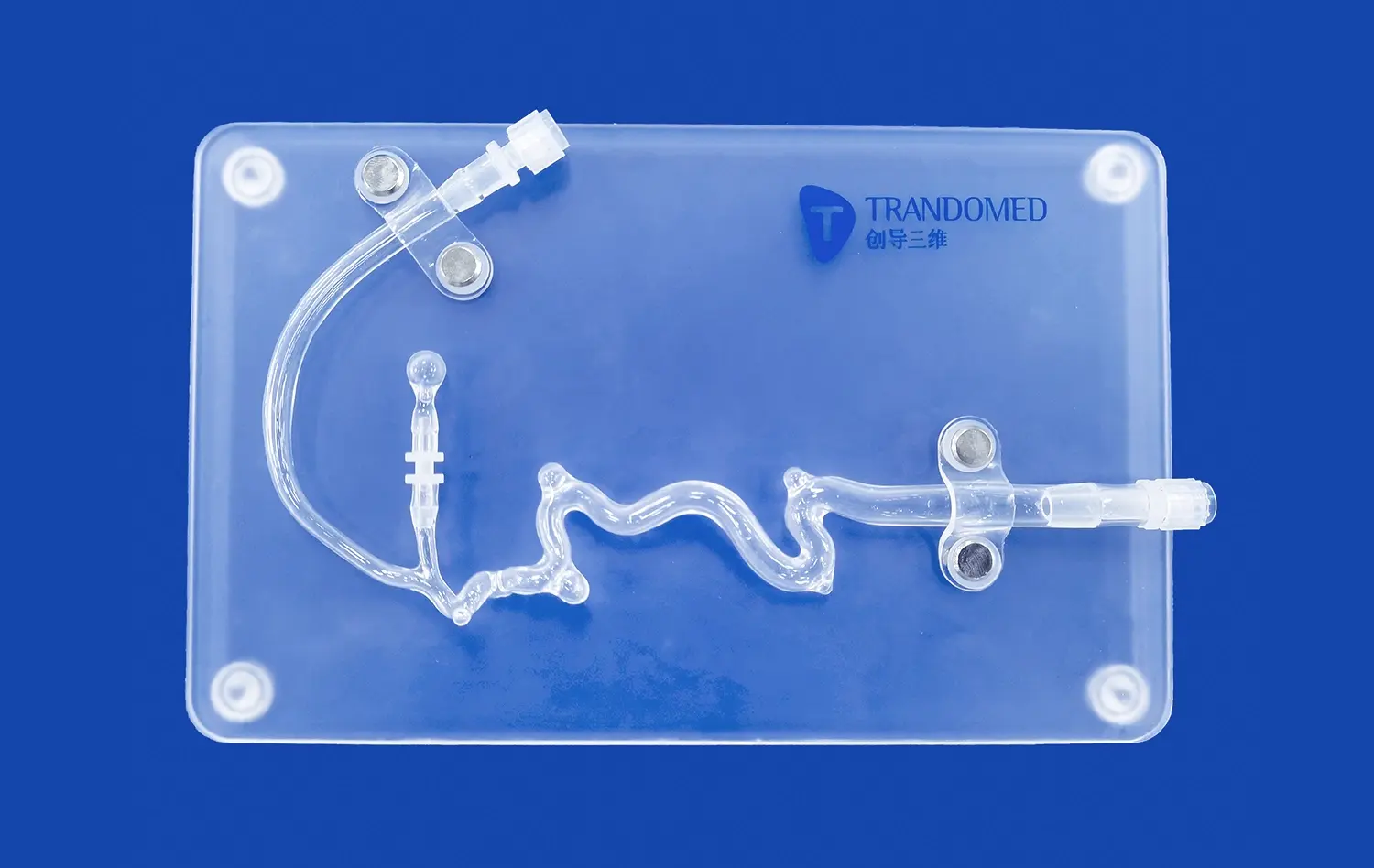
Trandomed has state-of-the-art vertebral artery model technology made just for testing and researching neurovascular devices. Our SJK009D model is made from medical-grade Silicone Shore 40A, which gives it the best longevity and tissue-like qualities, and it accurately replicates the anatomy and includes aneurysmal pathology. We can meet your study schedule needs with fast 7–10 day delivery around the world and customization services that don't cost extra. As a top maker of vertebral artery models with more than 20 years of experience in medical 3D printing, we offer full technical support and ship all over the world through reputable companies. Get in touch with jackson.chen@trandomed.com right away to talk about your needs and find out how our advanced modeling solutions can help you speed up the development of your neurovascular devices.
References
Johnson, M.R., et al. "Advanced Simulation Models in Neurovascular Device Development: A Comprehensive Review." Journal of Medical Device Innovation, 2023, 15(3), 142-158.
Chen, L.K., and Rodriguez, P.A. "Material Science Applications in Vertebral Artery Simulation: Enhanced Testing Protocols." Biomedical Engineering Review, 2022, 8(4), 289-304.
Thompson, S.D., et al. "Comparative Analysis of Anatomical Models for Posterior Circulation Device Testing." Medical Simulation Technology Quarterly, 2023, 12(2), 67-83.
Anderson, K.J., and Wu, H.M. "Quality Assessment Frameworks for Medical Simulation Models in R&D Applications." International Journal of Medical Technology, 2022, 19(1), 45-62.
Martinez, C.E., et al. "Customization Strategies in Medical Model Manufacturing: Vertebral Artery Applications." Advanced Manufacturing in Healthcare, 2023, 7(1), 112-128.
Parker, R.L., and Singh, A.K. "Economic Impact Analysis of Simulation-Based Device Development in Neurovascular Medicine." Healthcare Economics Review, 2022, 14(3), 234-249.
_1734507205192.webp)
_1735798438356.webp)