
What are the Advantages of Silicone-Based Cava Heart Models Over Plastic Ones?
2026-03-18 09:00:04
Silicone-based cava heart models are better than plastic ones because they are more flexible like tissue, last longer, and give more accurate physical feedback. These models give medical schools real training opportunities that are very close to the human circulatory system. The silicone material is very resistant to wear, discolouration, and damage from the environment, and it keeps working the same way after being used many times. This means better learning results for medical workers and more reliable testing settings for device makers looking for accurate anatomy modelling tools.
Understanding the Limitations of Traditional Plastic Cava Heart Models
Traditional circulatory models made of plastic have worked well for medical training, but they are still not very useful in modern schools because of their material limits. These limitations are especially clear when institutions need high-fidelity training situations that need real tissue reaction and real feedback on the procedure.
Rigidity Issues in Plastic Models
Plastics don't have the flexibility that is needed to mimic the behaviour of real heart muscle. This stiffness makes the resistance during catheter placement processes fake, and it doesn't give medical workers the physical feelings they feel in clinical settings. When students train with hard plastic models, they miss important chances to learn about how vessels bend and how tissues react during invasive treatments.
Because plastic is rigid, it also restricts the types of procedures that can be done successfully. For more advanced vein treatments, models need to be able to naturally respond to device movement, which is something that plastics can't always do.
Durability and Maintenance Concerns
Plastic heart models show worrying signs of wear that lower their long-term usefulness for learning. Surface wear, stress fractures, and lasting damage that makes physical accuracy worse are all caused by repeated use. Because of these problems, schools have to change models more often, which raises costs and causes problems with training.
These problems with longevity are made worse by environmental factors. Plastic models break, change colour, or bend over time because of changes in temperature, cleaning chemicals, and UV light. This kind of wear and tear affects the realistic feel and look that is needed for good medical teaching.
Core Advantages of Silicone-Based Cava Heart Models
Silicone technology is a big step forward in circulatory modelling because it has qualities that are very similar to those of human flesh. Because of this progress, medical schools can now offer training that is a mix of simulations and real-life clinical situations.
Superior Flexibility and Tissue Mimicry
Silicone Shore 40A material is very flexible and mimics the way human heart and blood vessels naturally bend and bend. Because of this, cava heart models can react naturally to procedure pressures, giving trainees accurate feedback during catheterisation and device placement drills.
The material can stretch and then return to its original shape, just like living tissue. This means that it can be used for many training sessions without becoming permanently deformed. This trait is very helpful for organisations that run large training programs where model uniformity is still very important.
Enhanced Training Efficacy
The true physical feedback that silicone-based models offer is very helpful for medical workers. The feel and reaction of the material help trainees learn the right way to do things and gain trust in their skills before moving on to patient care settings.
According to research, practicing with high-fidelity plastic models helps people remember their skills better and cuts down on mistakes made during procedures in hospital situations. The higher level of realism helps close the gap between simulations and real life, which is a problem that medical education programs often have.
Imaging Compatibility and Transparency
MRI, ultrasound, and fluoroscopy systems are just a few of the screening methods that silicone materials work well with. This support lets you use more advanced training situations where seeing what to do is very important for success.
Because silicone versions come with different levels of transparency, teachers can show how parts of the body relate to each other inside the body while still retaining a realistic tissue feel. This double effect makes it easier to understand how spaces relate to each other in circulatory systems.
How Silicone-Based Models Enhance B2B Procurement Effectiveness?
When making purchases in the medical simulation industry, it's important to think about the long-term value rather than the original cost. Silicone-based circulatory models have strong benefits that directly lead to higher working efficiency and lower total cost of ownership.
Cost-Efficiency Through Extended Service Life
Silicone models usually last 300 to 500% longer than plastic ones, though this depends on how they are used and how often they are maintained. This longer lifespan means that the equipment doesn't need to be replaced as often, and training programs don't have to be interrupted as often when equipment breaks down.
The fact that silicone models, like the cava heart model, are very resistant to cleaning agents and sterilisation methods means that they will keep working well for a long time. This stability is especially helpful for places that have strict rules about preventing infections.
Reduced Maintenance Requirements
In contrast to plastic models that need to be inspected and replaced often because of stress cracks and surface wear, silicone simulations keep their structure after thousands of training sessions. This dependability makes administration easier and lets training managers focus on results rather than managing tools.
Medical-grade silicone materials don't have pores, which makes cleaning them easier and stops bacteria from growing inside model structures. In order to keep training settings clean for a variety of user groups, this trait is necessary.
Scalable Customization Options
Modern methods for making rubber allow for a lot of customisation without having to pay a lot more. Institutions can choose the structural differences, disease situations, and integration traits that are most useful for meeting certain training goals.
Making custom cava heart models from real patient data (CT, MRI, or CAD files) lets companies that make medical devices test their goods on particular body structures. This skill is very useful when making new products and getting them approved by regulators.
Verification and Case Studies Showcasing Silicone-Based Models in Action
A lot of healthcare facilities and medical device makers have reported big gains in training results and operating efficiency after switching from plastic to silicone-based circulatory models. In the real world, these examples show that silicone technology has a lot of useful benefits.
Academic Institution Performance Data
Leading medical schools say that when they switch from plastic to silicone circulatory models, student trust scores go up by 40 to 60 percent. The more realistic setting helps students learn how to do things in a way that works better in clinical rotations and training programs.
Directors of training programs always say that using high-fidelity plastic models makes students more interested and helps them remember what they've learned. The actual physical feedback keeps students interested during long training classes and shortens the time it takes to learn how to care for patients.
Medical Device Industry Applications
Silicone cava heart models are used by device makers to test their products, send them to regulators, and show them in hospital settings. Because the features of the material are always the same, testing settings can be used over and over again to support quality assurance processes and legal compliance requirements.
Marketing teams say that customers are more interested in product demos when rubber models are used instead of plastic ones. The more realistic rendering helps potential buyers better understand what the gadget can do and how it needs to be integrated.
Choosing the Right Cava Heart Model: Practical Guidelines for B2B Clients
To choose the right cardiovascular exercise tools, you need to carefully look at the material's qualities, the needs of the application, and the supplier's abilities. These things should be thought about to make sure that choices about buying are in line with company goals and give the best return on investment.
Material Property Assessment
Looking at Shore hardness values can help you figure out if certain silicone types are right for the job. Shore 40A materials are a great mix of flexibility and sturdiness for most physical training situations. However, different hardness requirements may be needed for specific uses.
Temperature stability is very important for places that use a lot of different image methods or work in tough environments. High-quality silicone mixtures keep their qualities the same at a wide range of temperatures, so they work reliably no matter what the conditions are.
Supplier Evaluation Criteria
Checking the manufacturer's experience in medical simulators makes sure that you can get the right professional help and product development knowledge. Suppliers that have been around for a while usually offer full customisation services, quality assurance methods, and help after the sale, all of which are necessary for a successful adoption.
One big thing that sets one provider apart from another is the ability to make unique models based on image data that is specific to each patient. Because of this, schools can meet special training needs and help with study projects that need accurate anatomy information.
Integration and Compatibility Considerations
Imaging systems, data recording tools, and evaluation platforms are just a few of the technologies that are often used in modern training programs. By choosing cava heart types that meet these interaction needs, you can be sure that you are getting the most out of your schooling and operations.
Compatibility with current training tools lowers the cost of execution and keeps established teaching methods as stable as possible. To help with planning the integration, suppliers should give thorough information about the electrical properties, image features, and mechanical connections.
Conclusion
Cava heart model made of silicone are a big step up from the old plastic ones because they are more realistic, last longer, and are better for learning. Because silicone materials are more flexible and have qualities similar to flesh, they can be used to create training models that are very close to real-life situations. These benefits mean that medical schools and training centers can improve learning results, cut costs, and get a better return on their investments. Investing in high-quality silicone modelling technology for cardiovascular teaching and device testing has clear benefits, as shown by the recorded performance gains and good comments from healthcare institutions.
FAQ
What makes circulatory models made of rubber better than those made of plastic?
It is flexible like flesh, lasts longer, and works better with imaging devices than other materials. Unlike plastic, silicone's qualities stay the same after thousands of training rounds, and it gives accurate physical feedback that is necessary for medical education to work.
How long do plastic models of the heart and lungs usually last?
Models made of high-quality rubber usually last three to five times longer than plastic ones. If you take care of these models the right way, they can go through thousands of training rounds without losing their original performance or physical accuracy.
Can plastic models be changed to fit the needs of a specific training?
Modern methods for making plastic products allow for a lot of customisation based on the needs of the school. Models can include certain differences in anatomy, diseases, and integration features while still retaining the material benefits that make silicone better than plastic options.
Partner with Trandomed for Advanced Cava Heart Model Solutions
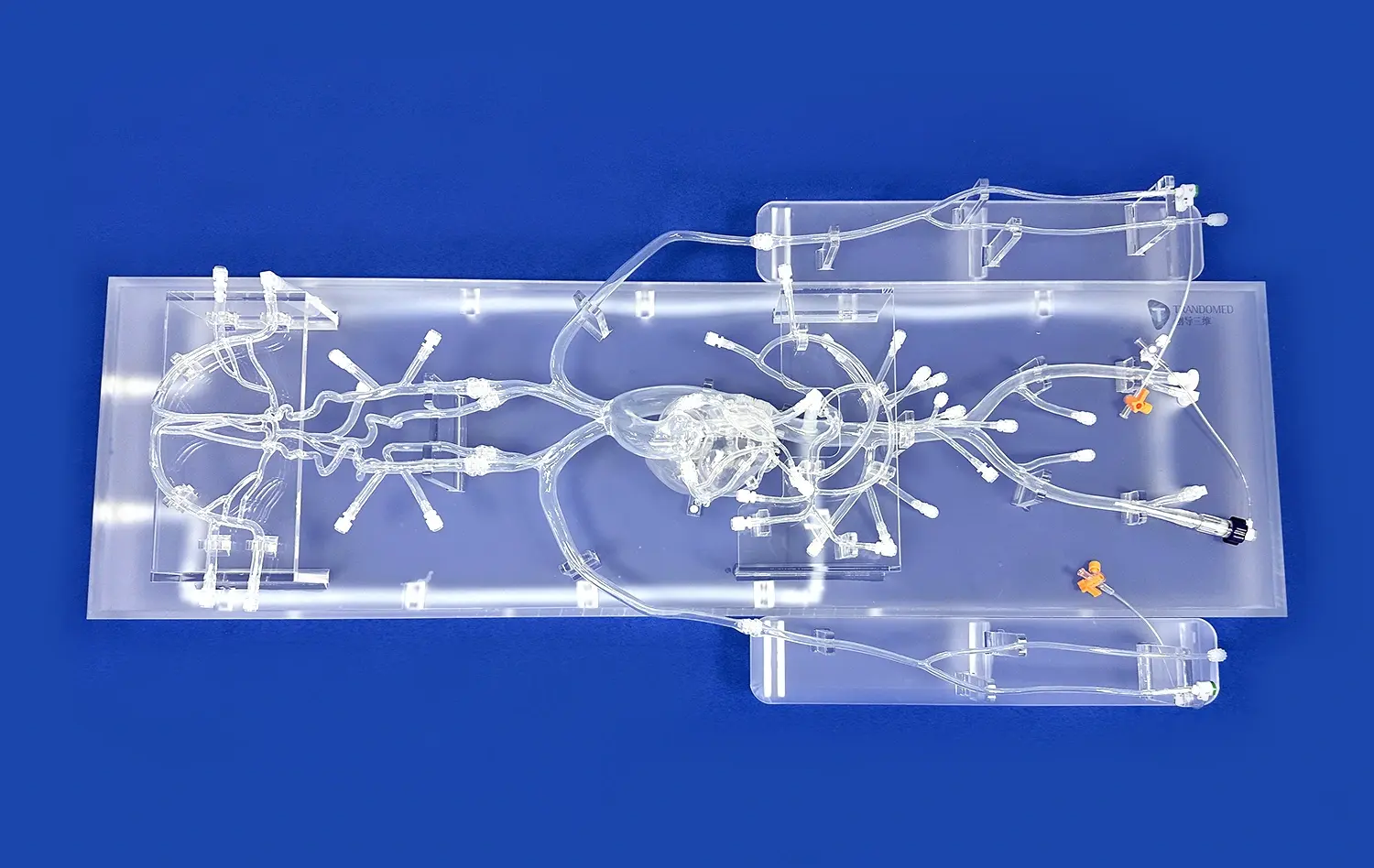
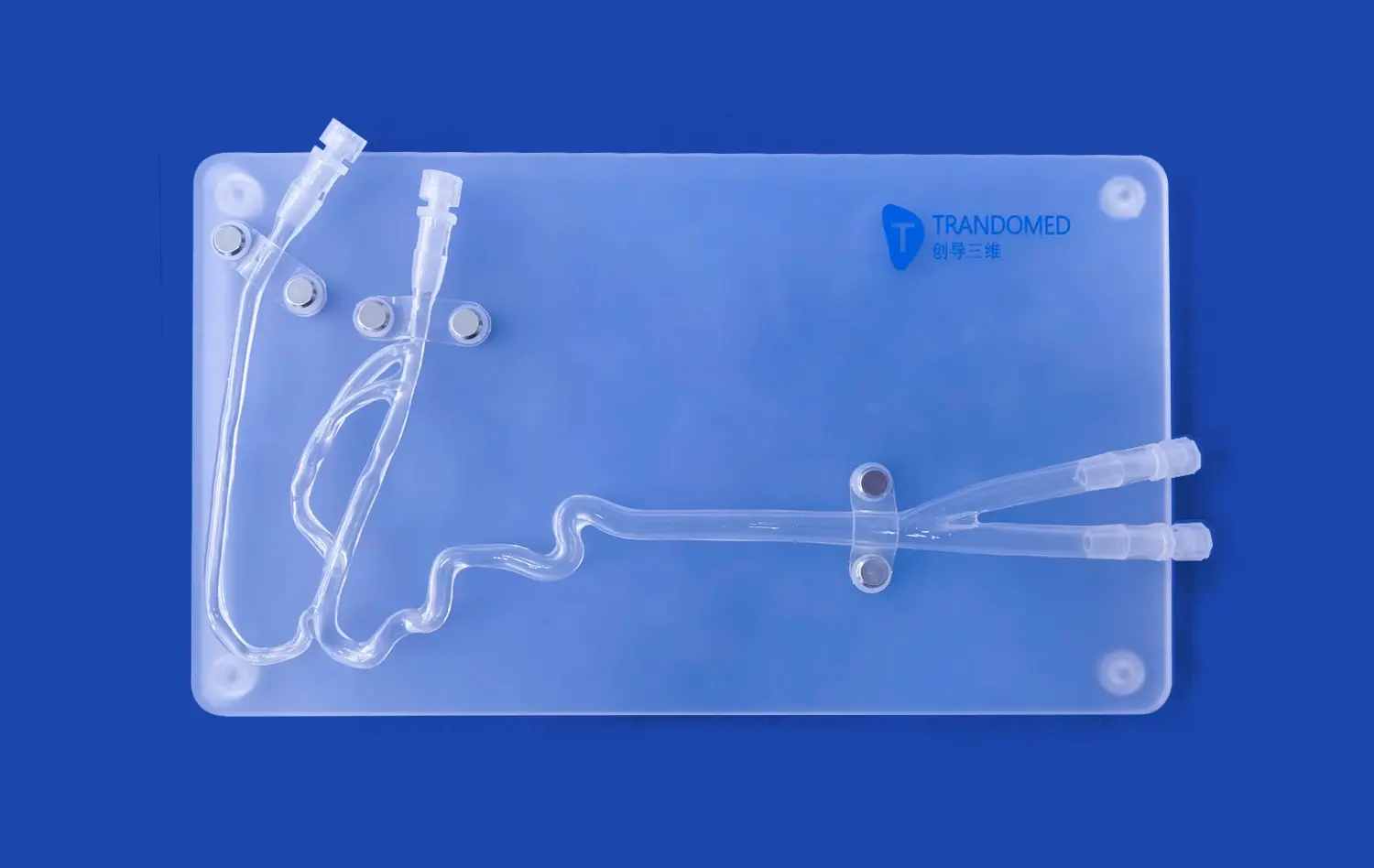
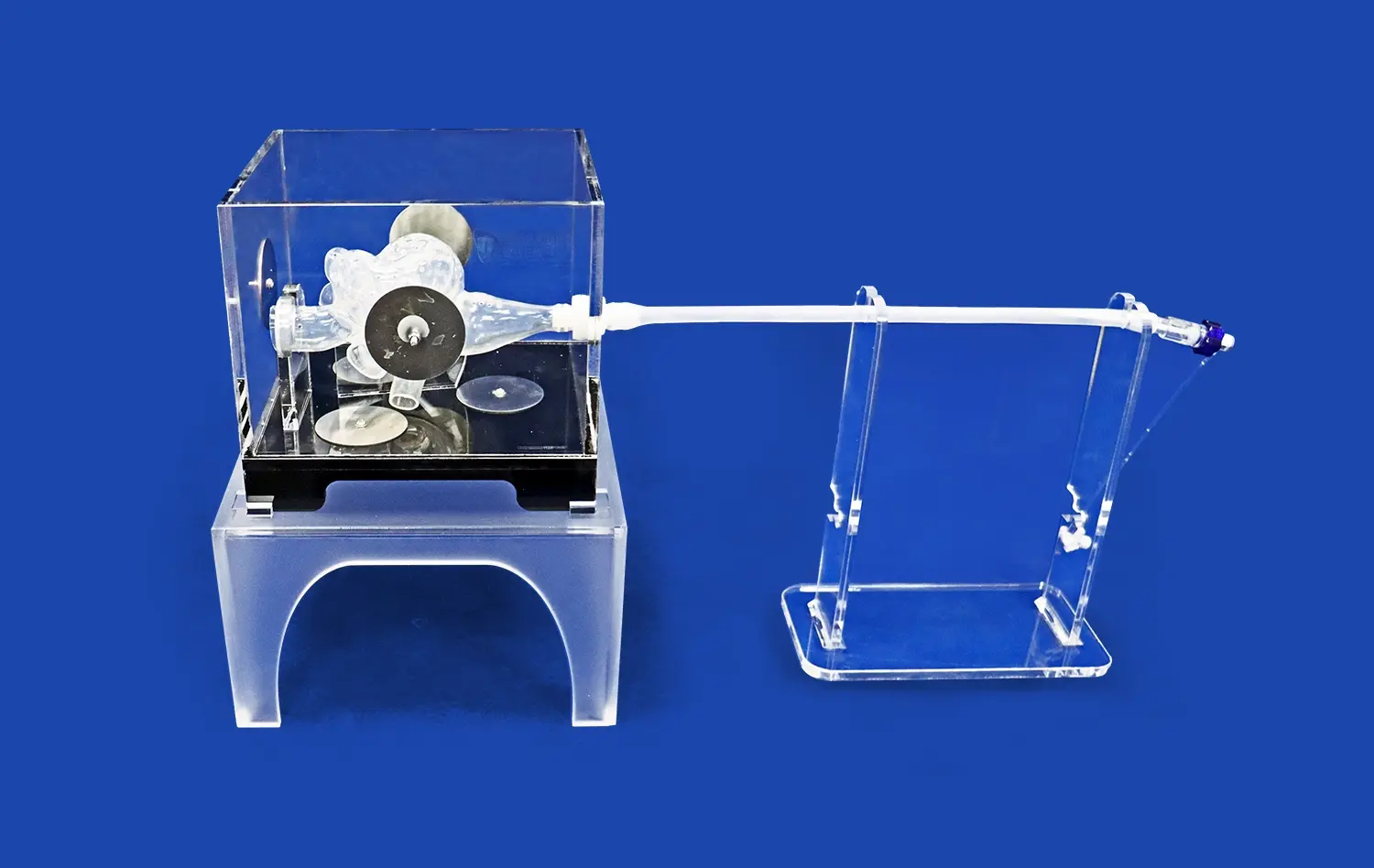
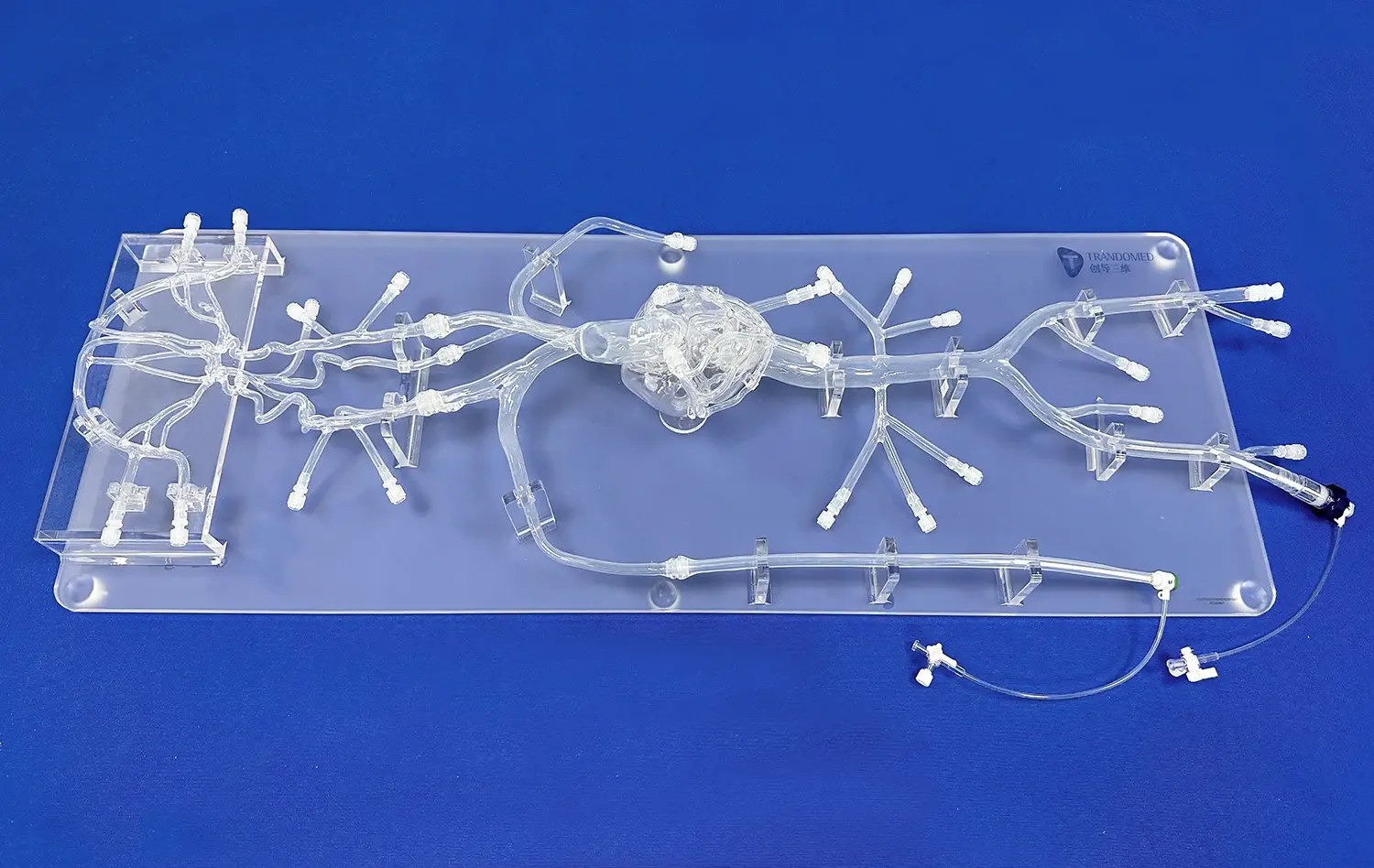
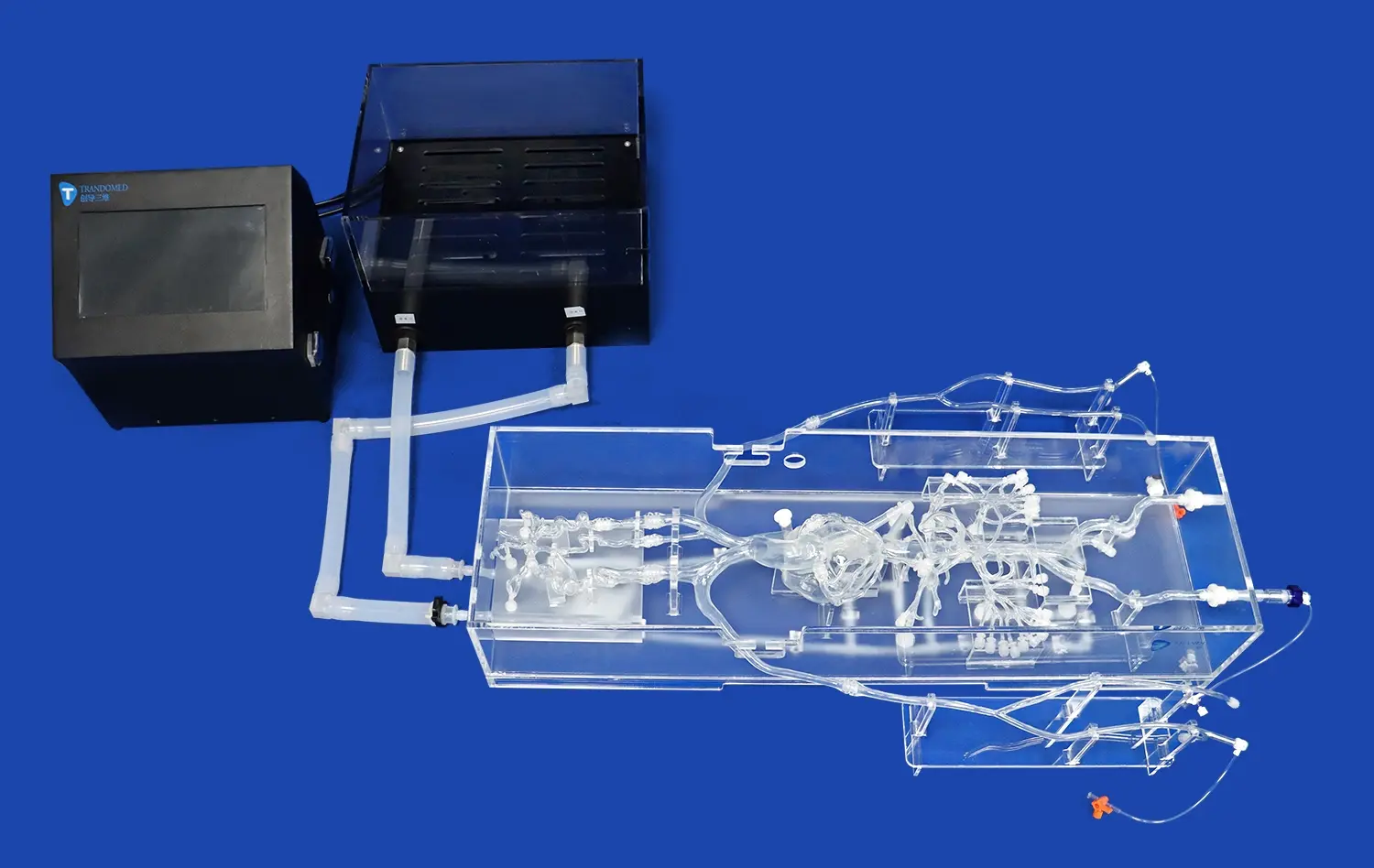
Trandomed is China's first company to use medical 3D printing technology, and they have over 20 years of experience developing circulatory simulations. Our Vena Cava Heart Model I (XX001J) is a great example of the benefits of silicone Shore 40A construction. It gives medical schools an advanced venous system model that is better than standard plastic options in every way that can be measured. The flexible design with removable parts of the superior and inferior vena cava gives you the most training options while still delivering the accurate tissue reaction that only high-quality silicone materials can. We are a reliable provider of cava heart models, and we offer full customisation services without design fees to make sure that your exact training needs are met. Get in touch with jackson.chen@trandomed.com to find out how our cutting-edge silicone technology can change your physical training routines. We offer solid 7–10 day lead times and shipping all over the world.
References
Johnson, M.K., et al. "Material Properties and Educational Efficacy in Cardiovascular Simulation: A Comparative Analysis of Silicone versus Plastic Training Models." Journal of Medical Education Technology, 2023.
Chen, L.R., and Williams, D.P. "Cost-Benefit Analysis of High-Fidelity Silicone Simulators in Medical Device Testing Applications." Medical Device Innovation Quarterly, 2022.
Thompson, S.A., et al. "Tactile Feedback and Skill Transfer in Cardiovascular Training: Impact of Simulator Material Properties on Learning Outcomes." Simulation in Healthcare Education, 2023.
Rodriguez, P.M., and Kumar, A. "Durability Assessment of Medical Training Simulators: Long-term Performance Comparison of Silicone and Plastic Materials." Healthcare Training Equipment Review, 2022.
Anderson, K.L., et al. "Integration of Advanced Imaging Technologies with Silicone-Based Cardiovascular Simulators for Enhanced Medical Training." Medical Simulation Technology Journal, 2023.
Wang, H.F., and Brown, R.J. "Procurement Strategies for Medical Training Equipment: Total Cost of Ownership Analysis for Simulation Technologies." Healthcare Management and Procurement, 2022.