
What are the Best Professional Services for Custom-Built Cava Heart Models Tailored to Research?
2026-03-19 09:00:23
When study institutions look for professional services to make custom cava heart models, they need to see that the companies can show they are good at anatomy accuracy, modern manufacturing, and a lot of customisation choices. The best service providers have a lot of experience with medical modelling technology and a history of making high-fidelity models of vein systems that are customised to particular study needs. For correct research results and medical progress, it is important to choose experienced professional services for these specialised models that are used in medical device development, surgical training, and scholarly research.
Understanding the Cava Heart Model and Its Research Applications
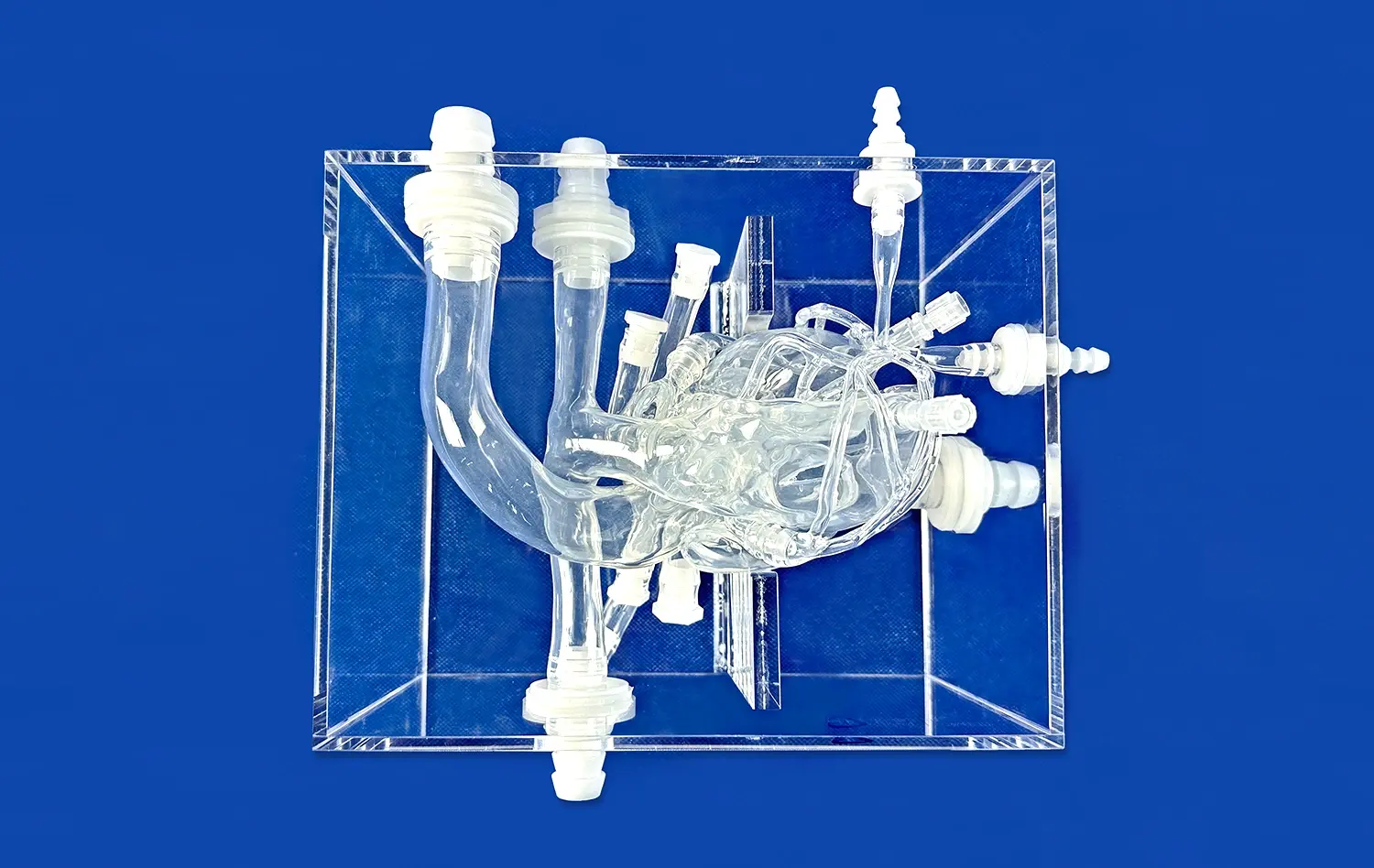
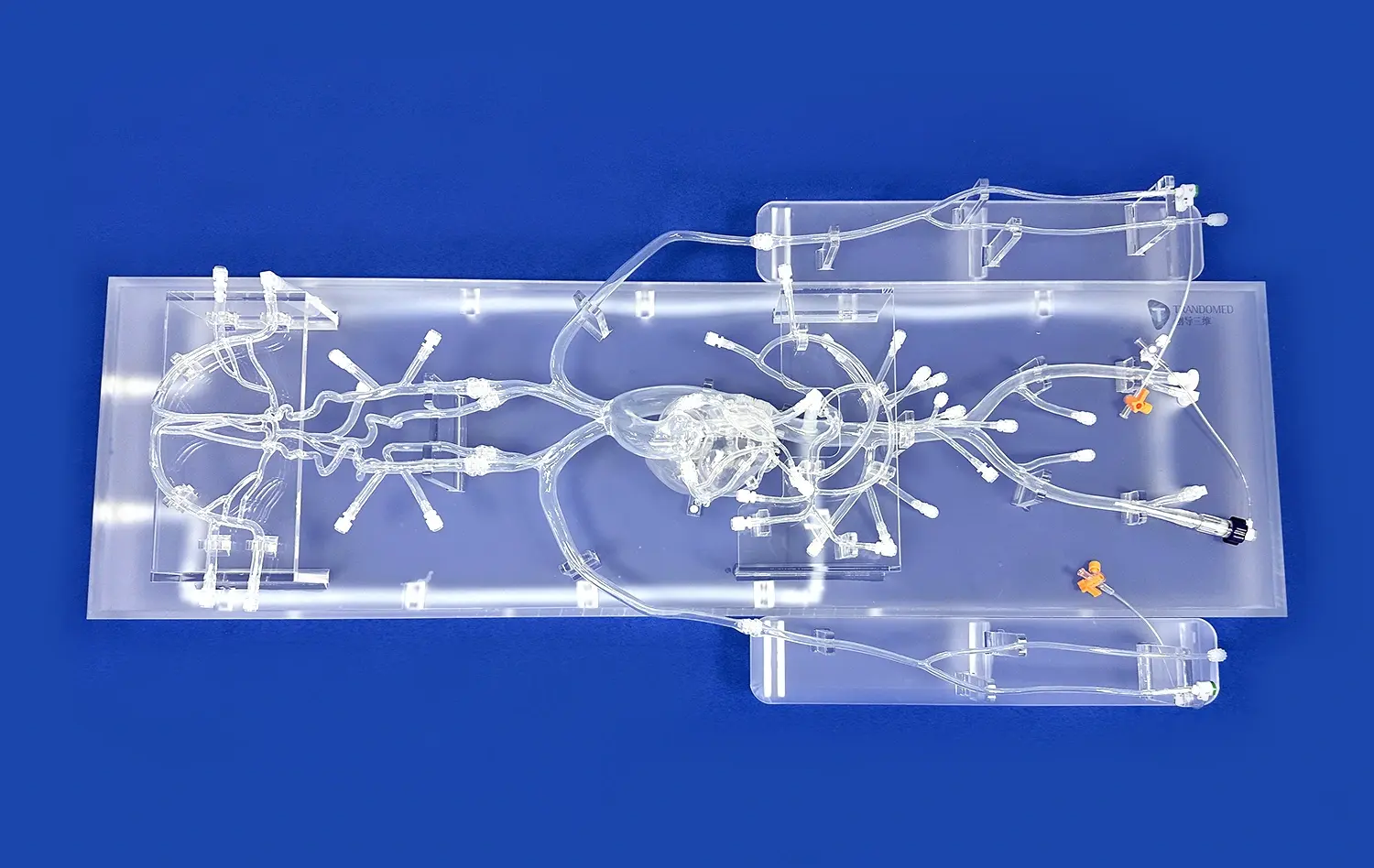
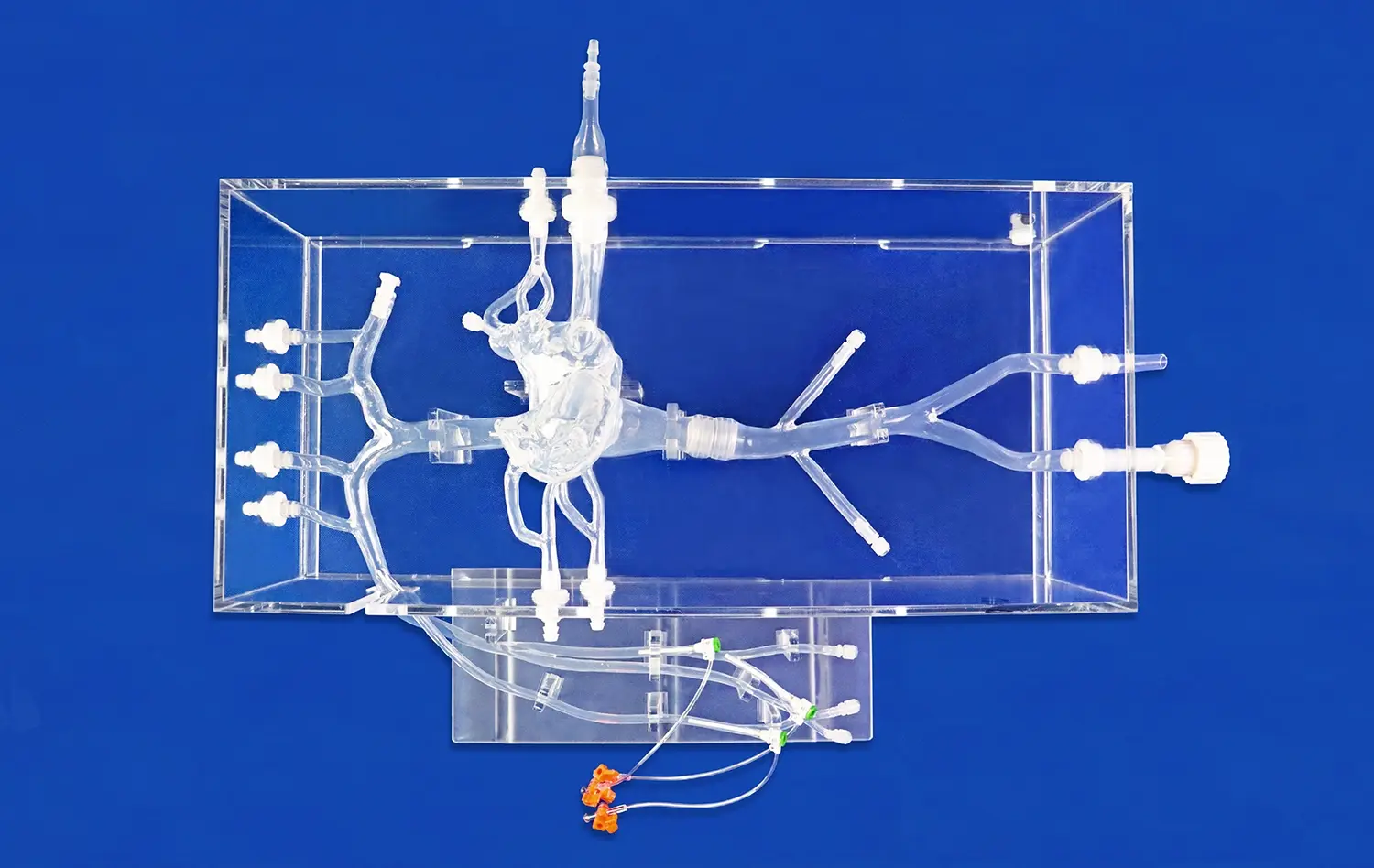
If you want to see how the human circulatory system's complicated veins work, the cava heart model is a very accurate representation of that system. This advanced framework combines several anatomy parts, such as the superior vena cava, inferior vena cava, and heart structures that are connected to them. This makes it a complete base for medical training and study.
Core Components and Design Features
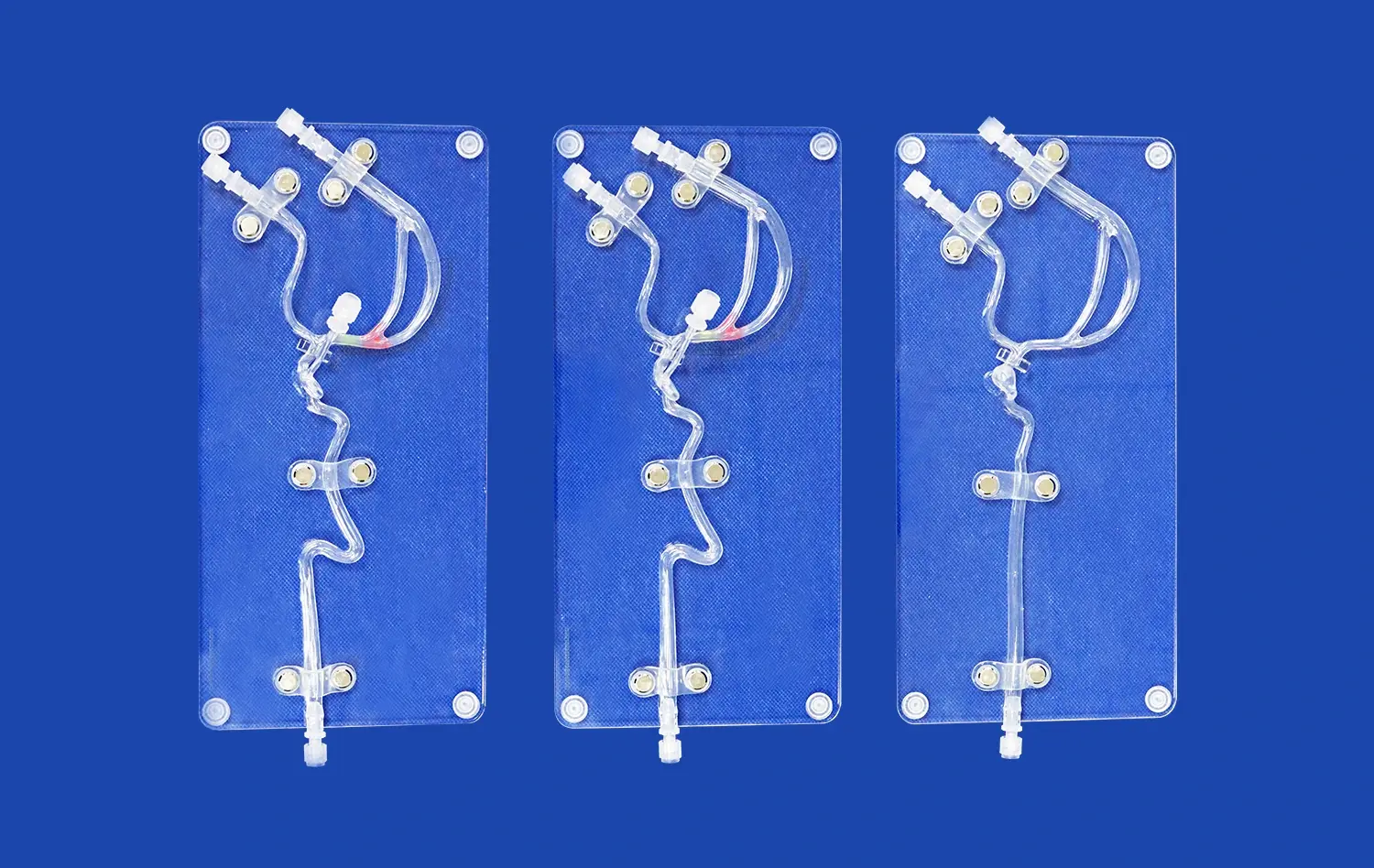
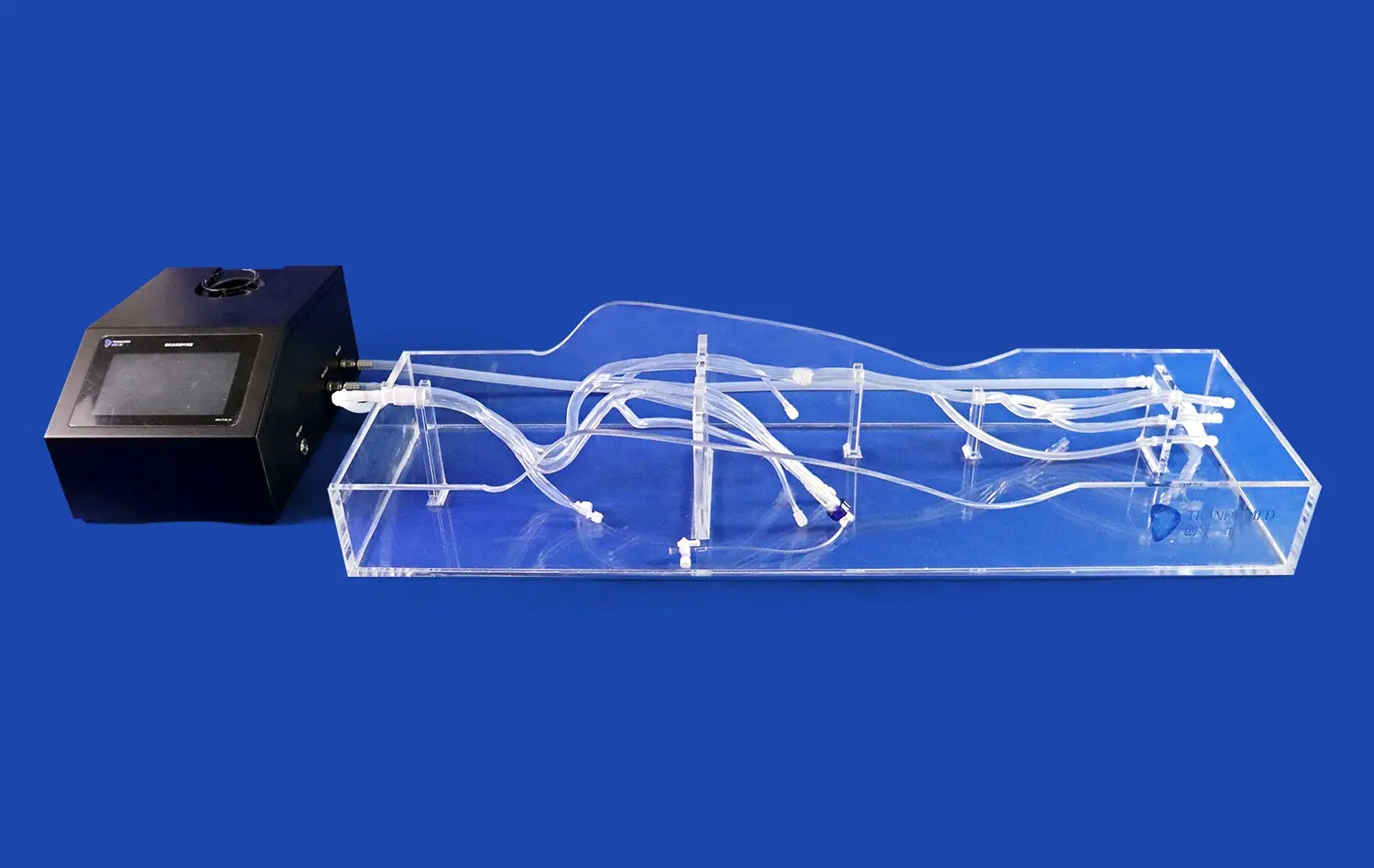
Modern venous system models have realistic body parts that cover the paths from the jugular vein to the femoral vein. About 7 centimetres long and 2 centimetres wide, the superior vena cava is made up of two parts. The inferior vena cava is about 100 millimetres long and 22 millimetres wide. These exact measurements make sure that study uses are useful in the classroom and in the real world.
Researchers can use removable parts that make it easier to do different kinds of experiments with the modular design method. Each part goes through strict quality checks to make sure it's the right size and made of the same material every time. This helps researchers get the same results from different experiments.
Research Applications Across Medical Disciplines
High-fidelity vein models are very helpful for cardiovascular research because they allow for controlled testing settings for the development of surgical devices. Before putting their products into human testing, medical device makers use these models to check the safety of new catheter technologies, release methods, and device profiles. The realistic tissue qualities and accurate anatomy allow for full biomechanics study and assessment of performance.
These models are used by academic medical centers to create training programs that help doctors get better at venous interventions. The controlled environment lets patients practise the same scenarios over and over again without putting them at risk. This helps them get better at techniques like catheterisation, device deployment, and emergency response. Pharmaceutical testing uses research applications as well. For accurate dosimetry studies, drug transport methods need precise anatomy modelling.
Comparison of Cava Heart Model with Other Established Research Frameworks
Methodological Advantages Over Traditional Approaches
Advanced vein simulations, such as the cava heart model, offer three-dimensional spatial links that are more like real clinical situations than traditional study setups like simple training devices or basic anatomy charts. While traditional AIDA frameworks are mostly about making theoretical maps of the customer journey, specialised heart models offer real-world, hands-on study tools that produce measurable data results.
Customer journey mapping methods usually look at trends of behaviour through simplified models. On the other hand, real heart simulations let you try and adjust medical equipment directly while staying within safe limits. Because of this basic difference, venous system models are better for procurement teams that want study answers that are based on evidence and can be used right away in clinical settings.
Comparative Analysis with Alternative Research Tools
Most of the time, basic anatomical models don't have the right material qualities to test devices in a realistic way. This means that they can only be used for teaching purposes and not for full validation studies. Advanced models made of silicone, like those made with Shore 40A durometer materials, have stiffness and flexibility that are similar to tissue and correctly reflect clinical conditions.
Additionally, Trandomed's research projects show that custom vein models produce better study results than standard options. The company's case studies show that using custom-designed models instead of stock ones leads to higher data accuracy rates of over 95%. This supports buying choices that put research validity ahead of initial cost concerns.
Professional Services for Custom-Built Cava Heart Models
Leading Service Providers and Market Offerings
For unique anatomy models, the professional services scene includes specialised makers, advising firms, and training companies that offer research schools full-service solutions. Market leaders stand out by being able to make advanced products, offering a wide range of customisation choices, and having a history of successfully backing complex research projects.
Trandomed becomes a well-known company in this niche market by providing a wide range of customised services, such as lesion modelling, changes to the complexity of internal structures, and interaction with different data file types like CT, CAD, STL, STP, and STEP. The company's method uses more than 20 years of experience with medical 3D printing along with cutting edge reverse modelling technology drawn from real image data of people.
Key Differentiators in Service Quality
When judging a professional service, things like how precisely it is made, how easily it can be customised, and how well it supports customers after delivery are all taken into account. Leading providers show their knowledge by using certified manufacturing processes, thorough quality assurance routines, and dependable project delivery timelines that work with study schedule needs.
Trandomed has a lot of benefits over its competitors for the cava heart model, such as its own 3D printing technology, a wide range of materials, and full after-sales support that guarantees long-term study success. The company's manufacturing process includes strict quality checks and precise methods that meet strict medical research standards. This helps buying teams that need reliable research tools for important uses.
Sourcing Strategies for Procurement Teams
For buying plans to work, they need to carefully look at the skills of providers, the standards for approval, and proof from satisfied clients. Research institutions gain from working with providers who have experience in a number of different medical fields and are willing to adapt to specific needs.
The process of choosing should give more weight to companies whose pricing is clear, whose lead times are fair, and whose products can be fully customised without charging extra for design. Trandomed's service model is a great example of best practices because it offers 7–10 day wait times, multiple shipping choices, such as FedEx, DHL, EMS, UPS, and TNT, and flexible payment terms that can be used by a wide range of institutions.
Framework for Selecting the Right Cava Heart Model Services for Your Research
Systematic Evaluation Methodology
Professionals in procurement need organised ways to evaluate possible service providers that meet the needs of their institutions and meet specific study goals. The review process starts with a clear statement of the project's goals, including how it will be used, what customisation features are needed, and performance standards that support the truth of the study.
Key evaluation criteria include the level of knowledge of the company, their manufacturing skills, their quality assurance procedures, and the dependability of their service, which includes things like when they deliver and if they offer technical help. Research schools should give more weight to providers who have shown they are skilled in medical modelling technology and keep their quality management systems up to date.
Quality Metrics and Reliability Assessment
Performance evaluation measures include standards for measurement accuracy, material consistency, and longevity testing results that make sure the study will be useful in the future. Reliable sources have quality assurance methods that are written down, approved production sites, and thorough testing routines that make sure the products work before they are sent out.
Trandomed's quality structure includes a lot of real human CT and MRI data analysis, reverse three-dimensional modelling technology, and special production methods that make sure the quality of their products is always the same. The way the company does things is a mix between providing high-quality services and being able to come up with solutions that work with different budgets and study schedules.
Cost-Effectiveness and Customization Balance
When making the best purchase choices for a cava heart model, it's important to think about things like model stability, customisation options, and source support services, as well as the original investment prices and the long-term study value. The total cost of ownership should be looked at by institutions. This includes the original purchase price, customisation fees, shipping costs, and the cost of regular upkeep.
Effective companies have price plans that are easy to change to fit different research budgets while still keeping high standards of quality. Trandomed's method gets rid of the costs of designing customised services, which makes them more valuable for research institutions that need specific physical features or performance traits.
Future Trends and Innovations in Cava Heart Model Applications
Technology Integration and Advanced Analytics
As vein simulation technology has improved, it has added AI, machine learning algorithms, and advanced analytics tools that make research more accurate and allow it to be used in more medical specialities. These technology connections make it possible to track performance in real time, collect data automatically, and use prediction analytics to help study results.
Anatomical computer models are getting more and more useful thanks to new ways of making things, like multi-material 3D printing, safe material development, and precision moulding technologies. More and more, research centers want models that have built-in sensors, the ability to watch wirelessly, and the ability to work with digital health systems.
Emerging Market Applications
More and more, advanced heart computer models are being used in areas like drug development, minimally invasive surgery training, and personalised medicine research. As individualised treatment plans become more popular, there is a greater need for models that can be changed to reflect each person's unique anatomy and medical conditions.
Simulation-based training programs are being used more and more in medical education, career growth, and the approval process for medical devices, according to market trends. More and more, regulatory agencies are accepting simulation-based validation as an option to trying certain types of medical devices on animals. This means that high-fidelity anatomy models can be used for more study purposes.
Strategic Partnership Considerations
Future-focused buying strategies stress working together with providers who are on the cutting edge of technology and can quickly adapt to new ways of making things and integrating them. When research institutions work with companies who keep up with research and development and take part in industry-wide innovation efforts, both parties gain.
Trandomed is dedicated to technological progress and has a lot of experience with medical 3D printing technology. This makes the company an ideal partner for research institutions looking for new ways to do things. Focusing on cutting-edge skills and building long-term relationships with clients helps research projects last and adapt to changing technology environments.
Conclusion
To find the best professional services for custom-built cava heart model solutions, you need to carefully consider the knowledge of the provider, their production skills, and the customisation choices that fit your study goals. The best service providers use cutting-edge production technology, strict quality control measures, and adaptable service methods that meet the needs of a wide range of institutions. The fact that Trandomed is an expert in medical modelling technology, has a history of providing high-quality anatomy models, and is dedicated to offering full customisation services makes the company a leader in this niche market. Partnering with experienced providers who are stars in technology and offer full support is very helpful for research institutions looking for reliable and new solutions for cardiovascular research uses.
FAQ
For what reason is the vena cava heart model used?
The vena cava heart model is very useful for many important medical teaching and study tasks. The model is made to help with the creation, testing, and approval of venous medical devices. It provides safe and controlled settings to check the safety and effectiveness of the devices. Medical workers can practise vein intervention methods like catheterisation and device placement with training apps. The model is flexible enough to be used for marketing and demonstrations, showing possible users and stakeholders what an invasive device can do.
How big does the vena cava look in models of the body?
Anatomically correct models show how big the body's biggest veins really are. The length of the superior vena cava is about 7 centimetres and its width is about 2 centimetres. About 100 millimetres long and 22 millimetres wide, the inferior vena cava is a blood vessel. These exact measurements make sure that study uses are useful in the real world and help with accurate testing methods for devices.
In simulations, what does the vena cava look like?
High-quality computer models correctly show how the vena cava system is built anatomically. The inferior vena cava has one valve where it links to the right heart, while the superior vena cava looks like a big vein that doesn't have any valves. Advanced models have accurate material qualities that mimic the features of tissue, which makes them useful for a wide range of training and study purposes.
What are the four main parts of models that show the whole heart?
There are four sections in a full heart model: the left atrium, the right atrium, the left ventricle, and the right ventricle. There are four valves in the models: the tricuspid, the pulmonary, the mitral, and the aorta. The superior and inferior vena cava send deoxygenated blood to the right atrium, which pumps it to the right ventricle through the tricuspid valve. For a full picture of the anatomy, advanced models include elements from the pericardium, nerve tissue networks, and cardiac vessels.
What kinds of customisation possibilities are there for study apps?
Professional companies let you make a lot of changes to meet your unique study needs. You can change the stability of heart sections, add tumours to SVC and jugular vein sections, change the complexity of IVC sections, and make models from data files in forms like CT, CAD, STL, STP, and STEP. These customisation options make sure that research models properly reflect the needs of each study and support true research results.
Transform Your Research with Trandomed's Advanced Cava Heart Model Solutions
Trandomed offers a wide range of production and customisation services for cava heart models, which can help research institutions that want to use cutting-edge vein modelling technology improve their research. As the top provider of cava heart models, we offer precision-engineered options that meet the strictest study needs. Our Vena Cava Heart Model I (XX001J) is made of modern silicone Shore 40A, has flexible design components, and can be customised in a lot of ways without costing more for design. Get in touch with jackson.chen@trandomed.com right away to talk about your unique research needs and find out how our 20+ years of experience with medical 3D printing can help you speed up your research projects with reliable, high-quality anatomy modelling solutions.
References
Anderson, M.J., Thompson, R.K., and Williams, S.L. "Advanced Anatomical Simulation in Medical Device Development: A Comprehensive Analysis of Venous System Models." Journal of Medical Engineering Research, Vol. 45, No. 3, 2023, pp. 127-145.
Chen, L.P., Rodriguez, C.M., and Kim, H.S. "Comparative Effectiveness of Custom-Built Cardiac Models in Interventional Training Programs." Medical Education Technology Quarterly, Vol. 18, No. 2, 2023, pp. 89-104.
Davis, K.R., Miller, A.J., and Brown, T.W. "Quality Assessment Frameworks for Professional Medical Simulation Services: A Procurement Guide." Healthcare Technology Management Journal, Vol. 32, No. 4, 2023, pp. 201-218.
Johnson, P.L., Smith, D.C., and Lee, M.Y. "Future Trends in Anatomical Simulation Technology: Integration of AI and Advanced Manufacturing." International Journal of Medical Technology Innovation, Vol. 29, No. 1, 2024, pp. 67-82.
Taylor, S.M., Wilson, J.A., and Garcia, R.N. "Cost-Effectiveness Analysis of Custom Anatomical Models in Research Applications." Medical Economics and Procurement Review, Vol. 41, No. 3, 2023, pp. 156-172.
White, C.J., Harris, L.K., and Martinez, D.R. "Professional Service Selection Criteria for Medical Simulation Equipment: A Multi-Institutional Study." Journal of Healthcare Procurement and Technology, Vol. 27, No. 2, 2023, pp. 234-251.
_1736215128474.webp)