
What Features Should I Look for in a Professional Detachable Coronary Model?
2026-03-12 09:00:13
When medical schools buy a professional detachable coronary model, they need to look at a few key features that will affect how well it trains people and how much it will be worth in the long run. To get the most out of these advanced cardiovascular training tools, you need to think carefully about their physical correctness, material quality, ability to be customised, and longevity. Having the right artery computer model is an important part of medical education because it lets doctors learn important skills in a safe, controlled setting while also learning more about complicated heart structure and treatment techniques.
Understanding Detachable Coronary Models: Key Concepts and Educational Value
Cardiovascular training models are a huge step forward in medical education because they allow students to learn by doing and improve their skills in ways that have never been possible before. By bridging the gap between theory knowledge and practical application, these high-tech training tools let doctors learn more about the heart's complicated anatomy without putting patients at risk.
What Makes Detachable Models Superior
Modern cardiovascular modelling tools have parts that can be taken off and put back on, which lets you fully explore heart structures. Unlike standard set models, these advanced training systems let users take apart and look at individual artery segments, which helps them learn more about how the heart anatomy works. Because these models are engaging, they help people remember and understand things better, which makes them very useful for medical institutions.
The effects on schooling go beyond teaching basic science. These models make it easier to practise more difficult skills, like percutaneous cardiac intervention methods, device placement processes, and simulating a diseased state. Medical schools, hospitals, and training centers all over the world know how important they are for making sure that future healthcare workers are skilled.
Material Science and Construction Quality
Medical-grade silicone materials, usually with a Shore 40A stiffness, are used to make professional-grade cardiac models. These materials nearly match the qualities of human flesh. This choice of materials makes sure that the physical feedback during training is accurate, and they will last even after being used many times. The silicone design is very flexible, so the blood vessels can move naturally during catheter guidance drills.
Modern production methods, such as precise 3D printing, make physically exact copies that show even the smallest aspects of the heart's structure. The clear heart positioning system makes it easier to see where things are in space, which helps students understand how heart parts are connected in three dimensions. These basic details have a big impact on how well training works and how long models last.
Essential Features to Evaluate in a Professional Detachable Coronary Model
To choose the best aerobic exercise tool, such as a detachable coronary model, you need to look at a lot of technical and educational factors. When buying teams know about these important traits, they can make choices that are in line with the institution's training goals and its budget.
Anatomical Accuracy and Detail Level
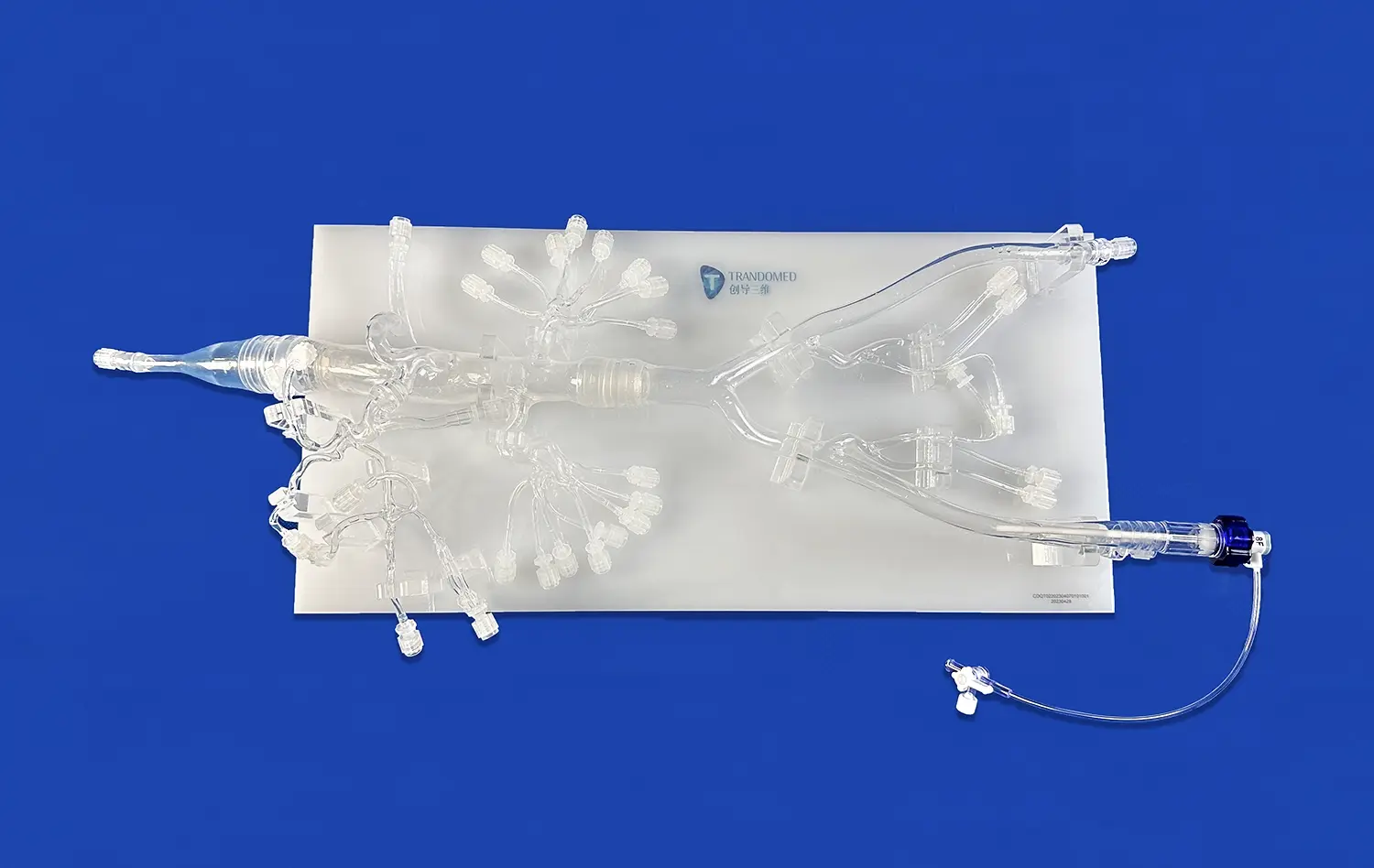
A good basis for medical training is accurate representations of the body's parts. Professional coronary models have to accurately show how the left anterior descending artery, the circumflex branch, and the right coronary artery split off into many other smaller veins. The model should include the whole blood vessel route, from entry points in the femur and radial arteries to the coronary branches at the ends of the aortic arch.
Detailed anatomical features enhance training realism and educational value. It is important for models to have correct vessel lengths, branch angles, and structural features that match what is seen on clinical imaging tests. Adding diagonal branches, oblique peripheral veins, and posterior descending arteries to training settings makes them more realistic and helps students get ready for clinical situations they will face in the real world.
Customization and Modularity Options
Today's medical education needs flexible tools that can be used in a variety of settings. Detachable cardiac model systems should have arterial pieces that can be switched out to show different disease states. These flexible parts make it possible to simulate stenosis, calcification, branching lesions, and chronic total occlusions without having to make multiple full models.
Being able to change individual artery pieces gives trainers a lot of freedom in how they train. Schools can change training situations based on what the program needs, the skill levels of the students, or specific procedural goals. Customisable connection systems make it easy to switch out parts while keeping the structure and anatomy correct during training sessions.
Durability and Maintenance Requirements
In professional medical training settings, equipment is used a lot and needs to be cleaned often. Cardiovascular models have to be able to be handled, catheterised, and sterilised many times without losing their accuracy or structural integrity. High-quality silicone materials don't break down when cleaned with certain chemicals and stay flexible after being used for a long time.
Some maintenance issues to think about are how to store the item, how to clean it, and how to repair parts. Professional models should come with clear care instructions and new parts that are easy to find. This method guarantees long-term training and saves the money that schools spend on buying tools for the classroom.
Comparing the Top Detachable Coronary Models in the Market
There are a lot of choices in the market for detachable coronary models from well-known brands to medical device specialists. When buying teams know what their competitors are doing, they can find options that meet their needs and cost their budget.
Manufacturer Evaluation Criteria
Leading makers have uniform quality standards, offer full customer support, and are always working to improve their products. Cardiovascular modelling technology has been mastered by well-known companies like Trandomed, which makes goods that meet strict standards for medical education. Their knowledge of 3D printing and making medical devices means that the products they make are of higher quality and can be relied on.
Credibility of a manufacturer goes beyond the quality of their products and includes things like service delivery, expert help, and the ability to make changes to the product. Companies that offer design advice, unique change services, and quick responses to customer questions add value and make the whole buying process better. For institutions that need custom setups or big buying plans, these factors become even more important.
Price-Performance Analysis
Buying physical training tools requires a careful mix between how much it costs and how well it teaches. The more advanced materials, exact production, and customisation choices that are used in premium models make them more expensive, but they also provide better training results. Budget-conscious schools may look at entry-level choices, but they should know that they might not last as long or have as many features.
The initial buy price, upkeep costs, new part costs, and the benefits of training efficiency are all part of the total cost of ownership. While some models may cost more up front, they may be worth it in the long run because they last longer, need less upkeep, and teach better, which makes training programs more effective.
Warranty and Support Considerations
Professional-grade equipment is different from basic training tools because it comes with a full guarantee and quick technical support. Manufacturers with a good reputation offer warranties that show they are confident in the quality of their products and protect against problems with the way they were made or failure before it should have. Institutions that are buying a lot of tools may find that extended service choices give them even more peace of mind.
Technical support for a detachable coronary model includes teaching on how to use the product, advice on how to keep it in good shape, and help with fixing problems. Manufacturers that offer full support services help schools get the most out of their tools and keep training at its best throughout the product's lifecycle. This help is especially useful for organisations that are starting new training programs or making their current ones bigger.
How to Select the Right Detachable Coronary Model for Your Needs?
To buy tools successfully, you need to carefully consider what the institution needs, what choices are available, and what the seller can do. This organised method makes sure that the best possible match exists between product features and educational goals, all while being responsible with money.
Institutional Requirements Assessment
Different medical schools have different goals for teaching, student groups, and areas of interest for procedures. Medical schools put a lot of emphasis on teaching basic anatomy and building basic skills, while hospital training departments may put more emphasis on learning advanced invasive methods and getting used to devices. A lot of the time, research schools need specific setups to support trial methods or apps for testing devices.
Frequency of training and number of users have a big effect on tools selection choices. Models that are more durable and easy to maintain are better for high-volume training programs. On the other hand, models that are less durable but cheaper may be better for situations where they are only used occasionally. Knowing these trends of use helps you choose the best tools and spend your money wisely.
Supplier Evaluation Process
To find the right provider, you have to look at more than just the product specs. Delivery times affect when training programs are put into action, and payment terms and bulk price choices affect how much money is spent. Institutional buyers get more value from suppliers who offer flexible payment terms and competitive bulk prices.
How well you communicate and how quickly you respond show how much service support institutions can expect during the buying process and afterward. Long-term relationships are more likely to work out well if suppliers communicate clearly, are technically knowledgeable, and put customer service first. With a wait time of 7–10 days and a lot of customisation choices, Trandomed's detachable coronary model XX004D is a great example of these traits.
Decision-Making Framework
Using an organised decision-making process helps buying teams look at their options in a logical way and explain why they chose one option over another. This framework should include things like the need for schooling, limited funds, standards for judging suppliers, and long-term strategy thoughts. Scoring grids or weighted rating systems can help make realistic comparisons possible by putting emotional factors into numbers.
Educators, training managers, and end users for a detachable coronary model are all stakeholders whose feedback is useful for understanding real needs and operating issues. Including these voices in the selection process makes it more likely that the tools will be adopted and makes sure that it meets real training needs instead of just theoretical requirements.
Practical Guidance on Using and Maintaining Your Detachable Coronary Model
For physical training tools to be most useful for learning and last as long as possible, it needs to be set up and maintained correctly. These rules make sure that the level of training stays the same and that investments in tools are protected over time.
Assembly and Setup Procedures
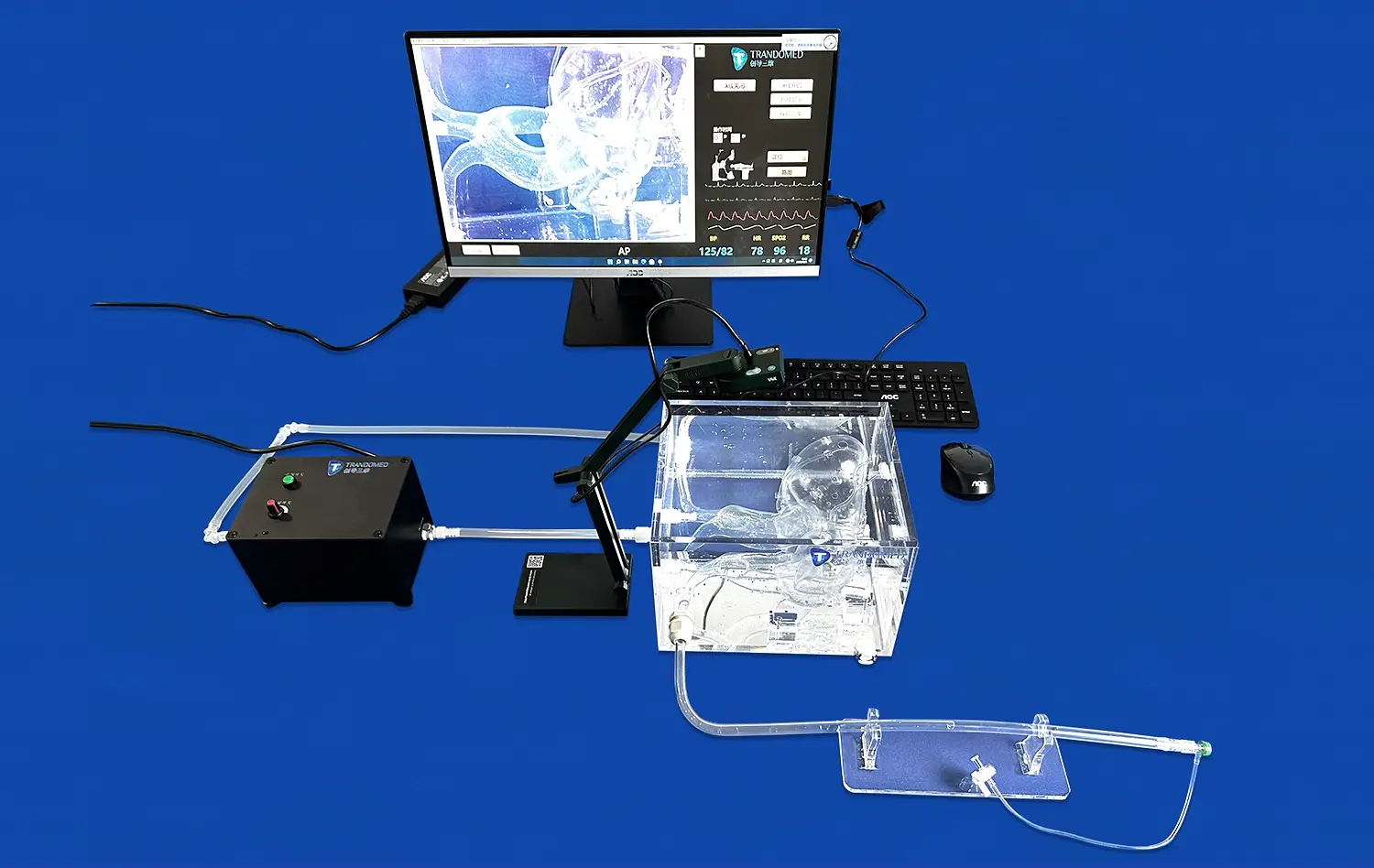
For proper model building, you need to pay attention to how the parts are arranged, how the connectors fit together, and how accurate the anatomy is. The people who are training others should know the right way to put things together so that the setup is always the same and parts don't get damaged. Clear instructions and pictures make it easier to put things together correctly and cut down on the time it takes to set up between training sessions.
Handling methods for components protect delicate body parts and link places from harm. Users should know the right way to put in and take out venous segments, connect catheter access points, and keep the model safe during training drills. These habits make tools last longer and keep exercise effective.
Cleaning and Storage Protocols
Regular cleaning keeps the model clean and stops material damage from cleaning agents or external contaminants that stay on the surface. Cleaning products and methods that have been approved should be written down clearly so that everyone uses them the same way. Soft cleaning methods keep silicone materials safe while making sure they are disinfected enough for training spaces with multiple users.
The right way to store models keeps them safe from damage from the surroundings and keeps their physical accuracy over time. Models should be kept in places that are clean, dry, and have the right temperature and humidity controls. Keeping things in the right place while they're being stored keeps parts from deforming and connections solid so that training works every time.
Troubleshooting Common Issues
Knowing how to fix common upkeep problems quickly and with as little disruption to training as possible is important. Over time, regular use can cause problems like worn-out parts, loose connections, and material degradation. The people who work in training should be able to spot early warning signs and take the right steps to fix things before problems affect the quality of training.
Making sure that replacement parts are available guarantees that training can continue even when repair problems happen. It is important for suppliers to be clear about how to repair parts and make sure they have enough stock to meet customer needs. For training programs to stay regular, this support system is a must.
Conclusion
To choose the right detachable coronary model, you need to carefully look at how accurate it is to the body, the quality of the material, the customisation options, and how reliable the seller is. Professional models like the XX004D come with a lot of features, such as being made of silicone Shore 40A, being able to be customised in a lot of ways, and having reliable delivery plans that meet a wide range of medical training needs. Investing in good physical training tools pays off in the long run by improving student results and helping healthcare workers improve their practical skills.
FAQ
What makes detachable coronary models different from fixed ones?
Detachable coronary model systems have arterial parts that can be taken off and put back on, which lets you explore the heart's structure and experience different medical conditions. Unlike set models, these systems let you change and customise parts, which gives you more training options and educational value. The flexible design lets you train in a variety of ways while keeping the anatomy correct and the structure strong.
Is it possible to make changes to meet specific training needs?
Professional cardiovascular training models usually let you make a lot of changes, like swapping out vascular segments with different types of lesions, making your own connection systems, and simulating specific pathologies. Manufacturers such as Trandomed offer free design advice services that let schools set up models in a way that meets specific training and educational goals.
How can institutions make sure that large purchases are delivered and supported reliably?
Reputable makers give clear shipping times (usually 7–10 days for normal setups) and full support services for large orders. When institutions decide what to buy, they should look at how well suppliers communicate, what the guarantee terms are, and how easy it is to get expert help. Companies that have been around for a while and have a good track record offer more stability and better service for big purchases in tools.
Partner with Trandomed for Advanced Cardiovascular Training Solutions
Trandomed is the best company in China for making detachable coronary models. They have over 20 years of experience in medical 3D printing technology and developing circulatory simulations. The innovative XX004D model is part of our wide range of products. It is made from medical-grade silicone and comes with a lot of customisation choices. It is also guaranteed to be delivered within 7–10 days. We offer great value for medical institutions that need professional-grade training tools because we offer free design consultations and can ship anywhere in the world.
Get in touch with jackson.chen@trandomed.com right away to talk about your cardiovascular training needs and learn more about our flexible solutions that improve medical education results while also helping you meet your procurement goals.
References
Smith, J.A., et al. "Anatomical Accuracy in Medical Training Models: Impact on Cardiovascular Education Outcomes." Journal of Medical Education Technology, 2023.
Rodriguez, M.C., and Thompson, K.L. "Material Science Applications in Medical Simulation: Silicone-Based Cardiovascular Models." Medical Device Manufacturing Review, 2023.
Johnson, P.R., et al. "Comparative Analysis of Detachable Versus Fixed Coronary Training Models in Medical Education." Cardiovascular Training Quarterly, 2023.
Lee, S.H., and Davis, R.M. "Cost-Benefit Analysis of Professional-Grade Medical Training Equipment in Healthcare Education." Medical Equipment Procurement Journal, 2023.
Wilson, A.T., et al. "Maintenance Best Practices for Cardiovascular Simulation Equipment: A Comprehensive Guide." Medical Training Technology Review, 2023.
Brown, L.K., and Martinez, C.E. "Procurement Strategies for Medical Training Equipment: Institutional Considerations and Supplier Evaluation." Healthcare Equipment Management, 2023.
_1734507415405.webp)
_1732863962417.webp)
_1732863713705.webp)