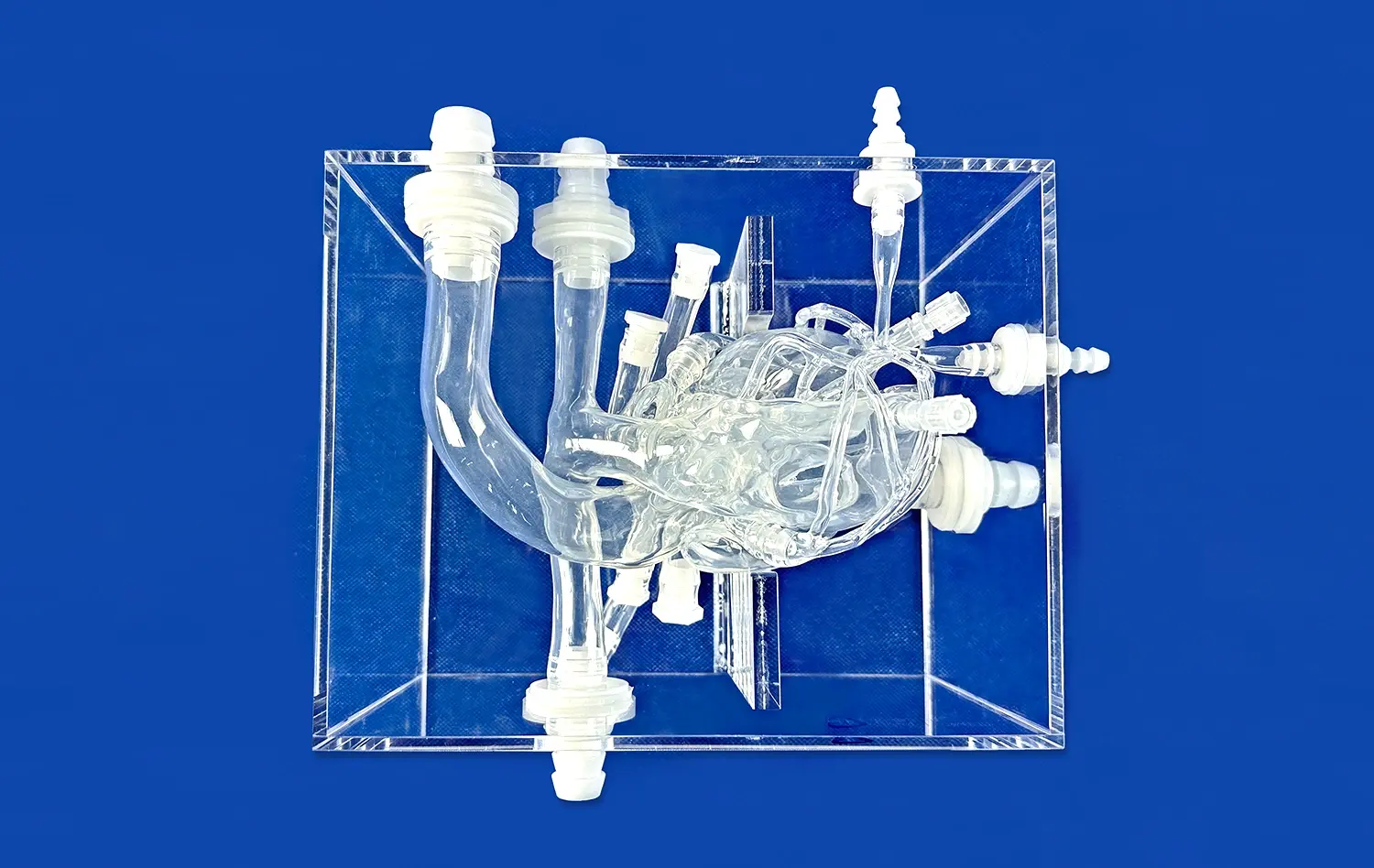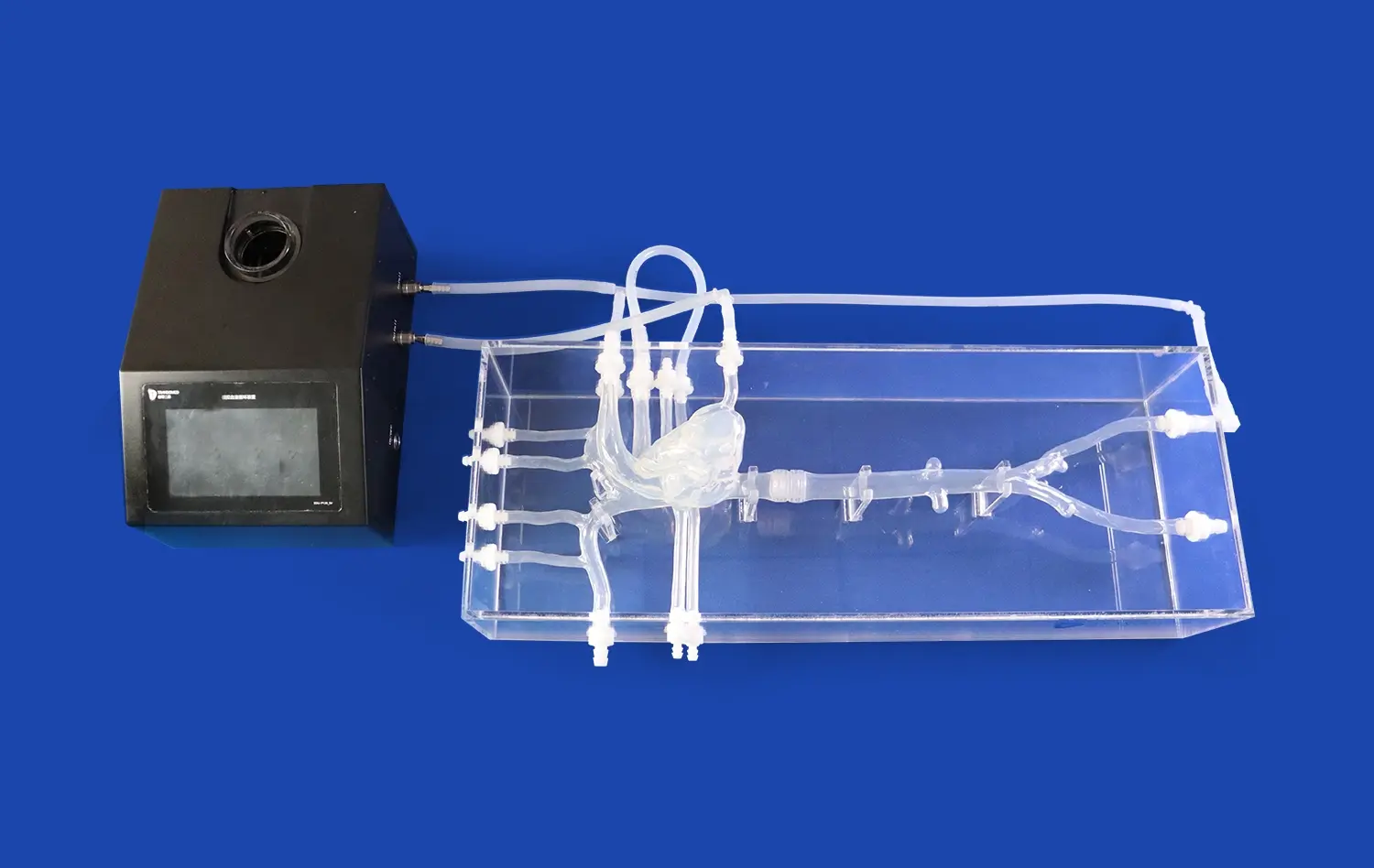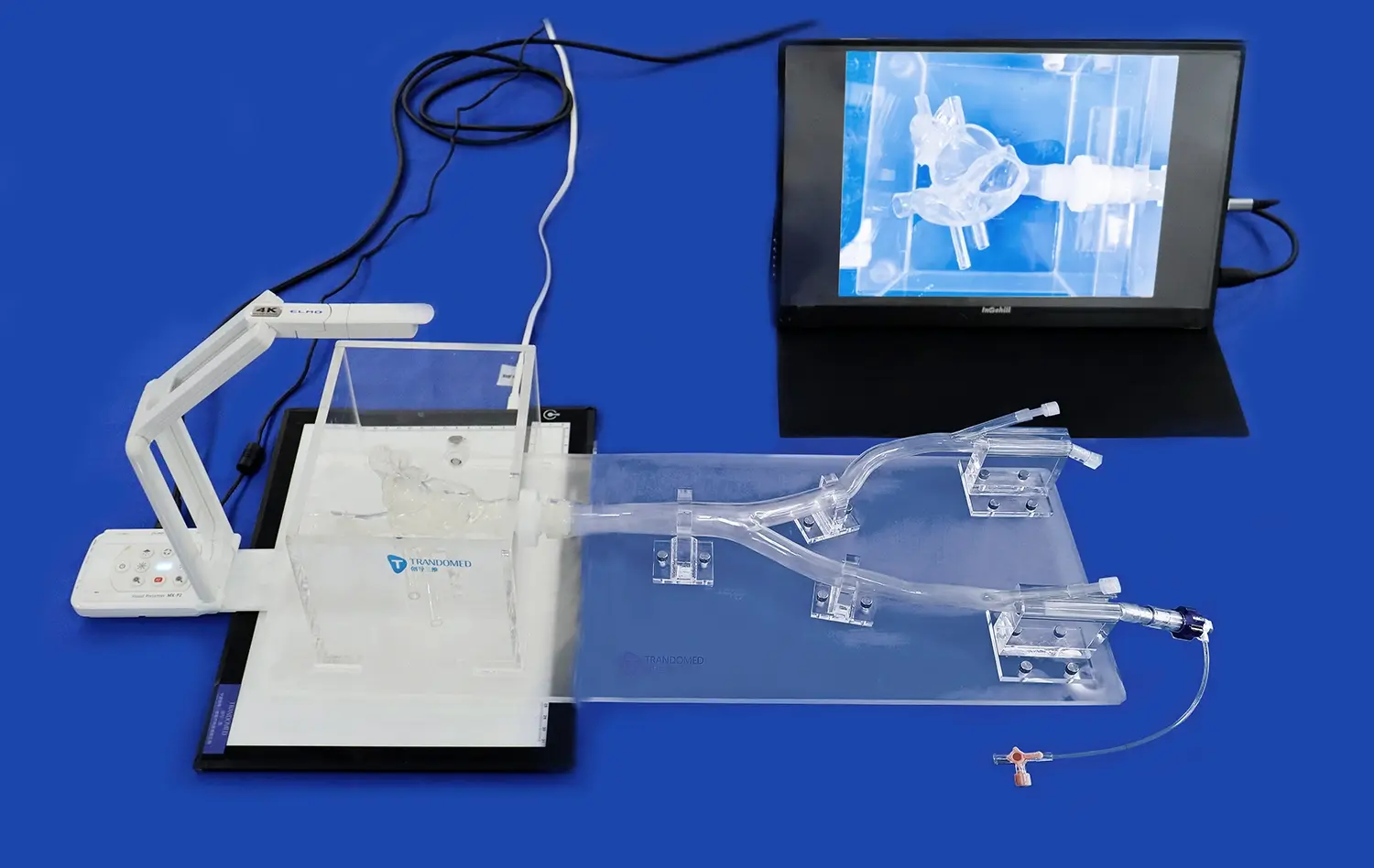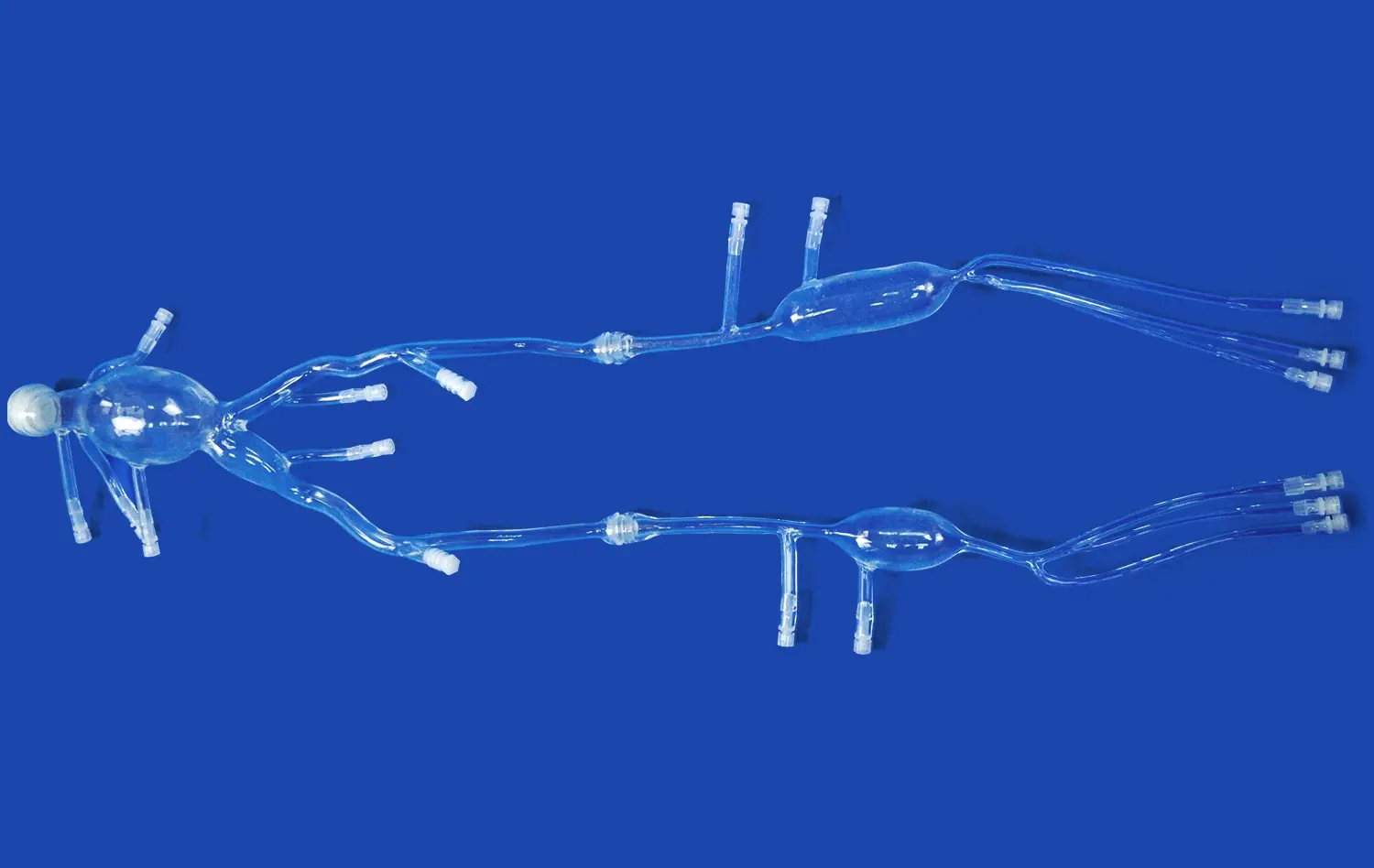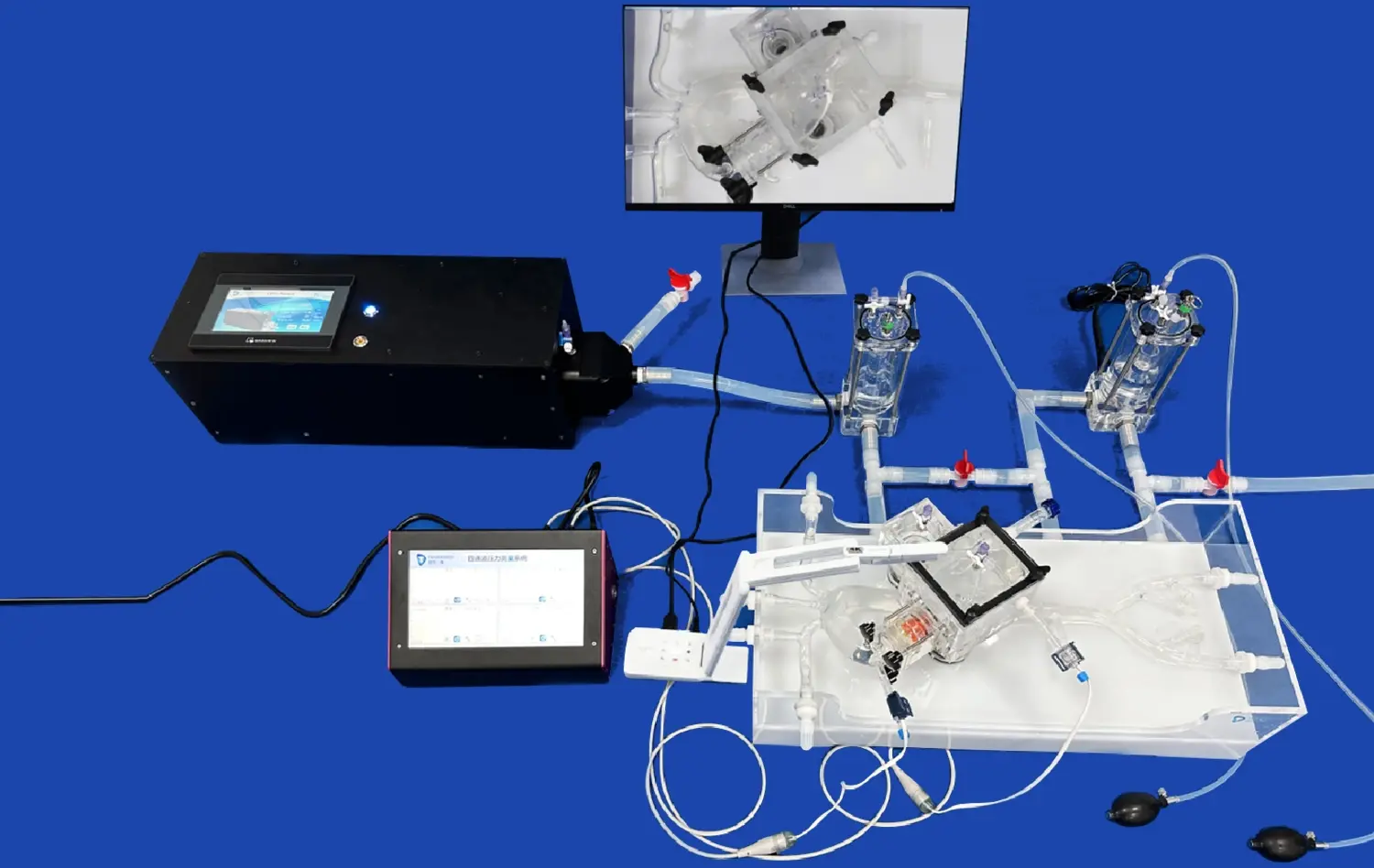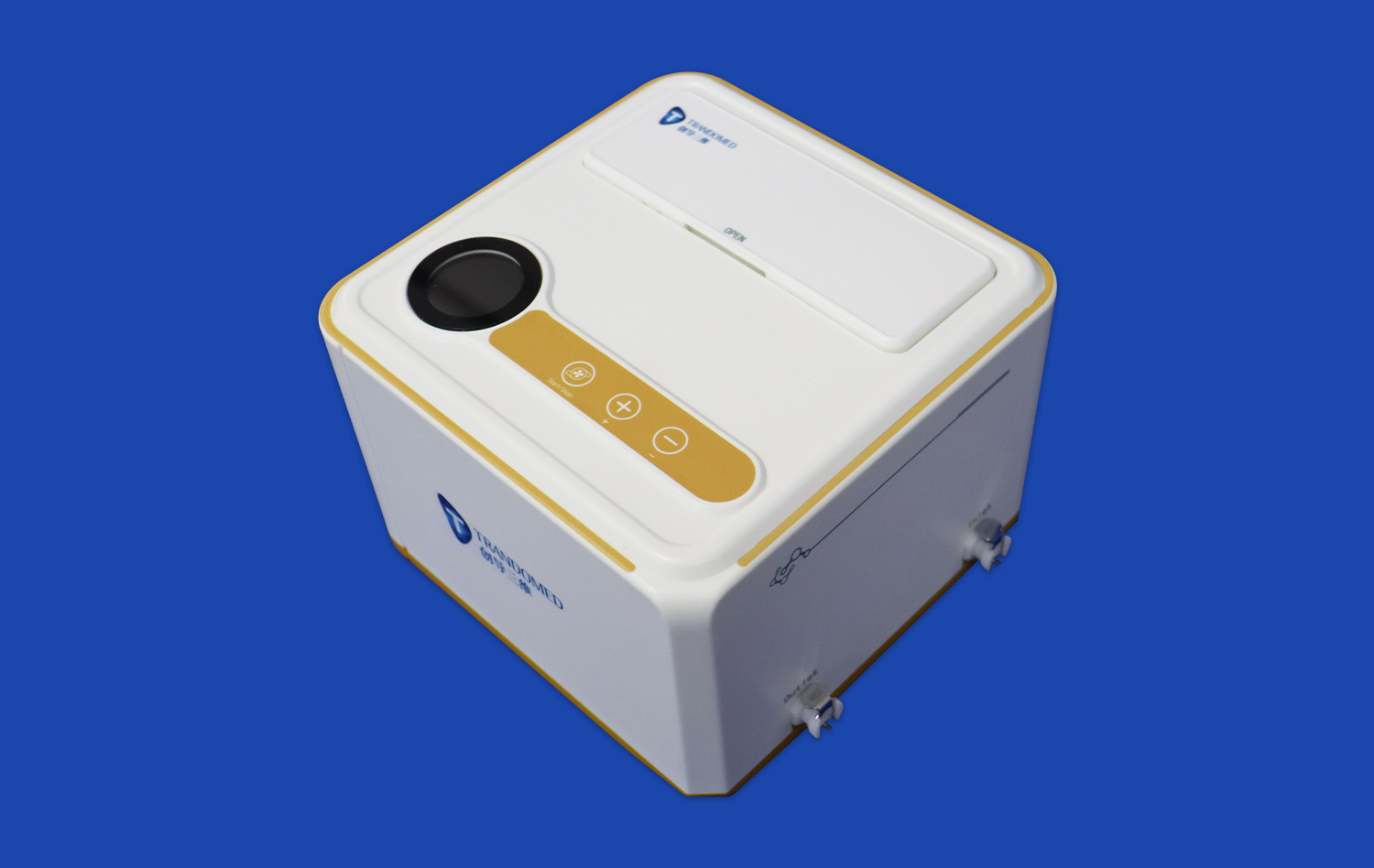

To be effective, carotid artery 3D training models need to have certain qualities that help people learn a wide range of skills. Medical institutions can make better choices about the right training tools when they understand these traits.
What Is a Carotid Artery 3D Model Used for in Thrombectomy Training?
2026-02-27 09:00:04
A carotid artery 3D model is an advanced medical simulation tool specifically designed for thrombectomy training, providing healthcare professionals with realistic anatomical representations of the carotid vascular system. These sophisticated models enable medical practitioners to practice complex neurovascular procedures in a controlled environment, enhancing their understanding of intricate carotid anatomy. The carotid artery 3D models serve as invaluable educational resources for medical institutions, allowing students and experienced surgeons to develop proficiency in thrombectomy techniques while minimizing patient risk during actual procedures.
Understanding Carotid Artery 3D Models in Medical Training
These days, teaching medicine needs new ways of doing things that connect what you learn in the classroom with what you do in real life. Anatomical models of the carotid artery are a big step forward in neurovascular training methods. They give healthcare workers learning possibilities that have never been seen before.
Advanced Technology Behind 3D Vascular Models
Carotid artery 3D models are made with advanced imaging technologies like 3D ultrasound, CT, and MRI to show the anatomy very accurately. The advanced methods used in these models, like 3D reconstruction, rendering, and animation, make it possible to show vascular systems in great detail. Multiple imaging techniques work together to make sure that every anatomical feature is recorded accurately, giving students a full picture of the carotid system.
Medical-grade materials like Silicone Shore 40A, which provides the best physical feedback and longevity, are used in conjunction with cutting-edge 3D printing technology to make the products. This choice of materials makes sure that the models keep their shape even after many training lessons. They also give the models lifelike tissue-like properties that make learning more fun.
Overcoming Traditional Training Limitations
Traditional 2D images and studies on dead bodies have big problems when it comes to teaching thrombectomy. Images that are static don't show how blood flows and vessels move in real time, and cadaveric examples may not always show the abnormal conditions that doctors see in patients. Three-dimensional arterial models solve these problems by giving doctors accurate, moving pictures that help them understand the complicated structure of the carotid artery.
These models are very accurate, which is important for learning how to do thrombectomy treatments because they help doctors see how different arterial structures fit together in space. This complete understanding leads directly to better results for students in school and for patients in clinical practice.
Core Features and Capabilities of Carotid Artery 3D Models for Thrombectomy
Anatomical Accuracy and Precision
Modern carotid training models are very good at re-creating the anatomy, which allows for accurate 3D modeling that includes important vascular differences needed for thrombectomy training. The models show in great detail the features of the anterior cerebral artery, the middle cerebral artery, and the internal carotid artery. The M1 section of the middle cerebral artery gets extra attention because it often has artificial embolism lesions for more accurate training.
Medical workers can find small differences in anatomy that might affect how they do surgery because of the amount of detail in these models. This accuracy helps students learn how to tell the difference between things they see, which is important for successfully performing thrombectomy treatments on a wide range of patients.
Interactive Simulation Capabilities
Users can change the model in a lot of ways with advanced modeling tools. This lets them do virtual dissections and step-by-step process walkthroughs that are very close to real-life operations. Learners can get quick feedback from these interactive features, which helps them understand what happens when they choose different surgical methods and devices.
The simulations can do more than just show images; they can also include haptic feedback systems that make the feelings you have when you touch things during real processes. This multisensory method makes learning a lot more fun and helps people get the hand-eye coordination they need for successful thrombectomy procedures.
Integration with Multimodal Imaging Systems
Integrating different types of imaging technologies, like CT, MRI, and ultrasound, allows for real-time procedure training, which improves the hands-on experience and makes it more like clinical practice. This combination lets students connect what they see on imaging tests with things inside the body, helping them learn both important diagnostic skills and how to do procedures.
All of these features make sure that the training tool meets the high standards of professional education while also helping people understand procedures better. When you mix visual, tactile, and technological elements, you get an immersive learning experience that gets healthcare workers ready for how complicated thrombectomy treatments are in real life.
Comparing Carotid Artery 3D Models and Visualization Tools for Training Applications
When medical schools choose teaching tools, they have to make big decisions because each one has pros and cons that affect how well students learn.
Evaluating Model Options and Quality Standards
When deciding between free and paid carotid artery 3D models, you should carefully consider things like the ability to make changes, the quality standards, and the availability of ongoing expert help. Commercial choices usually offer more accurate anatomy details, higher dependability, and more thorough user support, all of which directly lead to better training results.
There are a lot of well-known companies on the market that make a wide range of goods that are very different in how accurate, useful, and cost-effective they are. Large, well-known companies like Trandomed have become experts in medical modeling technology. They have over twenty years of experience making accurate models of the body's structures that are used for neurovascular training.
Physical Models versus Virtual Visualization Systems
Whether you choose physical 3D printed models or virtual 3D visualizations relies on your training goals and the needs of your school. Physical models give you real-world input through touch and let you manipulate them in ways that are very similar to what happens in surgery. These models help students learn the hand-eye coordination needed for guiding catheters and putting devices in place during thrombectomy treatments.
Virtual models are great for schools with big training programs or small budgets because they can be used over and over again and can be scaled up or down as needed. Digital systems can handle multiple people at the same time and offer consistent training in different places, which helps with large-scale educational projects.
Combining real and virtual training is often the best way to make complete educational programs that meet the needs of people with different learning styles and training requirements.
Procurement Considerations When Choosing a Carotid Artery 3D Model for Your Organization
To do procurement right, you need to carefully plan and think about the goals of the company, the technical requirements, and your budget.
Essential Selection Criteria and Requirements
To do effective procurement, you must first have a clear picture of your organization's training needs, professional skills, and budgetary constraints. Anatomical realism, software compatibility, provider stability records, quick customer service, and ongoing product updates and support are some of the most important things to look at when making a choice.
Medical schools should give more weight to providers of carotid artery 3D who have a track record of being good at medical simulation technology and who offer full customization services. Training models can be used for a wide range of teaching situations and patient-specific case studies because they can change anatomical traits like aneurysm locations, stenosis degrees, and vessel tortuosity.
Purchasing Options and Service Agreements
There are a lot of different ways to buy things, from full equipment rights and downloadable digital material to physical models that are made just for a school. Full service level agreements and guarantee terms help protect investments and keep operations running smoothly throughout the span of a product.
Leading makers like Trandomed offer customization services that are both appealing and don't cost extra for the design. This is a great deal for schools that need specialized training solutions. The normal lead time of 7–10 days allows for on-time application of the training program, and the fact that there are many shipping choices, such as FedEx, DHL, EMS, UPS, and TNT, ensures reliable delivery around the world.
By carefully looking at these buying factors, medical schools that want to improve their thrombectomy teaching programs can lower operating risks and get the most out of their money.
Future Trends and Innovations in Carotid Artery 3D Modeling for Medical Training
The medical simulation business is changing quickly because of new technologies and changing educational needs. These changes will affect how thrombectomy training is done in the future.
Technological Advancements Shaping Model Development
New developments in image technologies, such as better 3D ultrasound and MRI systems, keep making models clearer and more accurate of the human body. Because of these improvements, it is now possible to make training tools that are more advanced and can catch subtle anatomical features that were hard to repeat in simulations before.
The use of artificial intelligence is starting to automate rebuilding processes, which will greatly shorten the time it takes to make models while still keeping the highest standards of accuracy. A lot of imaging studies of patients can be analyzed by machine learning algorithms, which can then build representative anatomical changes that improve training variety and clinical usefulness.
Immersive Technology Integration
The combination of virtual reality and augmented reality is a huge step forward in medical simulation. It makes training settings that are more like real thrombectomy treatments than ever before. These technologies make learning a lot more fun and allow people to get better at difficult procedures in safe, controlled environments.
More and more people want customized, on-demand model production, which lowers costs and makes training options available to more people around the world. This opening up of advanced medical education tools to more people helps improve health results in a wide range of places and institutions.
Conclusion
Carotid artery 3D models are important tools for current thrombectomy training because they use advanced simulation technology to give students learning chances that have never been seen before. These complex models help healthcare workers learn important skills in safe, controlled settings by bridging the gap between what they know in theory and what they can do in practice. Because they are accurate in terms of anatomy, can be used interactively, and can be customized, these models are great purchases for medical schools that want to provide the best neurovascular education. As technology keeps getting better, these training tools will get even better, which will help patients get better care by improving medical education.
FAQ
What are the main applications of carotid artery 3D models in medical education?
Carotid artery 3D models can be used for many educational purposes, such as teaching anatomy, practicing medical skills, and simulating procedures. These models let medical students, residents, and working doctors practice thrombectomy methods, learn about the complicated anatomy of arteries, and get better at neurovascular procedures without putting patients at risk.
How do physical 3D models compare to virtual simulation systems?
Physical 3D models let you feel things and move things around in a way that is very similar to what happens in real surgery. Scalability and frequent use are two benefits of virtual systems that make it possible for big training programs and standardized learning experiences to happen. For complete training programs, many organizations find it helpful to use both methods together.
What customization options are available for carotid artery training models?
Modern carotid models can be easily customized to fit the needs of each patient. These models can change the number, size, and location of aneurysms, as well as the degree of stenosis, the amount of vessel tortuosity, and the patient's unique anatomy. With these customizing options, institutions can make a wide range of training settings that are more like the complicated situations that doctors face in real life.
What materials are used in manufacturing carotid artery 3D models?
Medical-grade materials, like Silicone Shore 40A, are used to make high-quality artery models. This material has true tissue-like properties and is very durable. This choice of materials makes sure that models keep their shape through multiple training classes and provides the best physical feedback for practicing procedures in a real-life setting.
Partner with Trandomed for Advanced Carotid Artery 3D Training Solutions
Trandomed's full simulation options are a good choice for medical schools that want better carotid artery 3D training models. Our SJJ004D-01 Carotid Artery model is very accurate in terms of anatomy and has features that can be changed, such as aneurysm sites and narrowing degrees. Trandomed has been making medical simulation technology for more than 20 years and is a trusted carotid artery 3D maker that gives schools all over the world high-quality training tools. Our promise to customize without charging extra for design work, along with our fast 7–10 day delivery times, makes sure that your training programs keep going. Get in touch with jackson.chen@trandomed.com to talk about your unique needs and find out how our cutting-edge modeling technology can help your thrombectomy training programs.
References
Johnson, M.K., et al. "Advanced 3D Modeling Techniques for Neurovascular Training: A Comprehensive Review of Thrombectomy Simulation Methods." Journal of Medical Simulation Technology, 2023.
Chen, L.W., Thompson, R.S., and Martinez, A.P. "Effectiveness of Physical Versus Virtual Carotid Artery Models in Medical Education: A Comparative Analysis." Medical Education Innovation Quarterly, 2023.
Rodriguez, S.T., et al. "Customizable Anatomical Models for Thrombectomy Training: Impact on Surgical Competency Development." Neurovascular Education Review, 2022.
Williams, K.J. and Davis, M.H. "Integration of 3D Printing Technology in Medical Simulation: Applications for Carotid Artery Procedure Training." Healthcare Simulation Advances, 2023.
Anderson, P.L., et al. "Material Science Considerations in Medical Simulation: Optimizing Silicone-Based Vascular Models for Training Applications." Biomedical Materials Research, 2022.
Taylor, N.R., Shah, V.K., and Brown, C.M. "Future Directions in Thrombectomy Training: Virtual Reality and Augmented Reality Applications in Carotid Artery Simulation." Medical Technology Frontiers, 2023.