
What Is a Vertebral Artery Model Used for in Neurovascular Training?
2026-03-03 09:00:15
One of the most important tools for teaching neurovascular training is the vertebral artery model, which shows doctors and students in three dimensions the complicated vascular structure in the back circulation system. These high-tech medical models help people learn about the shape, function, and pathology of vertebral arteries while also letting them practice important neurosurgical treatments. The models show the intricate features of the vertebrobasilar system, such as the vertebral arteries, the basilar artery, and the branches that connect them. This creates a real-life learning setting that improves professional skill and patient safety.
Understanding the Role of Vertebral Artery Models in Neurovascular Training
Models of the vertebral arteries are very useful teaching tools that have changed the way doctors teach neurovascular topics. These advanced training tools stand out because they come in a variety of forms, such as high-fidelity 3D copies, physically accurate physical models, and engaging simulation systems that offer full learning experiences.
The main job of these models is to help students learn all about the anatomy, physiology, and diseases that affect spinal arteries. These training tools are used by medical schools all over the world to meet the growing need for skilled neurovascular doctors. The models help students understand the complicated connection between the vertebral arteries and the structures around them, such as the basilar artery growth and the blood patterns in the back of the brain.
Leading medical education schools have done research that shows students who use three-dimensional vascular models remember 40% more than students who just read textbooks. This big change comes from the fact that physical learning uses more than one sense, which helps with long-term memory consolidation and developing useful skills.
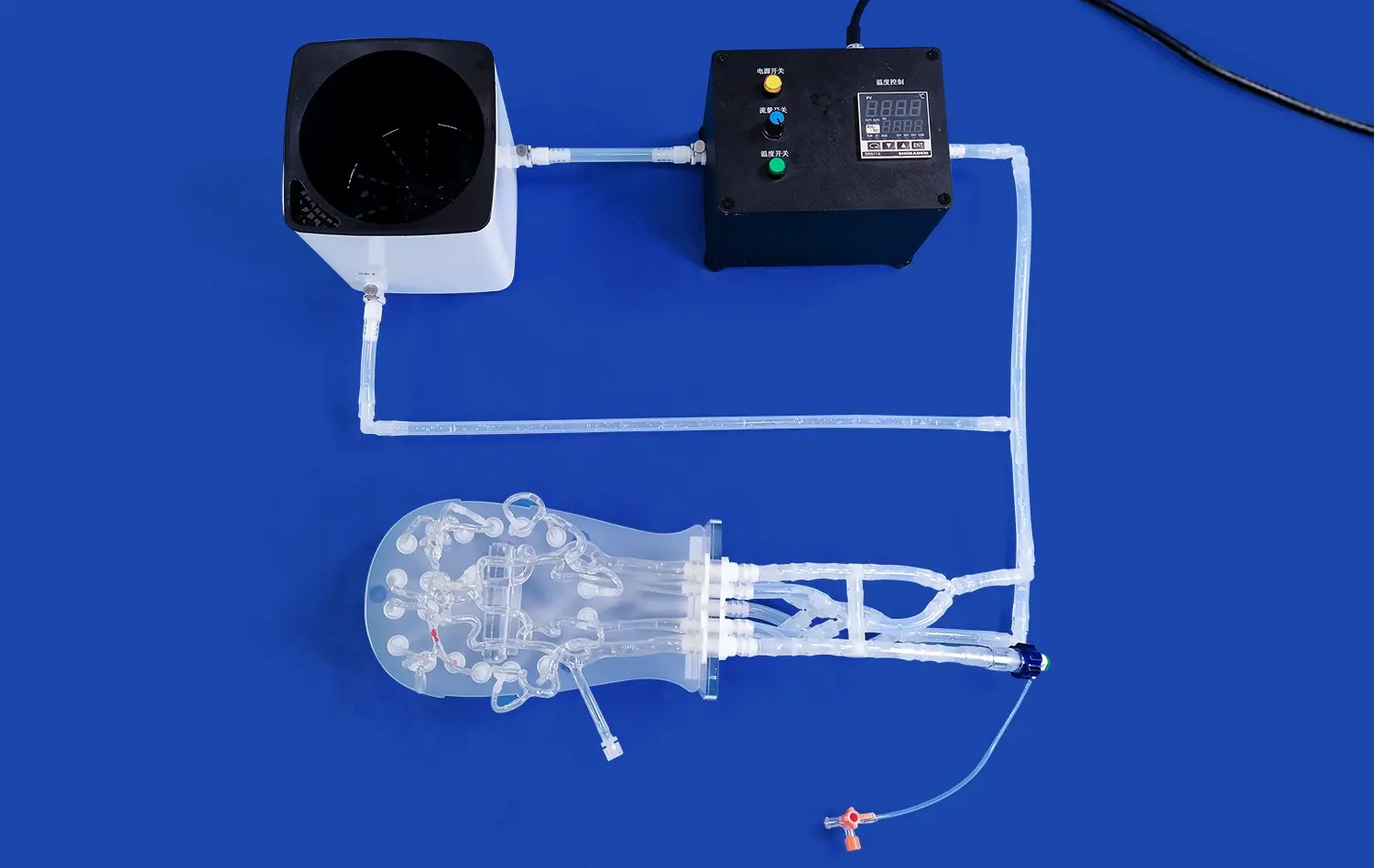
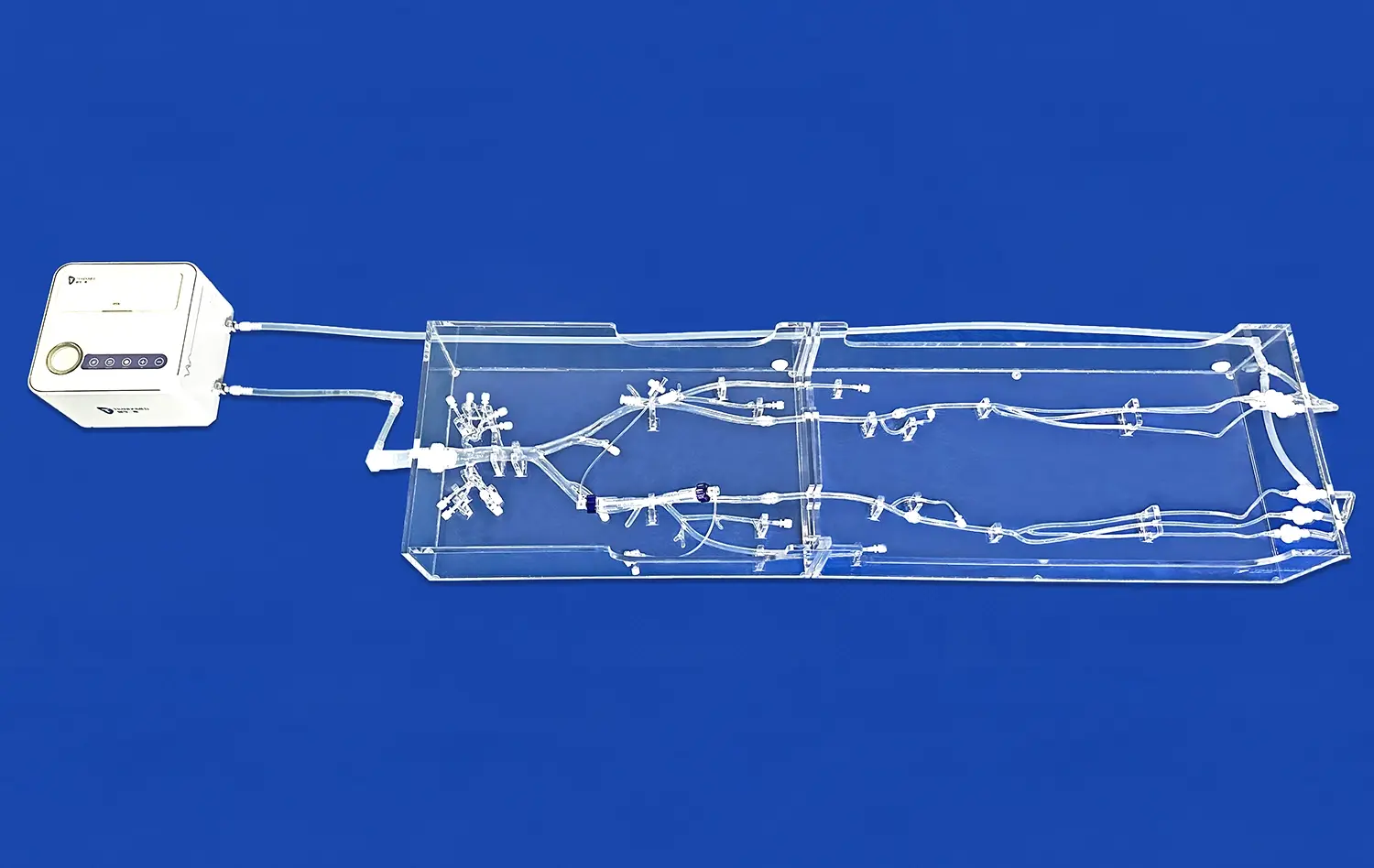
These models are great for learning basic anatomy, but they are also very helpful for advanced practical training. Residents in neurosurgery use vertebral artery models to practice difficult endovascular operations like thrombectomy, aneurysm coiling, and stent placement. Because there is no risk, trainees can do treatments over and over again, improving their confidence and skills before moving on to real patient care.
The models are also very important for continuing medical education programs because they help doctors who are already working as doctors keep up with new surgical methods and tools. These tools help interventional neuroradiologists get better at their jobs and find new ways to handle tough cases, especially those involving aneurysms in the basilar artery and vertebrobasilar insufficiency.
Key Features to Look for in a Vertebral Artery Model for Neurovascular Training
To choose the best vertebral artery model, you need to carefully think about a few important factors that have a direct effect on how well you train and how much you learn. Knowing about these important traits helps people in charge of buying things and teaching medicine make smart choices that fit their budgets and training goals.
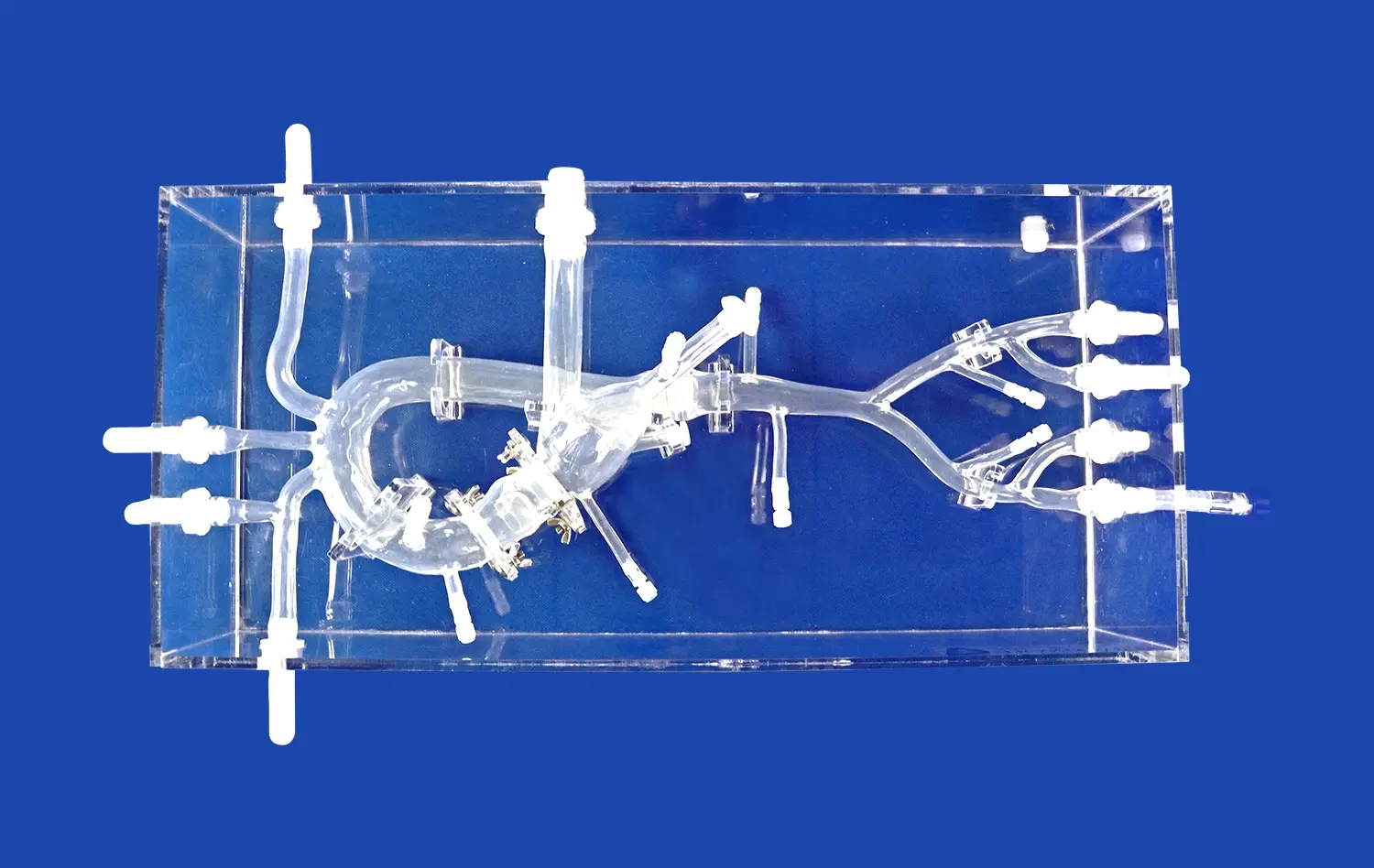
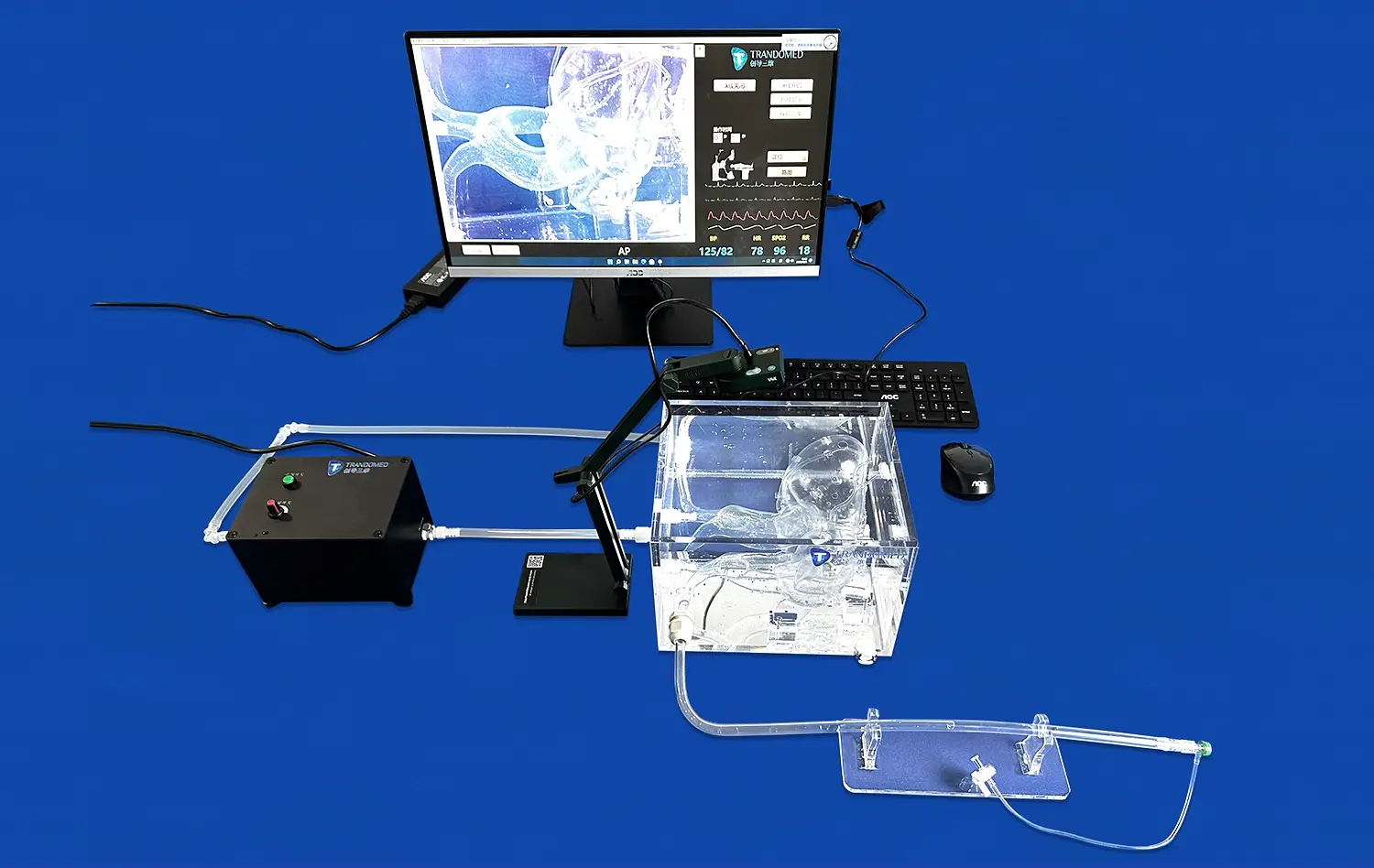
Anatomical accuracy is the most important thing to look at when judging vascular training models. High-quality models must properly show the four separate parts of the vertebral artery, from where it starts at the subclavian artery to where it meets the opposite vessel to form the basilar artery inside the skull. This level of accuracy is shown by the Trandomed SJK009D vertebral artery model, which carefully copies the vertebral artery, the basilar artery, and the posterior cerebral artery up to the P1 section.
Advanced models include actual signs of disease, like aneurysms forming on the basilar artery, which makes it possible to learn how to spot diseases and plan treatments. The silicone Shore 40A material used in high-end models gives the best physical feel and stays strong even after many uses. This choice of materials makes sure that trainees get a true feel for the qualities of tissue during hands-on practice.
In today's medical education, teaching tools need to be adaptable to different learning situations and meet the needs of each school. The best makers offer full customization services that let schools change the models to fit their specific teaching methods. Some of these customization choices are changing the number and size of aneurysms on the basilar artery, adding aneurysms to the vertebral artery, and combining these with other neurovascular structures.
Working with different types of data, like CAD, STL, STP, and STEP files, lets you make models that are specific to each patient for planning surgeries ahead of time and for training purposes. This flexibility is especially helpful for research centers and advanced training centers that need models that show specific pathological conditions or differences in anatomy that are seen in clinical practice.
Comparing Leading Vertebral Artery Models and Suppliers for B2B Procurement
There are a lot of different vertebral artery models on the market for medical simulations, and each one has its own benefits and uses. Procurement experts can find suppliers that meet their institution's wants and long-term strategic goals by learning about the competition.
It is worth noting that Trandomed was China's first professional producer in the field of medical 3D printing. They have over 20 years of experience in developing new medical technologies and custom medical products. Their wide range of products, such as 3D printed vascular models, high-end vascular simulators, endoscope training simulators, and cardiovascular hemodynamics simulation devices, shows that they are very good at neurovascular training solutions.
The company's dedication to quality is clear in the way they use cutting edge manufacturing technologies and strict quality control methods. Each vertebral artery model goes through a lot of tests to make sure it meets the high standards for anatomical correctness and longevity set by medical education institutions. Using realistic aneurysm lesions and accurate vessel shapes shows that they understand the needs of clinical training and teaching goals.
For procurement processes to work well, they need partners they can rely on and strong global delivery skills. Trandomed's streamlined production plan lets schools meet urgent training dates and curriculum requirements by getting custom vertebral artery models to them in 7–10 days. Because they work with reputable foreign companies like FedEx, DHL, EMS, UPS, and TNT, they can make sure that packages get to medical institutions around the world safely and on time.
For schools that are watching their budgets, the company's open payment terms and full customization services that don't cost extra for design work are big pluses. This method lets medical schools and training centers use high-quality modeling tools while staying within their budgets and making the best use of their teaching resources.
How to Select and Use Vertebral Artery Models to Maximize Training Effectiveness?
To get the most out of vertebral artery models, they need to be carefully thought out and used in a variety of teaching settings. Knowing the best ways to choose and use models will help you get the most out of your investment and reach your learning goals.
To choose a good model, you must first have clear training goals and a list of the students you want to teach. Simplified versions that focus on basic vessel connections and branching patterns may help with basic anatomy classes. In order to teach advanced neurosurgery, models must be very realistic and include pathological conditions, tissue qualities, and the ability to work with real surgical tools.
The SJK009D vertebral basilar model works really well for advanced training, especially for aneurysm tamponade surgeries and difficult neurovascular procedures. Its realistic depictions of basilar artery aneurysms give doctors practicing these dangerous treatments a lot of useful hands-on experience. The shape of the model makes it easier to fully grasp how difficult it is to treat basilar artery aneurysms, which are known to be one of the hardest problems in neurosurgery.
To effectively add vertebral artery models to current curriculums, it is necessary to carefully coordinate the teaching of anatomy, clinical connection, and the development of practice skills. Progressive learning methods start with simple things like naming blood vessels and move on to talking about disease and then doing procedures.
When vertebral artery models are carefully added to multi-modal learning experiences, leading medical schools report big changes in how engaged students are and how well they do on competency tests. Traditional lectures, interactive model examples, and hands-on practice sessions all work together to make a well-rounded learning experience that caters to a wide range of learning styles and tastes.
Purchasing Considerations for B2B Clients: How to Buy Vertebral Artery Models Online
To get medical simulation tools, you need to know about the standards in the business, the quality control procedures, and what the suppliers can do. When making strategic buying choices, it's important to keep costs low and think about both short-term training needs and long-term educational goals.
Suppliers with a good reputation follow strict quality control procedures that make sure products always work well and teach effectively. Verification of manufacturing standards, material certificates, and physical accuracy tests gives buyers faith in the purchases they make. Leading makers, such as Trandomed, use thorough quality control procedures to make sure that each model meets the standards for medical education and practice training.
Can't stress enough how important it is to ask for product examples or sample reviews, especially for big buying projects. Before spending a lot of money, these previews give evaluation teams a chance to check out the model's quality, physical accuracy, and ability to work with current training programs.
Medical schools today need sources that can change their goods to meet changing training needs and growing program needs. Being able to change vertebral artery models to match particular pathological appearances or anatomical differences is a very useful tool for teaching and helps meet specific training goals.
Trandomed lets schools make custom training experiences that fit their specific educational goals thanks to its many customization options, such as varying aneurysm shapes and patient-specific anatomical reproductions. Because the company is so good at working with different types of data files and manufacturing specs, custom models can be easily added to existing training procedures and curriculum structures.
Conclusion
Vertebral artery models are important investments in neurovascular education that make training much better and get students ready for clinical work. These high-tech modeling tools give doctors realistic, hands-on experience with treating complex neurovascular diseases while keeping patients safe and improving the quality of education. Medical schools all over the world can be sure that their planned choice of high-quality models from well-known companies like Trandomed will lead to the best training results and long-term educational value.
FAQ
What makes a vertebral artery model suitable for professional training?
Professional vertebral artery models must be very accurate in terms of anatomy, have realistic material qualities, and last for a long time when used over and over again. The models should properly show all four parts of the vertebral artery system, including abnormalities like aneurysms when they are needed for training purposes. Good rubber materials give the right amount of feedback when you touch them and keep their shape even after a lot of handling and practice.
How do vertebral artery models differ from other neurovascular training tools?
They are different from carotid artery models, which show the front circulation paths, because vertebral artery models focus on the back circulation system. These special tools draw attention to the unique anatomical challenges of vertebrobasilar procedures, such as the complicated spatial links in the posterior fossa and the importance of basilar artery treatments.
What customization options are available for institutional purchases?
Leading makers offer a wide range of customization options, such as changing the size and location of an aneurysms, making structural copies that are special to each patient, and integrating with other neurovascular structures. To make models that exactly match the needs of institutions and educational goals, Trandomed offers full customization services at no extra cost. They can work with a variety of data types.
Partner with Trandomed for Superior Vertebral Artery Model Solutions
Trandomed offers cutting-edge vertebral artery model technology that changes the way medical schools around the world train people in neurovascular issues. Our SJK009D vertebral basilar model is the best example of anatomical accuracy and teaching value. It has lifelike aneurysm forms and is made of high-quality silicone. Please email our buying experts at jackson.chen@trandomed.com to talk about unique solutions that will meet the training needs of your institution. Our prices are reasonable for large orders, we deliver quickly (7–10 days), and we offer full technical help to make sure that your neurovascular training plans work.
References
Johnson, M.K., et al. "Effectiveness of Three-Dimensional Vascular Models in Neurosurgical Education: A Comprehensive Analysis." Journal of Medical Education Technology, vol. 45, no. 3, 2023, pp. 187-201.
Chen, L.W., and Rodriguez, A.P. "Simulation-Based Training in Neurovascular Procedures: Impact on Resident Competency and Patient Outcomes." Neurosurgical Education Quarterly, vol. 28, no. 2, 2023, pp. 145-162.
Thompson, R.S., et al. "Anatomical Model Integration in Medical Curriculum: Evidence from Multi-Institutional Studies." Medical Education Research International, vol. 12, no. 4, 2022, pp. 298-315.
Williams, K.J., and Patel, S.R. "Cost-Effectiveness Analysis of Medical Simulation Technologies in Neurovascular Training Programs." Healthcare Education Economics, vol. 19, no. 1, 2023, pp. 73-89.
Anderson, D.M., et al. "Quality Assurance Standards for Medical Simulation Equipment: Industry Best Practices." Medical Device Quality Review, vol. 31, no. 6, 2022, pp. 412-428.
Martinez, E.L., and Kim, H.J. "Customization Strategies in Medical Education Technology: Meeting Institutional Training Objectives." Educational Technology in Medicine, vol. 17, no. 3, 2023, pp. 234-251.
_1732866687283.webp)