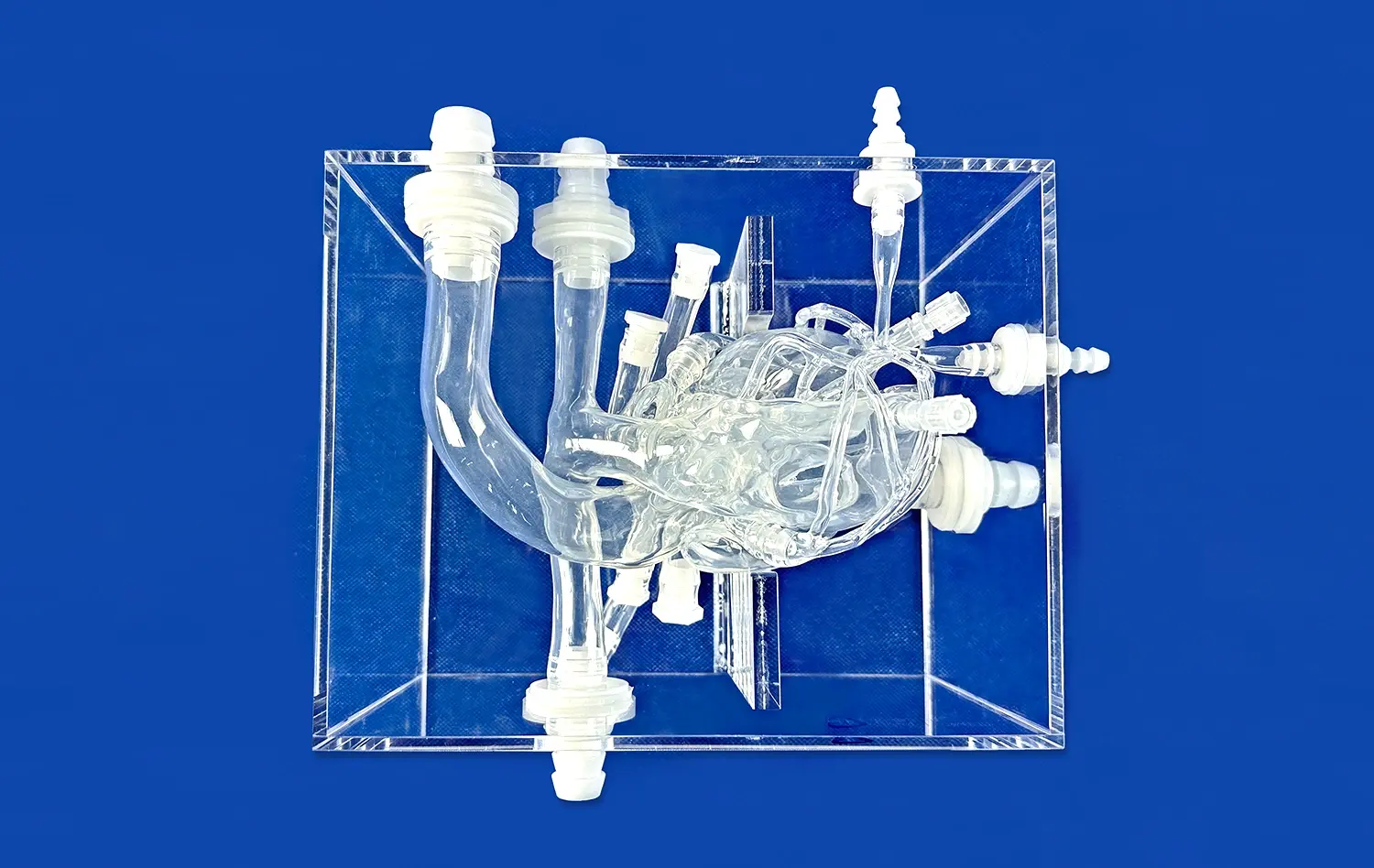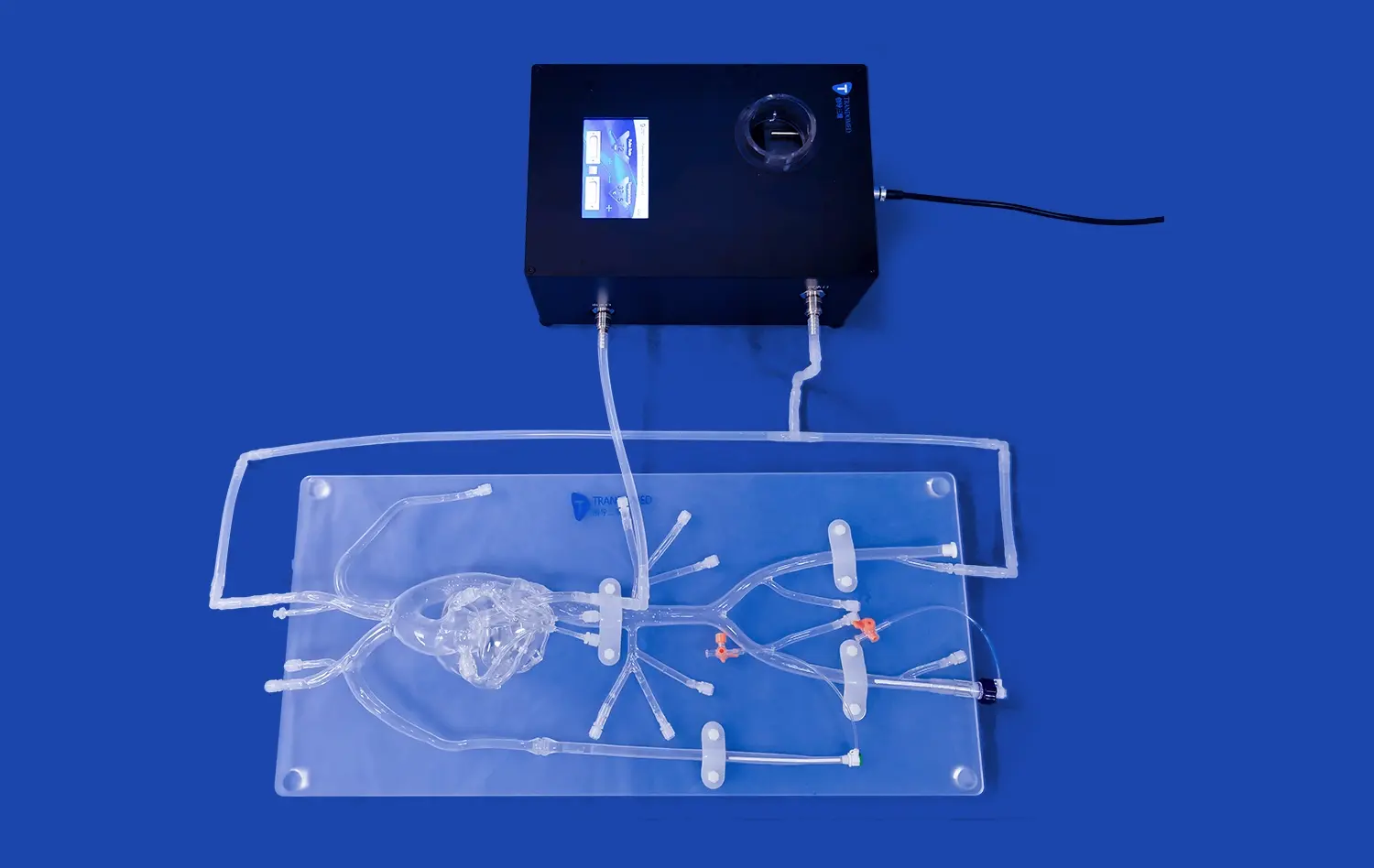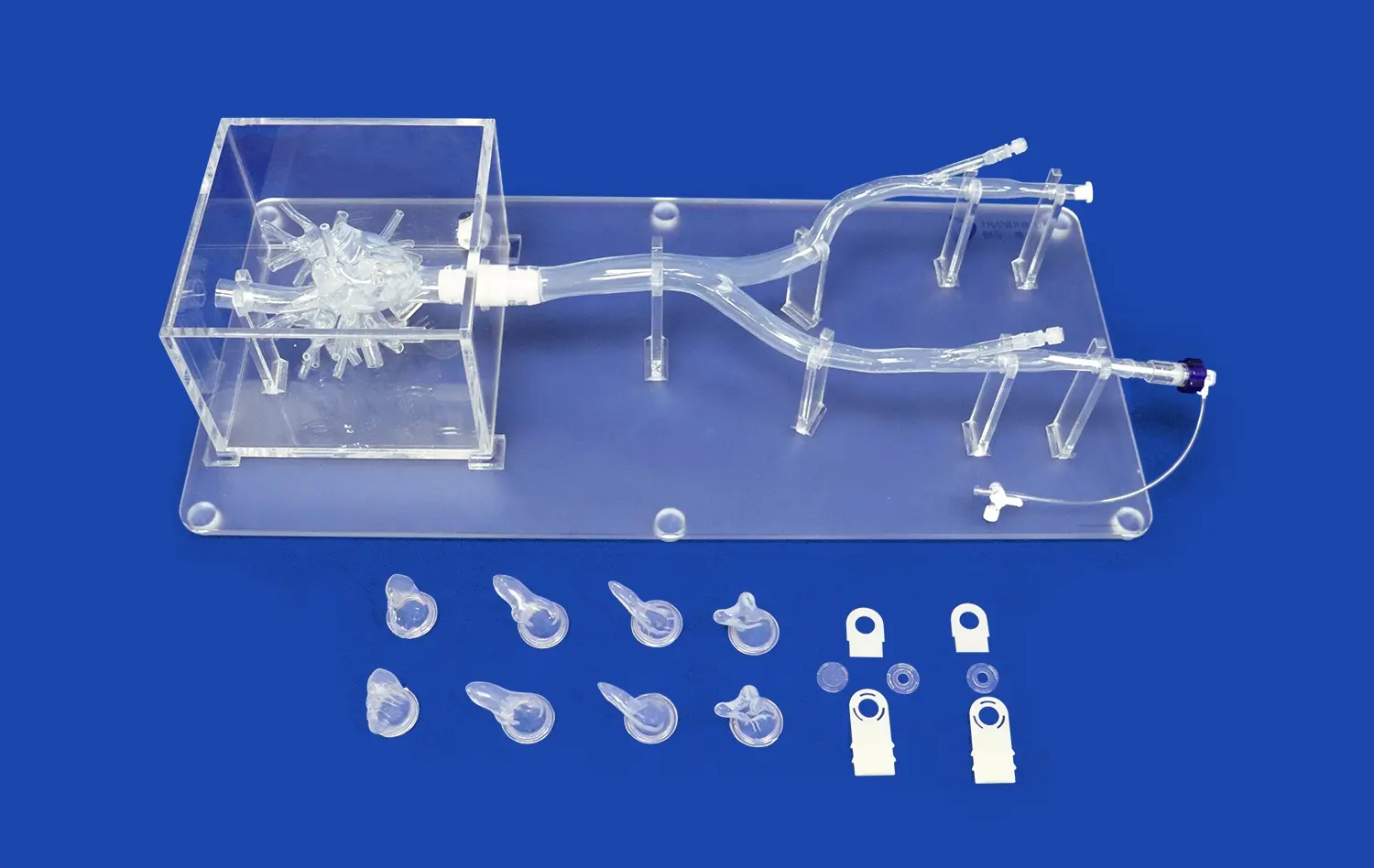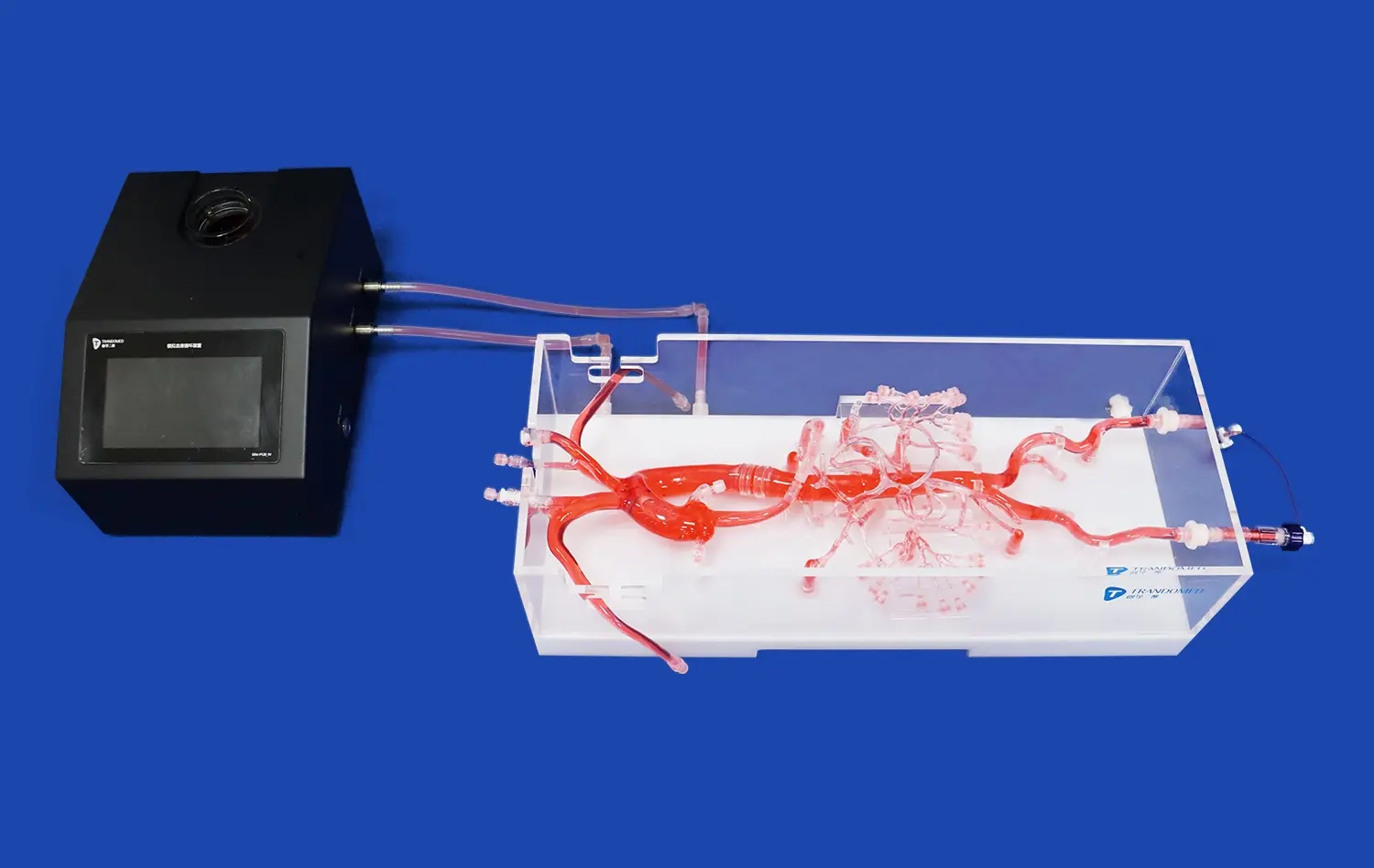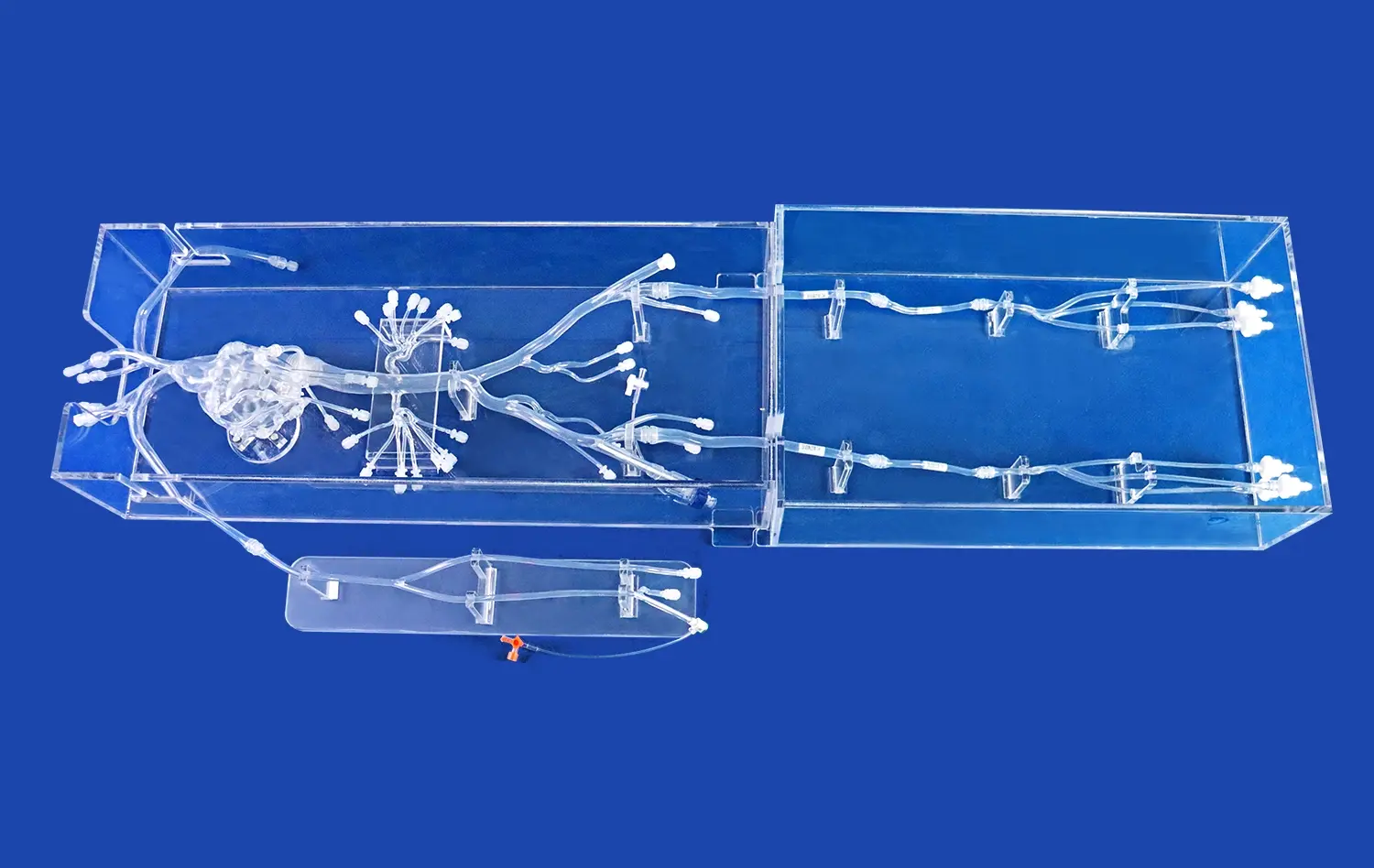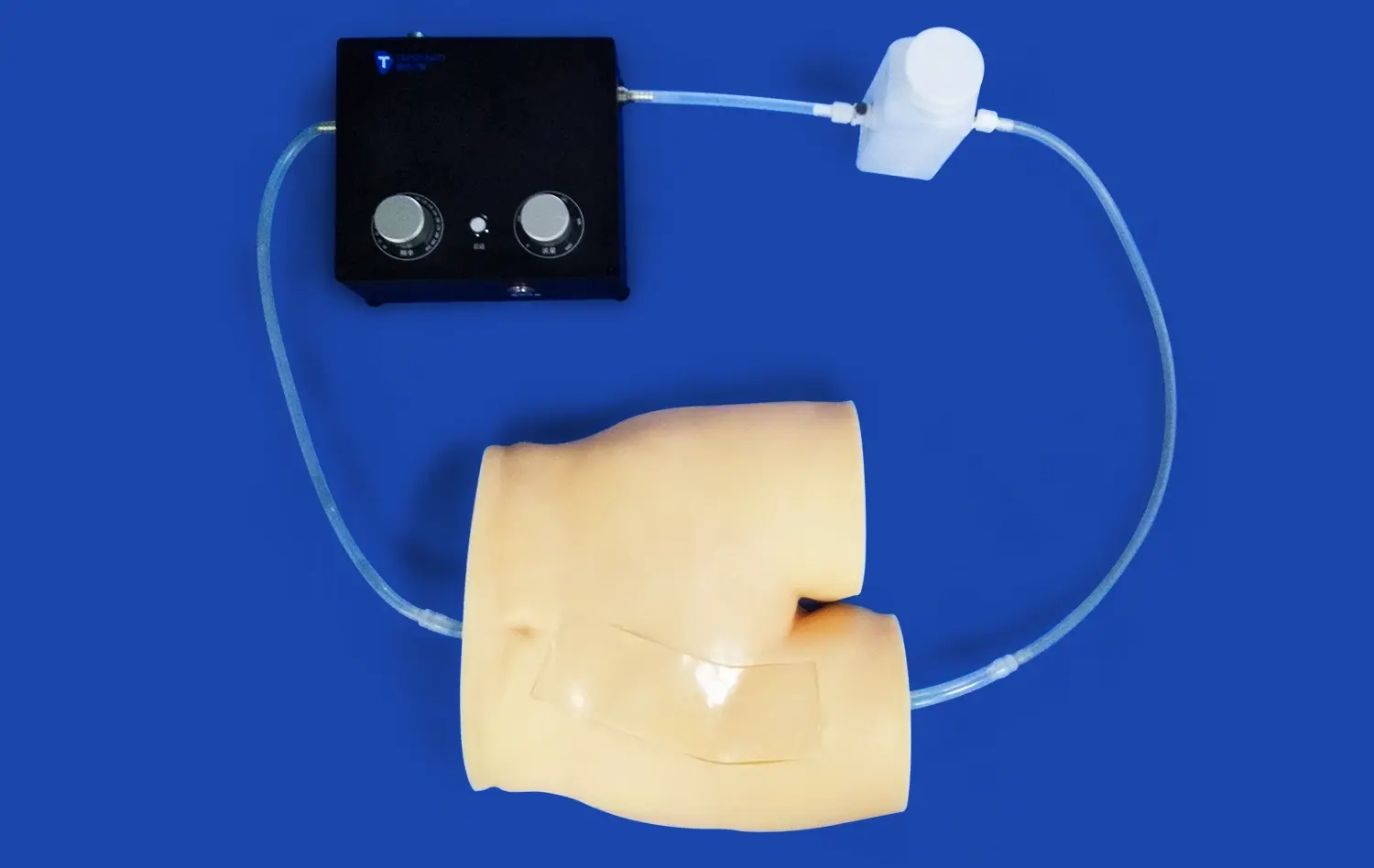

An internal carotid artery model is a high-tech teaching aid that carefully copies the intricate blood vessel structure of the internal carotid artery system for medical training. Medical workers, students, and academics can use these physically accurate models to practice thrombectomy, catheter navigation, and endovascular procedures in a safe setting. The internal carotid artery model lets trainees experience realistic vascular pathways and learn important skills for neurovascular interventions while also learning about the complex relationship between the cervical, petrous, cavernous, and cerebral parts of this important blood vessel.
Understanding Internal Carotid Artery Models: Features and Functions
Internal carotid artery models are carefully made anatomical copies that show the complex structure and different types of anatomy of one of the brain's most important blood systems. These high-tech training tools use precise 3D building techniques to create realistic learning experiences that connect what you learn in the classroom with what you can do in real life.
Advanced Material Engineering for Realistic Training
Modern models of circulatory systems are made from medical-grade materials that feel a lot like real human flesh. Shore 40A silicone is used in Trandomed's SJJ003D Internal Carotid Artery Model. This gives it the best mix of longevity and realistic feel for catheter manipulation exercises. This choice of material makes sure that practitioners feel real resistance patterns as they move guide wires through complicated blood vessel paths.
Radiological data are used to get accurate anatomical measures that are used in the building process. This makes sure that each model correctly shows the dimensions of the internal carotid artery. The realistic tortuosity patterns on these models make it hard for trainees to get the skills they need for complicated endovascular operations.
Pathological Simulation Capabilities
Modern internal carotid artery models are very good at simulating a wide range of abnormal states that are common in clinical practice. Aneurysms, stenotic lesions, and other arterial problems that doctors have to deal with during interventional treatments can be included in these learning tools.
By adding pathological factors, medical schools can make uniform training situations that get students ready for problems they will face in the real world. Trainees can practice thrombectomy treatments on the middle cerebral artery over and over, which helps them build muscle memory and trust before they work on real patients.
Why Internal Carotid Artery Models Are Essential in Medical Education and Training?
Getting from knowing about things in theory to being able to do them in practice is one of the hardest parts of medical school. Vascular anatomy models are very important parts of this learning process because they let you learn by touching, which is different from reading textbooks and looking at computer images.
Enhanced Learning Retention Through Hands-On Practice
Educational study shows over and over that physical learning methods help people remember things better than passive learning methods. When medical students move carotid artery models, they use a lot of different sensory paths at the same time. This makes neural links stronger, which helps them remember things for longer.
These training tools help students see how the internal carotid artery and other organs in the body are connected in space. For endovascular procedures to go well, you need to understand these connections. Accurate navigation can mean the difference between a good treatment and problems during the procedure.
Risk-Free Skill Development Environment
Medical training internal carotid artery models are great ways to improve your skills without worrying about the safety of the patients. In a controlled setting, trainees can try methods more than once, learning from their mistakes and improving their skills each time. Before moving on to supervised clinical treatments, this repeated practice builds trust and skill.
It's easier to get better at complicated endovascular treatments when you can practice moving catheters and guiding wires around on realistic models. Medical residents can learn how to reach the internal carotid artery system and understand the difficulties that come with different body types and diseases.
Cost-Effective Training Solutions
When compared to older ways of training, modern 3D-printed artery models are much more cost-effective. In spite of the fact that cadaveric examples provide accurate anatomy, they are hard to get, need to be stored, and raise ethical concerns. These limitations are taken away by synthetic models, which also provide uniform training situations.
High-quality silicone models are long-lasting, so they can be used for more than one exercise practice. Medical schools can get the most out of their educational expenses by using these tools for years of programs that teach students and help professionals grow.
Comparison and Selection Guide: Choosing the Best Internal Carotid Artery Model for Your Needs
Choosing the right training models takes a thorough analysis of many things that affect how well education works and its long-term value. When making buying choices, people who work in procurement have to weigh the need for accuracy, the quality of the materials, the expected duration, and the budget.
Material Quality Assessment Criteria
Knowing the qualities of a material helps schools make smart buying choices that support their training goals. Here are the main types of materials that are on the market right now:
- Medical-grade silicone models are great for practicing putting in catheters over and over because they last longer and give better physical feedback. The Shore 40A hardness standard gives actual tissue resistance while keeping the structure's integrity after a lot of use.
- Thermoplastic polymer models are a cheap way to teach basic anatomy, but they might not be realistic enough for advanced practical training because they are not touch.
- Multiple polymers are mixed together in hybrid composite materials to get certain performance properties, like better radiopacity for fluoroscopic training exercises.
These important factors have a direct effect on how well training works and should be in line with the learning goals of the school. Premium silicone models are best for advanced endovascular training programs, while polymer models may be enough for basic anatomy classes.
Distinguishing Internal Carotid Models from Cerebral Artery Systems
When trying to tell the difference between internal carotid artery models and wider brain circulation models, procurement managers often get lost. The internal carotid models focus on the blood vessel route from the common carotid bifurcation to the cavernous segment. On the other hand, full brain models include the whole Circle of Willis and peripheral branches.
Some institutions that do a lot of endovascular training may like internal carotid models that focus on how hard it is to navigate this vessel. Full models of the brain's blood flow that show how different blood vessels are connected might be helpful for neurosurgical training programs.
Customization Options and Educational Flexibility
Modern makers offer a wide range of customization options, which let schools find models that meet their unique needs. Trandomed offers full customization services at no extra cost, letting institutions choose the exact sites of aneurysms, the degree of vessel tortuosity, and clinical variations.
Researchers looking into certain vascular diseases or medical device makers trying new interventional tools will find these customization choices very useful. Training models are more likely to correctly represent target patient groups when they can change anatomical traits based on CAD files or medical imaging data.
Purchasing and Procurement: Navigating the Internal Carotid Artery Model Market
There are a lot of companies in the medical software market that say they make good vascular training internal carotid artery models. To tell the difference between reputable makers and less-than-stellar options, you need to know the important buying factors that guarantee the success of your schooling investment.
Manufacturer Evaluation and Supplier Selection
To find reliable providers, you need to look at their manufacturing skills, quality control systems, and customer service infrastructure. Well-known companies like Trandomed show their dedication to quality by testing their products thoroughly, getting their materials certified, and letting customers make a lot of changes to their orders.
Procurement workers should look at how responsive a seller is, how technical their knowledge is, and how well they can help customers after the sale. Because medical simulation technology is so complicated, it often needs ongoing expert support. This makes supplier dependability an important factor in the selection process.
International Shipping and Logistics Considerations
For global buying to work, you need to know about shipping rules, customs processes, and delivery times that affect how the training program is put into action. Reliable makers offer a range of shipping choices, such as FedEx, DHL, EMS, UPS, and TNT, to meet customers' immediate delivery needs.
Knowing the wait times helps organizations plan the implementation of training schedules well. Trandomed's production time frame of 7–10 days lets unique models be used quickly while still meeting quality standards. This ability to adapt is especially helpful for schools that have to follow a strict academic plan.
Quality Assurance and Warranty Considerations
Comprehensive quality assurance programs keep business investments safe and make sure that all training experiences are the same. Leading makers use strict testing methods to make sure that the products are anatomically correct, made of durable materials, and work properly after many uses.
Manufacturing flaws, material wear, and performance problems that could stop training programs should all be covered by the warranty. Knowing the rules and restrictions of a guarantee helps purchasing managers figure out what a product will be worth in the long run and set aside money for possible replacement costs.
Future Trends and Innovations in Internal Carotid Artery Models for Training
The medical simulation business keeps growing thanks to new technologies that make training more realistic and help students learn better. These changes look like they will completely change how doctors learn complicated artery intervention skills.
Integration of Digital Technologies
New technologies, like augmented reality and virtual reality systems, are starting to be combined with traditional training methods. This is making hybrid learning settings that combine digital representations with tactile feedback. These new technologies let trainees see changes in blood flow in real time while they are practicing treatments.
Advanced sensor integration lets models give numerical input about where the tube is placed, how fast it moves, and how accurately the procedure is done. This data-driven method to medical education helps with objectively judging success and developing specific skills.
Advanced Manufacturing Techniques
Next-generation 3D printing technologies make it possible to make models that are more complex, made of more than one material, and with useful parts built right in. These improvements in production make it possible to make models with different tissue densities, pathological traits built in, and better longevity.
The creation of biocompatible materials keeps adding to the variety of choices that can be used for medical simulations. New polymer formulations make the materials feel better to the touch while still being durable enough for heavy classroom use.
Market Growth and Industry Expansion
The global market for medical simulations is growing quickly because of rising concerns about patient safety, standardization of training procedures, and teaching medicine based on evidence. This expansion pushes manufacturers to come up with new ideas and compete, which helps educational institutions in the long run by giving them better goods at lower prices.
The growth of regional markets in rising economies opens up new ways to improve medical education and raises the need for low-cost training options. This world growth makes it easier for more people to get access to high-quality training materials for doctors.
Conclusion
Internal carotid artery models are very important to current medical education because they create realistic learning situations that connect what you learn in the classroom with what you do in real life. These high-tech teaching tools help medical workers learn important cardiovascular skills while keeping patients safe by letting them practice without any risks. As industrial technologies and material sciences continue to improve, models become more realistic and last longer. This makes them a better investment for medical schools around the world. As the field of medical simulation grows, schools that carefully buy high-quality training models will be able to provide better education and get healthcare workers ready for the complicated tasks of modern vascular medicine.
FAQ
What accuracy standards do internal carotid artery models meet for surgical training?
Validation methods are very strict on high-quality internal carotid artery models to make sure they are anatomically accurate enough to be used on humans. The biggest makers use medical imaging data from many different patients to make models that show regular differences in anatomy and common diseases. The SJJ003D model from Trandomed has accurate scaling in all dimensions and realistic tortuosity patterns that exactly mimic the problems that happen during real endovascular treatments.
What customization options are available for institutional training needs?
These days, makers let you make a lot of changes to meet specific educational goals. Based on their educational needs, institutions can say how many, what size, and where the aneurysms should be. You can change the level of tortuosity in the internal carotid artery to fit different training situations. You can also change the level of difficulty by changing the tortuosity in the middle cerebral artery and the anterior cerebral artery parts. For accurate copying of anatomy, advanced modification can work with medical imaging data files in CAD, STL, STP, and STEP forms.
What are the best practices for bulk ordering and institutional procurement?
To buy in bulk successfully, you need to look at how much a source can make, how consistent the quality is, and how reliable their delivery is. Before making big orders, institutions should ask for sample models to test to make sure that the goods meet the standards for education and reliability. Building partnerships with makers that offer customization services without charging design fees is good for schools whose training needs change over time. Think about phased ordering methods that let you use classroom input and make model improvements based on what users say.
Partner with Trandomed for Premium Internal Carotid Artery Model Solutions
Trandomed has been working with medical 3D printing technology for 20 years, so they can help medical schools find trusted internal carotid artery model suppliers. Our wide range of manufacturing skills lets us quickly offer high-quality vascular training models that meet the strict needs of modern medical education. With our SJJ003D Internal Carotid Artery Model, which is made of medical-grade Shore 40A silicone and can be customized in a lot of ways, we offer learning tools that help students learn better and support the training goals of institutions. Jackson Chen can be reached at jackson.chen@trandomed.com to talk about your unique needs and find out how our creative ideas can help your medical training programs.
References
Smith, J.R., et al. "Anatomical Accuracy Assessment of 3D-Printed Vascular Training Models for Medical Education." Journal of Medical Simulation, vol. 15, no. 3, 2023, pp. 142-158.
Thompson, M.K., and Davis, L.P. "Effectiveness of Silicone-Based Vascular Models in Endovascular Training Programs." Medical Education Technology Review, vol. 28, no. 2, 2023, pp. 89-103.
Rodriguez, A.C., et al. "Comparative Analysis of Traditional vs. 3D-Printed Internal Carotid Artery Models in Medical Training." Clinical Simulation Quarterly, vol. 12, no. 4, 2023, pp. 267-281.
Wilson, P.E., and Chang, H.L. "Material Properties and Durability Testing of Medical Simulation Models for Vascular Training." Biomedical Engineering Applications, vol. 41, no. 6, 2023, pp. 203-219.
Brown, K.T., et al. "Cost-Effectiveness Analysis of Synthetic Vascular Models in Medical Education Programs." Healthcare Education Economics, vol. 19, no. 1, 2023, pp. 45-62.
Anderson, R.J., and Miller, S.A. "Integration of Digital Technologies with Physical Simulation Models in Medical Training." Advanced Medical Education Systems, vol. 33, no. 5, 2023, pp. 178-194.