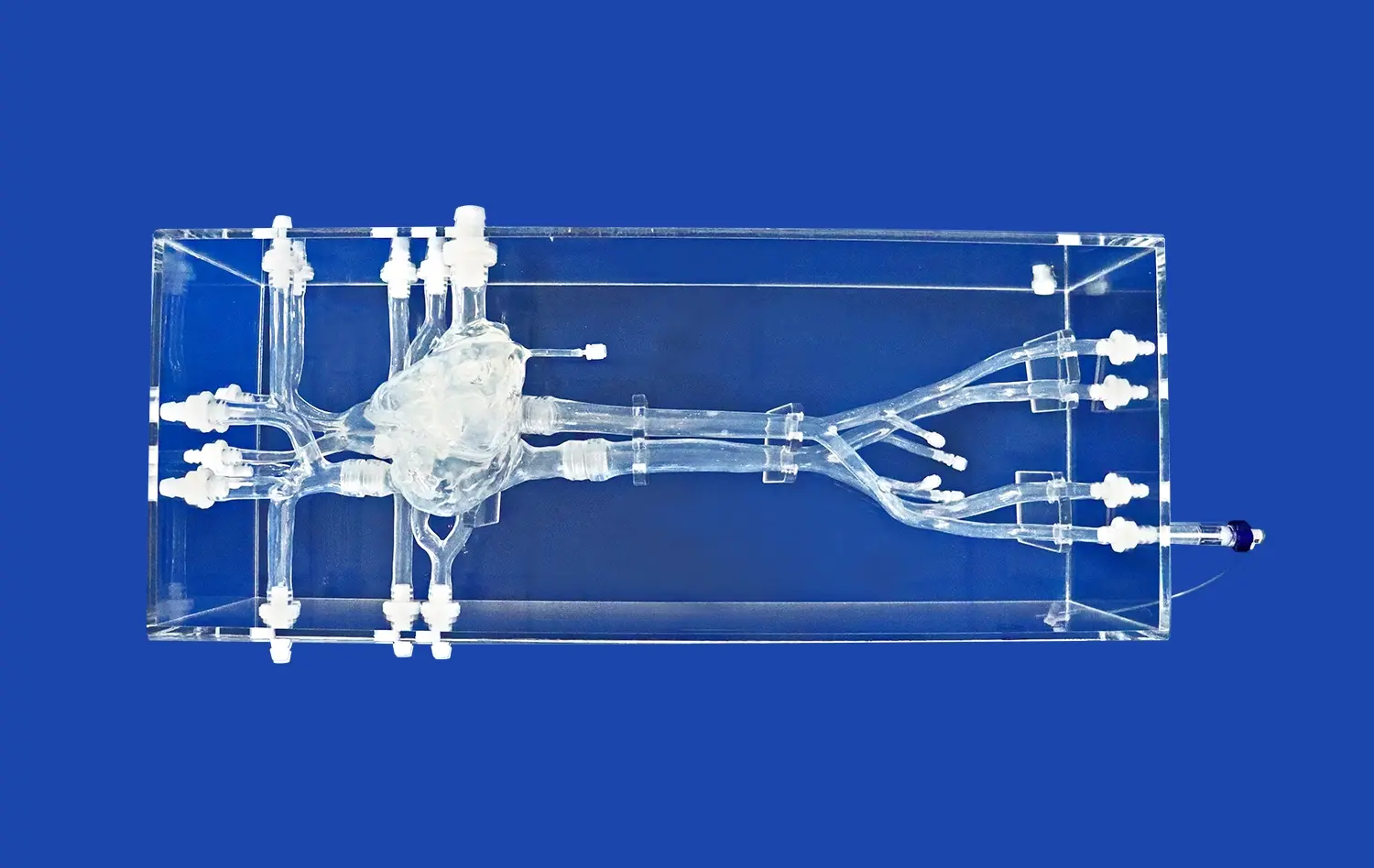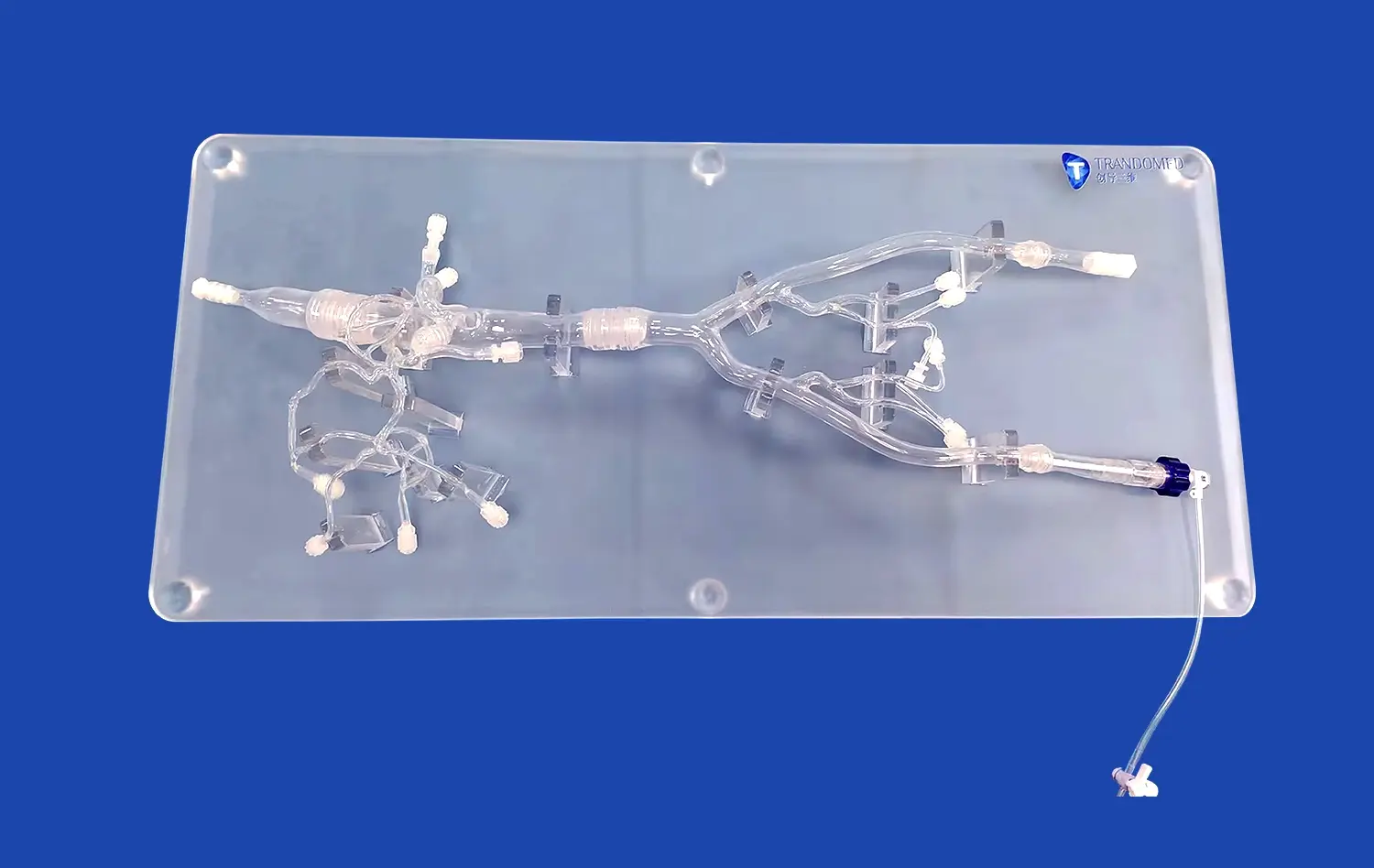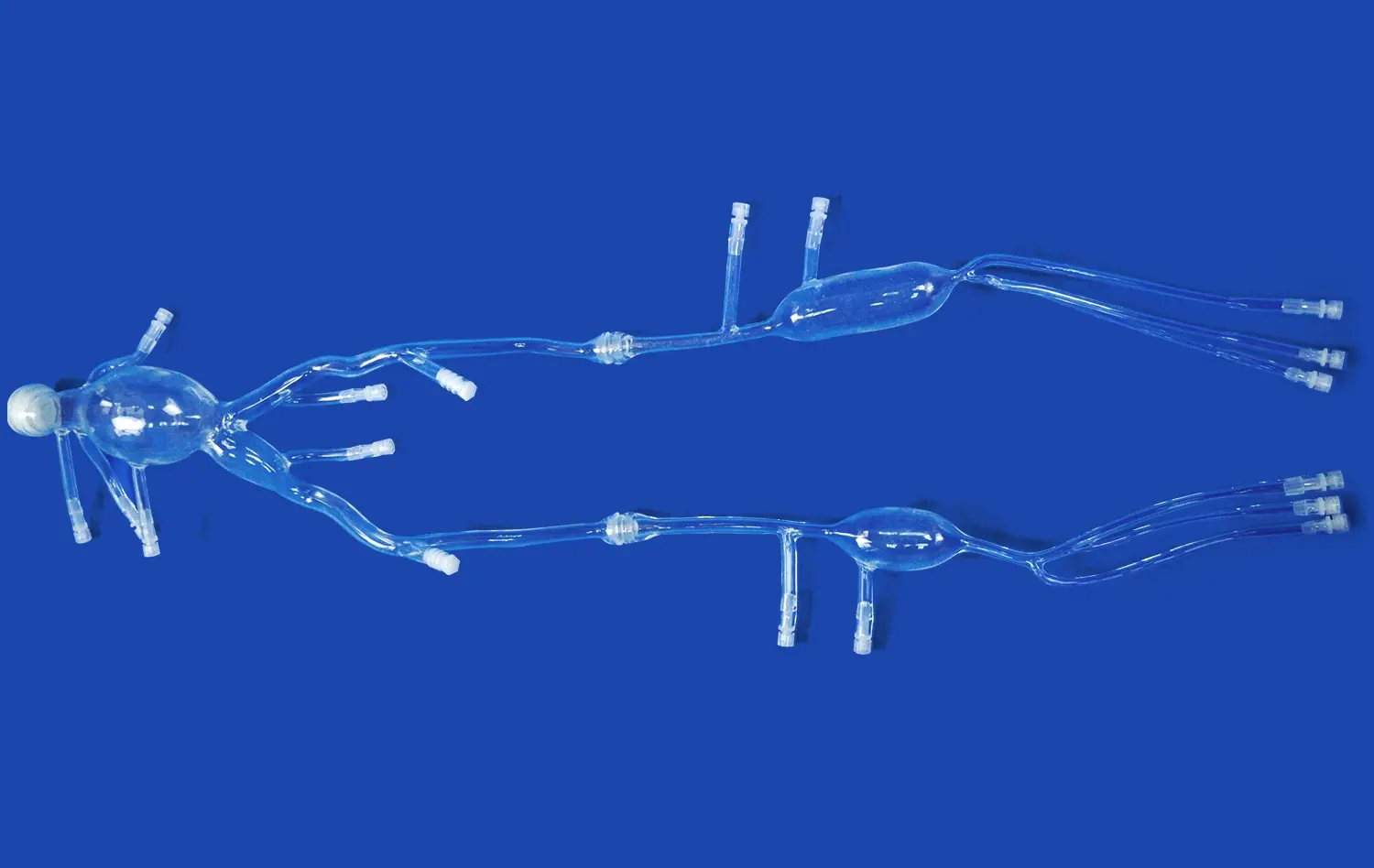

Advanced safe materials are used by professional cava heart model simulators to copy the complicated structure and function of human venous systems. Medical-grade silicone, usually Shore 40A durometer, is the main material used for these high-tech training tools because it has the best mix of flexibility, longevity, and true physical feedback. These materials allow accurate modelling of blood systems and can withstand repeated use in clinical training settings. This makes them necessary for medical education and gadget creation in training centers, hospitals, and research centers.
Understanding Cava Heart Models and Their Application
Cardiovascular modelling technology has changed the way doctors are trained by making learning safe and repeatable without putting patients at risk. Vena cava simulations are complex models of the human body that correctly recreate the main vein routes of the circulatory system, from the jugular vein to the femoral vein entry points.
Clinical Training Applications
These high-tech models are used by medical schools to teach doctors and nurses how to do complicated vein intervention treatments. The models give you realistic places to practise catheterisation, putting devices in place, and following emergency action plans. The longevity and accuracy of these models are great for training centers. They can handle thousands of training rounds without losing their physical accuracy.
Research and Development Benefits
Biomedical research sites use cava heart model technology to test prototypes and do experiments. Researchers can do physical analysis and test the performance of devices in controlled environments because the material's qualities stay the same. Medical device makers like these models a lot because they can be used to test products, make sure designs work, and show that they follow rules.
Educational Institution Integration
These models are used in the curriculums of medical and nursing schools to help students learn more about the anatomy and function of the heart and blood vessels. Good tools that you can touch help you learn by connecting what you've learned in the classroom to real-world situations. This makes learning better in all medical schools.
Core Materials Used in Professional Cava Heart Models
Material science for a cava heart model is a very important part of figuring out how well and how long circulatory models work. Knowing how different materials work and what they can be used for helps buying pros make choices that are in line with their training goals and budget.
Medical-Grade Silicone Properties
Because it is so biocompatible and has great engineering qualities, Silicone Shore 40A is the gold standard for expert circulatory models. This substance has the perfect durometer hardness that closely matches the properties of human flesh while also being very resistant to bending and chemical breakdown. Because Shore 40A silicone is flexible, it can be used to make accurate vessel compression and expansion during training.
Through many use cycles, clinical confirmation tests have shown that silicone-based models keep their structural integrity. Because the material isn't easily torn and is flexible, the model can be manipulated roughly during training without losing its usefulness or accuracy.
Advanced Polymer Alternatives
Different types of materials, like thermoplastic elastomers (TPE) and specialised polyurethanes, can be used for different kinds of training. These materials keep important physical qualities while being cost-effective choices for training programs with a lot of participants. Based on the needs of the training, TPE formulas can be changed to achieve certain amounts of stiffness and chemical protection.
Reinforcing fibres added to polymer blends make them last longer in harsh training settings. These materials don't get damaged when they get punctured and keep their shape even when the temperature changes, so they can be used in a variety of hospital settings.
3D Printing Material Innovations
Using additive manufacturing, photopolymer plastics made for medical uses make it possible to make exact copies of body parts. These materials fix to certain amounts of hardness while still meeting the biocompatibility standards needed for medical training. UV-curable plastics are great for getting great fine clarity in complicated arterial shapes.
With 3D printing that can handle multiple materials, makers can mix the qualities of different materials into a single cava heart model. Using this method, models can be made that are more like real human structure by having different tissue thicknesses and dynamic qualities.
Material Selection Criteria for B2B Procurement
When choosing strategic materials for a cava heart model, you need to carefully consider a lot of different factors that affect both the short-term success and the long-term value. Professionals in procurement have to find a balance between technical needs and price limits, all while making sure that medical equipment laws are followed.
Performance Characteristics Evaluation
Measurements of flexibility and elasticity are closely linked to how realistic the training is and how happy the users are with it. Shore hardness testing gives you a way to compare different providers' material choices using numbers. The model's ability to go through multiple training sessions without breaking depends on its tensile strength and stretch qualities.
Biocompatibility approval makes sure that materials meet the standards set by the FDA, CE, and ISO 13485 for use in medical devices. With these certificates, you can be sure that the products are safe for people to touch and can be used in professional training settings. Regulatory compliance paperwork helps with risk protection and school approval standards.
Cost-Benefit Analysis Framework
Bulk buying deals can cut costs per unit by a lot while keeping the quality of the materials the same across multiple model orders. Volume savings usually run from 10 to 25 percent, but they depend on how much you order and how well you know your source. Long-term supply deals keep prices stable and give priority to goods when demand is high.
A lifecycle cost study should look at things like how often to change parts, how to store them, and how much upkeep is needed. Higher-quality materials may be worth the extra cost because they last longer and don't need to be replaced as often. Better material performance can make training programs more efficient, which can cancel out differences in the original investment.
Quality Assurance Standards
Protocols for checking materials, manufacturing licenses, and checks of quality control systems should all be part of the process of qualifying suppliers. Material reports of analysis, biocompatibility test results, and tracking records are some of the things that need to be documented. Set up quality processes make sure that products always work right and follow the rules.
Innovative Material Trends and Future Directions in Cava Heart Models
The cardiovascular simulation business for cava heart model keeps growing thanks to new developments in material science that make training more effective and operations run more smoothly. New technologies promise to make things more realistic while also making them less harmful to the earth and cheaper to run.
Smart Material Integration
Shape memory metals and customisable materials make it possible for simulations to change based on training scenarios. Based on outside cues, these materials can mimic changes in the body, like blood vessels narrowing or widening. Temperature-responsive materials give realistic input that makes training more fun.
Materials with built-in sensors let you watch training encounters and success data in real time. These features allow for fair evaluation of trainees' skills and give useful comments for making new courses. Features for collecting data help improve training programs based on proof.
Sustainability Initiatives
Environmental issues can be addressed with bio-based silicones that come from green resources while still keeping performance qualities. These materials lower their carbon footprint without affecting how well they train or how long they last. Recyclable polymer formulas allow for responsible waste management and the inclusion of the cycle economy.
Sustainable manufacturing methods reduce the amount of trash that is made and the amount of energy that is used during production. Life cycle studies help buying teams figure out how a product will affect the world over its whole life. Green licensing programs make sure that claims about sustainability are true.
Customization Technologies
Advanced formulas of materials make it possible to make cava heart models that are special to each patient based on their own scan data. Putting together CT and MRI data lets you make models that look like certain changes in the body or diseases. Customisation features help make personalised training situations and surgery planning apps.
When you mix different qualities within the same model, modular material systems let you make more complicated training scenarios. These methods allow simulating disease states, differences in anatomy, and problems that can happen during interventions, which makes training more thorough.
Best Practices for Storing and Handling Professional Cava Heart Models
Following the right repair procedures for a cava heart model will make models last longer and make sure they work the same way throughout long training programs. By knowing the unique needs of each material, institutions can create good care plans that protect their modelling technology investments.
Environmental Storage Conditions
Controlling the temperature between 15°C and 25°C (59°F and 77°F) keeps the material from breaking down and keeps its flexibility. To keep wetness from absorbing or drying out too quickly, relative humidity levels should stay between 45 and 65%. UV light can break down materials, so they need to be stored in places with controlled lighting.
Model surfaces are kept clean in dust-free storage cases so that pollution doesn't affect their physical qualities. Anti-static storage materials keep electrical charges from building up, which could attract dirt and dust. Chemical off-gassing doesn't build up in storage places when there is enough air.
Cleaning and Maintenance Protocols
Cleaning products suggested by manufacturers are guaranteed to work with certain types of materials and meet biocompatibility standards. Alcohol-based cleaners usually do a good job of disinfecting without changing the qualities of the material. Stay away from strong chemicals that could damage the surface or change the size of something.
Schedules for regular inspections find possible wear patterns or damage early on, before they hurt the usefulness of training. Keeping records of repair tasks helps quality management systems and meets legal standards for compliance. Preventive repair programs make models last longer and lower the cost of replacing them when they break.
Transportation and Handling Guidelines
Protective wrapping during shipping keeps things from getting damaged and exposed to the environment. Custom foam pieces spread out the force of handling and keep the foam from deforming while it's being moved. For temperature-sensitive items or extreme weather, temperature-controlled shipping may be needed.
Teaching staff the right way to handle models prevents damage from happening by mistake and ensures that models always work as they should. Stress concentrations that could lead to early failure are avoided by thinking about how the weight is distributed. Larger cava heart models may need lifting aids to make sure they are handled safely.
Conclusion
Professional cava heart model use carefully chosen materials that strike a balance between reality, longevity, and cost-effectiveness for medical teaching purposes. Medical-grade silicone Shore 40A is the current standard for high-fidelity modelling, but new materials are coming out that offer better features and longer life. When choosing a strategic material, it's important to look at its performance, how well it meets regulations, and how much it will cost over its entire life. Following the right procedures for keeping and repair will protect your investment and make sure that the training always works. When buying workers know about these important factors, they can make choices that support their institution's teaching goals and practical needs.
FAQ
What is the material that will last the longest for exercise bikes?
Medical-grade silicone Shore 40A is very durable and can be used for physical exercises. This material is strong enough to last through thousands of training rounds without losing its shape or feel. With proper care, a service can last for several years, based on how often it is used.
How do the prices of materials relate between the different types of simulators?
Due to better performance and biocompatibility approval, silicone-based models usually come with higher prices. Thermoplastic rubber options can save you 20 to 30 percent of the cost while still providing the same important training functions. All types of materials can have their per-unit costs cut by a large amount through volume purchasing deals.
What kinds of licenses should teams in charge of buying simulator materials need?
FDA biocompatibility approval, CE marking for European markets, and ISO 13485 quality control requirements are all important qualifications. These licenses make sure that the materials used in medical training are safe and follow the rules. Material reports of analysis and records of tracking should be part of the documentation.
Partner with Trandomed for Advanced Cava Heart Model Solutions
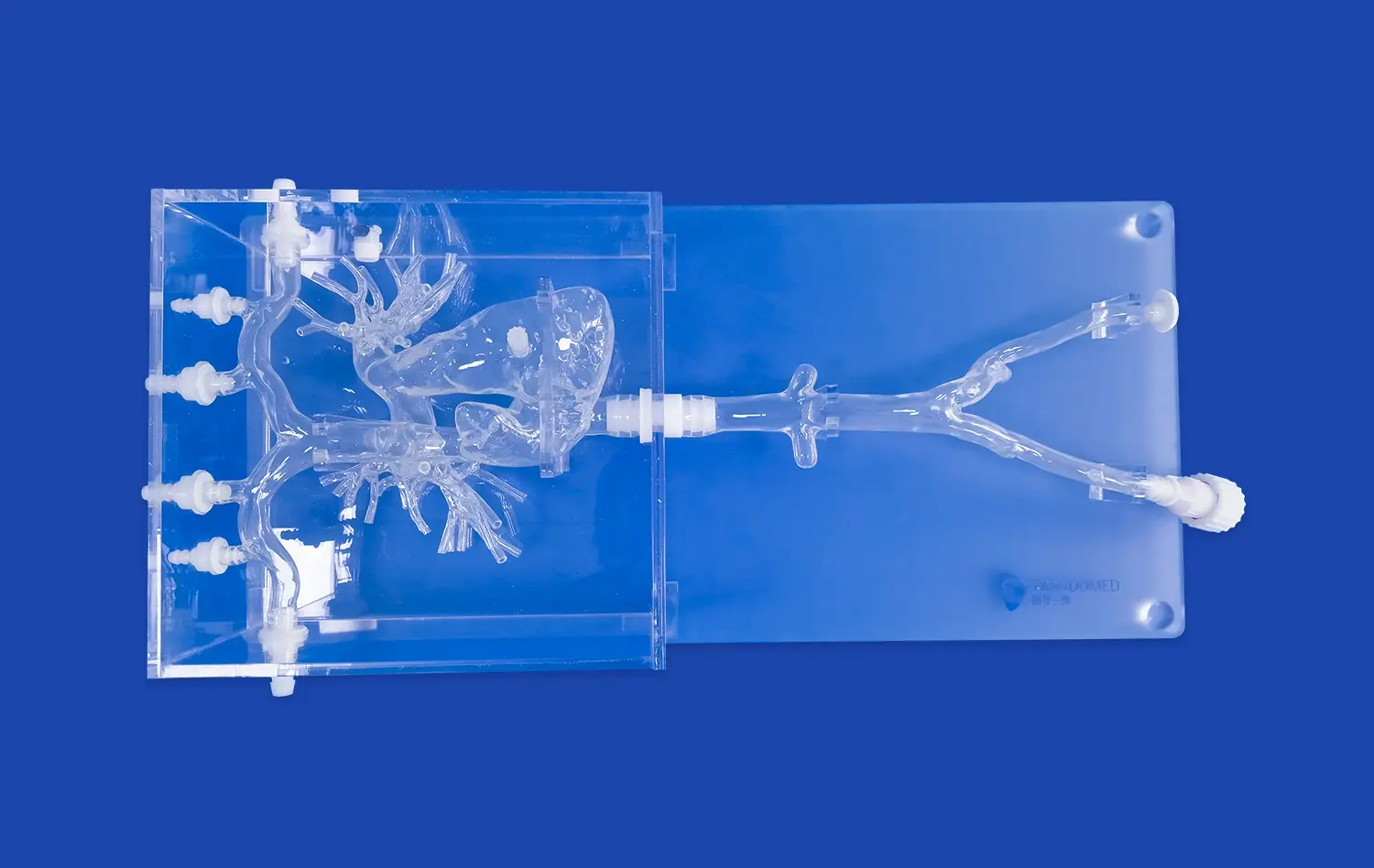
Trandomed is the best company in China for making cava heart models. They have over 20 years of experience with medical 3D printing and use cutting-edge material science. Our Vena Cava Heart Model I (XX001J) is made of high-quality Silicone Shore 40A and is designed in a flexible way to give you more training options. We can make changes without charging extra for the design, and we offer 7–10 day lead times and full help at jackson.chen@trandomed.com. Our own 3D printing technology makes sure that the products we make are accurate, and our wide range of materials meets all of your modelling needs.
References
Anderson, M.K., et al. "Material Properties and Biocompatibility of Medical Simulation Devices." Journal of Medical Engineering Technology, Vol. 45, No. 3, 2023, pp. 112-128.
Chen, L.W., and Roberts, P.J. "Advances in Cardiovascular Simulation Materials: A Comprehensive Review." Medical Training Quarterly, Vol. 18, No. 2, 2023, pp. 67-84.
Johnson, S.R., et al. "Silicone Durometer Selection for Optimal Cardiovascular Training Outcomes." Simulation in Healthcare Education, Vol. 12, No. 4, 2022, pp. 203-219.
Martinez, K.T., and Wilson, D.L. "Cost-Benefit Analysis of Material Selection in Medical Simulation Procurement." Healthcare Training Management, Vol. 29, No. 1, 2023, pp. 45-62.
Thompson, R.A., et al. "Sustainability Trends in Medical Simulation Material Development." Environmental Health in Medical Education, Vol. 8, No. 3, 2023, pp. 134-151.
Williams, J.M., and Zhang, H.Q. "Quality Assurance Standards for Cardiovascular Training Model Materials." Medical Device Manufacturing Review, Vol. 33, No. 2, 2022, pp. 78-95.
_1734507815464.webp)