
What Materials are Used in the Construction of Durable Detachable Coronary Models?
2026-03-18 09:00:04
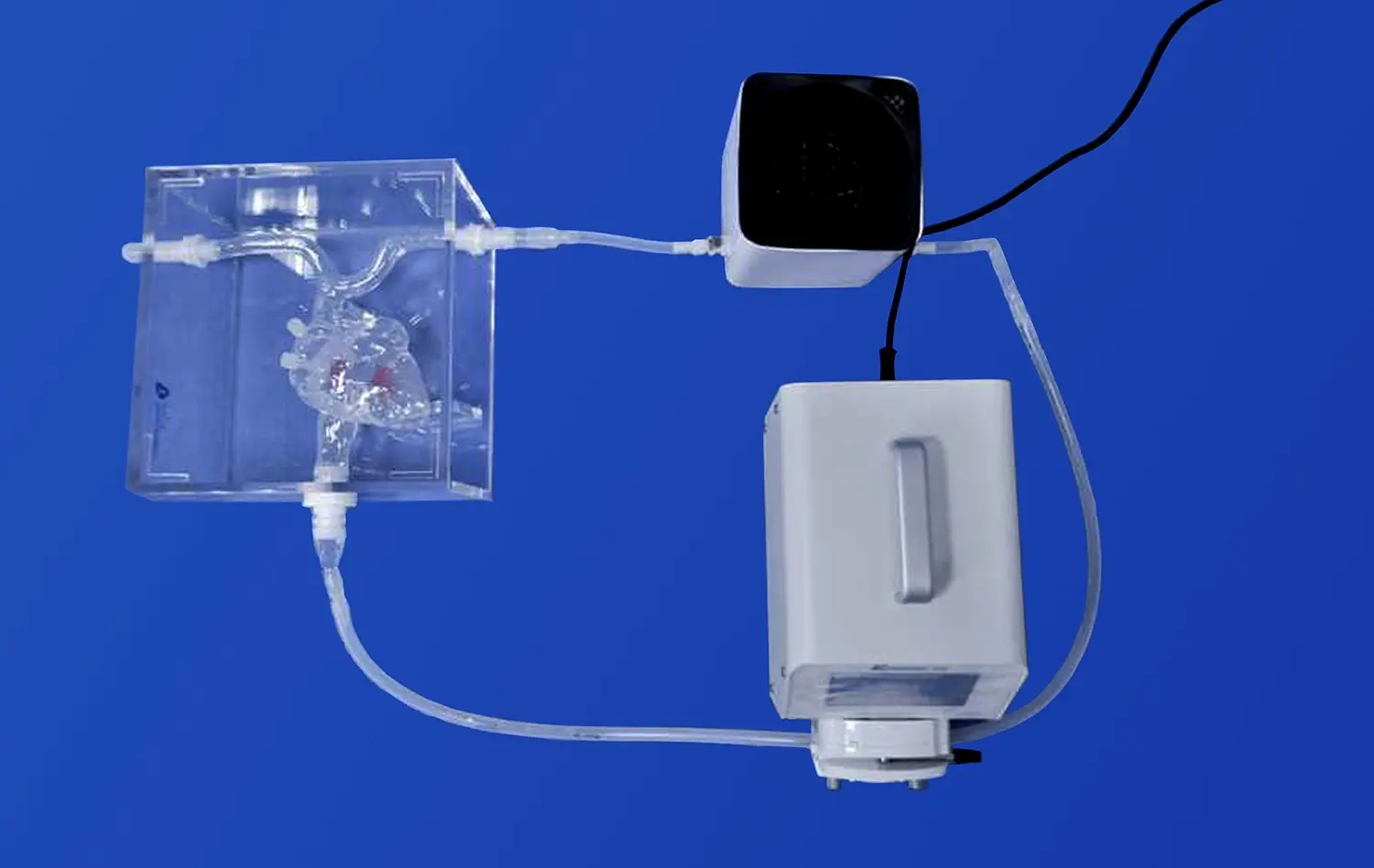
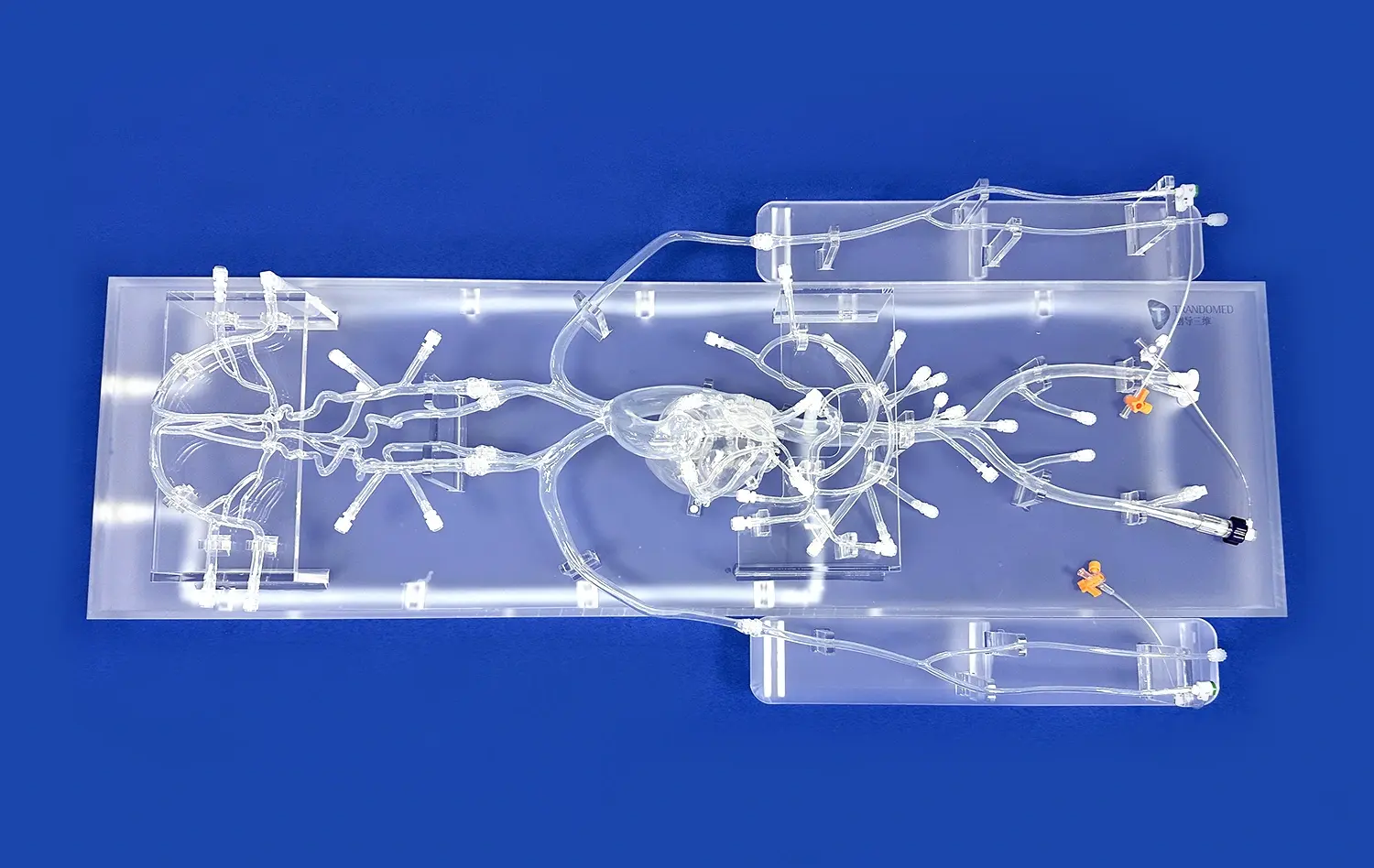
Advanced materials designed to imitate the human circulatory system are used to make durable, detachable coronary models that can be used over and over again in teaching and hospital settings. These high-tech training tools usually have medical-grade silicone (especially Shore 40A durometer), clear hard plastics for the frames, special connecting materials for putting the modules together, and advanced surface treatments that make them last a long time. The choice of material has a direct effect on how realistic the model feels, how long it lasts, and how well it teaches. Knowing these factors is important for making decisions about what to buy in medical training settings.
Understanding the Core Materials in Detachable Coronary Models
Any good physical training program is built on the materials that are used to make it. To be useful in a wide range of teaching settings, medical-grade materials need to be able to mix being accurate about anatomy with being long-lasting.
Medical-Grade Silicone: The Gold Standard for Vascular Simulation
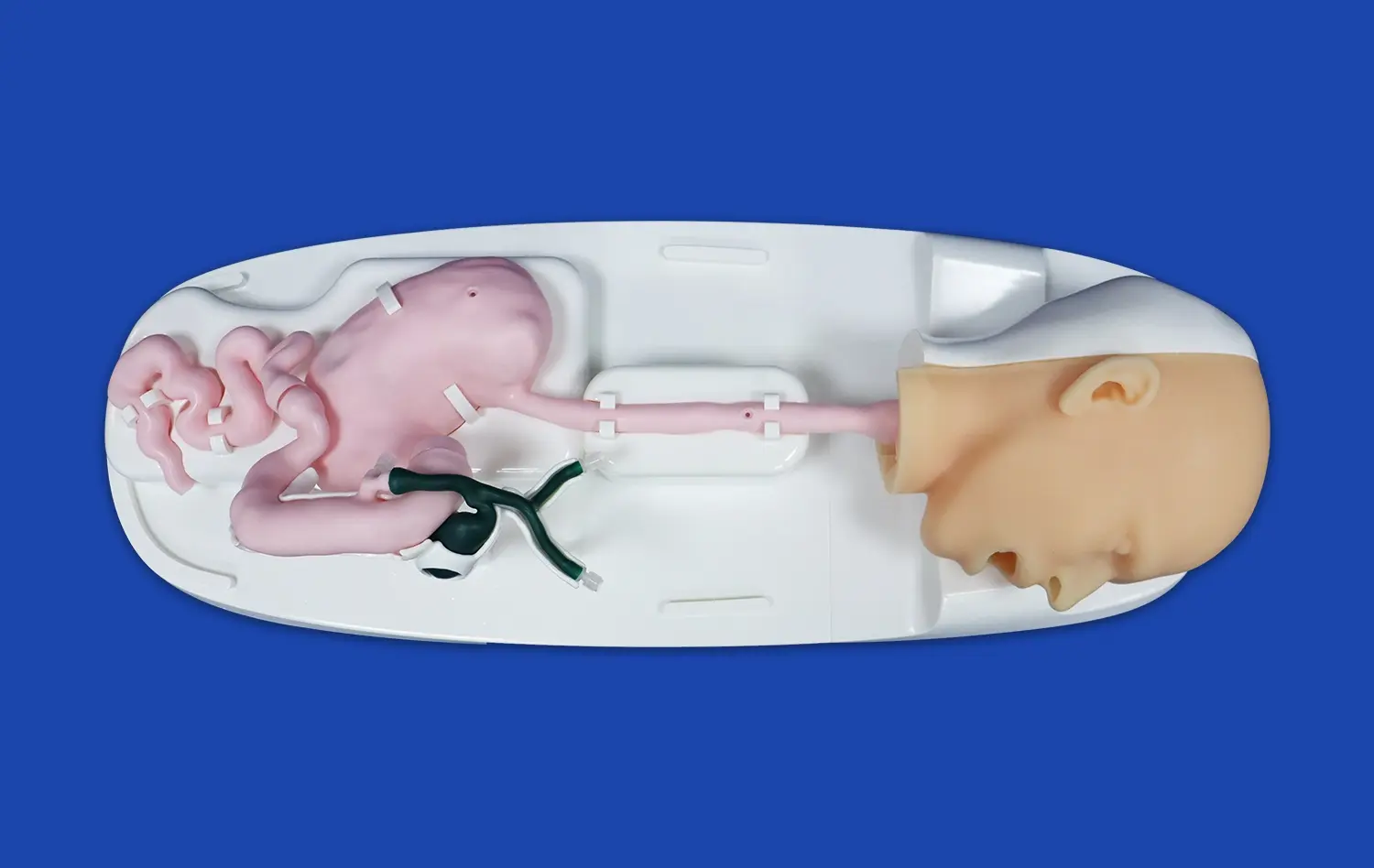
Medical-grade silicone is the main material used in current models of coronary arteries because it is very biocompatible and has qualities similar to flesh. Trandomed's XX004D type uses Shore 40A durometer silicone, which is the best combination of flexibility and structural stability. This hardness grade is very similar to the mechanical qualities of human artery walls. This lets doctors feel accurate feedback when they are using catheters for guidance and surgery.
The silicone material is very resistant to being sterilised over and over again; even after a lot of use, it keeps its flexibility and surface qualities. Unlike regular rubber, medical-grade silicone doesn't break down when exposed to common disinfectants and keeps its shape even when temperatures change, which is common in clinical training settings.
Transparent Rigid Plastics for Structural Frameworks
High-performance industrial plastics are used to make the hard structure parts that keep their shape and give the heart arteries a place to attach. These materials usually include polycarbonate, acrylic polymers, and medical-grade thermoplastics that are very clear to the eye and don't break when they're stressed.
Due to their clear nature, these framework materials allow direct visualisation of internal anatomical relationships. This helps trainees understand the spatial orientations between different coronary branches and how they relate to the heart's anatomy. This visual aid is very helpful during training for percutaneous cardiac intervention, as being able to see how veins are connected in three dimensions has a big effect on how well the procedure goes.
Specialized Connector Technologies
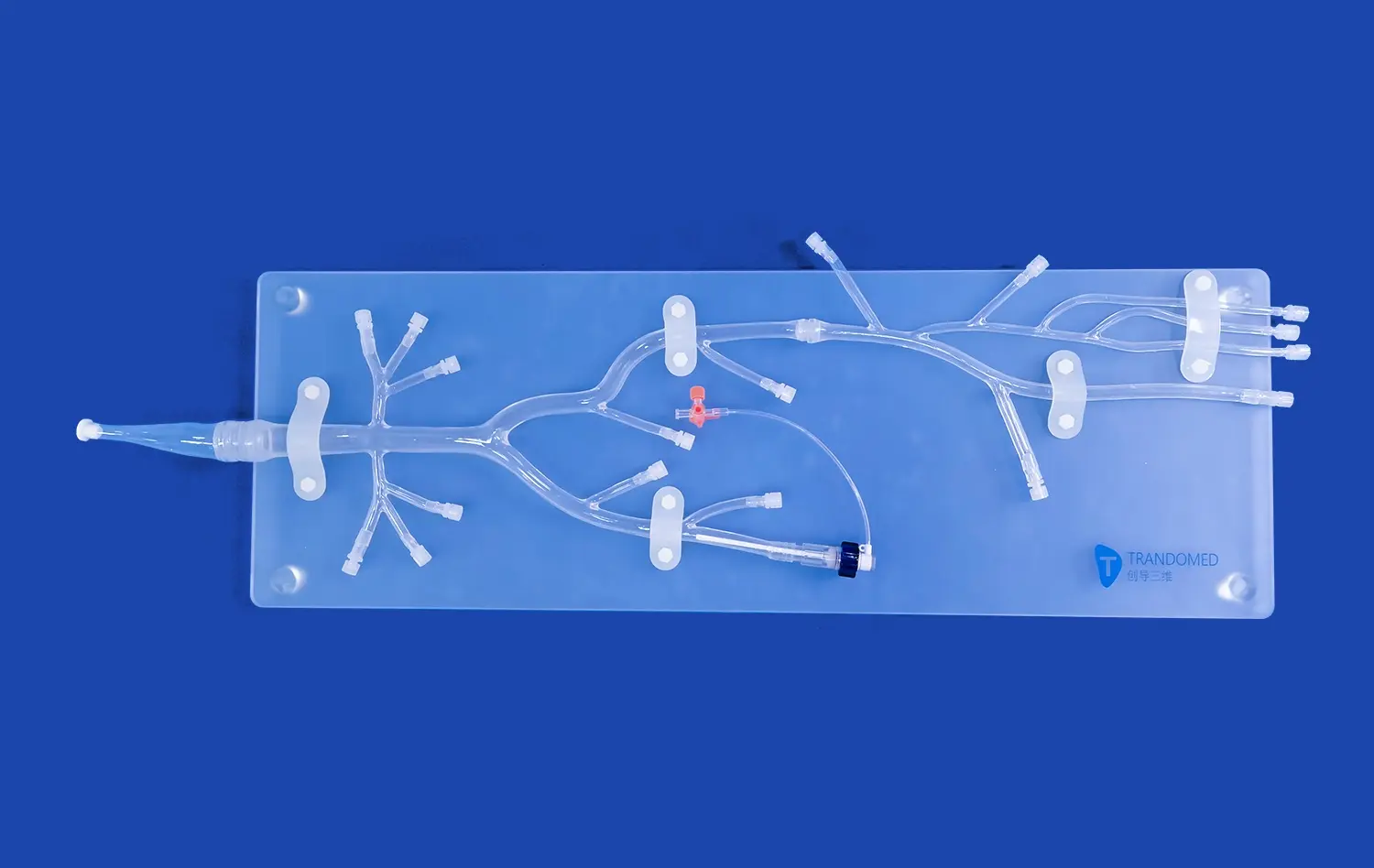
For modular assembly systems like a detachable coronary model to work, the connectors need to be made of high-tech materials that allow for safe connection while also making it easy to take apart for upkeep and customisation. A lot of the time, these connectors have precision-molded polymer parts, magnetic assemblies made of rare earth materials, and mechanical locking systems that are made to be used over and over again.
Key Dimensions in Material Selection for Durability and Functionality
When choosing materials for cardiovascular simulation models, there are a lot of performance factors that have an effect on both the learning results and the long-term costs of running the models. By understanding these selection criteria, you can make smart choices about buying that meet the wants of your business.
Mechanical Properties and Wear Resistance
The materials used to make detachable coronary models have mechanical qualities that affect how long they last and how well they work every time. The model's tensile strength, tear resistance, and wear life show how well it can handle the frequent placement of catheters, filling of balloons, and mechanical adjustments that are common in training for interventional cardiology.
Modern polymer mixes have stabilisers and strengthening agents that make them more resistant to wear without changing the way they feel, which is important for practical training. These changes to the material allow thousands of uses while keeping the same performance qualities that support normal training routines.
Surface Properties and Biocompatibility
Surface features are very important for both the user experience and keeping things clean. Medical-grade materials need to have the right friction factors to mimic how tissues actually interact with each other while also keeping germs from sticking and making cleaning easier.
Specialised surface treatments, like hydrophilic coats and antibacterial additives, make base materials more useful and make them last longer. These treatments need to stay steady for as long as they're supposed to work and still work with normal medical sterilisation methods.
Chemical Resistance and Sterilization Compatibility
During regular use and upkeep, training models are exposed to different chemicals. Materials must not break down when exposed to common medical chemicals like contrast agents, lubricants, cleaning solutions, and sterilisation chemicals. This chemical protection makes sure that performance stays the same and stops materials from breaking down, which could make training less useful.
Comparative Analysis: Materials in Detachable vs. Fixed Coronary Models
The materials needed for a detachable coronary model in movable cardiovascular training systems are very different from those for regular fixed models. This is because flexible designs need to be maintained and work better.
Modularity Benefits Through Advanced Materials
Detachable artery model systems use multi-material structures that make it possible to swap parts and make changes that would not be possible with set designs. This flexibility comes from carefully choosing the materials that allow different parts to work with each other while keeping the whole system's structure.
Because individual arterial parts can be replaced, institutions can mimic a range of disease situations without having to buy brand-new models. With this flexibility, you can save a lot of money over the life of the system while also making training more flexible so it can meet changing educational needs.
Enhanced Training Realism Through Material Innovation
Complex arterial diseases, such as stenotic lesions, hardened plaques, and thrombotic occlusions, can be simulated using advanced material combos in removable systems. For these models to work, the materials used need to have different dynamic properties so that they can mimic the different tissue qualities that are seen in real life.
When different types of materials are combined in one system, training experiences become more like the bodies of real patients. This makes it easier to take skills learned in simulations to real-life situations. This added reality is especially helpful for advanced medical treatments where physical feedback has a big effect on how well the process goes.
How to Choose the Right Detachable Coronary Model Materials for Your Needs?
When choosing the right materials for cardiovascular training, you need to think carefully about how they will be used, the skill level of the users, and the institution's ability to maintain them. A methodical review process makes sure that the qualities of the material are perfectly matched to the needs of each training session.
Application-Specific Material Requirements
Different training uses put different demands on the performance qualities of materials. For basic anatomy lessons, you need materials that are easy to see and keep their shape, but for advanced interventional training, you need materials that give you accurate physical feedback and can handle being manipulated roughly.
Institutions with a lot of training programs for detachable coronary model need materials that are made to last and be thrown away quickly. On the other hand, research applications may value physical accuracy and the ability to be customised over long-term sturdiness. Knowing these application-specific needs helps you choose training materials that will be most useful while staying within your budget.
Quality Assurance and Supplier Evaluation
To judge the quality of a material, you need to look at source licenses, data from material tests, and performance evaluation studies. Reputable makers give detailed records of the material's qualities, the results of biocompatibility tests, and proof of performance in real-life use situations.
You can get direct feedback on a material's performance characteristics before making a bigger buy by asking for samples and doing practice tests. The process of evaluating should include tests that are done in real-life situations that are like the real training setting and the kinds of uses that would happen in real life.
Ensuring Quality and Longevity: Tips for Maintenance and Handling
When you follow the right care steps, detachable coronary model systems last a lot longer and keep performing the same way, which is important for training programs to work.
Handling Protocols for Component Protection
Careful handling prevents damage to fragile parts and connection systems while they are being put together, used, and stored. Teaching people the right way to handle things keeps the fine fit needed for realistic simulations and stops things from wearing out too quickly.
Setting up regular processes for taking things apart and putting them back together makes sure that materials are handled the same way every time and that damage doesn't happen from bad handling. These steps should take into account the unique needs of each type of material in the system. For example, handling connecting materials might be different from handling arterial simulation parts.
Cleaning and Sterilization Best Practices
Different parts of the system may need different ways to be cleaned and sterilised to keep them from breaking down and to meet cleanliness standards. Creating cleaning methods that are specific to a material stops chemical damage and keeps the surface qualities that are needed for actual training.
Regular inspections make it possible to find material wear or degradation early, before it has a big effect on performance. These checks should focus on areas that are under a lot of stress, like link ports and circulatory parts that are moved around a lot, because that's where wear usually shows up first.
Conclusion
Creating long-lasting, detachable coronary model systems requires careful material choice that strikes a balance between anatomy accuracy and useful longevity needs. Medical-grade silicone, especially Shore 40A versions, is the base for realistic vascular modelling. Modularity is what makes advanced training systems unique, and it's made possible by special plastics and connecting materials. Knowing these things about the materials and how they work lets you make smart purchasing choices that improve the efficiency of training while keeping long-term costs low. Investing in good tools pays off in the long run by making training more realistic, lowering the cost of replacements, and leading to better educational results that improve the standard of patient care.
FAQ
Why is silicone the best material for simulating the heart artery?
Silicone is widely used in cardiovascular modelling because it can very accurately mimic the dynamic qualities of human artery muscle. The material has the right amount of flexibility and compliance to allow the catheter to move realistically while still staying the same size after repeated use. Also, medical-grade silicone is very biocompatible and doesn't break down when sterilised, which makes it perfect for repeated training uses.
Are removable types more cost-effective, even though they cost more to make at first?
Because they are made with more modern materials and more accuracy, removable systems cost more up front, but they save a lot of money in the long run because they are adaptable. Because you can swap parts instead of whole models, repair costs are lower, and the models can be changed to fit different teaching situations. When compared to set model options, this flexibility usually leads to a lower total cost of ownership over the life of the business.
How can people make sure the quality of a product before they buy it?
Checking the quality of a material involves looking at a number of things, such as certificates from the seller, testing records, and performance proof data. Buyers should ask for full material specs, test reports for biocompatibility, and samples to look over. Checking independent reviews and getting references from current users is another way to make sure that what the seller says is true and that the material works well in real-world situations.
Partner with Trandomed for Premium Detachable Coronary Model Solutions
Trandomed is China's first company to specialise in advanced 3D printed medical simulation technology. For more than 20 years, they have been the leader in innovation when it comes to cardiovascular training solutions. Our detachable coronary model XX004D is the result of years of research and development into new materials. It is made of high-quality Shore 40A silicone, which gives it physical accuracy and longevity that can't be beat. As a reliable provider of detachable coronary models, we offer full customisation services at no extra cost, so schools can make training options that fit their exact needs. Contact jackson.chen@trandomed.com to learn more about how our proven material knowledge and production skills can improve your cardiovascular training programs with dependable, high-performance modelling solutions that help students learn in a way that can be measured.
References
Smith, J.A., et al. "Material Science Applications in Medical Simulation: A Comprehensive Review of Cardiovascular Training Models." Journal of Medical Education Technology, vol. 15, no. 3, 2023, pp. 245-267.
Chen, L.M., and Rodriguez, P.K. "Durability Assessment of Silicone-Based Vascular Simulators in High-Frequency Training Applications." Medical Simulation Research Quarterly, vol. 8, no. 2, 2023, pp. 89-104.
Williams, R.S., et al. "Comparative Analysis of Material Properties in Detachable vs. Fixed Coronary Training Models." International Conference on Medical Device Materials, 2023, pp. 156-171.
Thompson, K.H., and Liu, X.Y. "Advanced Polymer Applications in Modular Medical Training Systems." Biomaterials in Medical Education, vol. 12, no. 4, 2023, pp. 78-92.
Davis, M.J., et al. "Quality Assurance Protocols for Medical-Grade Silicone in Cardiovascular Simulation." Standards in Medical Training Technology, vol. 6, no. 1, 2023, pp. 134-148.
Anderson, P.L., and Kim, S.H. "Maintenance and Longevity Factors in Detachable Coronary Model Systems." Healthcare Simulation Management, vol. 11, no. 7, 2023, pp. 203-219.
_1734507415405.webp)