
Where Can I Buy a Detachable Coronary Model for Medical Training?
2026-03-10 09:00:05
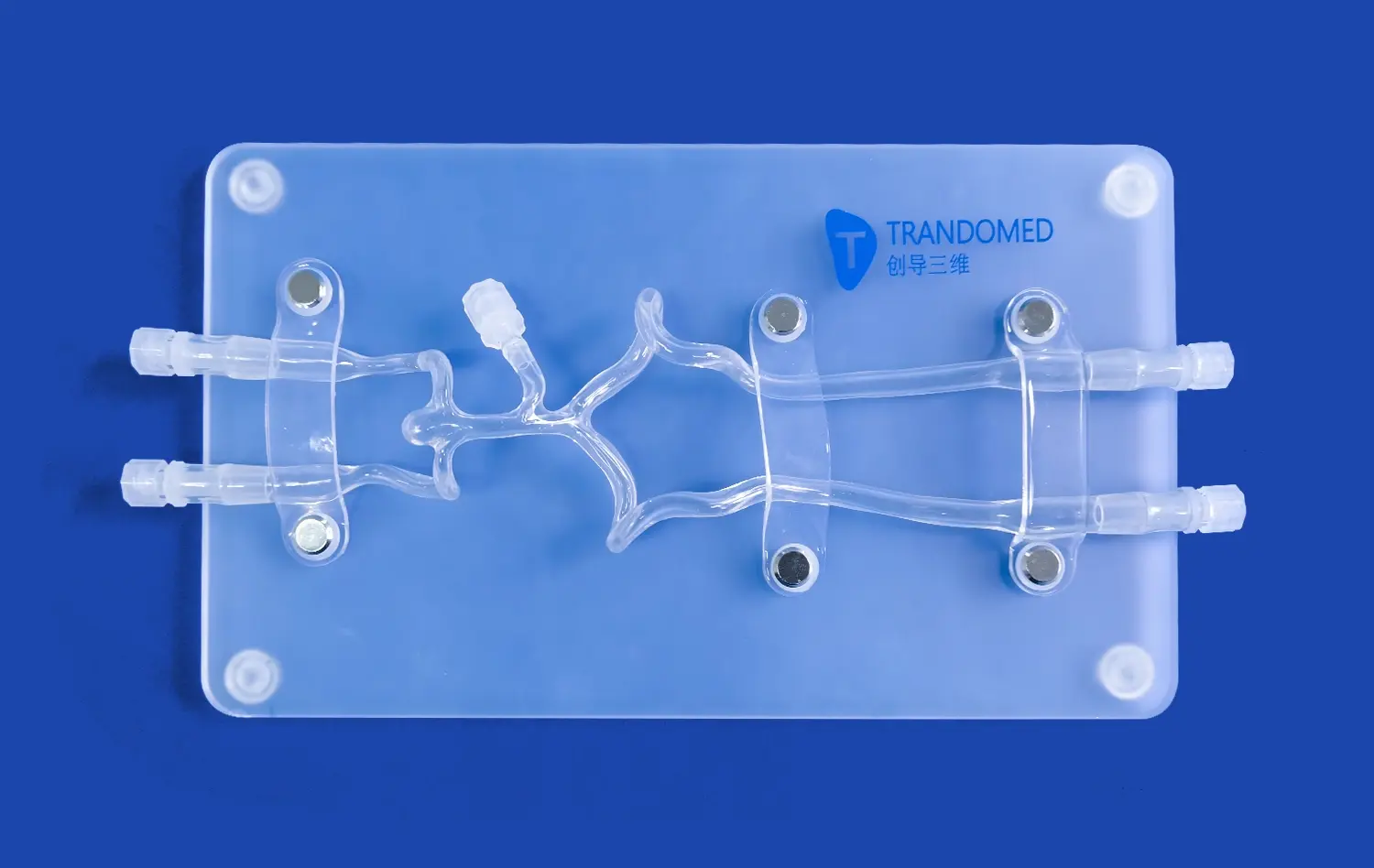
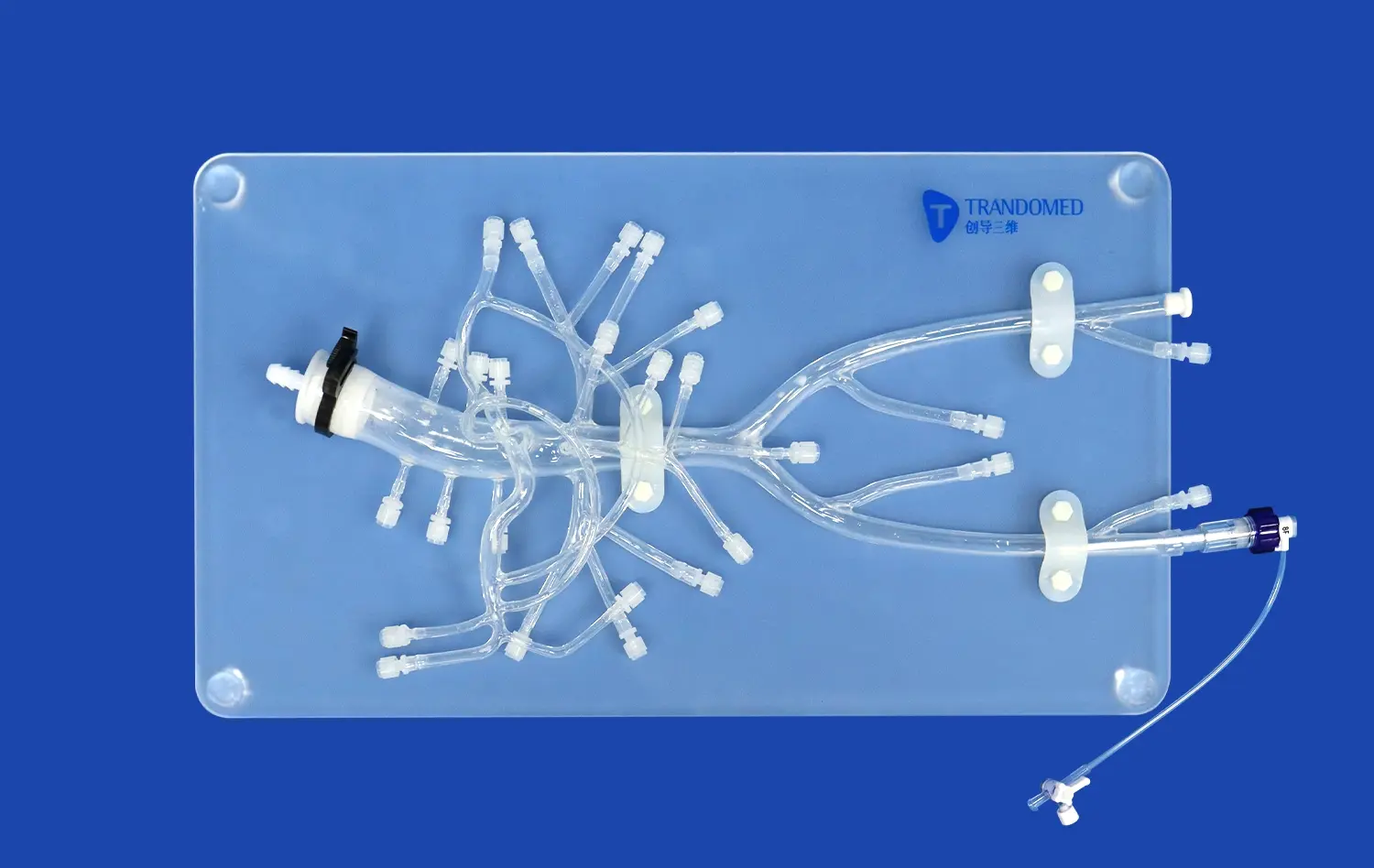
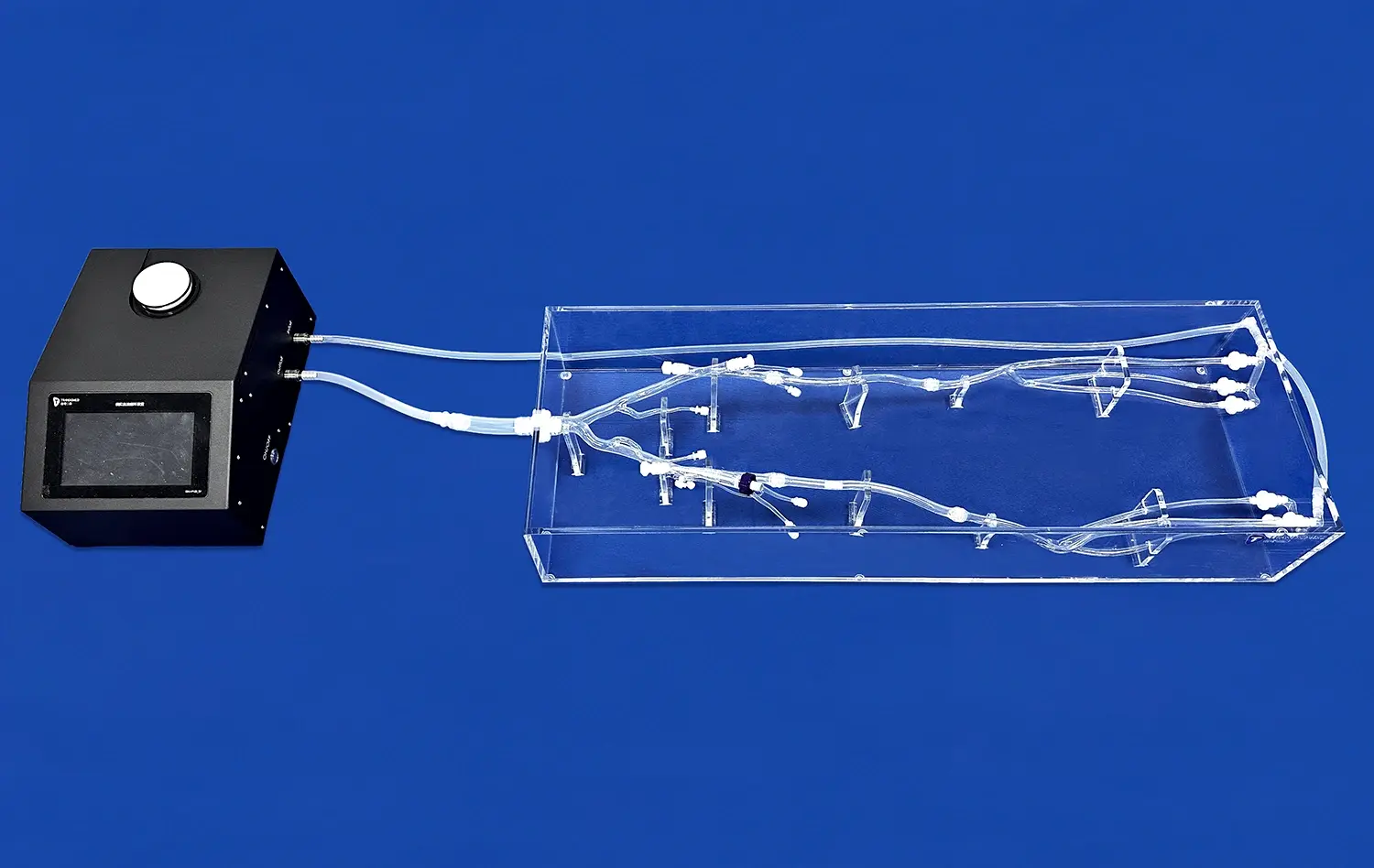
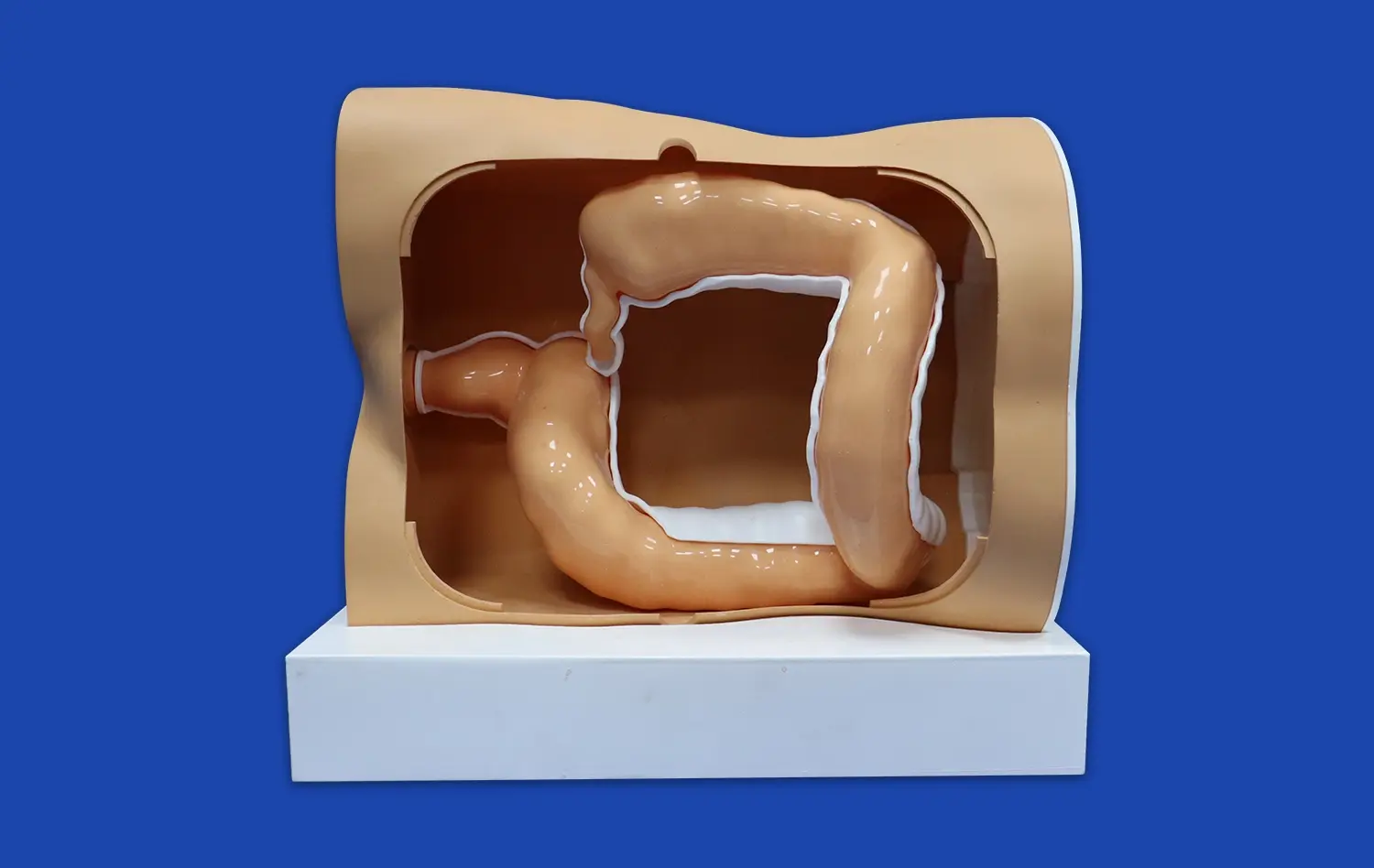
When looking for a trustworthy company to buy a detachable coronary model for medical training, Trandomed stands out as a top maker of realistic cardiovascular simulation equipment. The XX004D type we're selling is the most modern one on the market. It has features that can be changed to fit the needs of medical schools, hospitals, research centers, and training centers all over the world. Trandomed has been using medical 3D printing technology for more than 20 years and makes high-quality models that help teach cardiovascular science and clinical skills in a variety of training settings.
Understanding Detachable Coronary Models: Features and Educational Value
Detachable artery models are a huge step forward in cardiovascular medical education because they are exact copies of the organs that can be taken apart for more in-depth study. These high-tech teaching tools give medical workers and students access to the structure of the coronary arteries that has never been seen before. They can manipulate and examine the arteries directly.
Anatomical Accuracy and Material Quality
Modern cardiac computer models are mostly made of high-quality materials that are very close to the way real circulatory muscle feels. Silicone Shore 40A is used in Trandomed's XX004D model. This material is very durable while still being realistically flexible. This high-tech mix of materials makes sure that the model can be used over and over again in schools while still giving real physical feedback during training sessions.
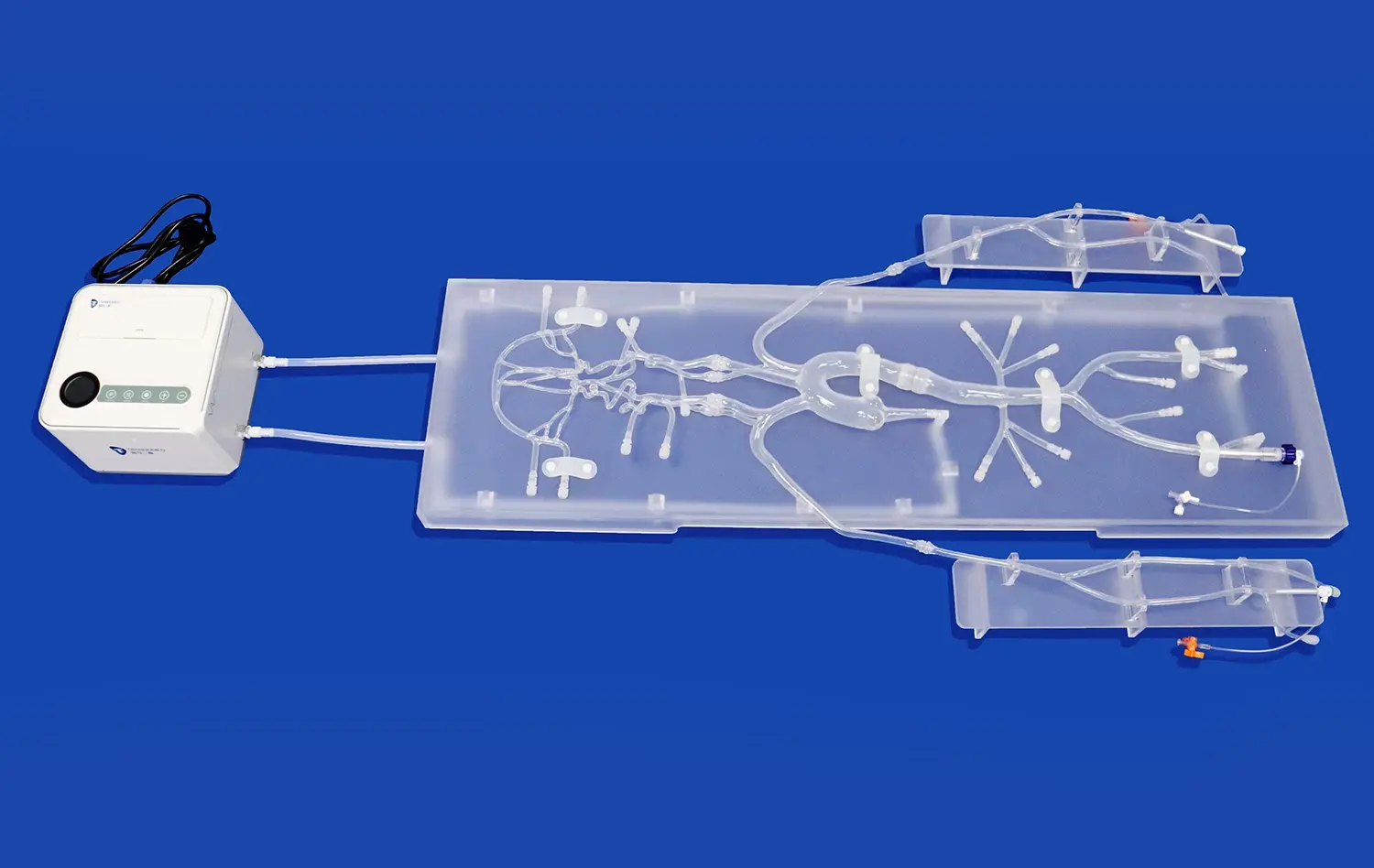
The model includes the whole coronary structure, from the radial and femoral arteries to the whole coronary circulation system. The left anterior descending artery (LAD), circumflex branch, lateral branches, and right coronary artery system are some of the most important parts of the heart. The coronary arteries are attached to a clear, hard heart structure that lets you see where you are in space and how deep things are, which is important for understanding how the heart and arteries work in three dimensions.
Educational Benefits and Training Applications
Detachable coronary models are very helpful for cardiovascular training programs because they provide better visualisation and more chances for interaction. Medical students can look at individual parts of arteries to learn how the different cardiac branches are connected spatially and what that means in a clinical setting. This hands-on way helps students understand heart structure better than standard methods that use textbooks.
The value for education goes beyond teaching basic anatomy and includes simulating diseases. Heart problems like stenosis, hardening, branching tumours, and chronic total occlusions can be shown in training programs. These realistic models of pathologies help doctors get ready for clinical situations they will face when they are actually caring for patients.
How to Choose the Best Detachable Coronary Model for Your Needs?
When choosing the right cardiac training plan, such as a detachable coronary model, you need to carefully think about a number of things that have direct effects on how well the training works and how much it will be worth in the long run. Schools and training centers need to compare their individual needs to the skills of various models to make sure that students get the best training possible.
Critical Selection Factors
When looking at cardiac computer models, the most important thing to think about is how long the materials will last. In a training setting, equipment needs to be able to survive being handled and put together many times without losing its physical accuracy or structural integrity. High-quality silicone materials have the right mix of realistic tissue qualities and long-lasting toughness.
Anatomical accuracy is another very important rating factor. The model needs to properly show the structure of the heart arteries and show how the different arterial parts relate to each other in terms of size. Accurate scale portrayal makes sure that what you learn in training works well in actual practice. Schools should make sure that the models meet set physical standards and have the right amount of complexity for the training they are meant to be used for.
Customization and Flexibility Options
Modern detachable coronary models can be changed in a lot of ways, which lets schools make sure that students are learning what they need to learn. The XX004D model from Trandomed has replaceable venous parts that show typical cardiac diseases. This lets teachers make different teaching situations without having to buy multiple full models.
Some of the customisation choices are branching lesions, hardened artery sections, and changeable stenotic parts with different rates of blockage. Using special clear links, these flexible parts are easy to swap out, which lets training sessions quickly switch between scenarios. Advanced customisation options let you change whole heart artery systems, giving you the most choices for training that fits your specific needs.
Where and How to Buy Detachable Coronary Models for Medical Training?
When buying medical training tools, it's important to be careful about which suppliers you choose to make sure the quality of the products, compliance with regulations, and ongoing support services. Healthcare and educational organisations need to work with well-known makers that know how to meet the specific needs of medical training settings.
Trusted Supplier Selection Criteria
Professional medical equipment sellers show how knowledgeable they are by knowing a lot about their products, following the rules, and having a history of success in educational technology. Trandomed has these qualities because it has 20 years of experience in medical 3D printing technology and making circulatory simulations.
Quality testing methods make sure that every model meets strict standards for material quality and physical accuracy. Suppliers you can trust will give you a lot of information about their products, like material approvals, physical confirmation reports, and proof that they meet all the standards for medical devices. These paperwork needs become very important for buying things for institutions and following the rules for approval.
Procurement Process and Logistics
When buying detachable coronary models, there are a few important things to keep in mind that affect how well they work in training programs. Lead times for regular models are usually between 7 and 10 days, but based on how complicated the specifications are, special designs may need more time to create.
Standard business-to-business payment methods, like telegraphic transfer (T/T) for company sales, are often used. Major foreign companies like FedEx, DHL, EMS, UPS, and TNT are among the shipping choices, so you can be sure of a safe arrival to any location in the world. Professional providers plan the details of shipping to keep transport times as short as possible and make sure that fragile medical equipment is handled correctly.
Large schools or training programs with multiple sites can save money by buying in bulk. Gradual savings based on order amounts are common in volume price systems. This makes large-scale solutions more cost-effective. Educational organisations should look into multi-year supply deals that ensure access for ongoing training programs and keep prices stable.
Maximizing the Use of Detachable Coronary Models in Medical Training
For cardiac computer models to be used effectively, they need to be put into organised ways that work with current lessons and make the most of their teaching value. Training programs need to come up with detailed rules that show teachers and students how to use things in the best way.
Curriculum Integration Strategies
For the successful inclusion of detachable coronary models in medical education, plans must be coordinated across a number of different educational areas. Progressive learning methods that start with simple heart structure identification and move on to more complex clinical changes are helpful for anatomy classes. This step-by-step approach makes sure that students fully understand the material before they face real situations.
These models can be used by cardiology training programs to help students learn percutaneous cardiac intervention (PCI) skills. They let students practise navigating catheters and putting devices in place in safe settings. Realistic physical feedback from high-quality models makes it possible to teach skills that can be used right away in clinical practice.
Assessment and Validation Protocols
For training to be effective, there needs to be a way to measure that skill learning and recall is happening. Students can show how well they know how to identify anatomy, spot pathologies, and carry out procedures by taking practical tests using cardiac models. These tests give clear measures of how well the training program is working and show where more training is needed.
Standardised testing procedures make sure that the results are the same across all training classes and instructors. Using detailed rubrics that test specific skills makes it possible to measure skills accurately and give students clear comments on how they can improve. Regular tests show how much progress has been made over time and prove that simulation-based training methods are useful for learning.
Conclusion
Buying high-quality detachable coronary models is a smart investment in making medical education better, and it leads to measured changes in the results of cardiovascular training. Trandomed's XX004D model is made of high-tech materials, accurately models human anatomy, and can be easily customised to meet the needs of medical schools all over the world. Educational groups can get the most out of these advanced training tools while also getting healthcare professionals ready for successful clinical practice by carefully choosing their suppliers and following organised implementation methods. When you combine the ability to simulate realistically with a wide range of customisation choices, these models will continue to be useful learning tools for years to come.
FAQ
How does a detachable coronary model show the anatomy correctly?
Anatomical correctness in cardiac models relies on accurate branching patterns, exact dimensional relationships between artery segments, and realistic material properties that mimic the qualities of human tissue. To make sure that Trandomed's models are clinically relevant and useful for teaching, they are rigorously tested against well-known anatomy standards.
Is it possible to change cardiac models to fit special training needs?
Many changes can be made to modern cardiac computer models, such as the ability to swap out diseased segments, change the rate of narrowing, and swap out artery sections. With Trandomed's customisation services, schools can make models fit their special training needs and educational goals without having to pay extra for design.
What kinds of support services are there after I buy a cardiac model?
Professional providers offer a wide range of support services after the sale, such as expert help, access to new parts, and training to make sure the model is used correctly. Trandomed's support services include sending products all over the world, expert advice, and continued customer help to make sure that training programs are implemented successfully.
Partner with Trandomed for Advanced Cardiovascular Training Solutions
With our precision-engineered detachable coronary model solutions, Trandomed is ready to improve your institution's cardiovascular training. We have been making detachable coronary models for 20 years and are experts in medical 3D printing. We are also dedicated to providing the best instructional materials. Our XX004D model has unmatched structural correctness, customisation options, and longevity that changes the results of cardiovascular education. Get in touch with jackson.chen@trandomed.com right away to talk about your specific training needs and find out how our all-encompassing solutions can make your program more effective while giving you the best value for your money.
References
Chen, M., et al. "Advanced Simulation Models in Cardiovascular Medical Education: Impact on Clinical Competency Development." Journal of Medical Education Technology, 2023.
Rodriguez, S. "Anatomical Accuracy Standards for Medical Training Simulators: A Comprehensive Review." Medical Device Quality Assurance Quarterly, 2022.
Thompson, K., et al. "Cost-Effectiveness Analysis of Simulation-Based Training in Interventional Cardiology Programs." Healthcare Education Economics Review, 2023.
Williams, A. "Material Science Applications in Medical Simulation Equipment: Silicone Technologies for Cardiovascular Models." Biomedical Engineering Applications, 2022.
Davis, R., et al. "Integration of Detachable Anatomical Models in Medical School Curricula: A Multi-Institutional Study." Academic Medicine Training Journal, 2023.
Martinez, L. "Quality Assessment Protocols for Medical Training Equipment Procurement in Educational Institutions." Healthcare Equipment Management Review, 2022.