
Which Companies Manufacture Detachable Coronary Models for Healthcare Professionals?
2026-03-16 09:00:05
For healthcare teaching and study uses, a number of specialised makers create detachable coronary model systems. Medical schools, hospitals, and device makers that need high-fidelity cardiovascular training platforms can use these modelling tools that are based on real human anatomy. Some of the best companies in their field are Trandomed, which is known for its precision-engineered silicone models, and well-known medical modelling companies that make modular copies of the heart. With the help of cutting-edge materials and 3D printing, these companies make realistic artery shapes that help teach interventional cardiology and test devices.
Overview of Detachable Coronary Models and Their Applications
Understanding the Core Design and Functionality
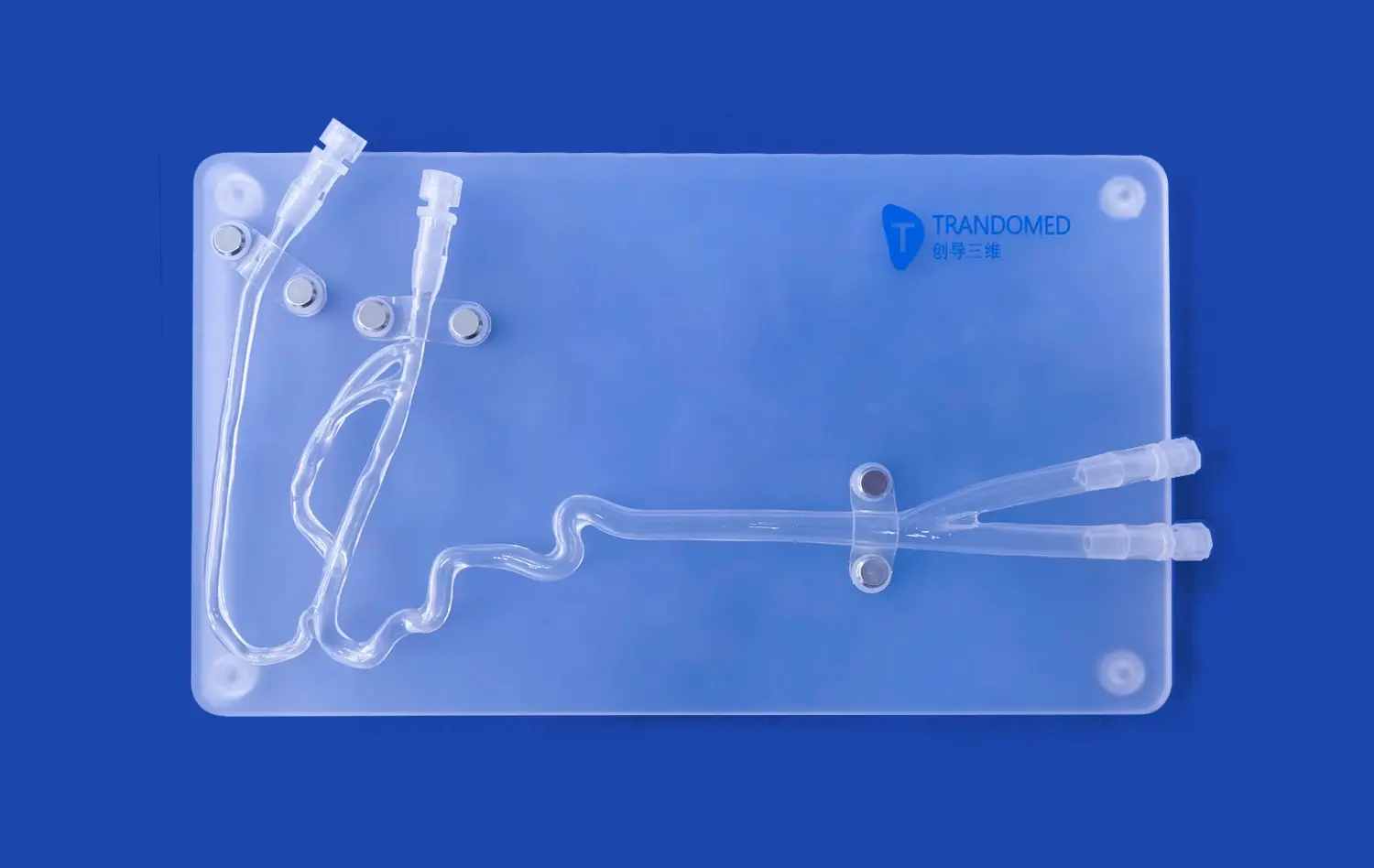
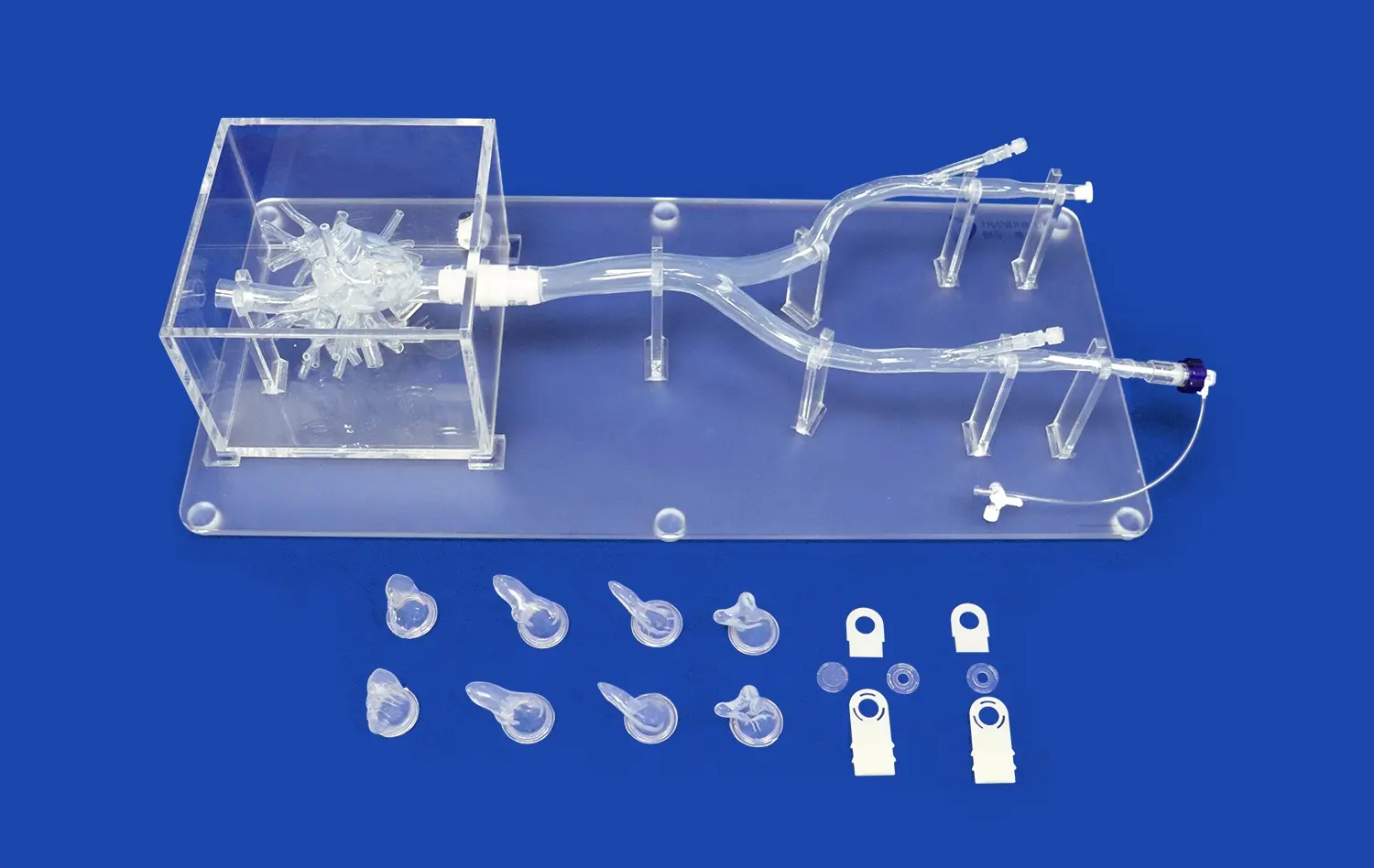
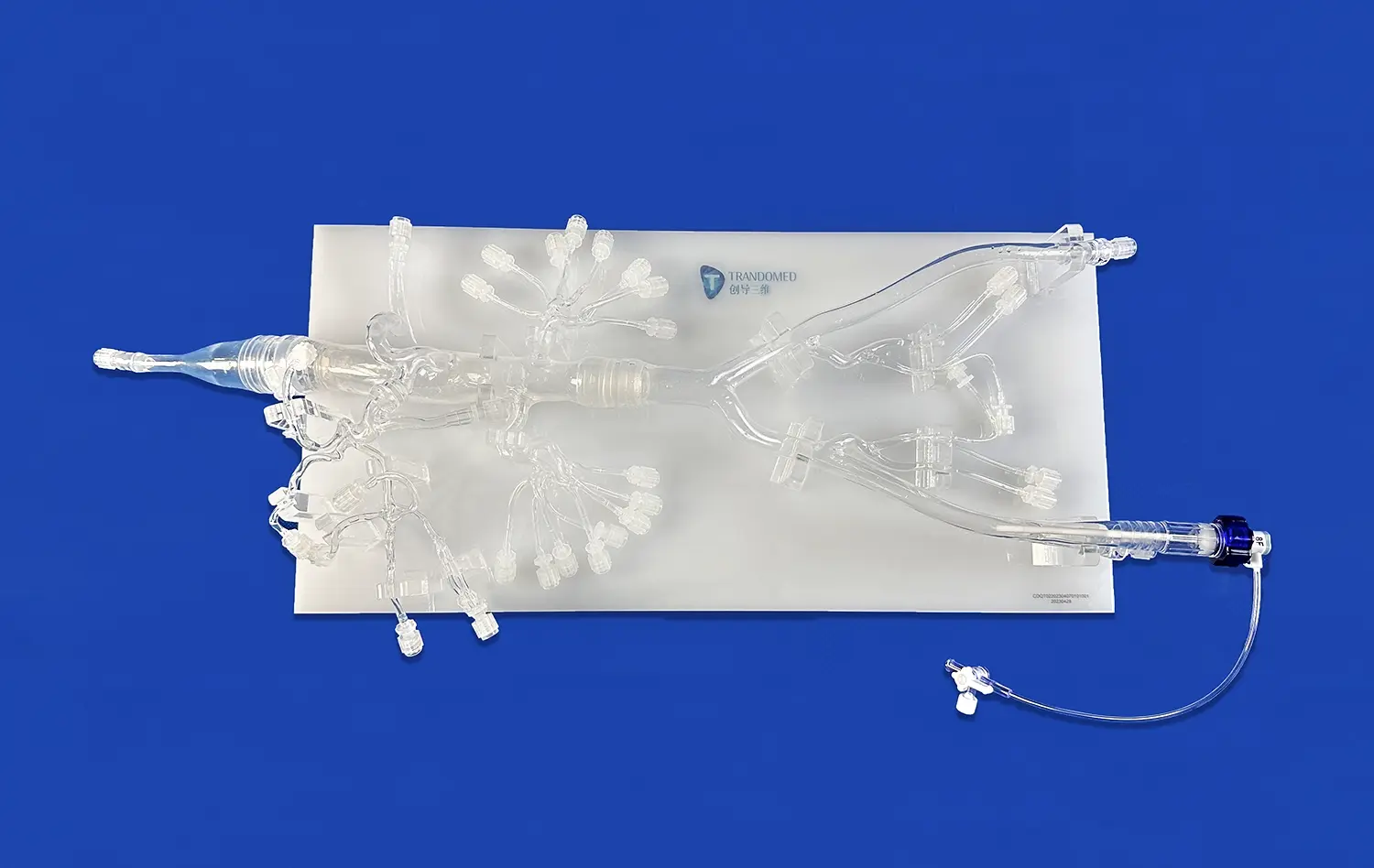
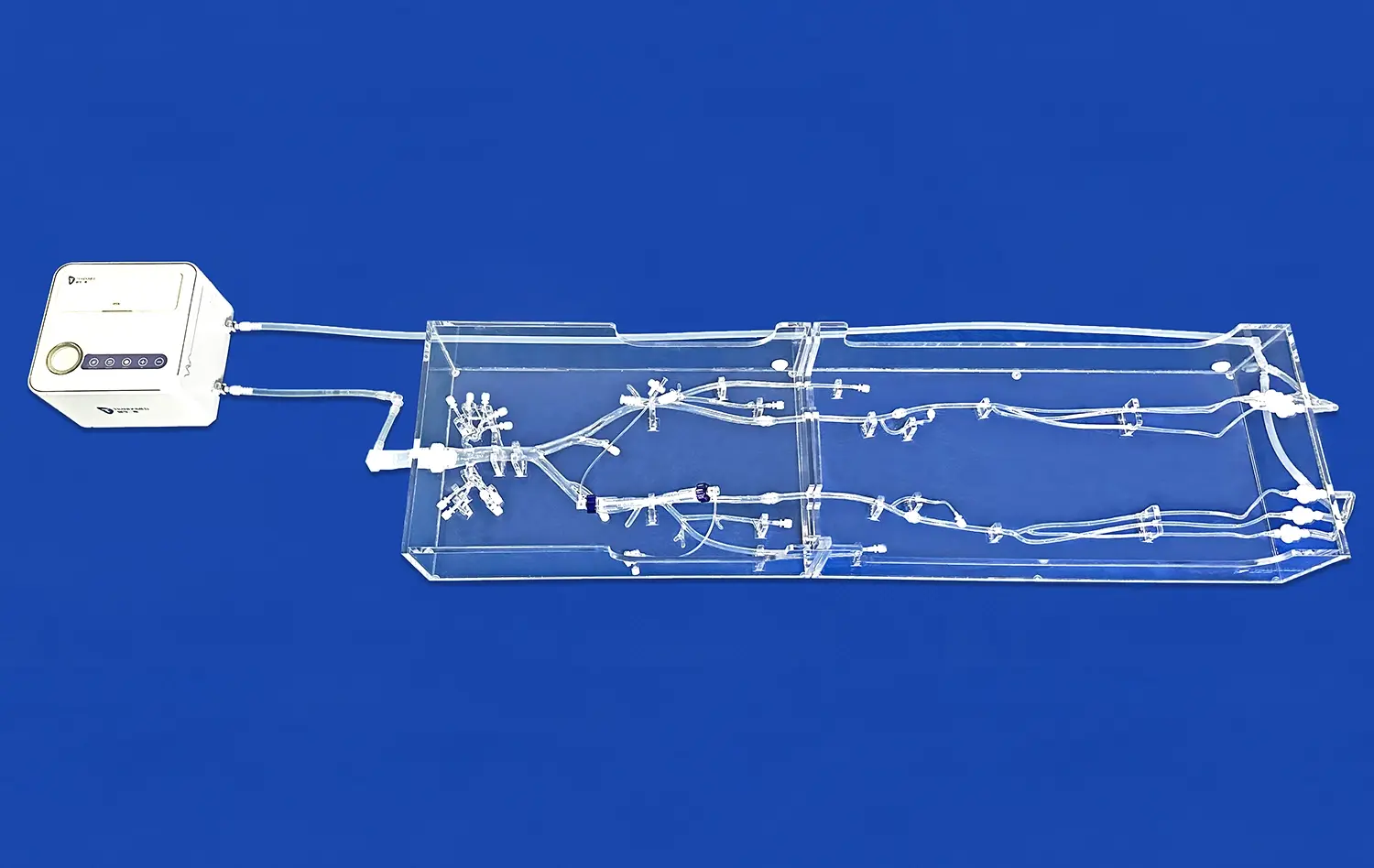
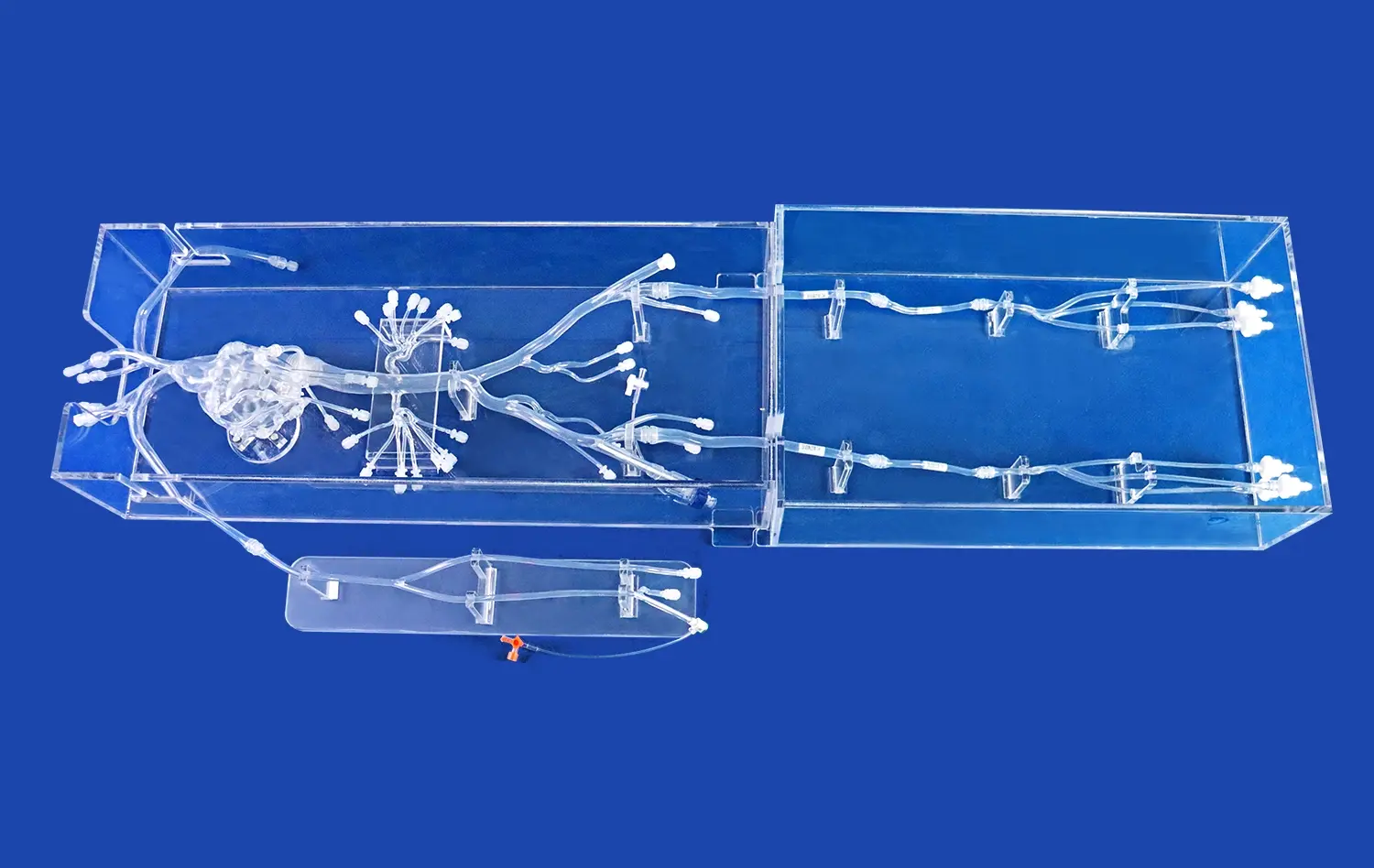
Modern cardiovascular modelling depends a lot on advanced training tools that very accurately simulate the human body. These special teaching tools show the whole coronary vascular system, from the radial and femoral arteries to the complicated network of coronary branches. The clear solid heart setting gives a realistic sense of space, which helps doctors see how the body's parts relate to each other in ways that are similar to what happens in real life.
Models are made with medical-grade silicone Shore 40A and advanced production methods. This makes sure that the models last a long time while still having the touch qualities that are important for training. The modular design theory lets you focus on teaching specific artery parts, which helps with both learning about basic anatomy and doing specialised treatments.
Primary Applications in Medical Education
These simulated tools are used by medical schools all over the world as part of full cardiovascular training programs. Modern cardiac models are very flexible, which helps with many teaching goals at the same time. In controlled settings that don't put patients at risk, students practise detection skills and get better at percutaneous cardiac intervention treatments.
Research uses go beyond basic schooling and include making devices and making sure they work right. These tools are used by companies that make medical devices to try things like tubes, guidewires, stents, and balloon systems before they are used in people. This testing feature lowers the cost of development while raising the safety rating of the product.
Material Science and Manufacturing Excellence
Modern cardiac simulation models are made with cutting-edge materials that strike a good mix between longevity and accuracy. Silicone substances make the tank flexible, and special production methods make sure that the wall width and surface roughness are always the same. These features make it possible for actual device movement and placement steps that are very similar to what happens in the clinic.
Transparent joints on a detachable coronary model make it easy to change parts, which supports longer training programs without affecting the structure of the model. This flexible method lowers long-term running costs while keeping the usefulness of education high in a wide range of training situations.
Leading Companies Manufacturing Detachable Coronary Models
Trandomed's Position in the Global Market
As a leader in the medical simulation business, Ningbo Trando 3D Medical Technology Co., Ltd has more than 20 years of experience making cardiovascular training options. Their detachable coronary model XX004D is a great example of precision engineering. It has the aortic arch, the left anterior descending branch, the circumflex branch, and the femoral arteries all fixed on clear heart frames.
The company is dedicated to new ideas that go beyond simple production and include custom disease modelling tools. Their models can handle different heart problems, like stenosis, calcification, bifurcation lesions, and chronic total occlusions, so they can be used as complete training tools for interventional cardiology programs.
Market Leaders and Their Distinctive Approaches
There are a number of well-known makers in the global market, and each one brings something different to cardiovascular modelling. These companies set themselves apart by the materials they use, how accurately they model the body, and how they can customise their products to meet the needs of different institutions.
Leaders in the industry keep their ISO and CE certifications up to date to make sure they meet foreign quality standards. Their product lines usually have a range of levels of complexity, from simple anatomical models that can be used for college courses to advanced modelling platforms that help with fellowship training programs.
Quality Standards and Certification Requirements
Professional medical simulation requires strict quality standards that make sure the learning is effective and safe. Leading makers use complete quality control systems that include testing materials, making sure measurements are correct, and checking for stability.
Certification methods make sure that both the quality of the product and its usefulness for education are met. This gives schools faith in their simulated investments. These standards make it easier for goods to be sold across borders and support the different legal settings in different global markets.
How to Choose the Right Detachable Coronary Model for Your Needs?
Looking at what the institution needs and what the training goals are
To choose the right detachable coronary model, you should first carefully look at the users' demographics and educational goals. Medical schools need different features than specialised heart training centers or companies that make medical devices. Understanding these differences helps you write the right specifications and choose the right vendors.
The budget includes both the original costs of buying something and the long-term costs of running it. Because parts can be replaced, modular designs often offer better value, and the ability to customise helps meet changing educational needs without having to update the whole system.
Evaluating Technical Specifications and Performance Criteria
Anatomical accuracy, material qualities, and flexible usefulness are the most important things to look at when judging. Here are the most important scientific factors that decide how well a model works:
- Anatomical Fidelity: Models must correctly show the sizes, branching patterns, and spatial relationships of cardiac vessels that are found in humans.
- Material Durability: Silicone materials should keep their surface properties and flexibility even after being used many times.
- Modular Design: Because parts can be swapped out, upkeep is cheaper and the program can be changed.
- Pathology Simulation: Customisable lesion parts allow for thorough training in a wide range of clinical situations
These requirements have a direct effect on the standard of training and the long-term value of education. For this reason, they need to be carefully evaluated in order to make the best buying choices.
Customization Options and Long-term Support
Modern modelling systems let you make a lot of changes that make the learning more relevant. Vascular pieces that can be switched out allow simulations of specific diseases that are taught in schools. Custom lesion designs support specific training methods while keeping the model's adaptability for a range of teaching uses.
Manufacturer support services for a detachable coronary model have a big effect on how useful a model is in the long run. Full guarantees, expert support, and the ability to get new parts all make sure that the teaching success lasts. These support parts are often more useful than the money saved at first by budget options.
Procurement Process: Where and How to Buy Detachable Coronary Models?
Direct relationships with manufacturers and the pros of them
Establishing direct ties with manufacturers like Trandomed offers many purchasing advantages that increase worth beyond the initial cost considerations. Direct transfers make sure that the product is real and give customers access to a wide range of customisation options without having to pay extra for design services. This method gets rid of markups added by middlemen and makes it easier to talk about specific institutional needs.
Buying in bulk can save you a lot of money, especially for schools with multiple locations or group buying programs. Different university purchasing policies can be met by flexible payment terms, such as T/T plans, which also help with budget planning across academic cycles.
Shipping and Delivery Logistics
When you buy something from another country, you need to pay close attention to shipping details and arrival dates. Well-known brands keep good ties with top shipping companies like FedEx, DHL, EMS, UPS, and TNT. This makes sure that deliveries are always on time in all places around the world. Lead times for normal setups are usually between 7 and 10 days, which helps with implementing the program on time.
For custom order processes to work with design testing and production stages, more planning is needed. But makers with a lot of experience make these steps easier by managing projects well and using clear communication rules that keep delays to a minimum.
Budget Planning and Cost Optimization Strategies
A good buying plan takes into account both the short-term costs of acquisition and the long-term costs of running the business. Detachable cardiac model systems are big investments that need to be carefully analysed financially to make sure they get the most value. Most of the time, modular designs are better for the long term because they are cheaper to repair and give schools more options.
The total cost of ownership for a detachable coronary model should be looked at by procurement teams. This should include things like the need for upkeep, the availability of new parts, and any possible customisation needs. Most of the time, these things are more important than the original price differences between goods.
Future Trends and Innovations in Detachable Coronary Models
Technological Advancement and Material Science
The circulatory modelling business keeps growing thanks to new uses in material science and improved ways of making things. 3D printing technologies make it possible to customise things in ways that have never been seen before, and they are still cost-effective for certain uses. These improvements allow for customised training situations that are based on particular patient characteristics or disease appearances.
Combining physical modelling with virtual reality settings is a big area for growth when it comes to integration with digital platforms. The educational effect of this mixed method is increased by offering complete learning experiences that involve many senses at the same time.
Research and Development Investment Trends
Major producers put a lot of money into research and development programs that help the business come up with new ideas. Trandomed shows this commitment by constantly working to improve their products in ways that improve anatomy accuracy and make customisation easier. These efforts will keep us ahead of the competition and help meet the changing needs of schooling.
The global market for advanced training tools is still growing. This is because simulation-based medical education is becoming more popular. This rate of growth supports more people having access to advanced training tools and encourages greater innovation.
Integration with Emerging Educational Technologies
In modern medical education, technology-enhanced learning situations that mix standard simulations with new digital technologies are becoming more and more important. Heart model platforms that can be detached are the building blocks of full training systems that use virtual reality, physical input, and performance data.
These combined methods give learners never-before-seen details about their progress and allow for personalised changes to the curriculum. When you combine physical modelling with digital improvement, you get fully realistic learning settings that help you learn more.
Conclusion
The world of cardiac modelling is always changing as technology improves and manufacturers come up with new ideas. Detachable coronary model systems are important parts of complete cardiovascular education programs. They help with everything from teaching basic anatomy to advanced training in interventional cardiology. Leading makers like Trandomed show how committed the industry is to quality, customisation, and educational success by making solutions that are precisely designed to meet the needs of a wide range of institutions. To make sure that the best educational value and long-term training success, it is important to carefully consider technical specs, the manufacturer's skills, and long-term support services before making a purchase.
FAQ
What are the heart arteries on the left and right?
The right coronary artery brings blood mostly to the heart's right side, which only sends blood to the lungs. The left coronary artery splits into the left anterior descending artery and the circumflex artery. These arteries bring blood to the heart's left side. For a wide range of teaching purposes, detachable cardiac model devices correctly mimic these physical features.
What is the heart's artery system?
The coronary arteries are the main blood veins that bring blood straight to the heart muscle. These blood tubes bring fresh blood to the muscle, which makes the heart work. The system has a right coronary artery and a left main coronary artery. Each one serves a different part of the body that is important for heart health.
What are the different kinds of arteries in the heart?
The left main coronary artery and the right coronary artery are the two main coronary vessels. The left main coronary artery brings blood to the left ventricle and atrium, which are parts of the heart muscle on the left side. These differences in anatomy are very important for understanding heart disease and therapeutic treatments.
Discover Premium Detachable Coronary Models from Trandomed
Trandomed provides the best circulatory modelling options in the business, made especially for healthcare teaching and gadget development. Our detachable coronary model XX004D is the result of 20 years of technical excellence. It is made of anatomically correct silicone and can be customised in a wide range of ways. As a reliable company that makes detachable coronary models, we offer full solutions that include unique disease modelling, fast shipping, and full technical support. Get in touch with jackson.chen@trandomed.com to look through our huge selection of products and talk about your unique training needs.
References
Johnson, M.R., et al. "Advanced Simulation Technologies in Cardiovascular Medical Education: A Comprehensive Review." Journal of Medical Education Technology, 2023.
Thompson, K.L. and Davidson, S.P. "Manufacturing Standards for Medical Simulation Devices in Interventional Cardiology Training." International Journal of Medical Device Innovation, 2022.
Rodriguez, C.A., et al. "Effectiveness of Modular Coronary Models in Percutaneous Intervention Training Programs." Clinical Simulation in Healthcare, 2023.
Williams, P.J. "Global Market Analysis of Medical Simulation Equipment for Cardiovascular Applications." Healthcare Technology Review, 2022.
Chen, L.M., et al. "Material Science Applications in Medical Simulation: Silicone-Based Cardiovascular Models." Biomedical Materials Research, 2023.
Anderson, R.K. and Murphy, T.S. "Procurement Strategies for Medical Simulation Equipment in Academic Healthcare Institutions." Healthcare Financial Management, 2022.
_1734507205192.webp)