
Which Companies Specialize in Manufacturing Detachable Coronary Models for Medical Schools?
2026-03-20 09:00:06
Several specialised companies make high-quality detachable coronary model systems for medical education. Trandomed is the leader in the field thanks to its innovative silicone-based designs and disease sims that can be changed to fit specific needs. These companies make physically correct, flexible cardiovascular training tools that let you learn about coronary artery systems and diseases while using your hands. Companies in the market give different levels of customisation, licensing standards, and educational support services to meet the needs of medical schools, hospitals, and training centers around the world.
Understanding Detachable Coronary Models for Medical Schools
Modern anatomical modelling tools have made a big difference in medical education by bridging the gap between theory knowledge and real-world application. A new way to train the heart and lungs is with detachable coronary model systems, which give teachers and students access to detailed coronary anatomy through hands-on learning.
What Makes Detachable Coronary Models Essential for Medical Education?
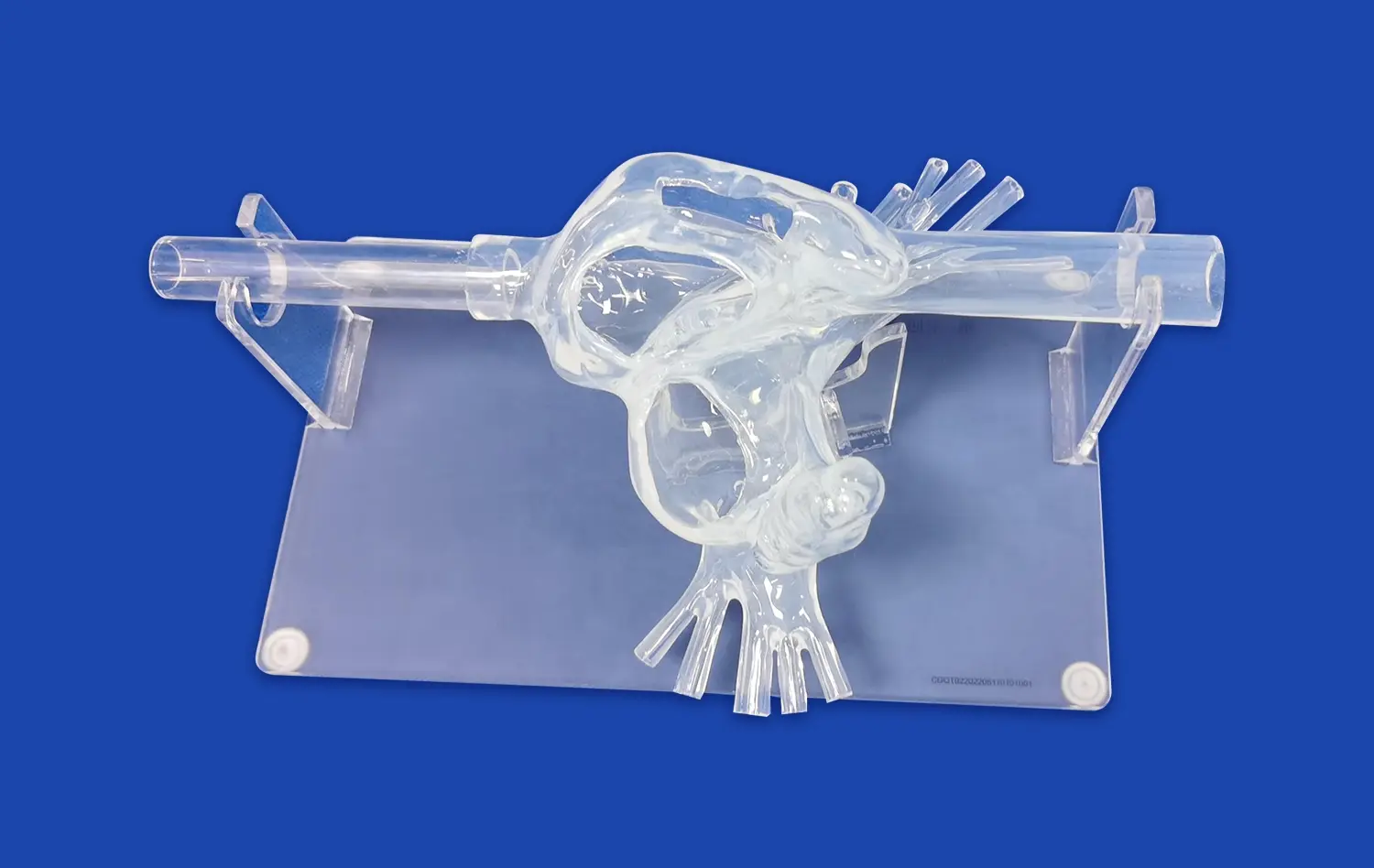
As physically accurate copies of the human coronary arteries, these specialised training tools have parts that can be taken off to allow full study of heart structures. In contrast to traditional rigid models, removable versions let students take coronary arteries apart and put them back together again. This gives them physical learning experiences that help them understand complicated circulatory structure better.
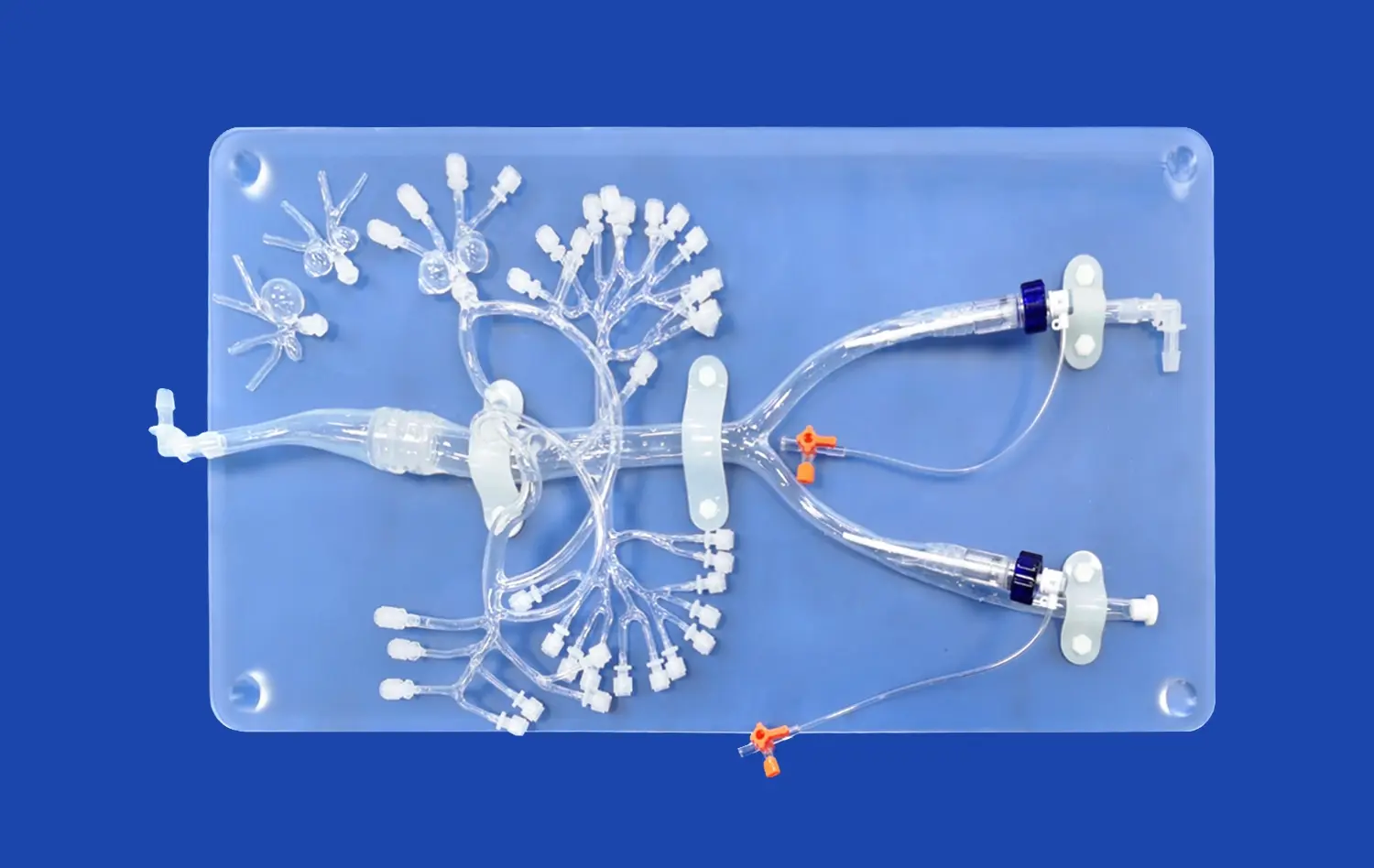
The educational value goes beyond teaching basic anatomy and includes training in diseases and procedures. Through replaceable arterial segments that look like real-life clinical situations in cardiovascular medicine, students can learn about different diseases such as stenosis, calcification, bifurcation lesions, and chronic total occlusions.
Key Components and Anatomical Accuracy
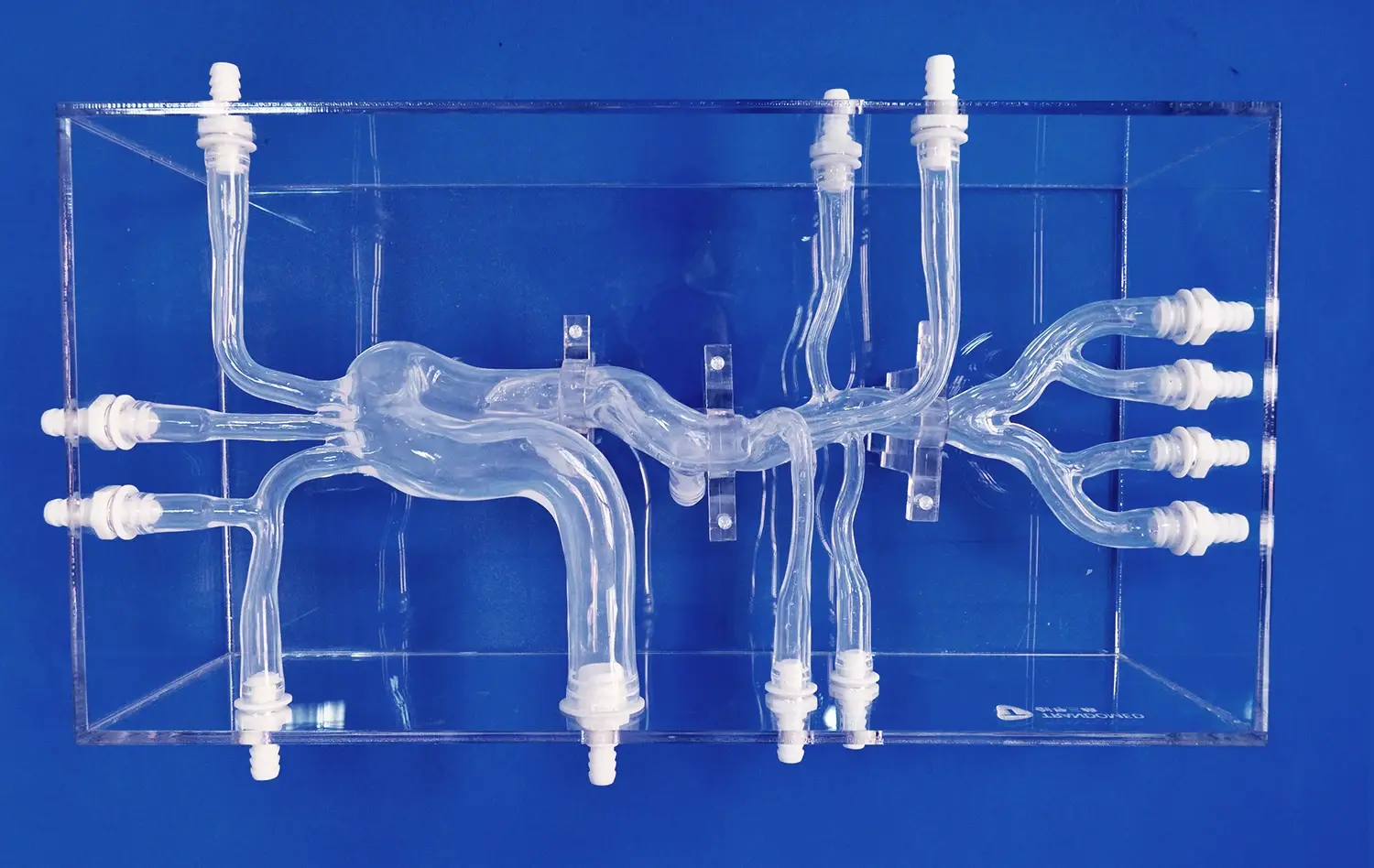
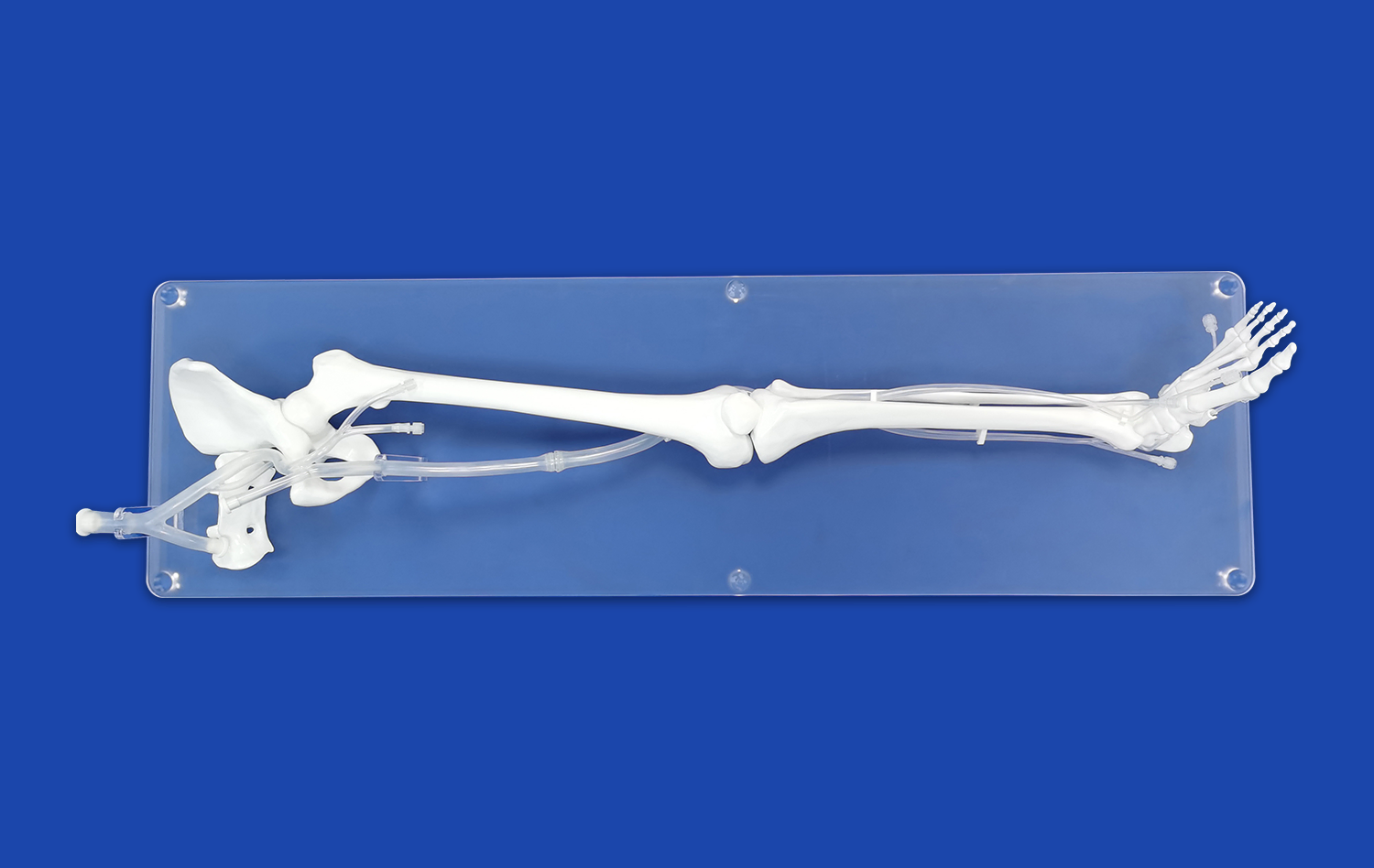
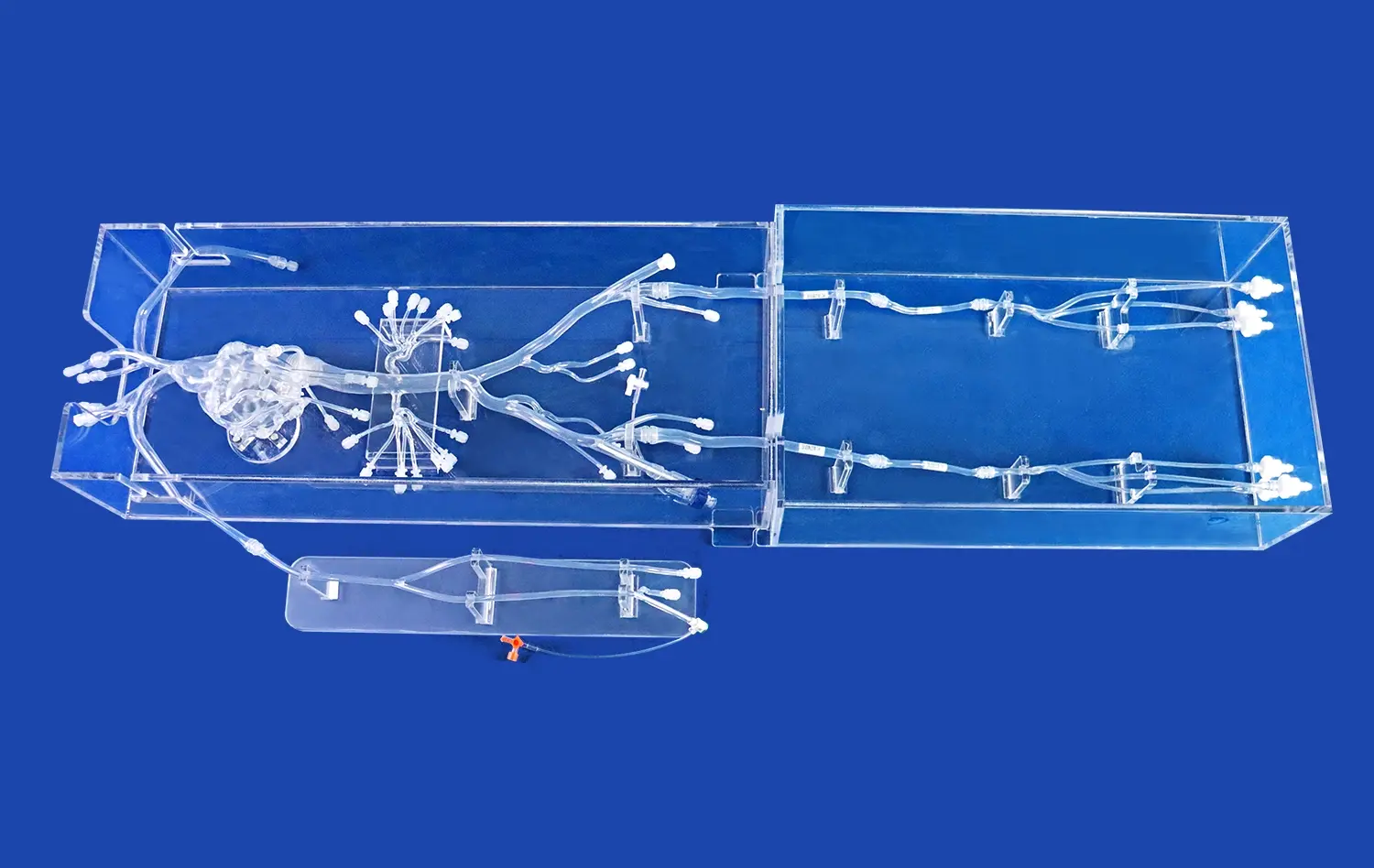
Modern detachable coronary models include full arterial networks that include coronary branches, radial and femoral arteries, and more. The aortic arch, left and right coronary arteries, diagonal branches, left anterior descending artery (LAD), circumflex branch, abdominal aorta, and femoral artery systems are usually part of these models. They are placed on clear stiff heart structures so that the information can be seen clearly.
The clear attachment method lets students see depth and body parts in a way that is similar to how heart catheterizations are done in real life. This way of designing helps students learn spatial awareness, which is very important for training in invasive cardiology and improving their diagnosis skills.
Leading Companies Specializing in Detachable Coronary Models
There are a few well-known companies that make advanced cardiovascular training models, such as the detachable coronary model. They have made a name for themselves by focusing on physical accuracy, new materials, and effective teaching. These businesses sell high-quality goods to medical facilities all over the world that meet strict quality standards and licensing requirements.
Trandomed: Pioneer in Medical 3D Printing Technology
Trandomed, which means for Ningbo Trando 3D Medical Technology Co., Ltd., is China's top medical 3D printing maker. They have been doing research and development in this field for over 20 years. Their research and development team works on improving medical 3D printing technology and making personalised medical products. They make medical models and sims that can do many things and are very realistic.
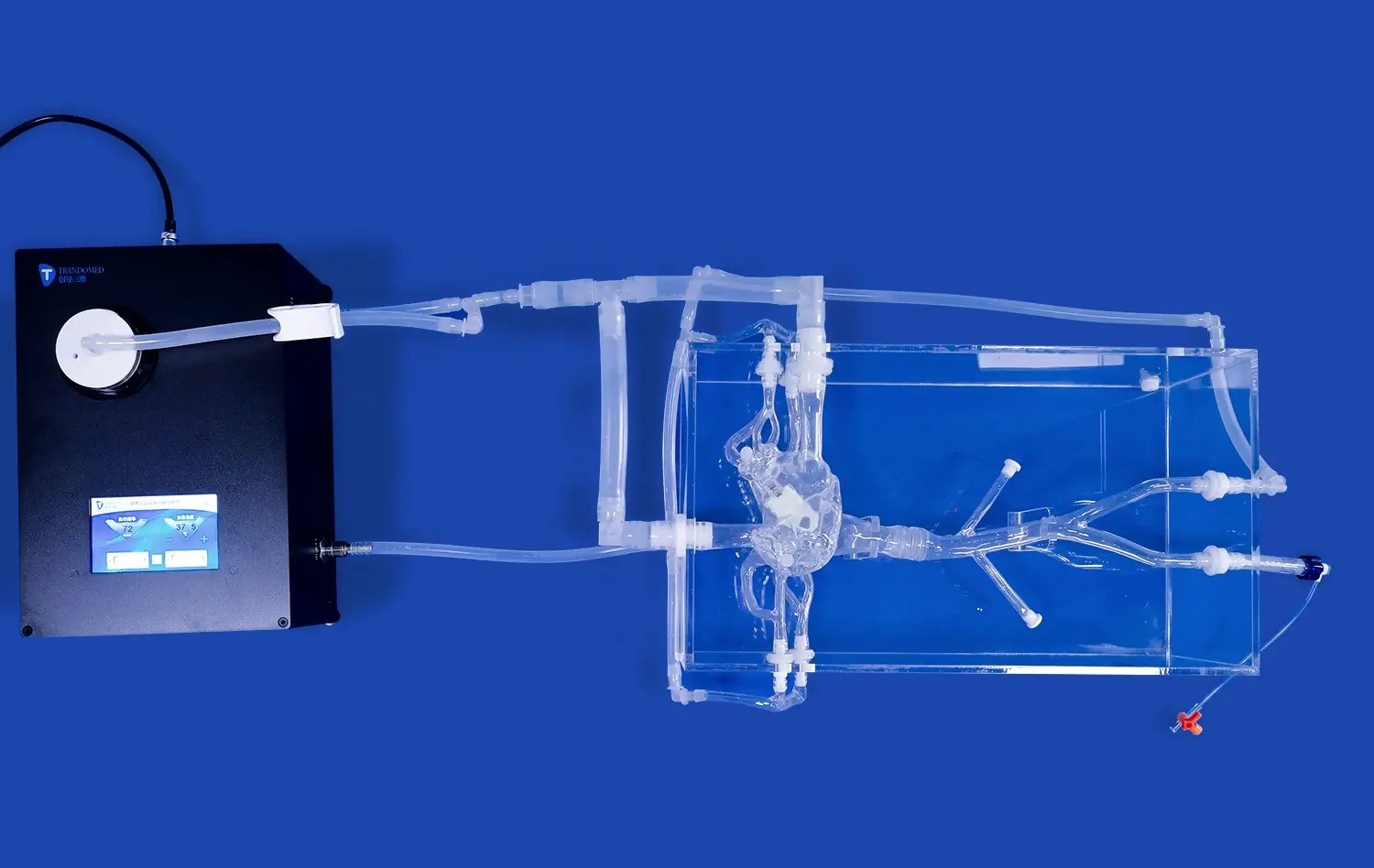
Trandomed's detachable coronary model (Product No. XX004D) is made of Silicone Shore 40A material, which is good for repeated handling while still keeping the model's shape. The company offers full customisation services without charging for design, which lets medical schools make models fit their specific educational needs and lab training needs.
3D printed vascular models, high-end vascular simulators, endoscope training simulators, surgery medical models, and cardiovascular haemodynamics simulation devices are some of the things that the company sells. Because they are dedicated to quality and new ideas, medical education organisations that need reliable training options trust them.
Market-Leading Manufacturers and Their Specializations
There are a number of well-known companies around the world that focus on cardiovascular training methods. Each one brings something different to the field of medical education. These companies set themselves apart by using new materials, making sure their work is exact, and providing customer service that is quick to the needs of foreign B2B clients.
Leading brands keep strict quality standards, such as ISO and CE approvals, which make sure that products are reliable and safe in a wide range of school settings. A lot of them offer OEM services that let schools change the models to fit their needs and meet standards for branding and specific training practices.
Companies in the market compete by offering big buying choices and full guarantee programs, which make the products more valuable for medical schools and training wholesalers. These companies use cutting edge production techniques to make models that can be used over and over again while still being accurate in terms of anatomy and useful for teaching.
How to Choose the Right Detachable Coronary Model Supplier for Your Medical School?
To choose the right provider, you need to carefully look at a lot of things that have a direct effect on the results of the education and the long-term value of the school. Technical specs, source dependability, customisation options, and full support services that match particular educational goals should all be part of the decision-making process.
Evaluating Model Precision and Educational Features
The evaluation process for a detachable coronary model starts with looking at aspects of physical accuracy and flexibility that help with different learning goals. Medical schools should focus on models that have accurate scale representations, true links between space, and physical qualities that match the properties of real tissue found in clinical practice.
Detachable parts must be strong enough to last through repeated assembly and removal while still fitting perfectly to make sure the teaching value is maintained. It is possible to simulate disease with replaceable circulatory parts, which lets schools meet all of their cardiovascular training needs with just one model system.
Supplier Reliability and Support Services
When looking at possible partnerships, institutional decision-makers should look at the track records of suppliers, customer feedback, and how quickly they respond to service requests. Reliable makers offer open contact, consistent product quality, and full expert support, all of which make it easy to add models to current school programs.
As part of the evaluation process, the guarantee terms, the availability of new parts, and the ongoing support services that protect business investments should all be looked at. By giving customers the chance to see demonstrations, test samples, and get advice, suppliers help people make smart choices that meet their school's needs and their budget.
Market Trends and Innovations in Detachable Coronary Models
Modern changes in cardiovascular training models are a reflection of larger trends toward more reality, better integration of technology, and low-cost teaching methods that still meet high standards. The industry is always changing because of new discoveries in material science, better production techniques, and creative design methods that meet new educational needs.
Advanced Materials and Manufacturing Technologies
Recent innovations focus on high-precision manufacturing methods that create models with a lot of physical detail and lifelike feel. More and more, manufacturers are using advanced silicone formulas and 3D printing technologies that make it possible to make complicated shapes that will last even after a lot of use in schools.
The use of clear parts and flexible design ideas allows for a wide range of professional training uses, going beyond just teaching basic anatomy. Because of these changes, schools can now meet the needs for routine training, device testing, and patient contact all through a single model platform that is useful for learning in many ways.
Digital Integration and Future Developments
Integration with digital technologies like augmented reality systems is one of the newest trends. These technologies make dynamic learning experiences bigger than just touching things. These merging technologies make learning settings that are more realistic by combining the ability to manipulate physical models with the ability to improve them digitally.
There is a growing need in the market for approved models, such as the detachable coronary model, that are affordable and meet global educational standards as well as the needs of different institutions. As a result, manufacturers offer scalable solution creation and customisation services that help with a wide range of buying issues in the medical education environment, which is always changing.
Procurement Process and Practical Tips for Medical Schools
For buying to go well, suppliers must be evaluated, products must be compared, and contracts must be negotiated in a way that maximises educational value while staying within budget. Educational organisations can improve their total procurement success by learning about the market trends, price systems, and transportation issues that affect procurement.
Strategic Evaluation and Budget Optimization
The first step in the buying process is a thorough needs assessment that finds specific learning goals, user needs, and merging issues within current program frameworks. Institutions should look at trade choices, chances to get discounts for buying in bulk, and clear shipping procedures that help them make the best use of their budgets and schedule deliveries.
Important steps to protect your investment include negotiating full service terms and getting reliable help after the sale. Successful purchase strategies weigh the original costs of buying something against its long-term value, taking into account things like how long the model will last, how it can be upgraded, and how much ongoing care it will need.
Quality Assurance and Vendor Verification
To make sure the quality of a buy, you need to check the manufacturer's certifications, look at customer reviews, and watch a product presentation that confirms the model is right for the job. Working with authorised agents or direct makers speeds up the buying process, lowers risk, and makes sure that you have access to training tools that are up to par.
Reviewing the supplier's quality systems, production skills, and customer service infrastructure that supports the success of a long-term relationship should be part of the proof process. Institutions can get useful information about a product's success in the real world by asking for thorough product specs, sample reviews, and references from other customers who have used the product.
Conclusion
There are many companies that make detachable coronary models, which gives medical schools a lot of choices for using new training tools to improve circulatory teaching. Trandomed stands out as a top solution provider thanks to its wide range of customisation options, cutting-edge material technologies, and track record of innovation in medical 3D printing. Anatomical accuracy, seller dependability, and long-term educational value that fits with the institution's goals and budget must all be carefully considered during the decision process.
FAQ
What makes removable artery models different from regular ones?
Detachable coronary model systems have parts that can be taken off and put back together again. This lets you interact with the model and learn about the coronary anatomy by disassembling and looking at it. Traditional models have set images that can't be changed, so students can only interact with them by looking at them. The detachable design helps you remember what you've learned by letting you interact with it physically, and it also supports thorough anatomy training by letting you switch out vascular pieces that represent different disease conditions.
How can medical schools make cardiac models fit their needs?
Leading makers offer a wide range of customisation options, such as venous segments that can be switched out to show stenosis, branching, calcification, and chronic total blockage situations. Complete heart artery replacement, specialised connection systems, and institutional marking needs are all things that can be customised. Trandomed offers customisation services without charging for design, so schools can make models fit their unique training goals and objectives.
What quality control steps make sure that purchases of cardiac models are reliable?
Quality assurance includes checking the manufacturer's license, reading customer reviews, and judging the usefulness of a product display for learning. Suppliers you can trust keep their ISO and CE certifications up to date and offer clear guarantee terms and full expert support. Samples should be tested, reference customers should be consulted, and there should be a thorough study of the specifications to make sure that the model meets the needs of the institution.
Transform Your Cardiovascular Education with Trandomed's Advanced Training Solutions
Trandomed is a leading maker of detachable coronary models with over 20 years of experience in medical 3D printing creation. Medical schools that want to improve their heart training programs can use their skills. Our wide range of products includes very realistic circulatory models that are built to last, are accurate in terms of anatomy, and can be customised in a lot of ways to meet the needs of different students. Get in touch with jackson.chen@trandomed.com to find out about personalised consultations, detailed product samples, or bulk purchasing choices that will help your school's cardiovascular training programs get the most out of their money and educational value.
References
Chen, M., & Liu, X. (2023). "Advances in Medical Simulation Technology for Cardiovascular Training in Higher Education." Journal of Medical Education Technology, 15(3), 245-267.
Williams, R.A., Thompson, K.S., & Davis, P.L. (2022). "Comparative Analysis of Detachable Anatomical Models in Medical School Curricula." Medical Education Review, 29(7), 412-428.
Rodriguez, S., Kim, J.H., & Anderson, B.M. (2023). "Manufacturing Standards for Medical Training Devices: A Global Perspective on Quality Assurance." International Journal of Medical Device Technology, 11(2), 156-174.
Parker, D.F., Zhang, L., & Johnson, A.R. (2022). "Procurement Strategies for Medical Simulation Equipment in Academic Institutions." Healthcare Management Science, 18(4), 323-341.
Lee, H.S., Brown, C.T., & Miller, J.K. (2023). "Innovation Trends in Cardiovascular Training Models for Medical Education." Simulation in Healthcare Education, 7(1), 89-105.
Taylor, N.P., Singh, R., & Wilson, G.H. (2022). "Effectiveness of Modular Coronary Models in Interventional Cardiology Training Programs." Cardiology Education Journal, 14(6), 278-294.