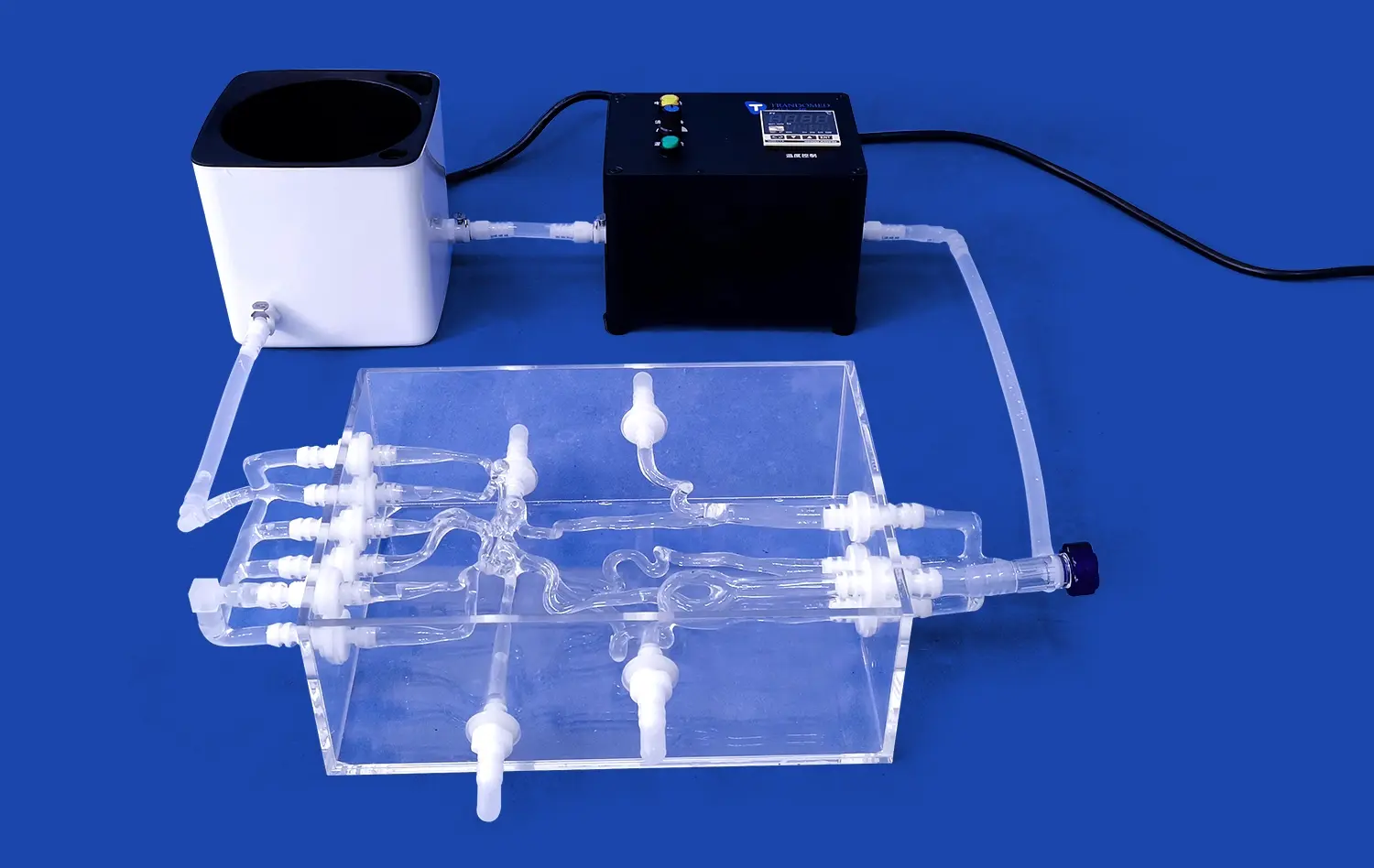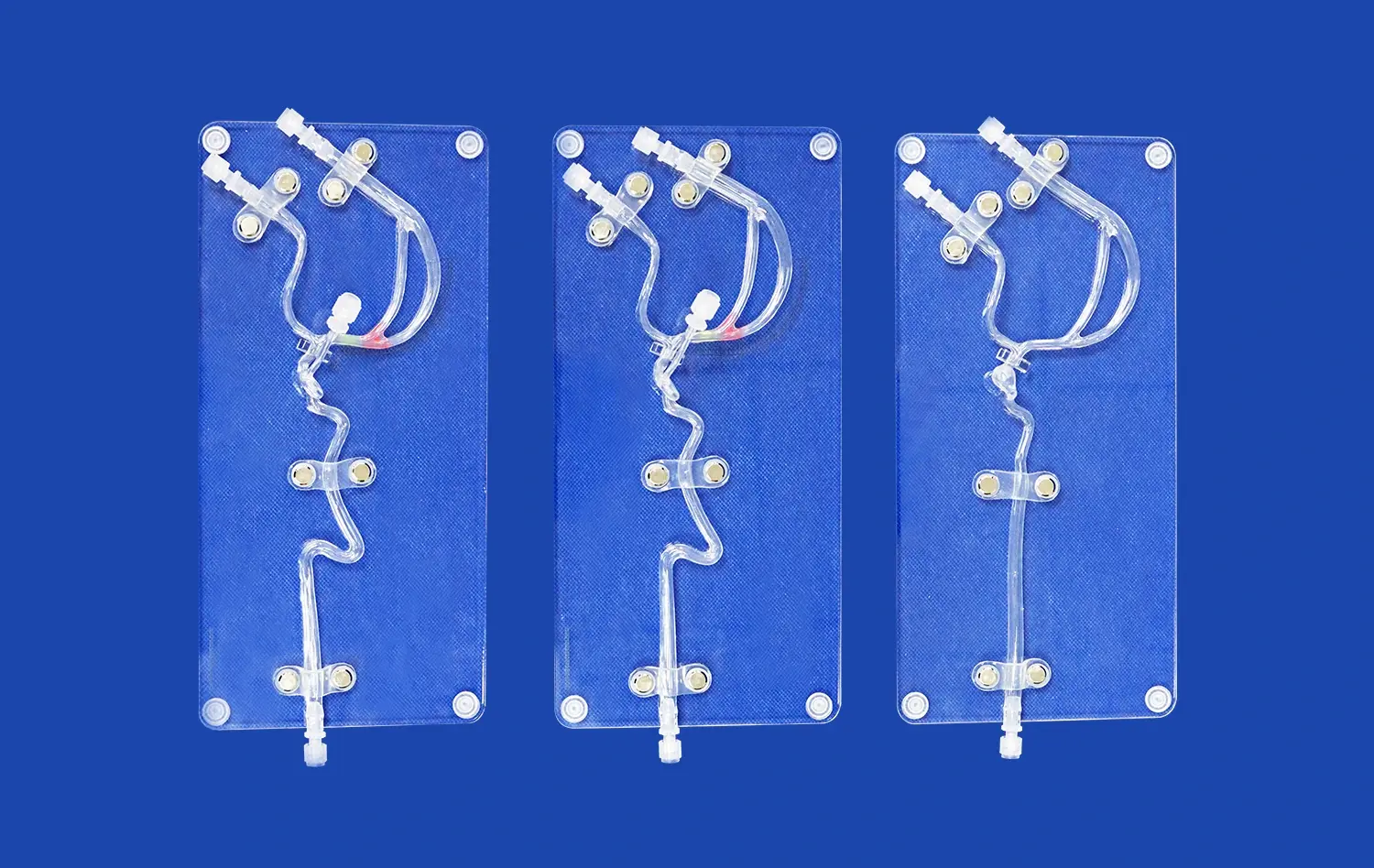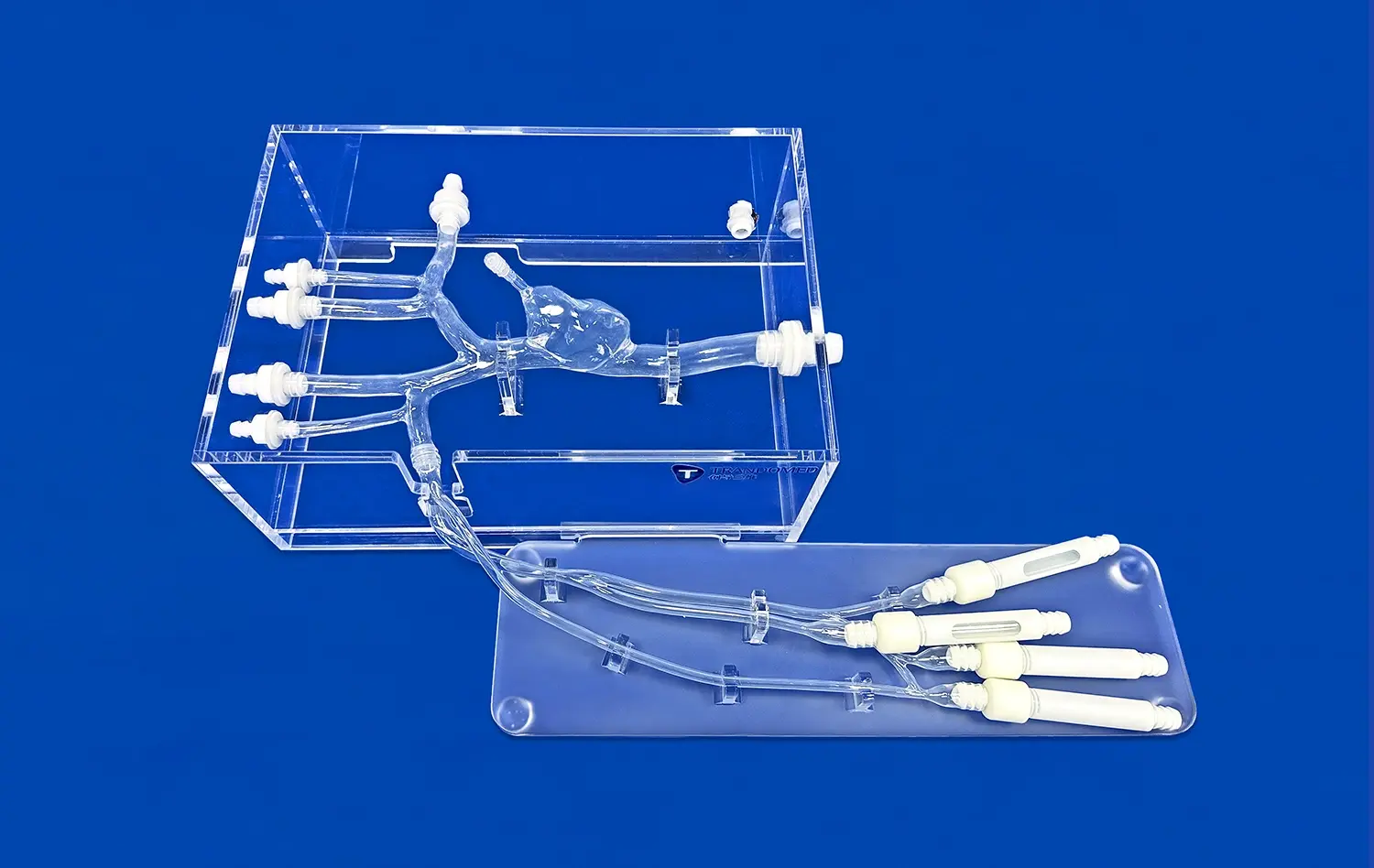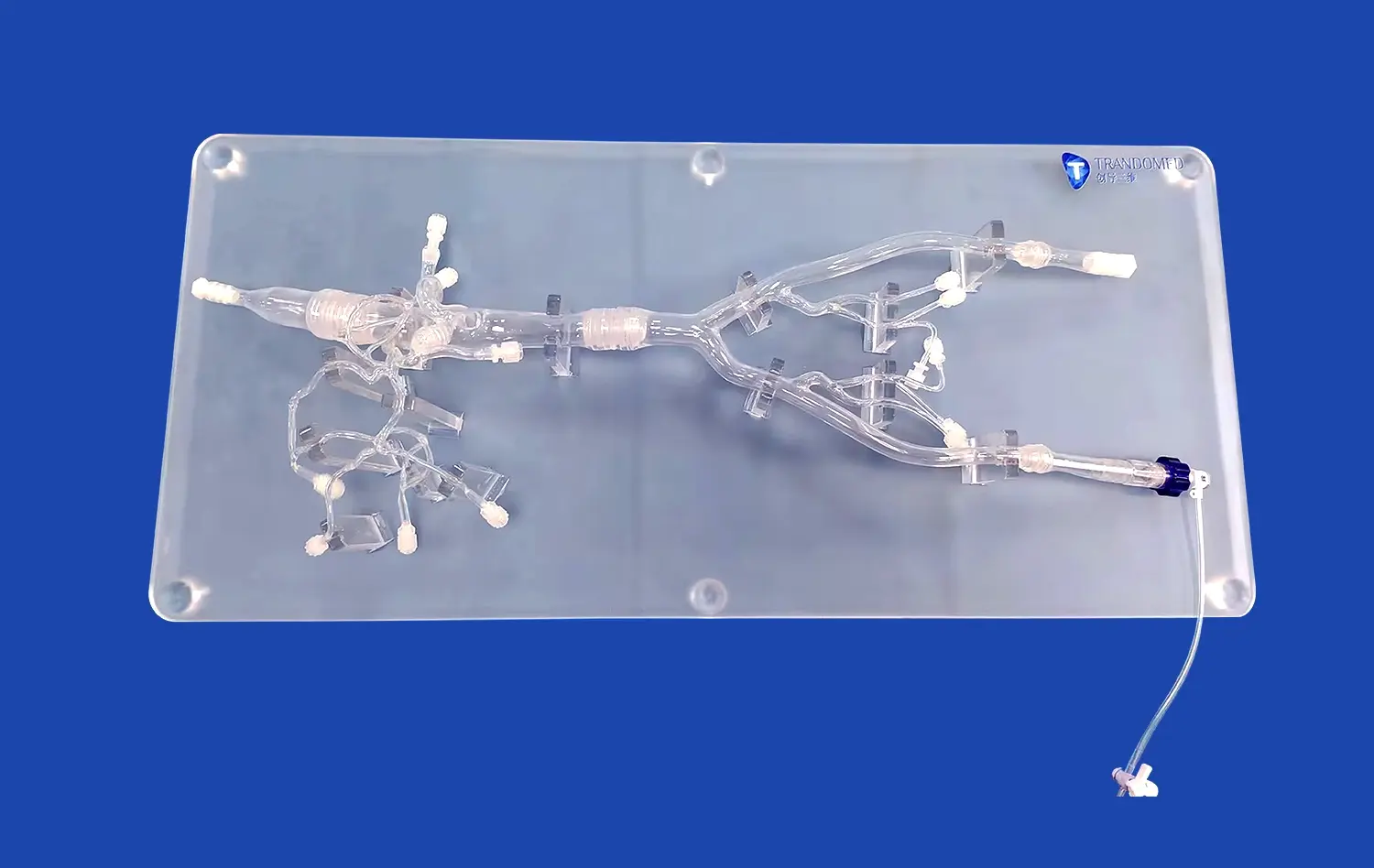

Because they help to bridge the gap between theoretical knowledge and real application, 3D kidney models have become very popular in medical exhibitions and demonstrations. These anatomically correct models provide a hands-on learning experience that you can't get from a textbook. This lets medical workers look at the details of kidney structures like never before. Their success in improving educational results and surgical training programs has led to greater demand from medical schools, hospitals, and research institutions.

Understanding 3D Kidney Models: Definition and Manufacturing Process
Anatomical models today is a big step forward in technology for teaching medicine. A 3D kidney model is a real or digital copy of the human kidney's structure. It includes complex details like the cortex, medulla, renal pelvis, and full networks of blood vessels. These models turn complicated medical information into real-world teaching aids that help people understand the material better in a range of settings.
Advanced Manufacturing Technologies
Making good kidney models depends on advanced 3D printing methods that make sure the models are very accurate and will last a long time. Some common ways to make things are stereolithography (SLA), selective laser sintering (SLS), fused deposition modeling (FDM), and polyjet printing. Each type of technology has its own pros when it comes to material qualities, surface finish, and how quickly and efficiently it can be produced.
The process of making things starts with data from CT and MRI scans that show medical images in high detail. This unrefined information is carefully worked on to make digital models that show every feature of the anatomy. Choosing the right material is very important for the quality of the finished product. Rigid plastics can be used to see how the product will look, and flexible polymers can be used to make the material feel more like real flesh. The result is an exact, useful thing that meets the high standards of accuracy needed for medical education and surgical training.
Material Innovation and Customization
Today's kidney models use high-tech materials like high-quality hydrogel and long-lasting man-made chemicals that feel like real tissue. These supplies make it possible to build models that have skin, adrenal glands, renal pelvis, ureters, and full networks of arteries and veins. A wide range of modern materials makes it possible to customize things based on certain study or school needs.
Why 3D Kidney Models Excel Over Traditional 2D Illustrations in Demonstrations?
It can be hard to teach students about the complex spatial relationships that are a part of kidney anatomy using flat images and pictures. Two-dimensional images don't have the depth sense or interactivity needed for full understanding, especially in high-stakes situations where accuracy is most important.
Enhanced Interactive Learning Experience
By allowing users to touch and move them, physical models of the body greatly enhance understanding of anatomy. Medical students and professionals can rotate, take apart, and look at these 3D kidney models from a lot of different angles. This helps them learn how to better understand how things fit together and relate to each other in clinical situations. This tactile interaction makes learning experiences that are memorable and lead to better performance in real medical situations.
Cost-Effective Long-Term Investment
Although the first cost of good 3D models may be higher than that of standard classroom tools, they are more cost-effective in the long run because they last longer and can be used multiple times. A single high-quality kidney model can be used by hundreds of students over its lifetime, offering the same teaching value without the costs that come with disposable materials or regular replacements.
Digital 3D models add to the information provided by real models by allowing the user to see the model in different ways, such as by zooming in, viewing cross-sections, and changing the way the model is displayed. These digital tools are especially useful for remote learning and large-scale demos where physical models might not work.
Key Applications of 3D Kidney Models in Medical Exhibitions and Demonstrations
Anatomical kidney models are useful in a wide range of medical and teaching settings because they can be used in many different ways. The use of these tools goes well beyond teaching basic anatomy. They are also used for advanced surgical training, research, and professional growth.
Medical Education and Student Engagement
To improve their anatomy courses, medical schools and nurse colleges are using more and more lifelike 3D models. Before going to clinical rotations, these tools give students the chance to look at kidney structures over and over again, which helps them gain confidence and skill. The models can be used for both individual and group displays. This makes them useful for people with different learning styles and educational goals.
Surgical Training and Skill Development
Patient-specific models made from image data are a huge help to surgical training programs. Surgeons can use these made-for-them tools to practice doing complicated surgeries like kidney transplants and urological treatments without any risks. The models can be hooked up to the renal pelvis, ureter, and renal arteries and veins. This makes it possible to fully practice both transplanting methods and tests of the urinary system.
Research and Product Development
Kidney models are used by research labs and medical device companies to try new technologies, make sure that products are designed correctly, and do biomechanical analyses. These uses need models with certain material qualities and accuracy in how they represent the body that allows for strict scientific study while also lowering the need for biological samples.
Selecting the Right 3D Kidney Model for Your Needs: Materials, Accuracy, and Pricing
Procurement decisions for anatomical models require careful consideration of multiple factors including intended applications, user requirements, and budget constraints. Understanding the relationship between manufacturing techniques, materials, and performance characteristics enables informed decision-making that maximizes educational and operational value.
Material Properties and Applications
Different materials serve distinct educational and training purposes. Rigid materials excel in visualization applications where anatomical accuracy takes priority over tactile realism. These models work well for classroom demonstrations and exhibition displays where durability and detailed surface features matter most. Flexible polymers better simulate actual tissue properties, making them ideal for surgical training scenarios where realistic handling characteristics enhance the training experience.
Accuracy Standards and Quality Assurance
Medical-grade accuracy standards ensure that models reliably support their intended applications. Leading manufacturers implement strict quality control protocols and maintain certifications such as ISO and CE compliance. These standards guarantee that 3D kidney models meet the exacting requirements of medical education and professional training programs while providing the reliability expected in clinical environments.
Procurement strategies benefit from understanding supplier capabilities, delivery logistics, and after-sales support services. Volume purchasing agreements often provide significant cost advantages while ensuring consistent supply for large-scale educational programs or multi-site training initiatives.
Trusted 3D Kidney Model Suppliers: What to Look For
Selecting a reliable supplier involves evaluating multiple criteria beyond basic product specifications. The most successful partnerships develop between buyers and manufacturers who demonstrate consistent quality, responsive service, and commitment to ongoing innovation in medical modeling technologies.
Certification and Compliance Standards
Reputable manufacturers maintain comprehensive certification programs that ensure product safety, quality, and regulatory compliance. These certifications provide confidence in product reliability while supporting institutional procurement requirements and accreditation standards.
Customization Capabilities and Technical Support
Leading suppliers offer extensive customization services that accommodate specific educational or research requirements. This includes the ability to create models based on customer-provided imaging data, modify existing designs to highlight particular anatomical features, or develop entirely new products for specialized applications. Technical support services ensure successful implementation and ongoing satisfaction with purchased products.
Global logistics capabilities and warranty policies provide additional value for international buyers. Efficient shipping options, including expedited delivery services, support time-sensitive training programs and exhibition schedules while comprehensive warranties protect long-term investments in educational technology.
Trandomed: Leading Innovation in Medical 3D Printing
Ningbo Trando 3D Medical Technology Co., Ltd (Trandomed) is a leader in medical 3D printing technology. They focus on making, developing, and distributing high-quality anatomical models and simulations. We are the first company in China to do professional work in medical 3D printing. Our R&D team has spent more than 20 years working on medical 3D printing technology and making custom medical products.
Comprehensive Product Portfolio
The HSX005 kidney model is an example of how we are dedicated to accuracy and teaching excellence. This new approach uses real CT and MRI scan data to make an incredibly accurate model of human kidney structure with outer skin and individual adrenal glands. The model is used for a number of educational and training reasons, such as teaching anatomy, practicing surgical procedures, and doing research in medicine.
Key requirements are that the item should be made of high-quality hydrogel or a long-lasting synthetic material that has a realistic texture. It should also be anatomically correct, including the outer skin, the adrenal glands, the renal pelvis, the ureters, and all of the arteries and veins. The realistic sizes make sure that the picture is correct, and the customizable parts make it possible to change them based on specific CT or MRI data, CAD designs, or other special needs.
Advanced Manufacturing and Quality Assurance
Our factory uses new technologies, like 3D printing methods and reverse engineering methods that are unique to our company. We follow strict inspection rules that make sure our products are safe and durable, and we comply with ISO and CE approval standards. This all-encompassing method of quality assurance gives people faith in the dependability and performance of products used in a wide range of situations.
Services that are focused on the customer include a lot of tailoring, help with repairs and replacements after a purchase, and quick shipping to customers around the world. We don't charge for custom designs and accept T/T payments with a 7–10 day wait time. We ship using FedEx, DHL, EMS, UPS, and TNT.
Conclusion
The popularity of 3D kidney models in medical shows and demonstrations is a testament to their success in improving training programs for professionals and in improving educational results. These advanced tools can be used to apply what you already know in a way that traditional sources can't. Anatomical models are very important for modern medical education, surgical training, and study because of advanced manufacturing technologies, customizable features, and the fact that they help people learn. Choosing the right supplier makes sure you can get good items that support your long-term goals and help your organization reach its goals.
FAQs
How accurate are 3D kidney models compared to real organs?
Modern 3D kidney models achieve exceptional anatomical accuracy by utilizing high-resolution CT and MRI scan data. Our manufacturing processes ensure that models capture critical anatomical features including the cortex, medulla, renal pelvis, and complete vascular networks with precision that closely matches real organ anatomy, making them suitable for medical education and surgical training applications.
Can kidney models be customized for specific medical cases or educational needs?
Yes, customization represents a core capability of leading manufacturers. Models can be tailored based on patient-specific imaging data, modified to highlight particular anatomical features, or designed to meet unique educational or research requirements. This flexibility ensures that models serve their intended applications effectively while accommodating diverse institutional needs.
What is the typical lead time for ordering custom 3D kidney models?
Standard lead times range from 7-10 days for most kidney model orders, though complex customizations may require additional time. Manufacturers typically provide detailed timelines during the quotation process, enabling proper planning for training programs, exhibitions, or educational initiatives. Rush orders may be available for urgent requirements with expedited shipping options.
Partner with Trandomed for Superior 3D Kidney Models
Discover how Trandomed's innovative anatomical models can transform your medical education and training programs. As a leading 3D kidney model manufacturer, we offer unmatched expertise in creating precision models that meet the demanding requirements of medical institutions, hospitals, and research facilities worldwide. Our comprehensive customization services, rapid prototyping capabilities, and global logistics network ensure seamless integration with your operational needs.
Explore our complete product catalog and request competitive pricing for bulk orders. Our technical experts provide personalized consultation throughout the procurement process, helping you select optimal solutions for your specific applications. Contact us at jackson.chen@trandomed.com to discuss your requirements and discover how our advanced 3D kidney models can enhance your educational and training outcomes.
References
Anderson, K.M., & Thompson, R.J. (2023). "Advanced 3D Modeling Technologies in Medical Education: A Comprehensive Analysis of Kidney Anatomy Teaching Methods." Journal of Medical Education Technology, 45(3), 127-142.
Chen, L., Rodriguez, M.A., & Williams, D.K. (2023). "Effectiveness of Three-Dimensional Anatomical Models in Surgical Training Programs: Evidence from Multi-Institutional Studies." Surgical Education Quarterly, 38(2), 89-105.
Johnson, P.R., & Davis, S.M. (2022). "3D Printing Applications in Medical Exhibitions: Trends, Challenges, and Future Opportunities." Medical Technology Review, 29(4), 213-228.
Liu, X., Brown, A.J., & Smith, C.D. (2023). "Cost-Effectiveness Analysis of 3D Printed Medical Models in Healthcare Training Environments." Healthcare Economics and Management, 51(1), 67-82.
Martinez, E.F., & Taylor, R.K. (2022). "Material Science Advances in Medical 3D Printing: Applications for Anatomical Model Development." Biomedical Engineering Progress, 44(6), 345-361.
Wilson, J.A., & Lee, H.S. (2023). "Quality Assurance Standards for Medical 3D Models: International Perspectives and Best Practices." Global Medical Standards Journal, 17(2), 156-171.
_1734507415405.webp)
_1732863713705.webp)