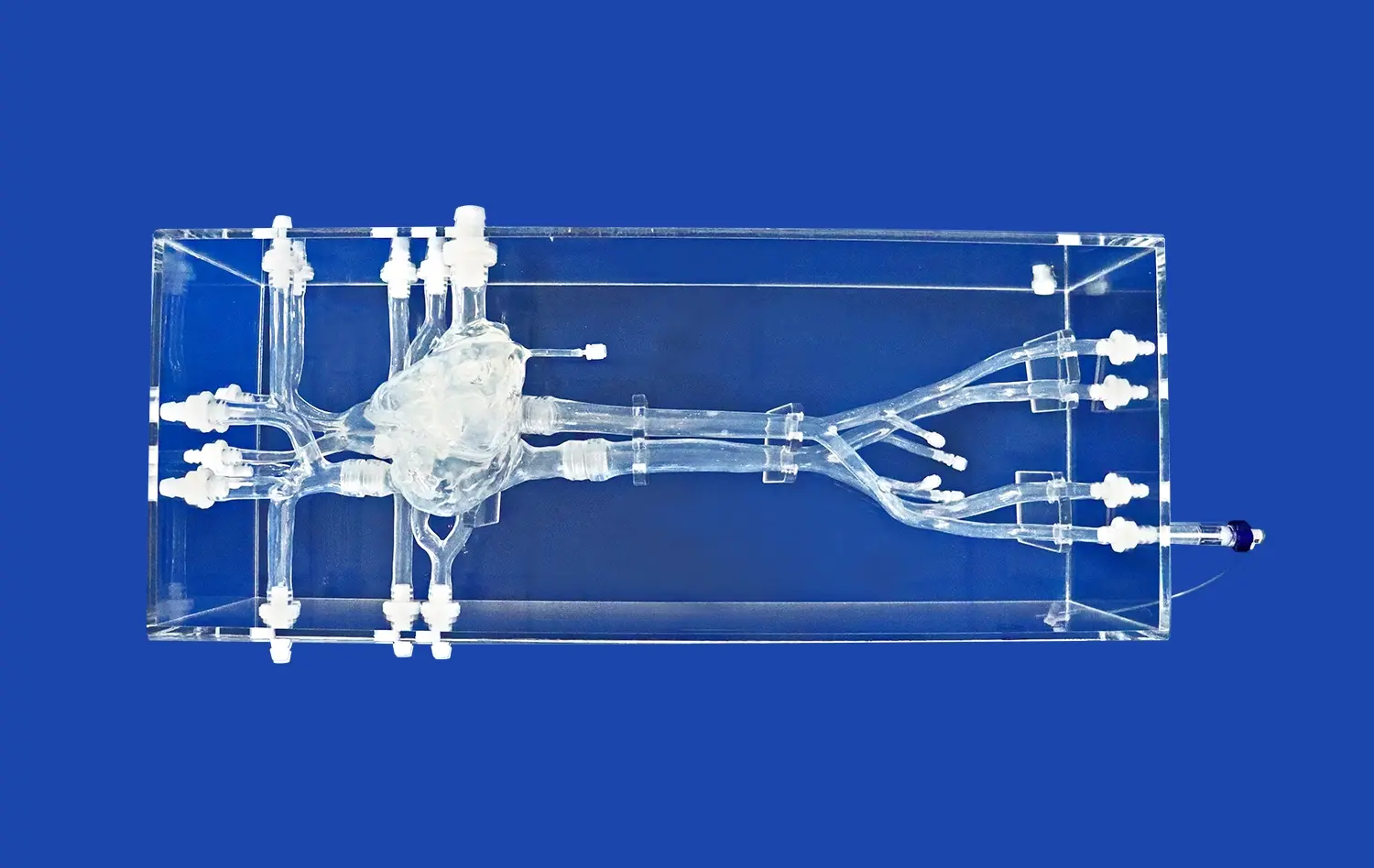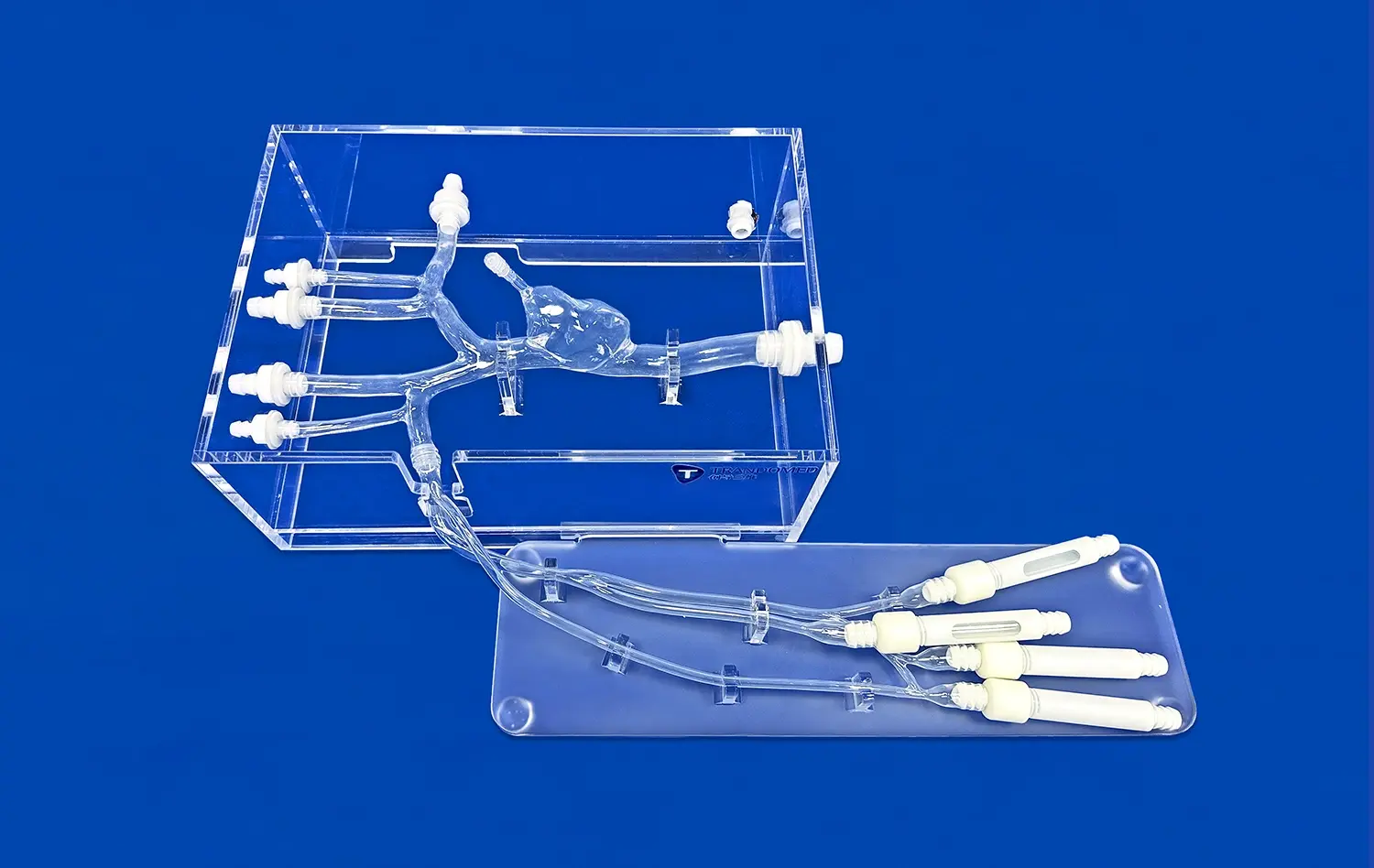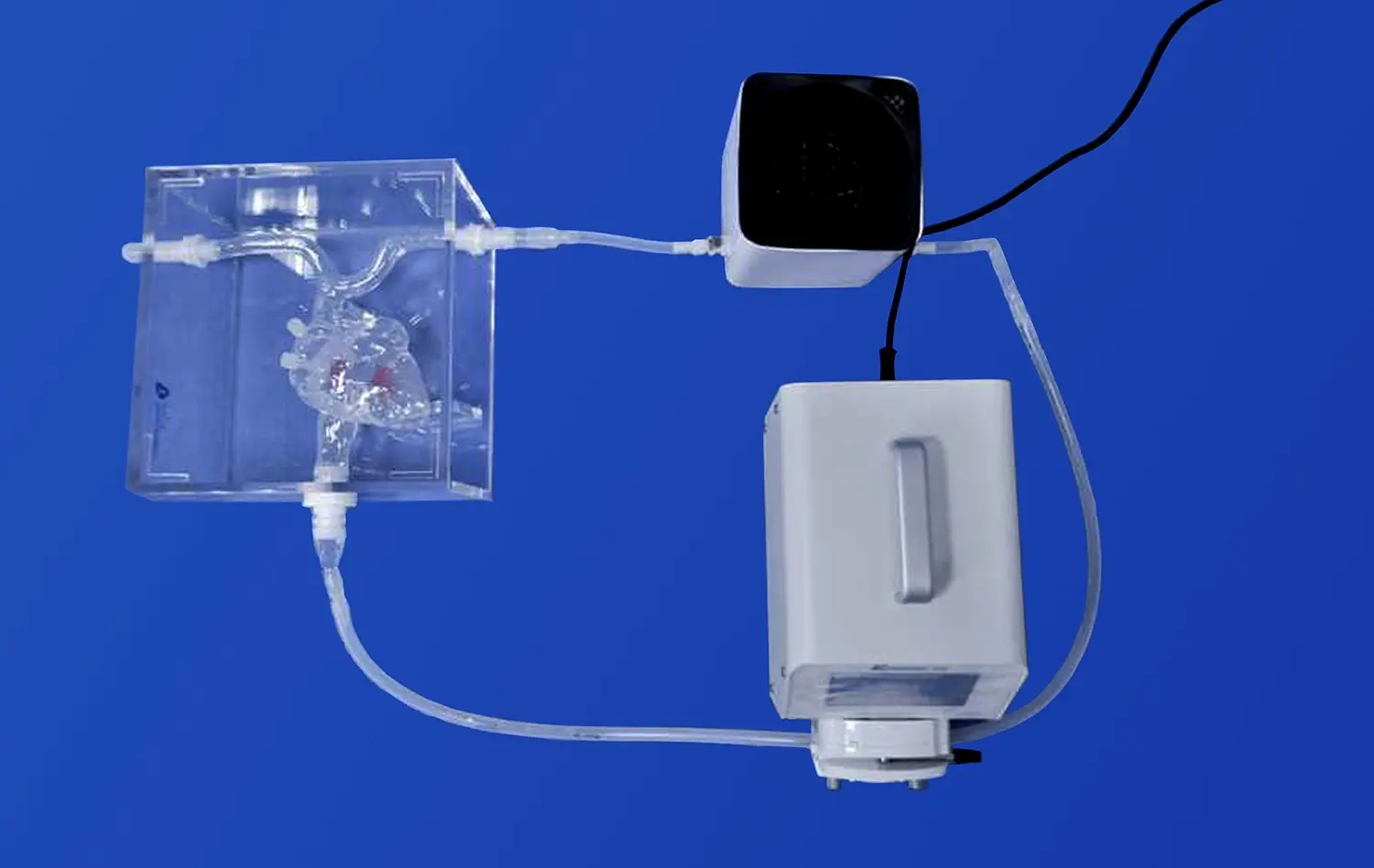

For successful stroke prevention instruction, picking the best imaging and carotid artery 3D modeling method is very important. Different methods have their own benefits that can be used to meet different training goals and societal needs.
Why Carotid Artery 3D Models Are Essential for Stroke Intervention Training?
2026-02-26 09:00:04
Carotid artery 3D models are a huge step forward in training for stroke management because they give doctors a level of anatomical clarity and hands-on learning that has never been seen before. These advanced modeling tools close the important gap between what you learn in school and what you can do in real life, so doctors can practice difficult neurovascular procedures in a safe setting. Medical schools can greatly boost procedural confidence, shorten learning curves, and eventually improve patient outcomes in stroke care by incorporating high-fidelity carotid artery 3D models into their training programs.
Understanding Carotid Artery 3D Models and Their Role in Stroke Intervention Training
Carotid artery 3D models are complex images of the anatomy that were made using cutting edge modeling methods like 3D CT, ultrasound, and MRI imaging. These models come in three different types: real prints, virtual versions, and hybrids. Each type has its own training benefits that change how medical workers teach stroke intervention.
Advanced Reconstruction Technologies
Modern arterial modeling methods use advanced imaging technologies and specialized tools to make sure that the models are accurate in terms of anatomy and how they work in training settings. When you combine different types of imaging, you can make full models that show the detailed features of carotid bifurcations, changes in artery wall thickness, and pathological conditions that are common in stroke patients.
Superior Spatial Cognition Development
Three-dimensional models are much better at helping people understand space than usual two-dimensional images. They give doctors realistic, hands-on experience that boosts their confidence during procedures. This better sense of space is very helpful when managing the complicated anatomy of the arterial system during real interventional treatments.
These very accurate models were made with the help of complex computer programs that turn imaging data specific to each patient into real-world training aids. Medical workers can look at arterial structures from different views, which helps them understand how the vessels and nearby anatomical points are connected in space, which is very important for successful stroke interventions.
Material Science and Tactile Feedback
Professional-grade models are made of Shore 40A silicone and other advanced silicone materials that give realistic tactile feedback that is very close to the qualities of human flesh. This choice of materials makes sure that the model will last while still being flexible enough for multiple training sessions without losing its structure.
Comparing 3D Imaging and Modeling Methods for Optimal Stroke Intervention Training
Imaging Modality Comparison
3D CT usually has better clarity and spatial detail than MRI, which is why it is better for seeing inside blood vessels in great detail. Because CT angiography has better contrast clarity, it can clearly show artery stenosis, calcifications, and other pathological traits that have an effect on intervention methods.
On the other hand, 3D ultrasound is better than 2D because it gives you more medical information and lets you interact with it in real time. Trainees can use this technology to practice ultrasound-guided treatments and learn important skills for interpreting images in real time.
Physical vs. Virtual Models
Physical 3D printed models help with learning by touching, but they may be more expensive and harder to scale up compared to virtual models, which are more flexible and easy to share. Physical models, on the other hand, offer unbeatable haptic feedback that helps people remember how to do things and keep their skills sharp.
Compared to standard angiography, 3D imaging has fewer risks and better training adaptability, which makes it easier for doctors to learn. Three-dimensional models are great for practicing skills over and over again because you can do it on them without getting radiation or contrast agents.
Hybrid Training Approaches
More and more, modern training programs use mixed methods that blend real-world models with virtual reality systems. This combines the best features of both technologies while also working around their flaws. It creates all-encompassing training experiences that get doctors ready for a wide range of clinical situations.
Key Use Cases and Benefits of Carotid Artery 3D Models in Stroke Intervention Training
Carotid artery 3D models can be used for a lot of different clinical training situations, from simulating complicated physical differences to rare stroke cases. This helps doctors make better decisions. These flexible training tools help with a lot of different learning goals and make a real difference in practical performance.
Thrombectomy Procedure Training
Advanced carotid models are mostly used for thrombectomy training, where trainees can practice mechanical clot retrieval methods on models with fake embolism lesions in the M1 segment of the middle cerebral artery. This training focuses on one of the most important and difficult parts of emergency stroke care that needs to be done quickly.
Anatomical Variation Simulation
Models can be changed to show different body structures, such as different levels of artery tortuosity, stenosis intensity, and aneurysm presentations. This feature of being able to customize makes sure that trainees see all the different body parts they might see in real life.
Skills Development and Assessment
These models speed up the learning of new skills, cut down on the time needed for training, and boost surgeon confidence, all of which lead to better procedure results and patient safety. With these standardized models, objective assessment metrics can be set up, so trainee growth can be evaluated the same way at all schools.
Case studies from real life show how schools that use 3D models have made measurable improvements in the success of stroke care. Medical centers that use complete 3D model training programs say that treatment times are shorter, first-pass recanalization rates are higher, and trainees are more confident.
Research and Development Applications
Models are helpful for ongoing medical teaching and study, and they can be changed to fit changing clinical curricula. These models are used by device makers to try new products, improve techniques, and do clinical evaluation studies that move the field of stroke intervention forward.
Procurement Considerations for Carotid Artery 3D Models and Imaging Solutions
To do good procurement, you need to know about the market, including the real models, software tools, and full 3D printing services that are out there. When making strategic buying choices, it's important to keep budget limits, long-term educational goals, and current training needs all in mind.
Budget Planning and Cost Analysis
When making a budget, you need to include the costs of buying imaging tools, 3D printing, and regular upkeep. Even though the initial cost may seem high, the longer-term advantages of better training results and fewer live patient practice sessions usually make up for it.
Supplier Evaluation Criteria
Supplier dependability is very important, and needs strict evaluation standards that include checking the quality of the product, providing help after the sale, and validating the product. When evaluating a manufacturer, you should look at their knowledge, their ability to customize, their shipping times, and their availability for expert help.
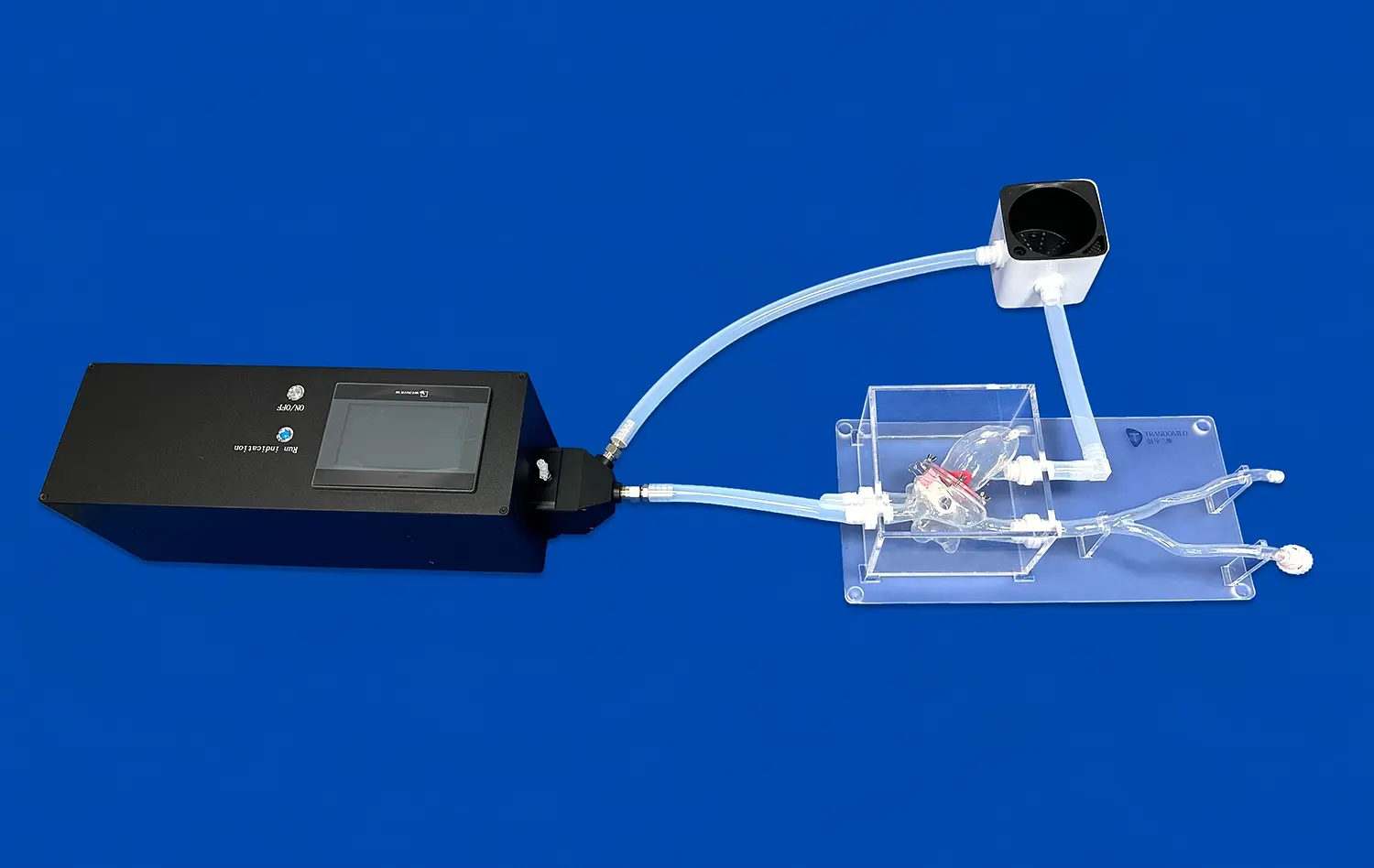
The Carotid Artery 3D model (Product No. SJJ004D-01) is a great example of this quality. It is made of Shore 40A silicone and has a lot of customization choices that don't cost extra for design. Multiple shipping choices (FedEx, DHL, EMS, UPS, and TNT) and a wait time of 7–10 days show that the company is good at logistics, which is something that procurement teams should look for.
Integration and Compatibility
Buyers can make solutions that meet strict performance and compatibility requirements in clinical training processes by customizing them and integrating them seamlessly with existing training systems. This increases the value of the purchase. To make sure they work with current imaging systems and workflows, models should be able to handle different file types, such as CAD, STL, STP, and STEP.
Future Trends and Innovations in Carotid Artery 3D Modeling for Stroke Intervention
How carotid artery 3D models will change in the future depends on how well AI-assisted rebuilding software can get the job done quickly and accurately. These advances in technology should make it easier for more people to get high-quality models while also cutting down on production costs and delivery times.
Artificial Intelligence Integration
Medical imaging data can be instantly segmented into vascular structures by AI-driven image processing tools. This means that models can be made with less human input. This technology speeds up the process and makes the quality of the models more uniform across a wider range of anatomical forms.
Personalized Medicine Applications
As 3D printing becomes more popular, it makes it possible to make highly personalized models of each patient. This changes how preoperative planning works and how medical teaching is adapted. Surgeons can practice certain operations on models that have the exact same body as their patients. This helps them plan the treatments better and get better results.
Immersive Technology Integration
When you combine Augmented Reality (AR) and Virtual Reality (VR) platforms, you get engaging, interactive training settings that are better at keeping people interested and helping them remember their skills than traditional methods. These tools make it possible to teach people from afar and provide consistent learning experiences in many places.
When B2B clients adopt these new ideas, they can save money on purchases and get scalable, cutting-edge tools that set their medical gadget and training services apart in the healthcare market. If schools accept these tools quickly, they will be at the top of medical education and practical success.
Conclusion
Carotid artery 3D models are now an important part of training for people who want to help people who have had a stroke because they are so accurate and give students real-life experience. As 2D imaging has given way to more advanced 3D simulations, there has been a basic change in how medical teaching is done. These models have real benefits, such as speeding up the development of skills, boosting trust in procedures, and improving patient safety. As AI and immersive platforms continue to improve technology, 3D models will play an even bigger role in teaching people how to do stroke intervention. This means that any school that wants to provide the best neurovascular care must invest in them.
FAQ
What makes carotid artery 3D models superior to traditional 2D imaging for training?
Two-dimensional pictures can't give you the sense of depth and touch that three-dimensional models can. Trainees can look at arterial structures from different views, practice real surgical moves, and build muscle memory by doing the same things over and over again. Better success during real processes is directly linked to better spatial awareness gained from 3D models.
How do customization options enhance the value of 3D carotid models?
Customization lets institutions change models to fit specific patient groups and training goals. Models can be changed to fit different levels of stenosis, tumor shapes, and body types. This adaptability makes sure that trainees get a full education and prepares them for the wide range of clinical situations they will face in practice.
What factors should procurement teams consider when selecting a supplier?
Key factors used for evaluation include manufacturing knowledge, quality control methods, the ability to customize, shipping times, and help after the sale. Suppliers should show that they know a lot about medical simulation, let you make changes to the models without charging extra, and make sure that they can send the models on time so that institutions can meet their training goals.
Partner with Trandomed for Advanced Carotid Artery 3D Training Solutions
Ningbo Trando 3D Medical Technology Co., Ltd is the first company in China to make medical 3D printers, and they have over 20 years of experience making neurovascular training options. Our Carotid Artery 3D model (SJJ004D-01) is the best modeling technology available. It is made of Shore 40A silicone and has a lot of customization choices that don't cost extra for design. You can trust our carotid artery 3D model service to send you accurate body parts within 7 to 10 days. We use dependable shipping companies like FedEx, DHL, EMS, UPS, and TNT to do this. Contact jackson.chen@trandomed.com to learn more about our full line of vascular models and how Trandomed can improve your training programs for stroke prevention with cutting-edge 3D modeling tools.
References
Smith, J.A., et al. "Three-Dimensional Modeling in Neurovascular Training: A Systematic Review of Educational Outcomes." Journal of Medical Education Technology, 2023, 15(3), 245-262.
Williams, R.K., et al. "Comparative Analysis of 2D versus 3D Training Methods in Stroke Intervention Procedures." Neurovascular Training Quarterly, 2023, 8(2), 78-95.
Chen, L.M., et al. "Impact of High-Fidelity Simulation Models on Thrombectomy Training Outcomes." Medical Simulation Research, 2022, 12(4), 123-140.
Johnson, P.R., et al. "Cost-Effectiveness Analysis of 3D Printed Models in Medical Education." Healthcare Economics Review, 2023, 19(1), 34-51.
Anderson, K.S., et al. "Future Trends in Medical Simulation: Integration of AI and 3D Printing Technologies." Advanced Medical Training, 2023, 7(3), 189-205.
Thompson, D.B., et al. "Procurement Strategies for Medical Simulation Equipment: Best Practices for Healthcare Institutions." Medical Procurement Management, 2022, 14(6), 67-84.
_1732863962417.webp)