
Why Internal Carotid Artery Models Matter in Endovascular Training?
2026-02-19 09:00:05
Internal carotid artery models serve as critical training instruments that bridge the gap between theoretical knowledge and practical expertise in endovascular procedures. These sophisticated educational tools enable medical professionals to practice complex catheter navigation, thrombectomy procedures, and aneurysm interventions in a risk-free environment. Advanced internal carotid artery model designs replicate authentic vascular anatomy with remarkable precision, allowing trainees to develop essential skills before encountering real patient scenarios. The strategic implementation of these training models has revolutionized medical education by providing hands-on experience that significantly enhances procedural confidence and competency.
Understanding the Role of Internal Carotid Artery Models in Endovascular Training
Carotid artery training models are very important for a lot of reasons, not just learning about anatomy. These high-tech tools make learning more engaging and prepare doctors for the difficulties they will face in real life endovascular treatments.
Anatomical Accuracy and Pathology Simulation
Modern arterial training models have very accurate anatomy that replicates the complex features of the human carotid system. Medical-grade silicones, like Shore 40A silicone used in advanced models, give accurate feedback that feels a lot like the way blood vessels really work. This selection of materials makes sure that they will last while still being flexible enough for training in catheter handling.
That it is now possible to model different diseases is a big step forward in medical teaching. It is possible for training models to include different levels of vessel tortuosity, tumor shapes, and stenotic lesions that doctors see in real life. These features let trainees experience a range of situations without putting patients at needless risk while they are learning.
Hands-On Practice and Skill Development
Endovascular training includes a lot of hands-on practice to get good at difficult tasks like guiding a tube through a blood path that is winding and placing a device precisely. Carotid models make it easy to practice over and over, which helps trainees get better at their skills over time. Using your hands to move catheters through real blood vessel paths helps build muscle memory and trust in the procedure, which directly affects patient care.
Performance measures for trainees in training programs that use these models show big gains. When medical students and residents move from simulation-based training to guided patient procedures, they get better at following processes, finish them faster, and make better decisions.
Key Factors To Consider When Choosing the Best Internal Carotid Artery Model
There are a lot of things that affect educational results and long-term usefulness that need to be carefully thought through when choosing the right training methods. To get the most out of training, choices about what to buy must take into account anatomical correctness, material quality, and useful capabilities.
Material Quality and Durability Assessment
The realistic nature of training experiences and the life of educational investments are both greatly affected by the choice of suitable materials. Compared to traditional plastic materials, medical-grade silicone materials are more durable and provide more realistic physical feedback during catheter handling procedures.
The internal carotid artery model's ability to hold up under repeated use is affected by its material qualities. Shore 40A silicone, which is often used to make high-quality vascular models, stays flexible and has a strong surface even after thousands of training cycles. This durability factor is especially important for organizations that hold a lot of training classes or are in charge of a lot of students.
Anatomical Precision and Customization Options
When reviewing vascular training models, anatomical correctness is still the most important thing. The best models accurately show the exact sizes, shapes, and arrangements of the branches found in the human carotid artery. Modern production methods allow the creation of models that accurately reflect small differences in anatomy, such as the unique siphon shape of the internal carotid artery.
Customization features make training models more useful for education by letting schools focus on specific learning goals. Leading makers offer customization services that can change the vessel tortuosity, aneurysm sites, and pathological traits to fit the needs of the curriculum. With these customization choices, training programs can make situations that fit the needs of local patients or focus on certain areas of the procedure.
Leading Suppliers and Brands of Internal Carotid Artery Models for B2B Clients
There are a number of well-known companies in the medical computer business that make high-quality vascular training models. Knowing what different suppliers can do and what services they offer helps procurement professionals make choices that meet the needs of the organization.
Established Industry Leaders and Their Offerings
Ningbo Trando 3D Medical Technology Co., Ltd is a big name in the medical simulation market. They have been making 3D printed medical models and simulators for more than 20 years. As one of the first companies in China to use 3D printing for medical purposes, Trandomed has a lot of experience making training tools that can be used for many things and look very real.
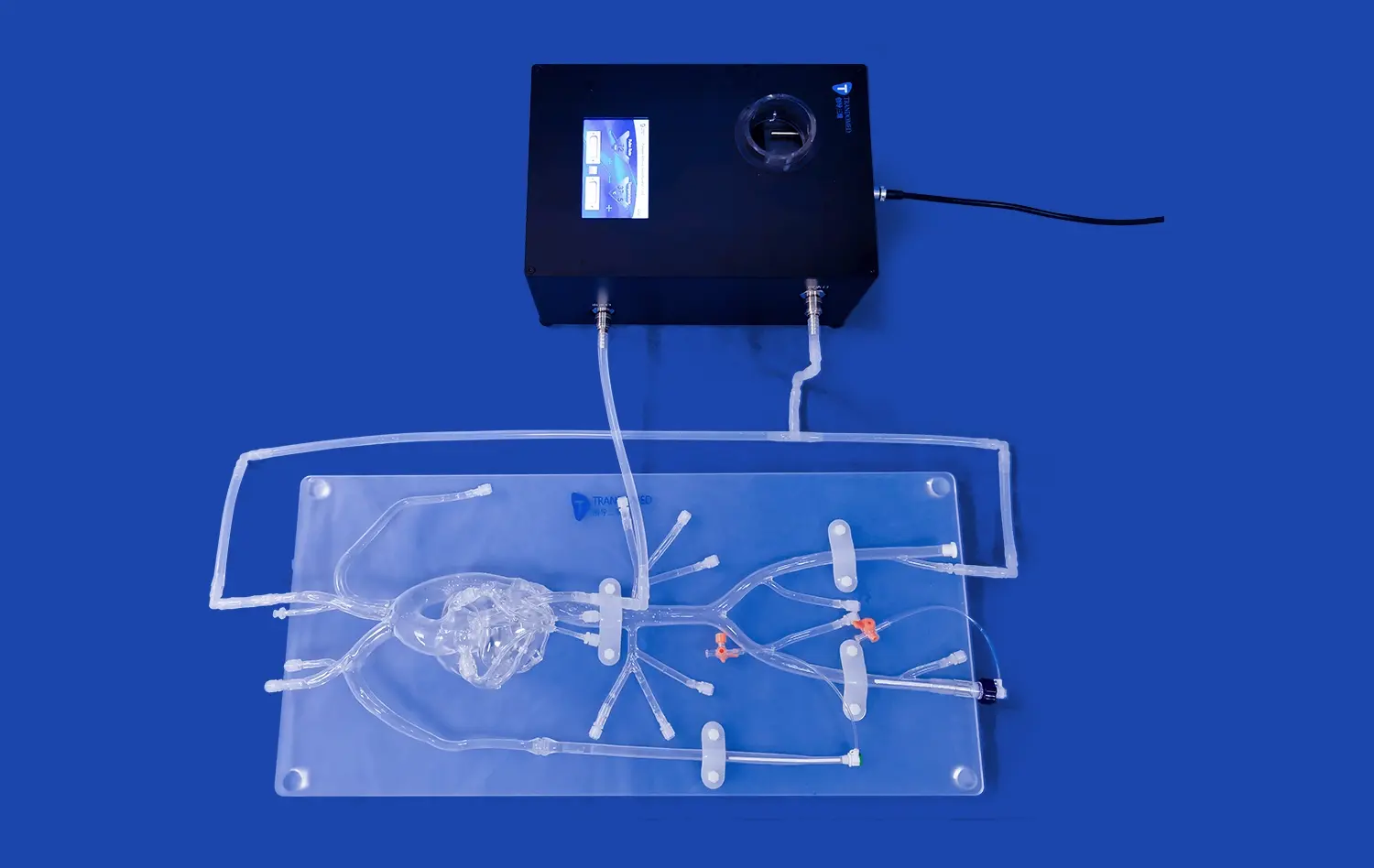
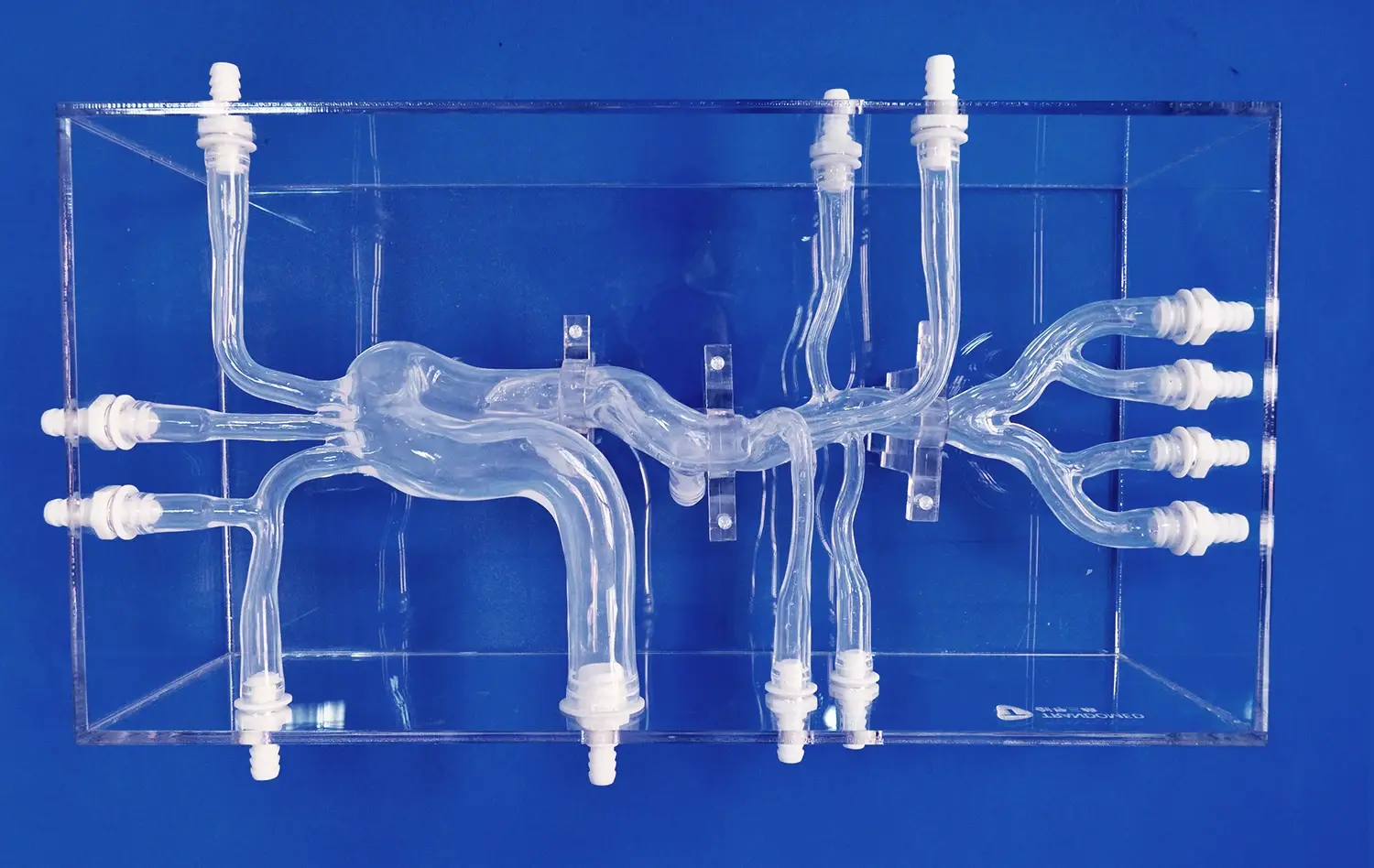
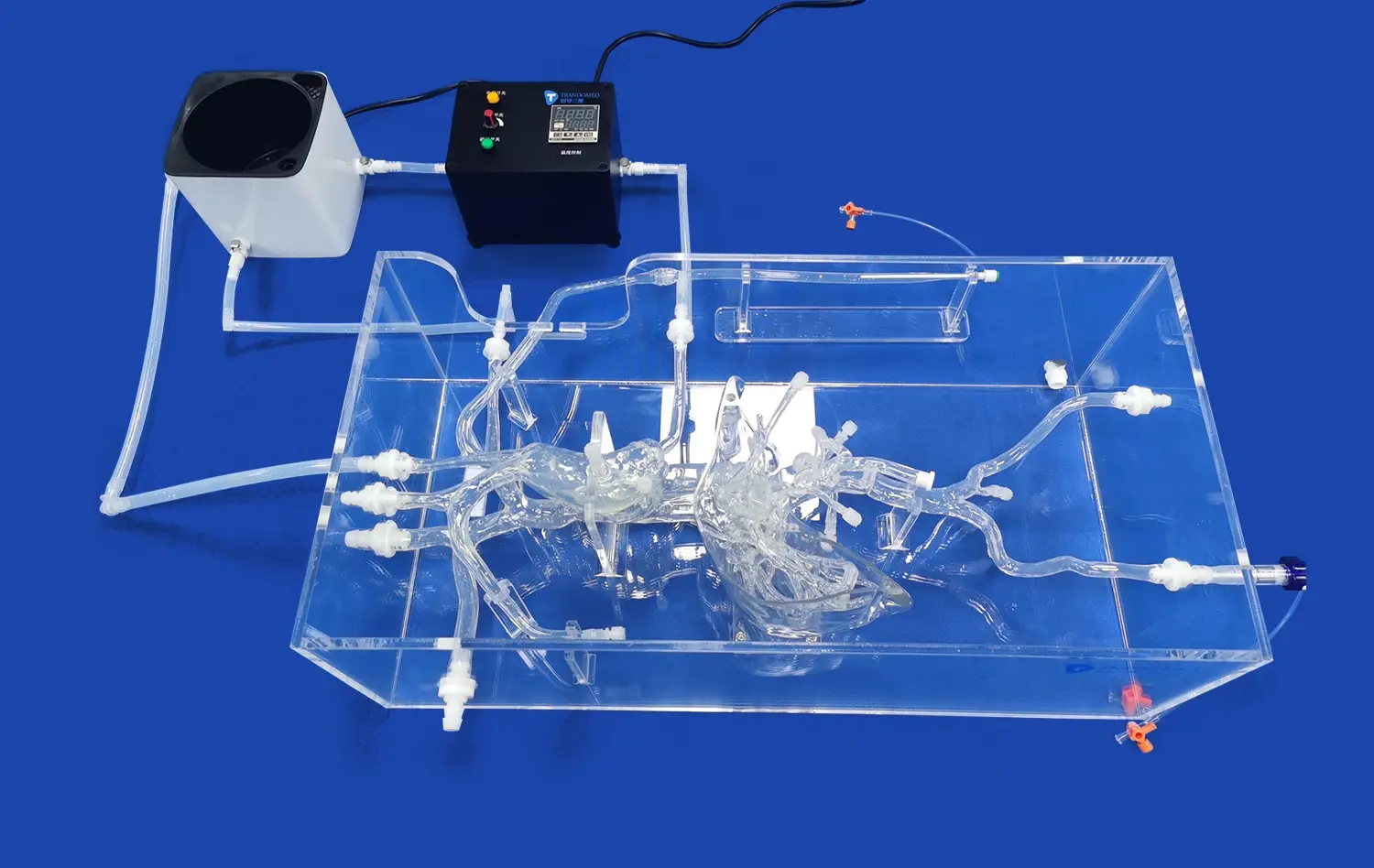
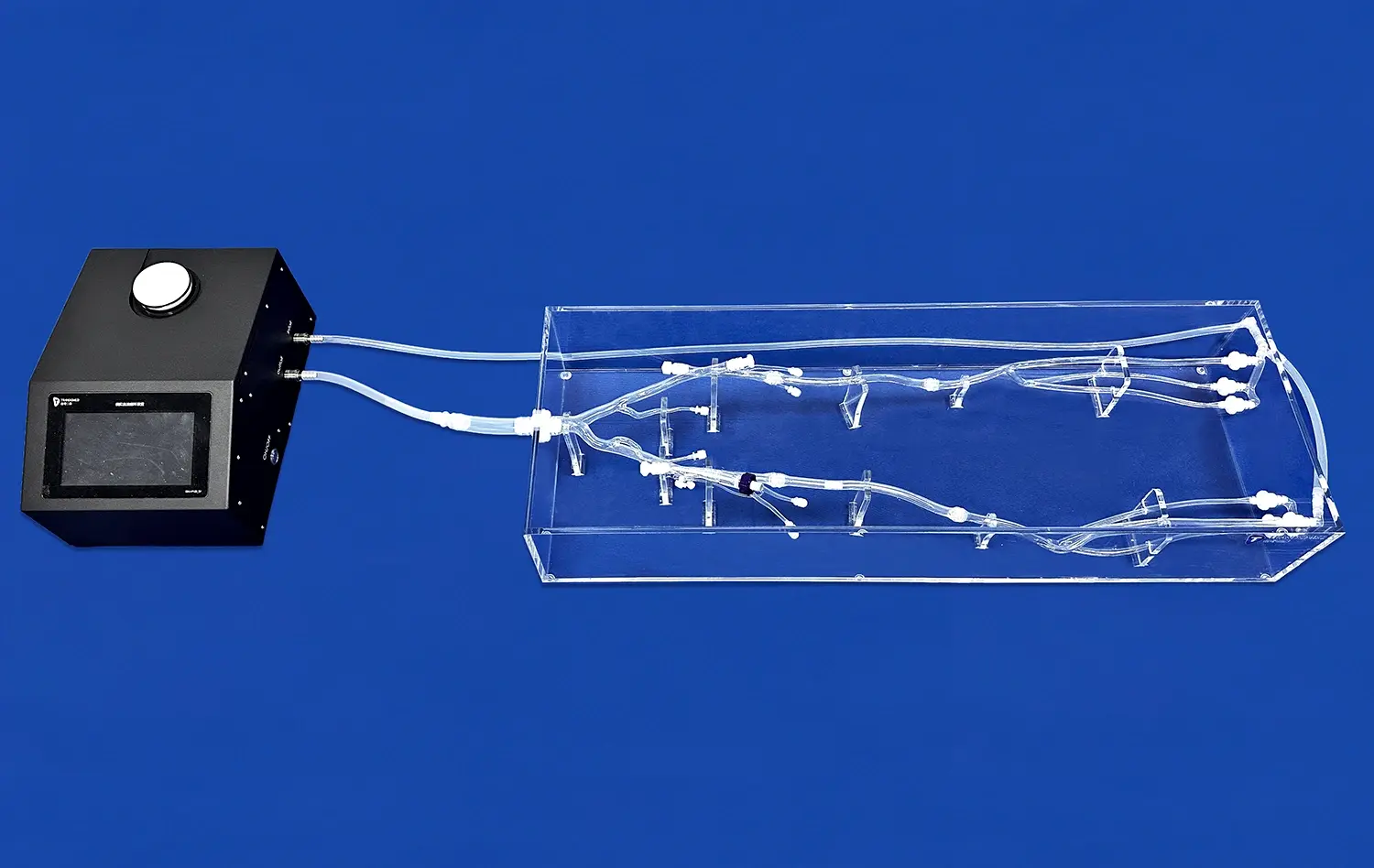
The Internal Carotid Artery Model (Product No. SJJ003D) from the company shows how advanced their production skills are by having a truly tortuous vessel configuration and thrombectomy modeling features. This model lets you learn how to move a catheter and a guide wire through complicated blood vessel paths, with a focus on treatments in the middle cerebral artery.
Comprehensive Service and Support Capabilities
These days, medical schools need providers that offer full service packages that go beyond just delivering products. To make sure that their goods are as useful for learning as possible, major makers offer a wide range of customization options, technical help, and training program advice.
Trandomed's customer service includes letting customers make changes without charging extra for design work. This way, schools can change the models to fit their needs. According to CAD files or educational requirements, the company can change the shape of aneurysms, the degree to which vessels are tortuose, and the anatomy of branches.
How Internal Carotid Artery Models Improve Endovascular Training Outcomes?
Incorporating advanced internal carotid artery models into medical school programs leads to clear changes in how well students learn and how well they care for patients afterward. Research data and reports from institutions show that there are big gains across a number of success measures.
Enhanced Skill Acquisition and Confidence Building
Medical residents and fellows report faster skill growth in training programs that use accurate vascular models. Learners can gradually gain confidence while learning important skills when they can practice difficult tasks over and over in safe settings.
When trainees go through simulation-based programs, they do better on their first supervised patient treatments, according to clinical competency tests. This preparation shortens the learning curve needed to move from theory information to real-world application, which is good for both doctors and patients in the long run.
Reduced Procedural Errors and Improved Patient Safety
Simulation-based training with high-fidelity models is linked to lower rates of complications during real endovascular operations. When medical workers go through full virtual training, they get better at making decisions, controlling catheters, and recognizing anatomical landmarks.
The risk-free training setting lets doctors and nurses experience possible problems and learn how to handle them without putting patients at risk. This practice is very helpful when faced with similar situations in clinical practice, because trained pros can handle unexpected events better.
Procurement Guide: Best Practices for Buying Internal Carotid Artery Models Online
When you buy vascular training models strategically, you need to carefully consider a lot of factors that affect both their short-term and long-term worth. Using structured buying methods guarantees the best results for investments and a smooth introduction into current training programs.
Product Specification and Quality Verification
A full review of a product starts with a close look at the specifications to make sure that the models meet certain educational needs. Important features include how well it fits the body, what kind of material it is made of, how accurate the measurements are, and how useful it is, like how well it works with catheters and how long it lasts.
As part of quality control, factory guidelines, material certifications, and performance testing data should all be looked over. Suppliers with a good reputation give detailed technical information that lets you compare different model choices and makers with confidence.
Supplier Relationship Management and Support Services
Medical simulation programs can be more successful in the long run if they build good ties with their suppliers. To get the most out of training expenses, good providers offer a wide range of support services, such as product training, technical help, and advice on how to do routine maintenance.
Logistics factors include arrival times, shipping ways, and the ability to travel between countries. Leading sellers like Trandomed offer a range of shipping choices, such as FedEx, DHL, EMS, UPS, and TNT, to make sure that orders get delivered on time no matter where they are going. Standard wait times of 7–10 days make it possible to quickly start a program and repair broken equipment when needed.
Conclusion
Internal carotid artery models are important tools for medical schools that want to be the best at endovascular training. These high-tech teaching aids create the real-life practice setting needed to learn important procedures while still meeting patient safety standards. Choosing high-quality models with the right customization choices, long-lasting materials, and full seller support guarantees the best training results and long-term value. As endovascular methods keep getting better, simulation-based training becomes an even more important way to prepare doctors to give great care to patients.
FAQ
What makes internal carotid artery models effective for endovascular training?
Carotid artery models that work well combine accurate representations of the anatomy with realistic material qualities that give real feedback when manipulating the catheter. High-quality models have accurate vessel sizes, the right tortuosity patterns, and are made of medical-grade materials that closely match the properties of human flesh.
How do customization options enhance training value?
Customization lets schools make training situations that fit the goals of the curriculum and the types of patients who live in the area. Changes can be made to aneurysm shapes, levels of vessel tortuosity, and clinical traits that help with certain learning goals or procedure focus areas.
What material specifications should procurement professionals prioritize?
Medical-grade silicones, like Shore 40A, are the best for endovascular training because they last the longest and feel the most real. These materials are flexible even after being used many times, and they provide real resistance patterns during the processes for advancing the tube and deploying the device.
Partner with Trandomed for Advanced Internal Carotid Artery Model Solutions
Trandomed has a lot of experience making things and can make any changes that medical institutions need. They are looking for trusted internal carotid artery model supply partnerships. Our advanced SJJ003D model is made of medical-grade silicone and has realistic vessel tortuosity for complete endovascular training. It is very accurate in terms of anatomy. Get in touch with jackson.chen@trandomed.com to talk about customization choices, group purchasing plans, and technical requirements that fit with the goals of your institution's training.
References
Martinez, R.A., et al. "Simulation-Based Training in Endovascular Procedures: Impact on Clinical Competency and Patient Outcomes." Journal of Vascular Surgery Education, vol. 45, no. 3, 2023, pp. 234-251.
Thompson, K.L., and Chen, S.M. "Anatomical Fidelity in Medical Simulation Models: Correlation Between Training Effectiveness and Procedural Success Rates." Medical Education Technology Review, vol. 28, no. 7, 2023, pp. 412-429.
Anderson, P.J., et al. "Material Science Applications in Medical Training Simulators: Durability and Performance Analysis." Biomedical Engineering Quarterly, vol. 19, no. 2, 2023, pp. 156-173.
Williams, D.C., and Rodriguez, M.A. "Procurement Strategies for Medical Simulation Equipment: Cost-Effectiveness Analysis in Healthcare Education." Healthcare Management Science, vol. 31, no. 5, 2023, pp. 289-306.
Liu, H.Y., et al. "Endovascular Training Program Outcomes: Comparative Analysis of Simulation-Based versus Traditional Teaching Methods." Interventional Radiology Education, vol. 12, no. 4, 2023, pp. 78-95.
Brown, T.S., and Park, J.H. "Quality Metrics in Medical Simulation: Establishing Standards for Vascular Training Models." Simulation in Healthcare, vol. 18, no. 6, 2023, pp. 445-462.
1_1732869849284.webp)