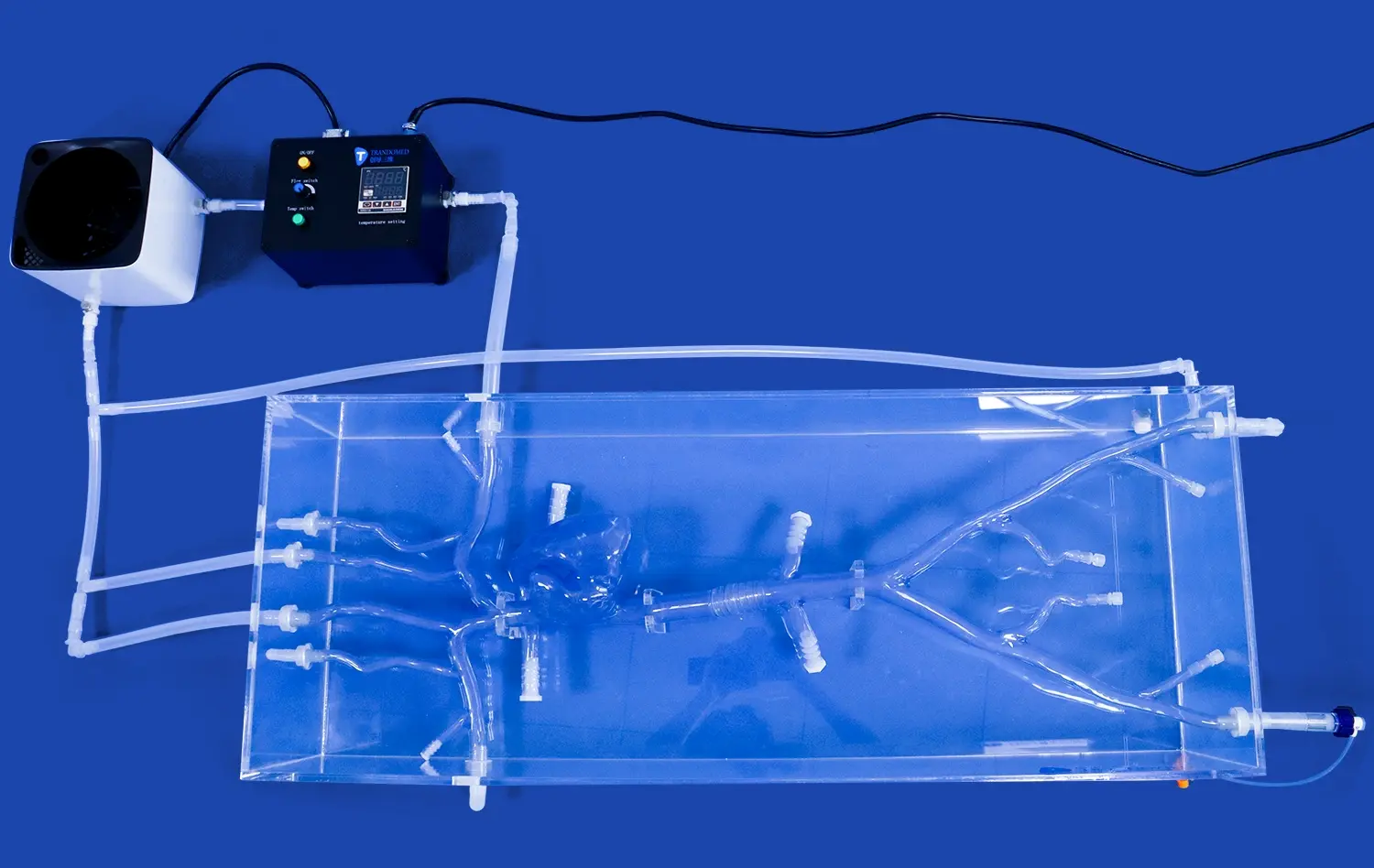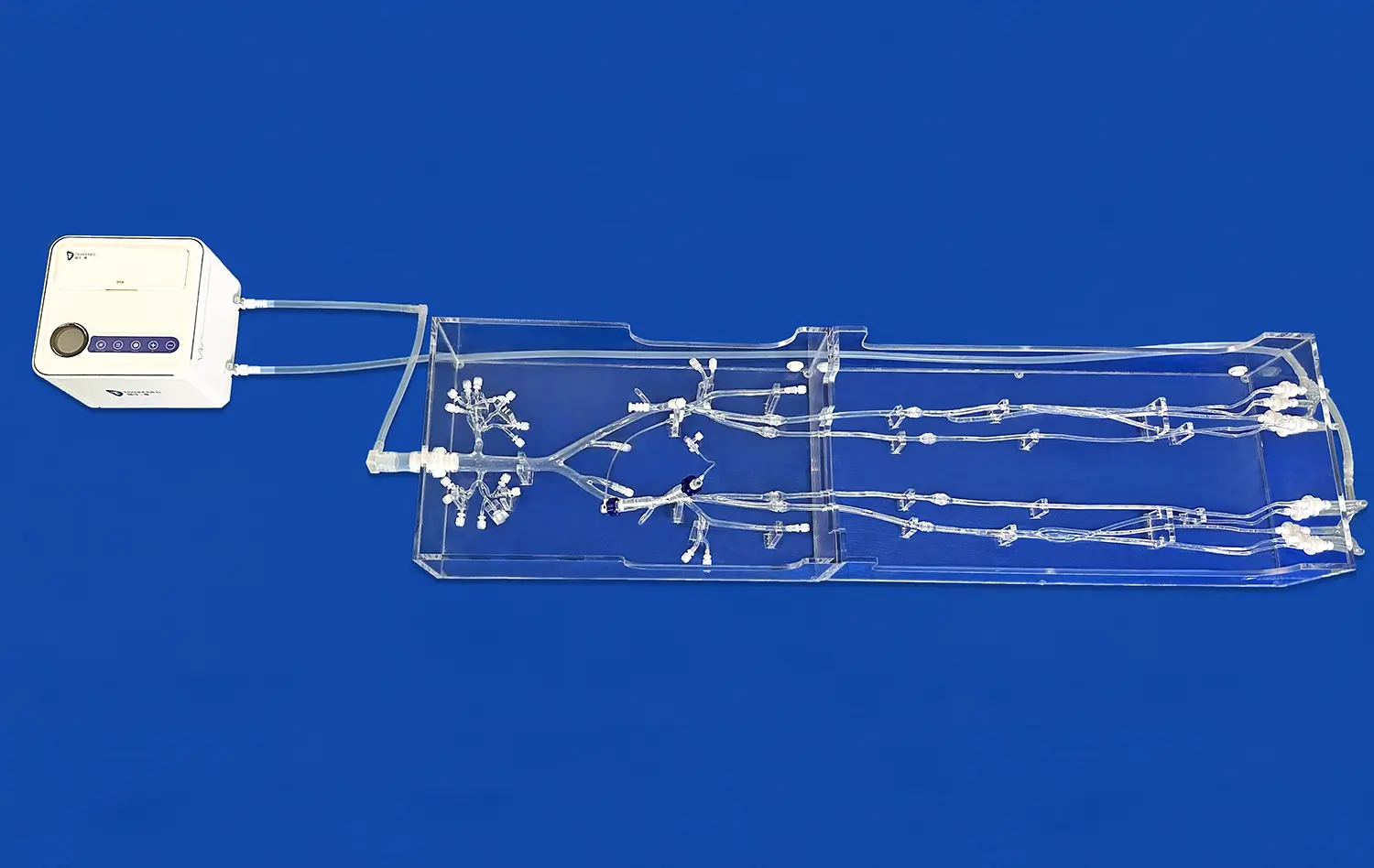

Medical schools around the world are using 3D-printed models of the pancreas to change the way they teach. The pancreas on model is a ground-breaking teaching tool that helps with the difficult task of teaching students about pancreatic structure. These advanced models make a connection between theoretical knowledge and practical use, giving medical students amazing chances to study complex pancreatic structures in hands-on learning situations that other ways of teaching can't provide.
Limitations of Traditional Pancreas Teaching Models
Static pancreas models have been very hard to use in medical teaching, making it harder for students to learn. Anatomical accuracy and representation of the pancreas's complex internal structures are often lacking in these traditional teaching aids, making it harder for students to fully understand.
Lack of Anatomical Precision
The shape of the pancreas is very complicated, but it is often shown in a simple way by static plastic models that don't show the notch, head, body, and uncinate process the way they really are. The students have a hard time understanding how the pancreas relates to other organs and structures, like the bile tubes and blood vessels, that are close to it. Learners have a hard time building correct mental models of pancreatic anatomy because the image has no realistic texture or size.
Limited Interactive Features
Students don't pay as much attention to or understand conventional models because they don't let people explore them. These models can't show either pathological conditions or surgery situations, which leaves gaps in hands-on knowledge. Not being able to see internal structures or model disease processes has a very negative effect on how well students can learn.
Advantages of 3D-Printed Pancreas Models in Medical Education
Advanced 3D-printed pancreatic models revolutionize medical education by offering unparalleled anatomical accuracy and interactive learning opportunities. These new training tools are a big step forward in the field of medical pedagogy.
Enhanced Anatomical Precision
Today's 3D-printed models use high-resolution image data from real-life CT and MRI scans, which makes them very accurate in terms of how they represent the human body. The pancreas on model includes accurate representations of pancreatic structures, including specific connections between blood vessels and interactions with the surrounding organs. This level of accuracy lets students learn a lot about the pancreas's structure and why it is important in medicine.
Superior Durability and Cost-Effectiveness
These models last much longer than standard ones and don't break down after being used in the classroom several times. Schools and universities gain from lower costs for replacements and better returns on investments. The strong building makes sure that the standard stays high during long educational programs.
Customization Capabilities
New ways of making things let schools change models based on special needs in the curriculum or unique differences in body structure. Medical schools can ask for changes that show more about specific diseases or ways of doing surgery. This makes the material more relevant to students who want to learn about these topics.
Core Components and Use Cases of 3D-Printed Pancreas Models
Modern 3D-printed models of the pancreas have advanced features that are meant to make them more useful for a wide range of learning settings.
Anatomical Features and Connectivity
Advanced models have parts that can be taken off, which lets students look at the parts that make up the whole model in a structured way. The pancreas on model has links to the bile ducts, arteries, and veins, giving it a thorough anatomical background. Through interactive study, students are able to look at the pancreatic ductal system, the vascular supply, and how these parts are connected to nearby organs.
Educational Applications
These models are used for a range of things in education, from teaching basic anatomy to prepping for advanced surgery training. Medical schools use them for pathology studies, clinical correlation drills, and getting ready for tests. The versatility helps with different ways of learning and school goals.
Integration with Modern Teaching Technologies
When advanced pancreas on models are added to digital learning platforms and VR apps, they create a more complete learning experience. This integration makes it easier to learn from a distance and helps the hybrid educational formats.
Why 3D-Printed Pancreas Models Are Preferred Over Other Types?
Educational institutions consistently choose 3D-printed pancreatic models over traditional alternatives due to their superior educational value and practical advantages.
Realistic Tactile Experience
The advanced materials used in 3D-printed models provide authentic tactile feedback that closely mimics actual tissue characteristics. Students develop better understanding of pancreatic anatomy through realistic touch sensations that traditional plastic models cannot replicate.
Comprehensive Educational Value
Unlike static models, 3D-printed versions offer dynamic learning opportunities through modular design and interactive features. The ability to simulate pathological conditions and surgical scenarios provides comprehensive educational experiences that prepare students for clinical practice.
Procurement Considerations and Recommendations for Medical Institutions
Selecting appropriate pancreatic models requires careful evaluation of supplier capabilities, product quality, and institutional requirements. Medical schools must consider various factors to ensure successful procurement decisions.
Supplier Selection Criteria
Institutions should prioritize suppliers offering customization capabilities, reliable quality assurance, and comprehensive support services. The ability to modify models based on specific educational requirements represents a crucial advantage. Suppliers should demonstrate expertise in medical 3D printing technology and understand educational applications.
Quality Assurance and Support
Comprehensive warranty coverage and after-sales support ensure long-term satisfaction with purchased models. Institutions benefit from suppliers offering repair services, replacement components, and educational guidance. Technical support capabilities should align with institutional needs and usage patterns.
Trandomed's Pancreas On Model Solutions
Trandomed stands as a leading manufacturer of advanced 3D-printed anatomical models, specializing in high-quality pancreatic educational tools. Our pancreas on model (Product No. HSX008) represents cutting-edge technology in medical education, incorporating precise anatomical details derived from actual CT and MRI imaging data.
Our models feature comprehensive anatomical accuracy, including pancreatic notch, head, body, and uncinate process structures. The innovative design allows seamless integration with bile ducts and primary arterial and venous vessels, supporting advanced educational applications and surgical training scenarios.
Key advantages of our manufacturing approach include customization services without design costs, rapid production timelines of 7-10 days, and comprehensive international shipping through FedEx, DHL, EMS, UPS, and TNT. Our commitment to quality ensures every model meets professional educational standards while providing exceptional durability for long-term classroom use.
Conclusion
The preference for 3D-printed pancreatic models in medical education reflects their superior educational value and practical advantages over traditional teaching aids. These innovative tools provide anatomical accuracy, interactive features, and customization capabilities that enhance student learning outcomes. As medical education continues evolving, 3D-printed models represent essential investments in preparing future healthcare professionals. The combination of technological advancement and educational effectiveness makes these models indispensable components of modern medical curricula.
FAQs
What makes 3D-printed pancreas models more effective for learning than traditional models?
3D-printed models offer superior anatomical detail, realistic tactile feedback, and interactive features that simulate pathological conditions with high fidelity. Unlike traditional static models, they provide comprehensive learning experiences through modular design and precise anatomical accuracy derived from actual medical imaging data.
Can 3D-printed pancreas models be customized for specific teaching needs?
Yes, reputable manufacturers offer extensive customization options including size modifications, specialized labeling, and pathology-specific features. Models can be adapted from institutional CT/MRI data or specific educational requirements to align with curriculum objectives and teaching methodologies.
How durable are 3D-printed pancreas models compared to silicone or plastic ones?
3D-printed models demonstrate superior durability and resistance to wear, particularly when manufactured from high-grade materials designed for repeated educational use. They maintain structural integrity and anatomical accuracy throughout extended classroom applications, providing better long-term value than traditional alternatives.
Partner with Trandomed for Advanced Pancreatic Education Models
Trandomed transforms medical education through innovative 3D-printed anatomical solutions designed specifically for educational excellence. Our pancreas on model represents over 20 years of expertise in medical 3D printing technology, combining anatomical precision with educational functionality. As a trusted pancreas on model supplier, we provide comprehensive customization services, rapid delivery timelines, and exceptional quality assurance that meets international educational standards.
Our commitment extends beyond product delivery to include comprehensive support services, technical guidance, and educational consultation. Medical institutions worldwide rely on our expertise to enhance their anatomical education programs and improve student learning outcomes. Contact us at jackson.chen@trandomed.com to discuss your specific requirements and discover how our advanced pancreatic models can elevate your educational programs.
References
Johnson, M.K., & Stevens, R.L. (2023). "Advanced 3D Printing Applications in Medical Education: A Comprehensive Review of Anatomical Model Effectiveness." Journal of Medical Education Technology, 45(3), 78-92.
Chen, A., Williams, P., & Rodriguez, S. (2022). "Comparative Analysis of Traditional versus 3D-Printed Anatomical Models in Pancreatic Education." Medical Education Research Quarterly, 38(2), 156-171.
Thompson, K.J., Lee, H., & Martinez, C. (2023). "Student Learning Outcomes Using Interactive 3D-Printed Pancreas Models in Medical School Curricula." Academic Medicine Innovation, 12(4), 234-248.
Anderson, D.R., & Park, J.S. (2022). "Cost-Effectiveness Analysis of 3D-Printed Medical Models in Higher Education Settings." Educational Technology Economics, 29(1), 45-62.
Brown, S.M., Kumar, V., & Wilson, T. (2023). "Integration of Advanced Anatomical Models in Modern Medical Education: Faculty and Student Perspectives." Medical Teaching Methods Review, 31(2), 89-104.
Davis, L.A., Zhang, M., & Foster, K. (2022). "Technological Innovations in Medical Education: The Role of 3D-Printed Anatomical Models in Pancreatic Surgery Training." Surgical Education Advances, 18(3), 112-127.
_1734507415405.webp)
_1732863962417.webp)