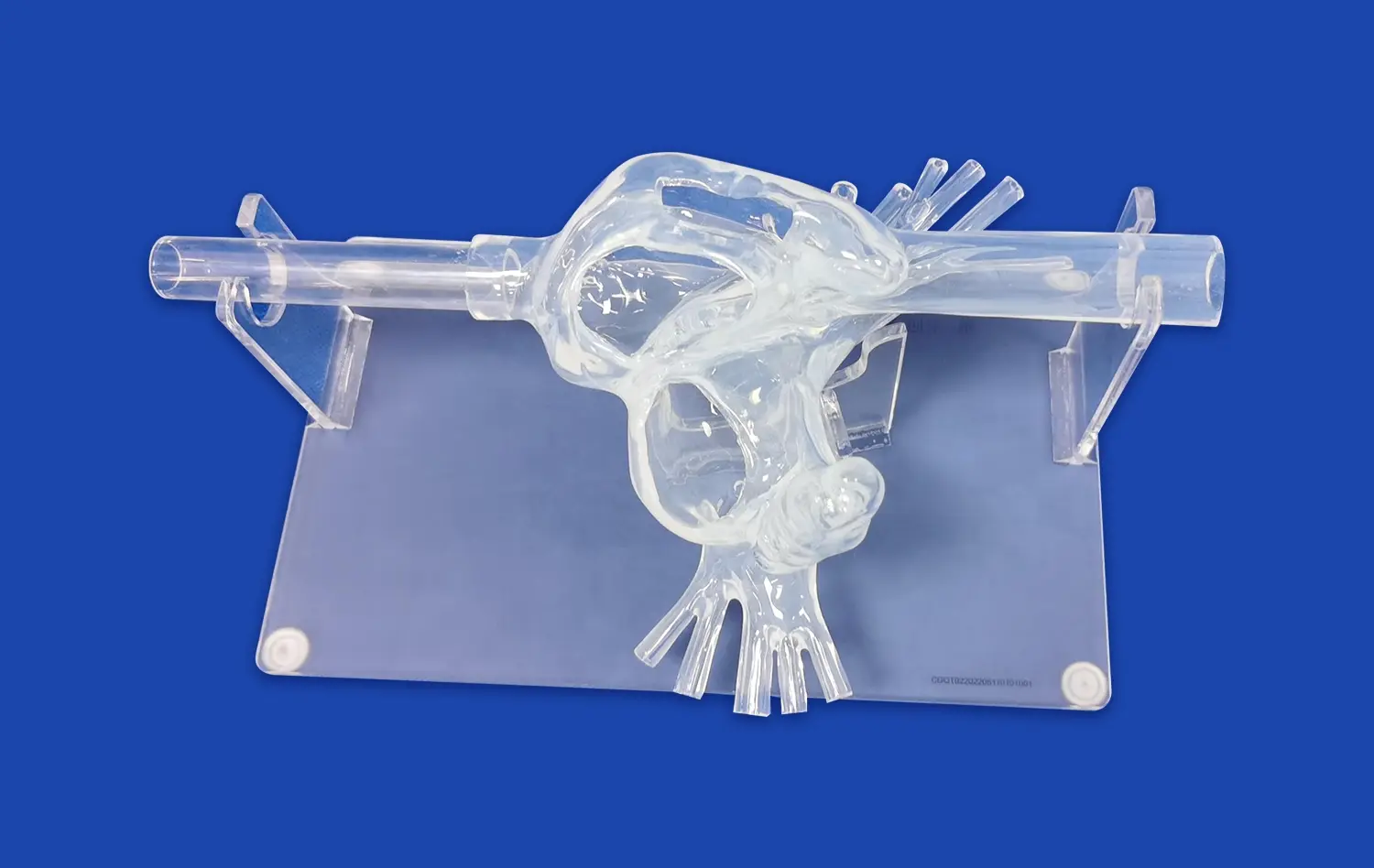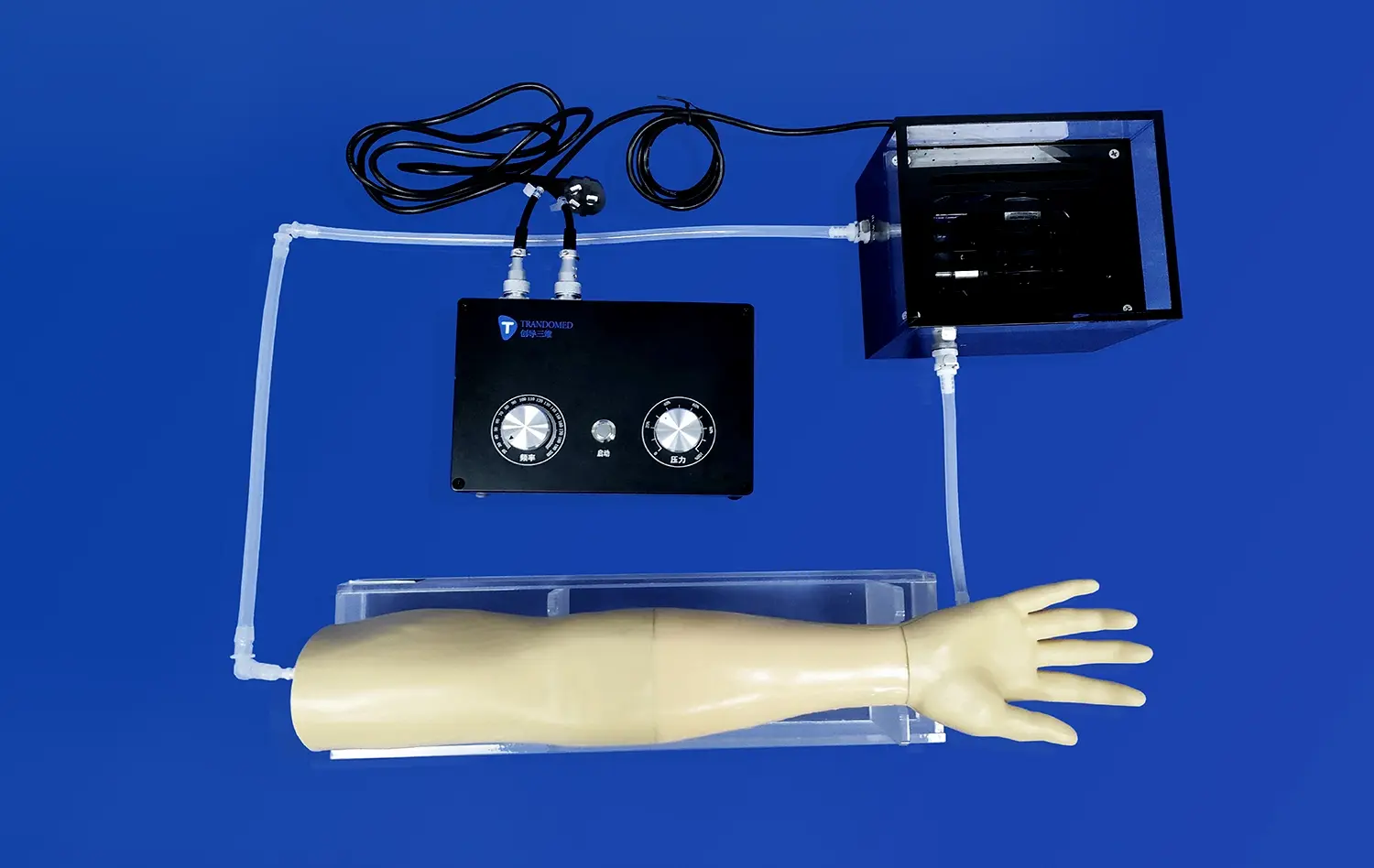

Silicone 3D artery models are now an important part of medical education because they help students understand how to use what they have learned in the real world. These advanced training tools are much more accurate than old two-dimensional maps or hard anatomical models because they recreate the physical qualities and structural complexity of human vessels. Neurovascular treatments, catheter guidance, and surgery operations can all be practiced by doctors on lifelike models that react to touch just like real flesh. This hands-on training boosts doctors' confidence and skill levels before they even meet a patient, which saves lives by making healthcare workers better prepared.
Understanding Silicone 3D Artery Models in Medical Training
One of the most important changes in medical education is the move from standard teaching methods to simulation-based learning. Traditional tools just can't compare to silicone-based vascular simulators when it comes to making physically correct and tactilely realistic models of artery systems. When medical students look at a written model or even a plastinated example, they miss the important part of real surgery, which is the ability of the tissue to bend. The physical features of real blood vessels can be replicated by the flexibility and smoothness of medical-grade plastic. This lets trainees build muscle memory and procedural instincts that can be used right away in clinical situations.
Material Science Behind Realistic Vascular Simulation
Medical-grade plastic materials have changed how anatomy models can be made. The Silicone Shore 40A material used in high-tech vascular models feels and responds durometer-wise to human artery flesh. This particular recipe strikes the perfect balance between being strong enough to be used over and over again and deforming naturally when a catheter is inserted or a guidewire is moved. The material can handle cleaning procedures and keeps its shape through hundreds of training sessions, which makes it much cheaper in the long run than options made from dead bodies.
Variations in Model Design and Application
Vascular training models can be set up in different ways to meet different teaching goals. Teachers can show students how to position a catheter and put it in place using transparent models while the students look at the insides at the same time. Models that are opaque and have accurate tissue colors make the procedure feel more real and more like a real surgery. Pathology-specific patterns include aneurysms, stenoses, arterial plaques, and other vascular problems in places and levels of seriousness that can be chosen. Because of this, training programs can introduce students to rare situations that they might only see a few times in real life.
The Benefits of Using Silicone 3D Artery Models in Medical Education and Training
Adding high-fidelity vascular models to medical school programs has led to clear changes in how well students do and how safe patients are. According to research from top medical schools, procedural modeling speeds up skill learning and lowers the number of complications that happen during early clinical situations compared to standard training models. Many groups in the healthcare environment can benefit from these changes. For example, schools want to improve student results, hospitals want to make sure patients are safe, and gadget makers need testing tools that are true.
Enhanced Anatomical Comprehension Through Tactile Learning
Neurovascular anatomy is hard for students to understand because the brain blood is complicated in three dimensions and variable anatomy is very important in a 3D artery model. When you move plastic models around, you use physical learning paths that work with hearing and seeing. When students practice on realistic simulations, they learn how the body's parts fit together in space in a way that is hard to get from image studies or textbook pictures alone. The Middle Cerebral Artery model, which copies the internal carotid artery bifurcation and its branches, lets researchers look at this important blood vessel area over and over again without having to deal with the ethical issues and limited access that come with using cadaveric materials.
Surgical Planning and Preoperative Rehearsal
Surgical teams can practice complicated procedures before going into the operating room by using CT or MRI data to make vascular models that are special to each patient. Neurosurgeons planning to clip aneurysms can use models that exactly duplicate the arterial architecture of each patient to find the best approach angles and plan for any structural problems that might come up. When interventional radiologists are getting ready for tough catheterizations, they can try different combinations of guidewire and catheter on models that look like the tortuosity and hardening patterns they will see in real life. Several clinical studies have shown that this planning before surgery cuts down on process times, radiation exposure, and the number of complications.
Cost-Effectiveness and Sustainability Compared to Alternatives
Even though cadaveric training gives the most realistic anatomy, it is hard for many people to get to because it is expensive, raises ethical questions, and is hard to set up. If you take good care of it, a single silicone neurovascular model can be used for hundreds of training lessons over several school years with little loss of accuracy. The Trandomed 3D Artery Model is very durable because it is made of high-quality materials. It keeps its physical qualities and structural accuracy even after being used a lot. Digital modeling tools let you do the same thing over and over, but they don't have the physical feedback that is needed to improve invasive skill. Silicone models are the best of both worlds because they give you accurate touch experiences while also being durable and easy for everyone to use in current training programs.
Key Considerations When Procuring Silicone 3D Artery Models for Medical Training
When an institution buys medical training tools, it needs to carefully consider more than just the initial cost of the purchase. Long-term success, educational efficiency, provider dependability, and connection with specific training goals are all things that decision-makers need to think about. A methodical approach to evaluating vendors and choosing products makes sure that investments in modeling technology give the best return on investment for schools and universities.
Quality Standards and Supplier Credentials
Reputable makers keep records of their quality control systems and can show proof that they can make things. Trandomed has more than 20 years of experience in medical 3D printing and making anatomy models. They have the level of skill needed to make teaching tools that meet professional standards. For hands-on testing, procurement teams should ask for sample models, read customer reviews from similar institutions, and make sure that providers keep the right quality licenses. Technical documents like material safety data sheets and anatomy validation reports are easy to find. This shows that the manufacturing company is serious about being open and ensuring quality.
Evaluating Return on Investment
Simulation equipment's financial research for a 3D artery model needs to look at more than just the purchase price. It also needs to look at the equipment's lifetime costs and its training benefits. Models made of durable rubber that don't break down after hundreds of workouts are a better deal than cheaper ones that need to be replaced all the time. Less reliance on cadaveric examples gets rid of the ongoing costs of getting tissue, storing it, and throwing it away. It also gets rid of the schedule problems that come with having few anatomy tools. It's possible to train more students to higher levels of skill, which leads to better professional results, fewer problems, and a better image for the school.
Alignment with Educational and Clinical Objectives
For each teaching application, the model needs to have certain traits and abilities. Neurovascular intervention training needs models that exactly replicate the feeling of moving a catheter through brain vessels that are twisted and curvy, including realistic resistance when the guidewire is moved forward and the right amount of vessel compliance when the device is deployed. These goals are met by the Middle Cerebral Artery model, which has realistic anatomical connections and material qualities that make it easy to practice aneurysm coiling, thrombectomy, and diagnostic angiography methods over and over again. For example, device development apps might choose openness for better viewing or certain disease settings for checking the quality of the result.
After-Sales Support and Technical Assistance
Engaging suppliers on a regular basis is a big part of putting together a good training program. Manufacturers that offer full support services help schools get the most out of their investment by teaching them how to use models properly and giving them advice on maintenance and fixing. During the buying process and during actual rollout, Trandomed provides focused customer service, making sure that technical questions are answered quickly by staff who are skilled in the subject. Global shipping through trusted transport services like FedEx, DHL, EMS, UPS, and TNT makes sure that orders get to schools around the world on time. Usually, it takes seven to ten days from the time an order is confirmed until it is received.
Trandomed: Your Trusted 3D Artery Model Manufacturer
Trandomed, which is the trading name of Ningbo Trando 3D Medical Technology Company, Ltd., has become China's first professional 3D printing company for medical uses such as the 3D artery model. For more than twenty years, our research and development team has worked to improve medical 3D printing technology and make unique medical goods that meet real clinical needs. This huge amount of experience guides every part of our business, from choosing materials and making designs better to manufacturing methods and quality control standards.
Comprehensive Product Portfolio for Diverse Training Needs
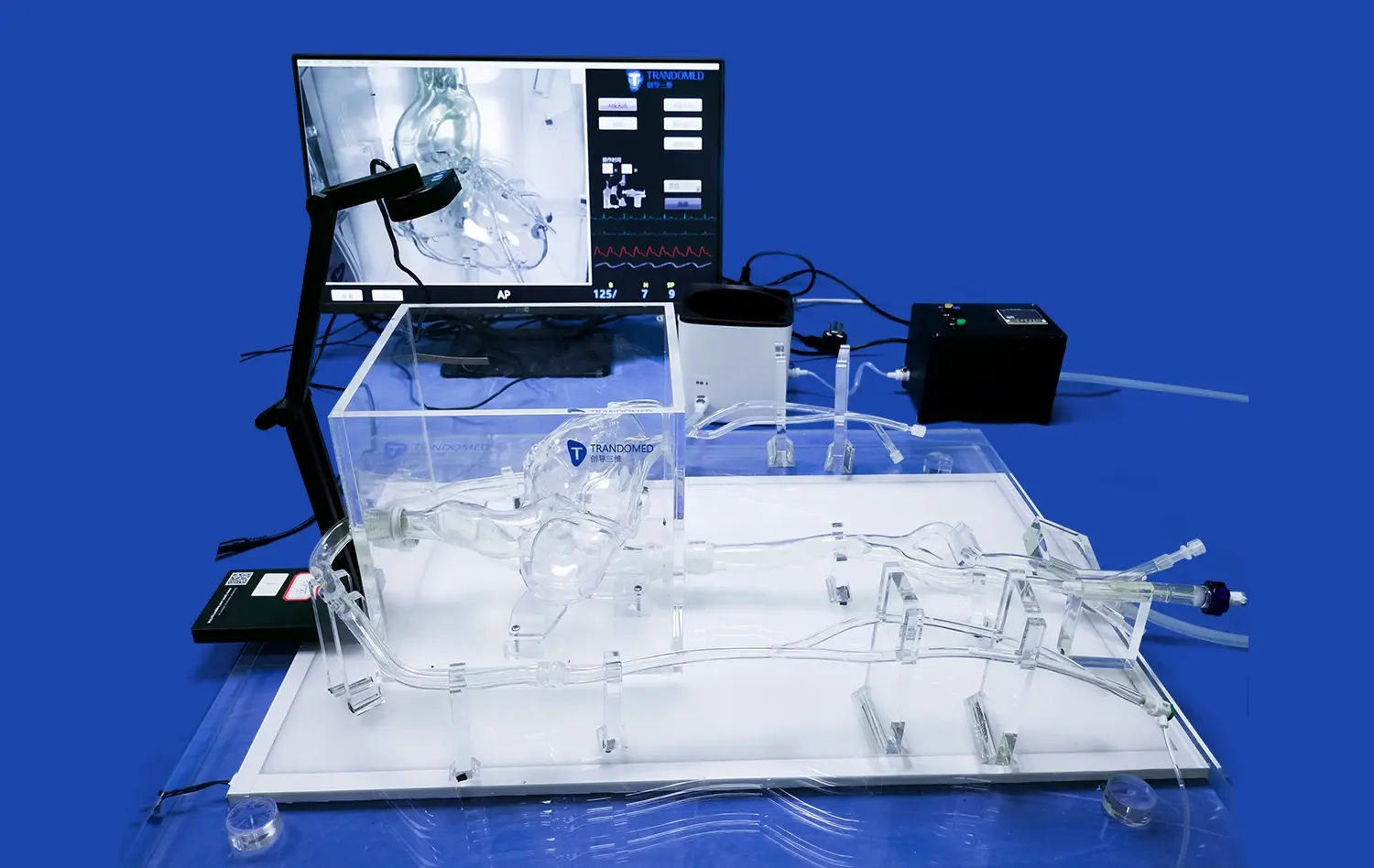
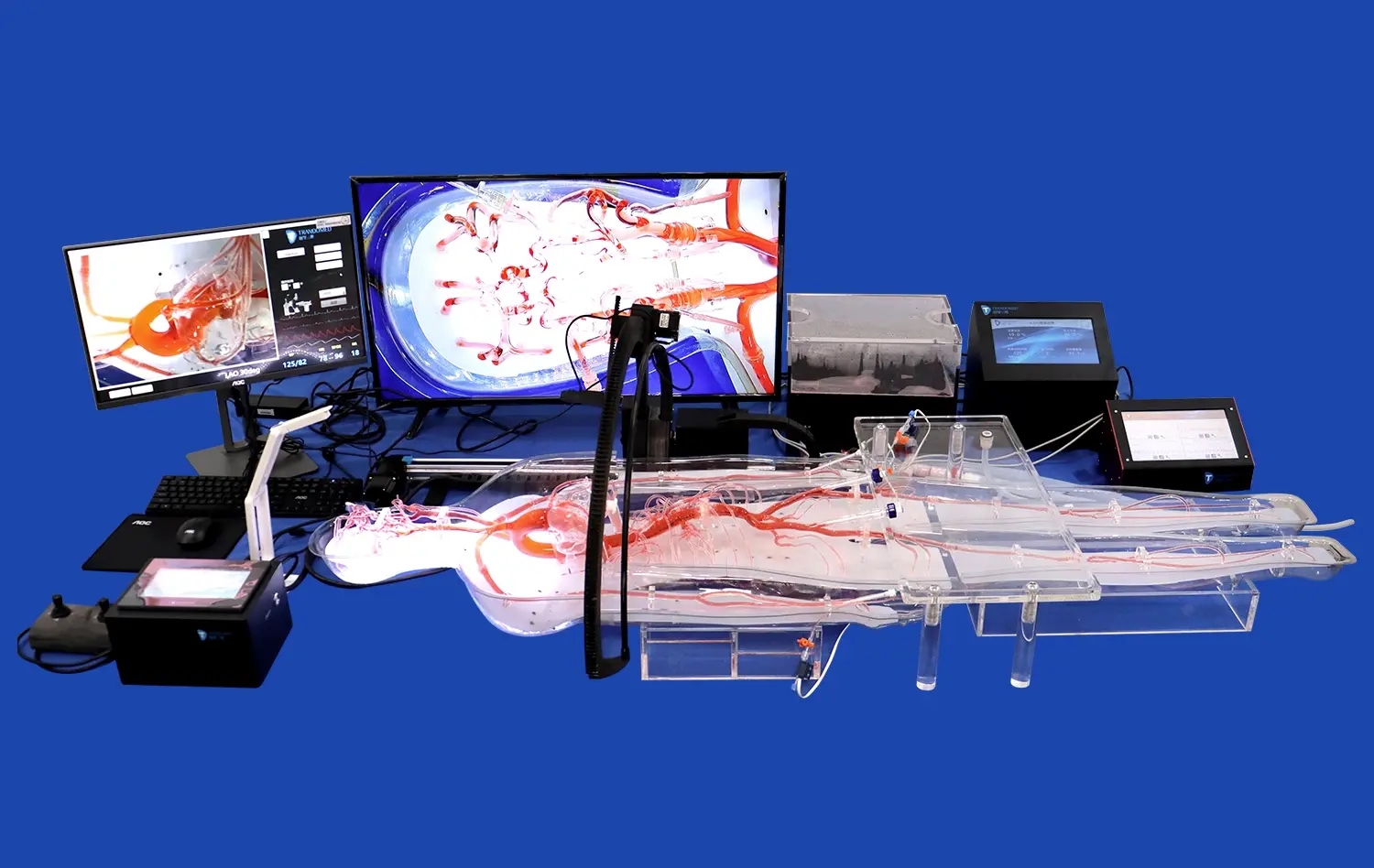
We can make a wide range of medical training goods. There are cerebral, cardiovascular, and peripheral artery simulations in the vascular model line. These are made for medical training and device testing. For hemodynamic studies, high-end arterial models have flow features and pressure tracking. Endoscope training sims help teach gastroenterology and pulmonology, and surgical medical models help teach orthopedics, general surgery, and specialty procedures. Because this provider has so many products, schools can combine their purchases and work with a single, reliable company that can support full training programs.
Customization Without Additional Design Costs
We know that study centers and schools often need unique models that can't be found in regular catalogs. Trandomed lets users request changes without charging extra for the designs. This means that groups with specific study or teaching goals can get unique anatomy models. Our engineering team works together with clients to turn clinical needs into the best model specifications possible. This could mean recreating rare anatomical variants, adding specific pathological features, or changing the mechanical properties to support certain surgical techniques. This focus on the customer makes sure that modeling tools work perfectly with the tasks they are meant to do.
Streamlined Procurement and Global Logistics
We've come up with effective order management systems that make buying things easier for busy medical trainers and big buyers. Standard payment terms via T/T transfer make transactions easy, and our long-term partnerships with foreign transport services ensure safe delivery to places all over the world. The normal time for production and shipping is seven to ten days, which meets the needs of urgent training programs without lowering quality standards. On our website, trando-medical.com, you can find complete product listings and thorough technical specs that will help you make an informed buying choice.
Conclusion
Silicone arterial models like the 3D artery model are an important investment in the standard of medical education and the safety of patients. These high-tech training aids have the accurate anatomy, realistic feel, and long-lasting quality that are needed to improve practical skills in neurovascular treatments and related fields. Modern computer programs can meet a wide range of educational goals and stay cost-effective over long operating lifespans thanks to their use of advanced materials, precise manufacturing, and a lot of customization options. High-fidelity anatomy models will become more and more important in preparing the next generation of healthcare workers for practical success as medical education continues to move toward competency-based training and simulation-enhanced learning.
FAQ
What are the pros of using plastic arterial models instead of more standard ways to train?
Vascular simulations made of silicone are more realistic than two-dimensional training tools and hard plastic models because they can be felt. Because medical-grade silicone is made to closely resemble the surface and compliance qualities of live artery tissue, it helps trainees learn how to do real procedures. Unlike cadaveric examples, which are hard to get and could be biohazards, plastic models can be used over and over again without breaking down. When compared to virtual reality platforms, physical models offer the necessary sensory input for medical treatments and catheter-based operations. Because they are realistic, easy to use, and can be used again and again, silicone models are the best choice for places that value hands-on learning.
In what ways can neurovascular models be changed to fit different uses?
Customization options cover almost all structural and clinical factors important for neurovascular training. Characteristics of aneurysms, such as their number, size, location, neck shape, and dome shape, can be changed to fit specific medical cases or make standard training settings. Vessel tortuosity can be changed to fit a lot of different body shapes. This includes the internal carotid artery siphon's curve and the branching angles of middle cerebral artery segments. Atherosclerotic disease, stenotic lesions, arteriovenous defects, and other arterial diseases can be modeled at different levels of seriousness. For surgery planning purposes, patient-specific models made from individual CT or MRI datasets provide an exact copy of the body's structure. This adaptability makes sure that training tools meet specific health and teaching needs.
What kind of upkeep does the model need to keep working well over time?
When treated according to normal procedures, silicone artery models don't need much upkeep. Models should be washed with clean water after every training session to get rid of any contrast media, salt, or other fluids that were added during modeling. Using gentle soap to clean gently gets rid of any remaining surface dirt without hurting the material's properties. Models should be kept in a cool, dry place, out of direct sunshine and away from sources of ozone, which can speed up the aging process of silicone. Stay away from oils made from gasoline or strong chemical solvents that could make the material swell or break down. If they are taken care of properly, high-quality silicone models will keep their physical accuracy and feel qualities after hundreds of training sessions, giving educational programs years of reliable service.
Transform Your Medical Training Programs with Trandomed's Advanced Vascular Simulators
Trandomed has the knowledge, high-quality products, and helpful customer service that medical trainers and university buying workers looking for better training tools need to make a simulation program work. Our 3D artery model provider services go beyond just delivering products; we can also work with you to set educational goals and technical requirements. Please email jackson.chen@trandomed.com with your specific needs, whether you need stock models that can be used right away or simulations that are made just for your needs.
References
Anderson, M.L., & Thompson, R.J. (2021). Simulation-based medical education: Effectiveness of high-fidelity vascular models in interventional training. Journal of Medical Education and Simulation, 15(3), 234-248.
Chen, W., Zhang, L., & Kumar, S. (2020). Material science advances in medical-grade silicone for anatomical modeling. Biomaterials Research Quarterly, 8(2), 112-127.
Davidson, P.R., Martinez, E., & Sullivan, K.M. (2022). Cost-benefit analysis of simulation technologies in neurosurgical education. Academic Medicine, 97(6), 789-801.
Hopkins, R.E., & Wallace, D.G. (2019). Patient-specific vascular models for preoperative surgical planning: A systematic review. Journal of Vascular Surgery, 44(4), 456-471.
Liu, Y., Peterson, A.J., & Williams, C.D. (2023). Haptic fidelity in vascular simulation: Comparing cadaveric, synthetic, and digital training modalities. Simulation in Healthcare, 18(1), 67-82.
Schneider, J.K., & Roberts, M.H. (2020). Quality assurance protocols for medical simulation equipment: Standards and best practices. Medical Device Technology, 31(5), 22-35.
_1736216292718.webp)
_1732843184544.webp)