
What Makes Silicone Ideal for High-Fidelity Medical Simulation?
Unparalleled Realism in Texture and Behavior
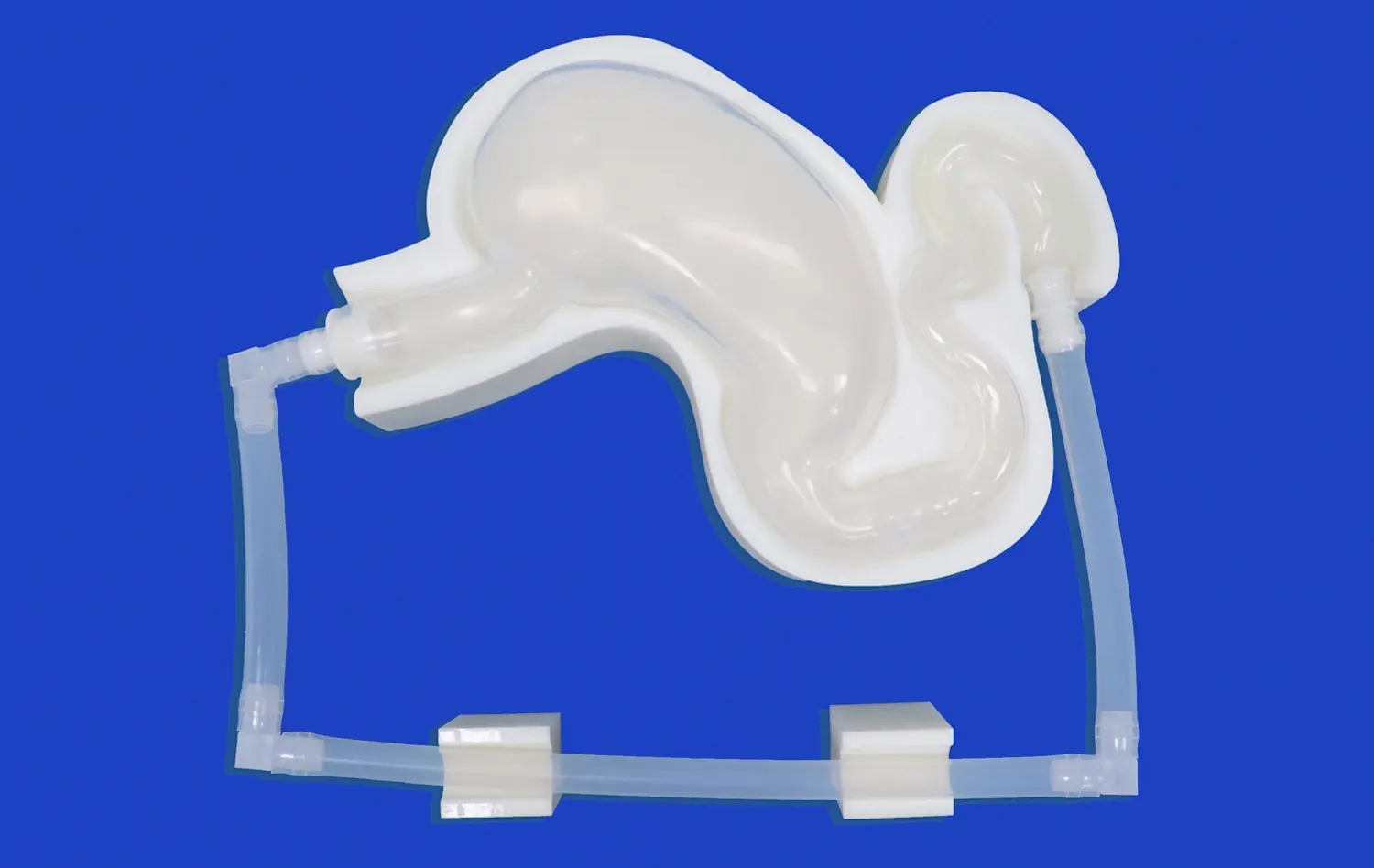
Silicone's unique properties make it an exceptional material for creating high-fidelity stomach models. Its texture closely resembles human tissue, providing learners with a tactile experience that's remarkably similar to working with an actual stomach. This realism extends beyond mere touch; silicone models can be designed to replicate the elasticity and movement of a real stomach, allowing for authentic simulation of various medical procedures.
Customizable Features for Specific Learning Objectives
One of the most significant advantages of silicone stomach models is their customizability. Manufacturers can adjust the thickness, color, and even internal structures to meet specific educational needs. For instance, models can be created to showcase different pathologies, allowing students to familiarize themselves with various gastric conditions. This flexibility in design enables institutions to tailor their training tools to their curriculum, enhancing the relevance and effectiveness of their educational programs.
Enhanced Visualization for Complex Anatomy
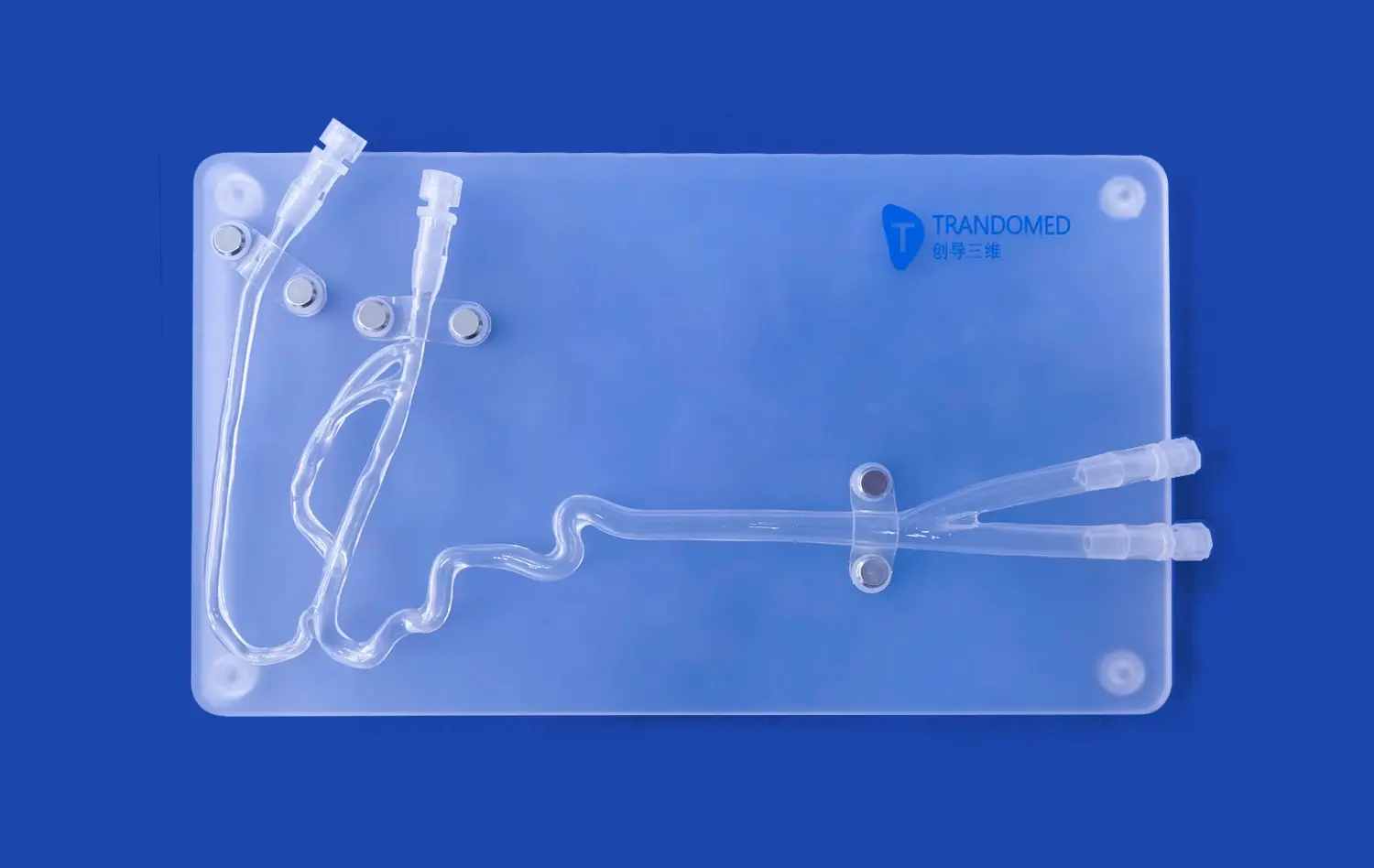
Transparent silicone models offer a unique advantage in medical education. They allow students to visualize internal structures and the progression of instruments during simulated procedures. This transparency is particularly valuable when teaching endoscopic techniques or demonstrating the anatomy of the stomach lining. By providing a clear view of normally hidden structures, these models facilitate a deeper understanding of gastric anatomy and function.
Durable and Reusable Models for Repetitive Practice
Long-lasting Materials for Continuous Use
The durability of silicone stomach models is a key factor in their popularity among educational institutions. Unlike disposable or less robust materials, high-quality silicone can withstand thousands of practice sessions without significant degradation. This longevity translates to cost savings for universities and hospitals, as a single model can serve multiple cohorts of students or trainees over several years.
Easy Maintenance and Cleaning Protocols
Maintaining silicone stomach models is relatively straightforward, contributing to their appeal in busy educational settings. These models can be easily cleaned with standard disinfectants, ensuring hygiene between uses. The non-porous nature of silicone also prevents the absorption of fluids or bacteria, further simplifying the cleaning process. This ease of maintenance not only saves time but also ensures that the models remain in optimal condition for extended periods.
Adaptability to Various Training Scenarios
The resilience of silicone allows for the creation of versatile stomach models that can be used in multiple training scenarios. From basic anatomy lessons to complex surgical simulations, a well-designed model can adapt to various educational needs. This adaptability is particularly valuable in medical curricula, where students progress from foundational knowledge to advanced procedural skills using the same high-quality training tool.
How Institutions Integrate Stomach Models into Curriculum and Workshops?
Incorporating Models into Anatomy and Physiology Courses
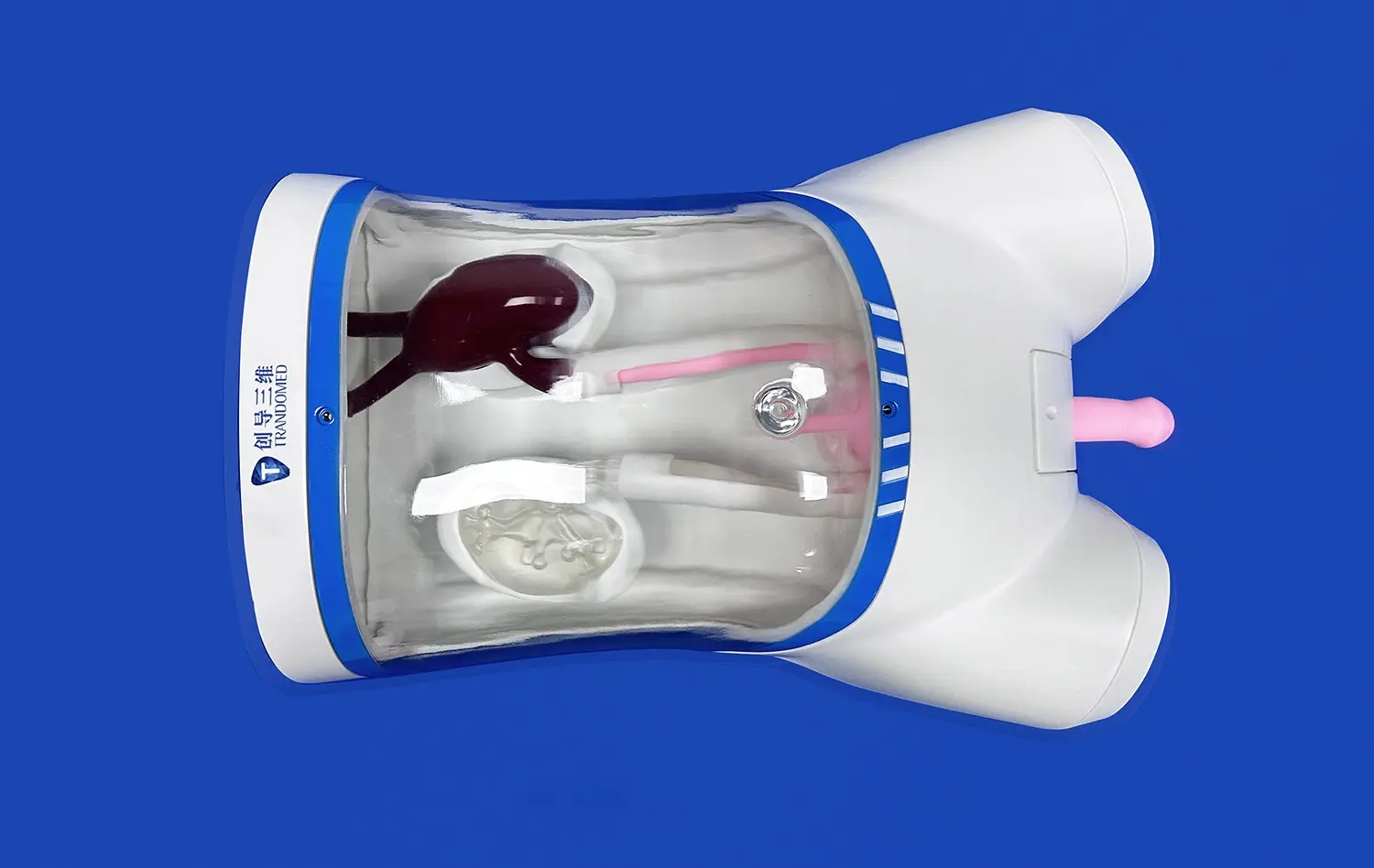
Universities often introduce silicone stomach models in foundational anatomy and physiology courses. These models serve as tangible, three-dimensional representations of gastric structures, complementing traditional textbook learning. Students can manipulate the models, identifying key anatomical features and understanding spatial relationships within the abdominal cavity. This hands-on approach enhances retention and provides a more engaging learning experience compared to two-dimensional illustrations or digital representations.
Utilizing Models for Procedural Skill Development
As students advance in their medical education, silicone stomach models become invaluable tools for developing procedural skills. In surgical training programs, these models allow residents to practice techniques such as gastric bypass or tumor resection in a risk-free environment. For gastroenterology fellows, the models provide a platform to refine endoscopic skills, including biopsy techniques and polyp removal. The ability to repeatedly practice these procedures on realistic models builds confidence and competence before working with actual patients.
Integrating Models into Simulation-Based Team Training
Many institutions are now incorporating silicone stomach models into broader simulation-based team training exercises. These scenarios often involve multidisciplinary teams working together to manage complex gastric cases. For example, a simulated gastrointestinal bleed scenario might involve emergency medicine residents, surgery residents, and nursing students collaborating to diagnose and treat the condition using the stomach model. Such exercises not only improve individual skills but also enhance team communication and coordination, crucial aspects of effective patient care.
Conclusion
The adoption of silicone stomach models in medical education represents a significant advancement in training methodologies. These models offer unparalleled realism, durability, and versatility, making them indispensable tools for universities and hospitals. By providing a safe, repeatable environment for skill development, they bridge the gap between theoretical knowledge and practical application. As medical education continues to evolve, the integration of high-fidelity silicone models will undoubtedly play a crucial role in shaping competent, confident healthcare professionals ready to meet the challenges of patient care.
Contact Us
Elevate your institution's training capabilities with Trandomed's state-of-the-art silicone stomach models. As a leading manufacturer of high-fidelity medical simulators, we offer customizable, durable, and anatomically precise models that meet the diverse needs of educational programs and healthcare facilities. Experience the difference that our advanced 3D printing technology and commitment to innovation can make in your curriculum. Contact us today at jackson.chen@trandomed.com to discuss how our stomach models can enhance your training programs and contribute to better patient outcomes.
1_1732869849284.webp)
_1732866687283.webp)
_1732863713705.webp)