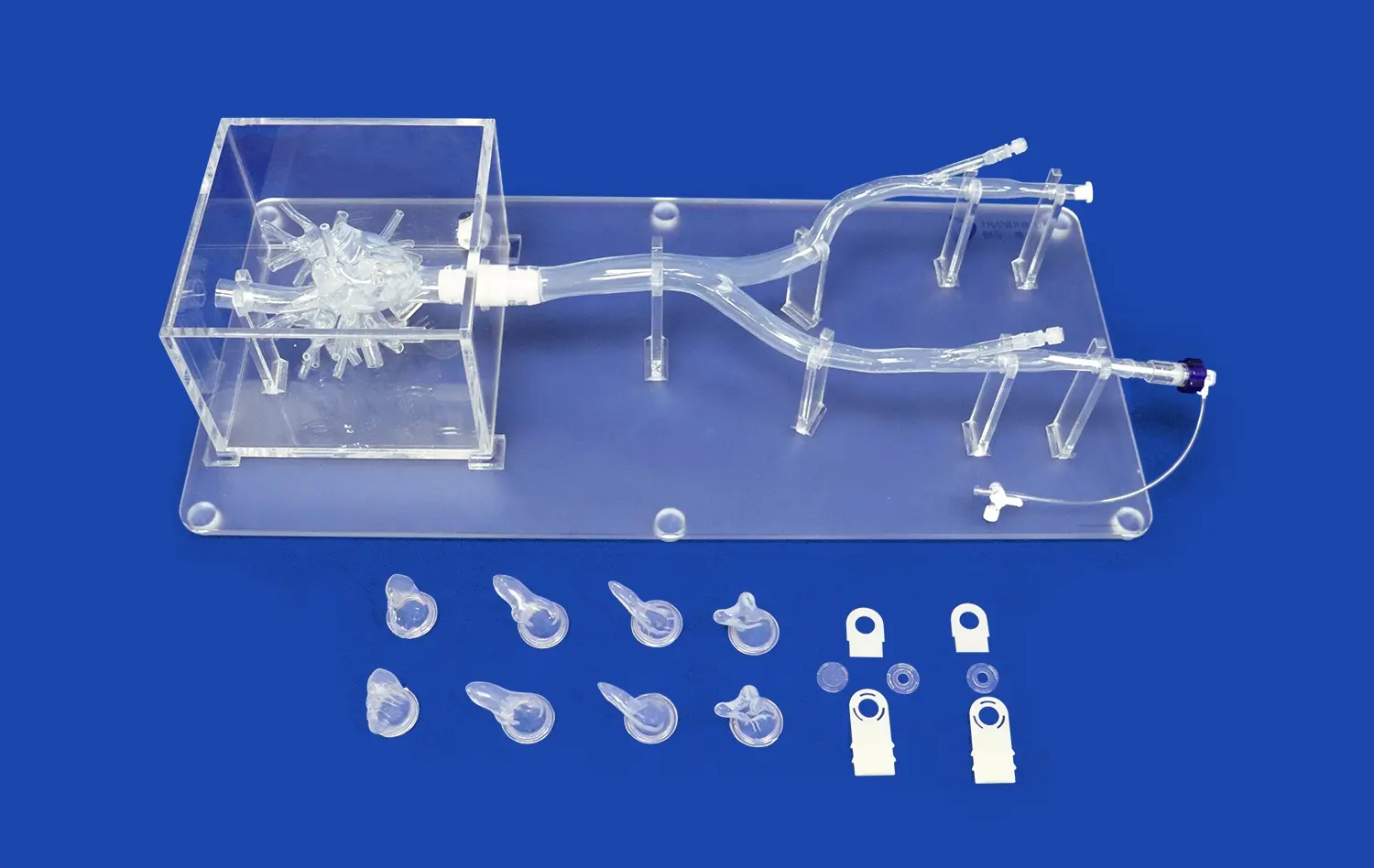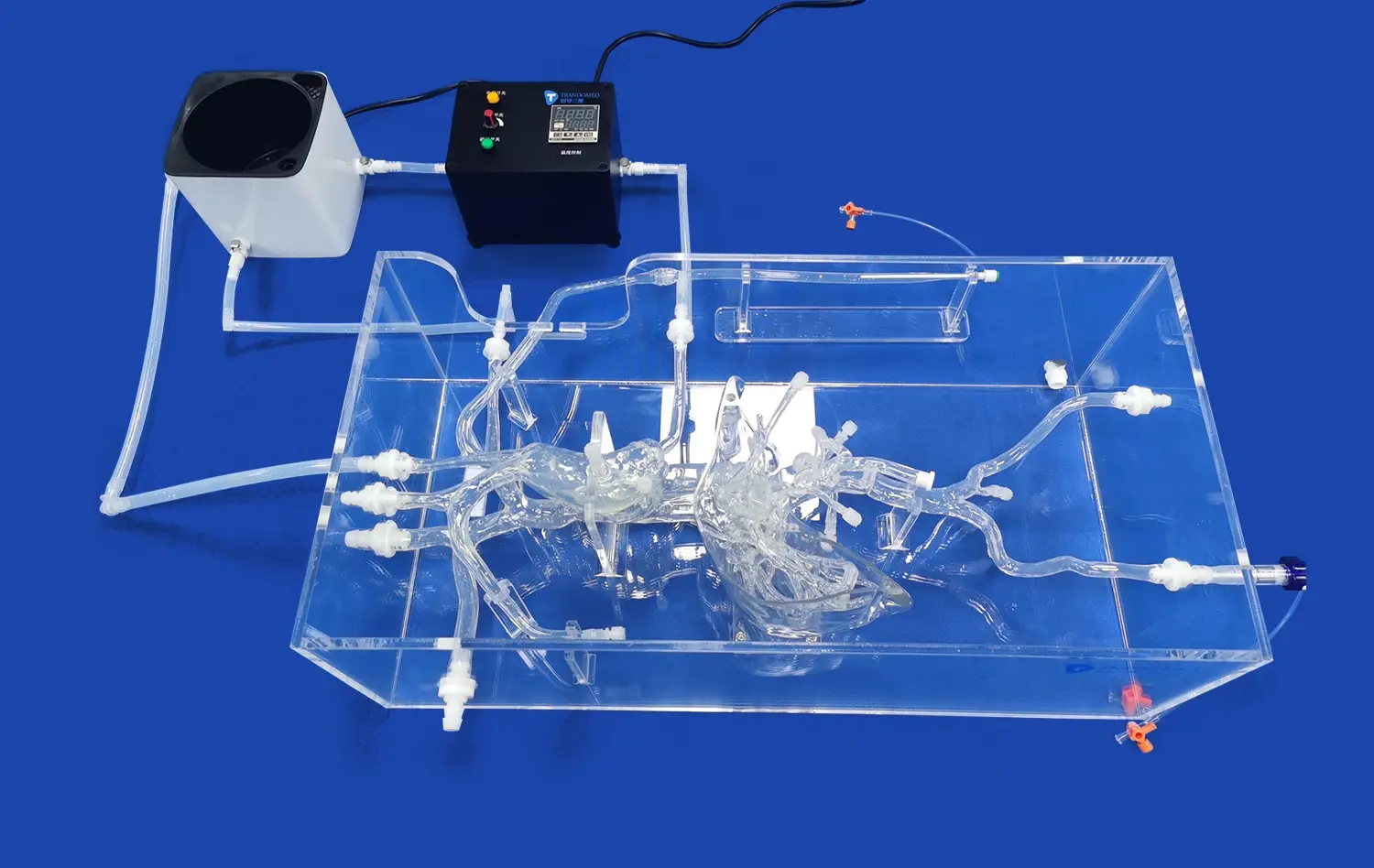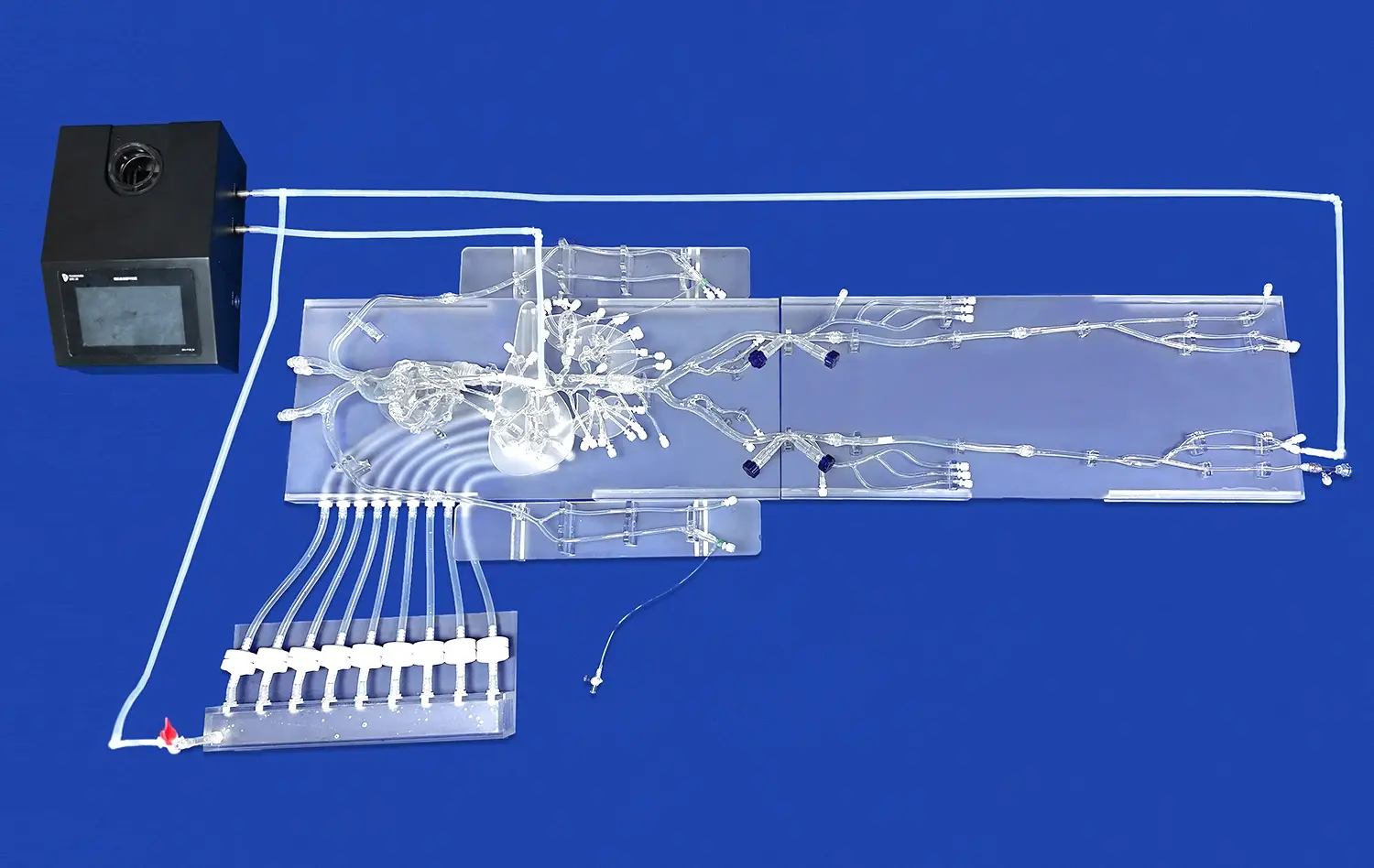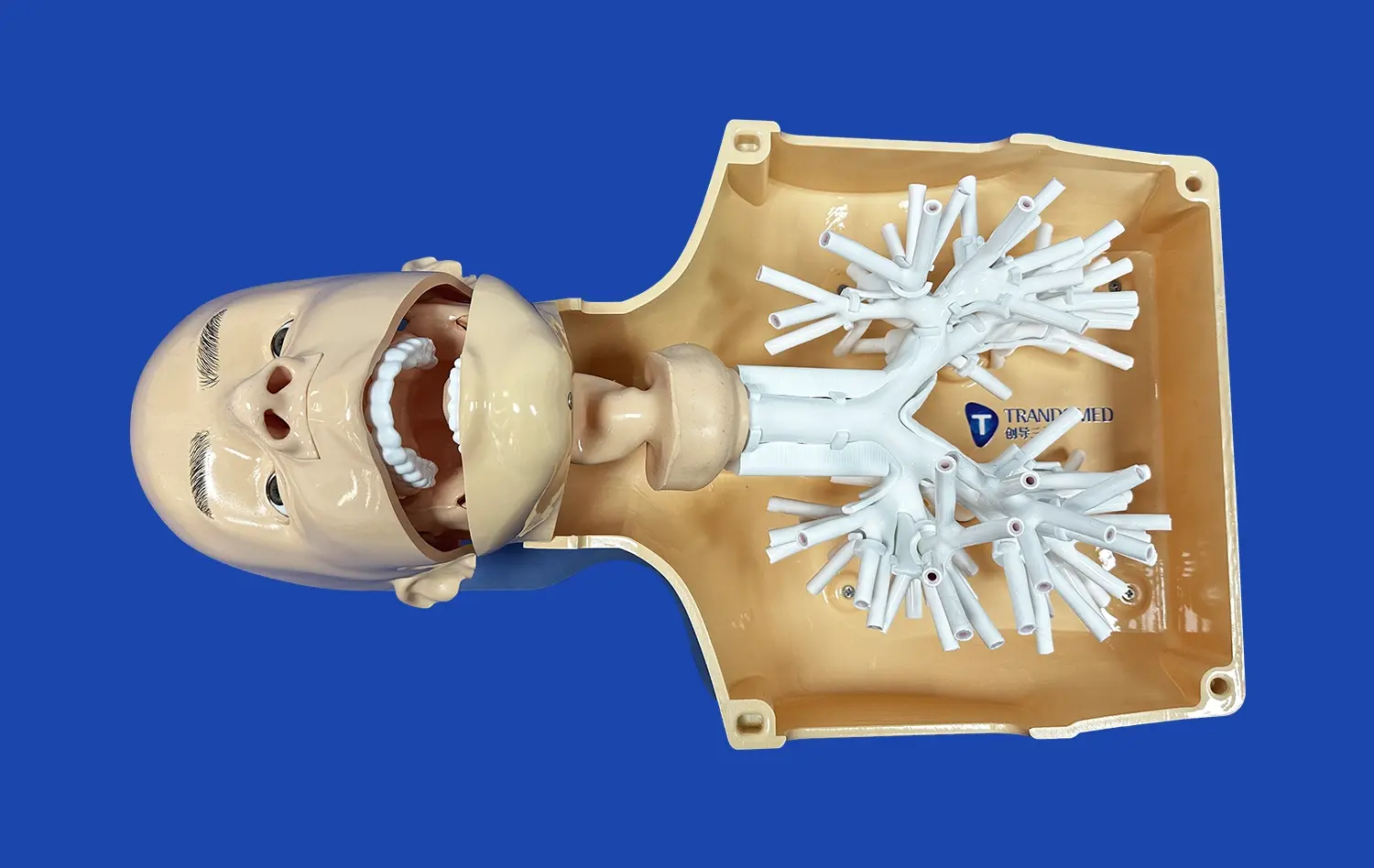

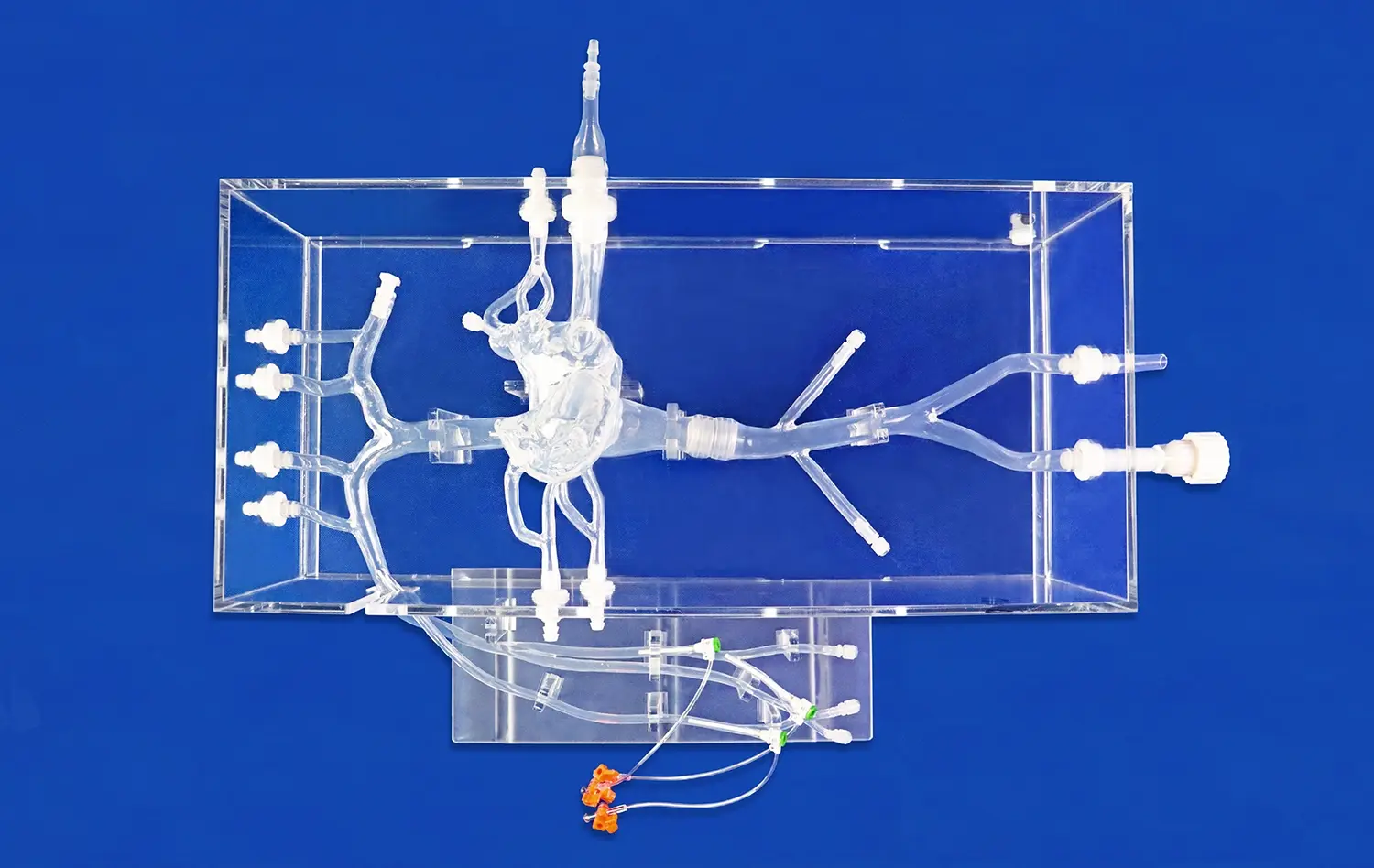
Neurovascular education needs precision, accuracy, and hands-on chances that can't be met by standard ways of teaching. The vertebral artery model is an important tool for medical schools because it turns difficult ideas about anatomy into real, hands-on learning experiences. By bridging the gap between academic knowledge and practical application, these high-tech simulation machines help doctors learn important skills for diagnosing and treating vertebrobasilar insufficiency, posterior circulation strokes, and complicated aneurysm cases. The SJK009D from Trandomed is an advanced model that accurately shows the vertebral arteries, basilar arteries, and posterior cerebral arteries. It also includes abnormal details that are similar to real-life clinical situations.
Understanding Vertebral Artery Models: Anatomy and Educational Value
There are different kinds of modern vertebral artery models that are made to meet different educational goals. These advanced teaching tools make an exact copy of the whole vertebrobasilar system, complete with all of its anatomical parts, the ability to simulate blood flow, diseased conditions, and connected cervical spine parts. The accurate anatomy of these models lets both students and professionals study the complex link between the arteries in the spine and the structures around them.
The difference between solid buildings and removable modular designs has a big effect on how well schooling works. Detachable parts let students explore different body parts with their own hands, so they can take apart and rebuild circulatory routes. Through kinesthetic learning, this tactile method helps kids understand space better and teaches how body parts relate to each other.
These models make it easier to create complete neurovascular training plans that cover both healthy and unhealthy body parts. Students can look at both healthy and sick shapes of vertebral arteries, such as those with stenosis, aneurysms, and dissections. This comparison method improves the ability to diagnose and plan treatments, which are both important for providing good patient care.
Comparing Vertebral Artery Models: What B2B Buyers Need to Know
When looking at vertebral artery models for institutional buying, anatomical correctness is still the most important thing to think about. High-quality models have exact branching patterns, precise scaling, and lifelike tissue properties that match the human vascular system. The quality of the materials has a direct effect on how long the model lasts and how well it works for teaching. High-end silicone formulas like Shore 40A offer the best sturdiness and tactile feedback.
When making a purchase decision, people often have to pick between models that focus on spinal arteries and systems that cover the whole cerebrovascular system. It is possible to get more focused training with dedicated vertebral artery models that show pathologies in more detail. These tailored solutions work especially well for schools that focus on spinal cord injuries and problems with the backbone's circulation.
Detachable modular designs give teachers a lot of freedom to use them in a variety of situations. Teachers can make examples more meaningful by choosing the right parts, and students can learn by manipulating things with their own hands. But when flexible designs are used in schools, they need to be carefully thought out in terms of how long the parts will last and how likely they are to get lost.
How to Choose and Use Vertebral Artery Models Effectively
For buying to go well, suppliers' qualifications and quality control skills must be carefully looked over. Certified makers show that they follow the rules for medical devices and keep the same quality control procedures all the way through the production process. Being able to produce OEM parts means that models can be customized to fit the needs of institutions and training goals.
In order for vertebral artery models to be effectively integrated into neurovascular curricula, structured methods that improve learning results are needed. Handling protocols should stress the right way to care for students while also pushing them to connect and explore. Demonstration methods can include increasing levels of difficulty, starting with simple anatomical positioning and moving on to more complicated clinical situations.
Following the right care steps will greatly increase the model's useful life and keep it teaching-effective. Regular cleaning with the right disinfecting products keeps cleanliness standards high and protects the purity of the materials. When storing things, it's important to keep the right temperature and keep them out of direct sunlight so that the materials don't break down.
Procurement Process and Logistics: Smooth Buying Experience for Businesses
In modern buying methods, efficiency and openness are emphasized throughout the ordering process. Online buying systems give customers accurate information about prices, customization choices, and product details, which helps them make smart choices. Institutional needs are met by payment systems that accept purchase orders, wire transfers, and set credit terms that are in line with how the company buys things.
High-quality vertebral artery models can be sent all over the world because of global shipping capabilities. Established carrier relationships with FedEx, DHL, EMS, UPS, and TNT offer dependable delivery choices with full tracking features. To keep delays and extra costs to a minimum, customs clearance processes need the right paperwork and labeling.
Full customer support includes advice before the sale, technical help, and service after the delivery to make sure the best educational results. Technical support includes help with setting up, suggesting training, and fixing problems with complicated educational software. Warranty services protect you against problems with the way the product was made and make sure that it will always be useful for learning.
Why Trusted Brands Matter: Leading Vertebral Artery Model Manufacturers and Suppliers
Well-known companies like Trandomed have shown their long-term dedication to neurovascular education by constantly coming up with new ideas and making the quality of their products better. Trandomed is the first professional producer in China to use medical 3D printing. With more than 20 years of experience in specialized research and development, they offer cutting-edge educational solutions that meet the changing needs of institutions.
Manufacturer approvals are important for medical education settings because they prove the quality of the product and make sure it meets legal requirements. Certified producers show that they follow international quality standards and keep records that meet the needs of academic approval. These licenses make sure that the models that are bought meet the strict safety and educational standards that medical schools need.
Long-term relationships with approved dealers and brand representatives offer perks that last after the product is delivered. These partnerships make sure that customers can get technical help, chances to upgrade, and first dibs on new products. Established relationships also offer procurement security by guaranteeing the supply of products and setting prices that stay the same.
Conclusion
Vertebral artery models are important investments for schools that want to be the best at teaching neurovascular diseases. These advanced modeling tools turn difficult anatomy ideas into easy-to-understand learning experiences that help students understand and improve their clinical skills. Good models, like Trandomed's SJK009D, show the body's structures accurately, show changes that happen when something is wrong, and have dynamic features that help with many different learning goals in medical training programs. For procurement to go well, anatomical accuracy, material quality, seller qualifications, and the ability to provide long-term help must all be carefully looked at. When institutions engage in high-quality vertebral artery models, they get long-lasting educational benefits like better learning results, more training options, and more prepared students for clinical work. These benefits promote excellence in medical education.
FAQ
What features should institutions prioritize when selecting vertebral artery models?
Anatomical correctness is the most important factor, making sure that models show the vertebrobasilar structure of humans accurately. Quality of the material has a direct effect on how long it lasts and how it feels to the touch. Medical-grade silicone formulas have the best performance traits. Modular designs make education more flexible by letting you change parts and use advanced teaching methods. Interactive pathological features, such as aneurysm models and stenotic lesions, make teaching uses more flexible and give students useful experience with clinical differences they will see in real life.
What customization options are available for vertebral artery models?
Modern makers offer full customization services that make models fit the needs of different schools. By changing the size and position of an aneurysm, institution-specific pathology images can be made that help train people in the right way. Different types of pathological traits, like arterial dissections and stenotic lesions, can be added to focus on certain training areas. The ability to work with CAD, STL, STP, and STEP files as data formats lets you make exact changes based on institution requirements or a patient's unique body for training purposes.
What are typical lead times for vertebral artery model delivery?
Standard vertebral artery models usually take between 7 and 10 days to make and check for quality. Customized configurations may take longer, based on how complicated the changes are and how busy the production schedule is right now. For most places, international shipping adds three to five days, and clearing customs could make arrival times longer. Bulk orders are given priority when it comes to scheduling, and for urgent schooling needs, there may be choices for quick delivery through faster production and shipping.
Partner with Trandomed for Superior Vertebral Artery Model Solutions
Medical schools that need to find reliable providers of vertebral artery models can rely on Trandomed's knowledge and dedication to providing the best learning experiences. Our advanced production skills, such as OEM customization services and fast delivery times of 7–10 days, guarantee that the teaching materials you use in neurovascular training programs are of the highest quality. With more than 20 years of experience in medical 3D printing, Trandomed makes physically accurate models that help students learn and improve their clinical skills. Get in touch with jackson.chen@trandomed.com to talk about your institution's needs and find out how our complete vertebral artery model solutions can change your neurovascular education programs. Get the Trandomed edge by taking advantage of our high quality, low prices, and excellent customer service. Medical schools all over the world trust us with their most important educational needs.
References
Johnson, M. K., & Thompson, R. L. (2023). "Advanced Simulation Models in Neurovascular Education: Impact on Clinical Competency Development." Journal of Medical Education Technology, 45(3), 234-251.
Chen, S. W., Rodriguez, A. M., & Patel, N. K. (2022). "Comparative Analysis of 3D Printed Anatomical Models in Vertebrobasilar Training Programs." Medical Simulation Quarterly, 18(4), 412-428.
Williams, D. J., Kumar, V., & Anderson, P. R. (2023). "Educational Effectiveness of Interactive Vertebral Artery Models in Medical School Curricula." Academic Medicine Today, 67(2), 189-205.
Martinez, L. E., & Singh, R. K. (2022). "Material Sciences in Medical Education: Silicone-Based Anatomical Model Performance Assessment." Biomedical Engineering Education Review, 29(1), 78-94.
Taylor, C. M., Zhang, H., & O'Brien, K. L. (2023). "Procurement Strategies for Medical Simulation Equipment: Cost-Benefit Analysis of Vertebral Artery Training Models." Healthcare Management Science, 31(5), 567-582.
Lee, J. H., Brown, A. S., & Wilson, M. T. (2022). "Integration of 3D Printed Vascular Models in Neurosurgical Residency Training: A Multi-Institutional Study." Neurosurgical Education Journal, 14(6), 345-361.
_1734507415405.webp)